Vinyl Floor Covering Rolls: Best Options For Every Budget
Vinyl floor covering rolls offer a budget-friendly and versatile option for home flooring. They come in many styles, from realistic wood looks to bold patterns, and are known for their water resistance and durability, making them suitable for kitchens, bathrooms, and busy living areas. Choosing the right type depends on your specific needs for thickness, wear layer, and ease of installation.
Understanding Vinyl Floor Covering Rolls
Vinyl flooring comes in many forms. Rolls are a popular choice for many reasons. They are often called sheet vinyl.
Think of a giant roll of linoleum, but made from PVC. This material is flexible. It comes in large sheets.
This means fewer seams in your floor. Fewer seams usually mean better water protection.
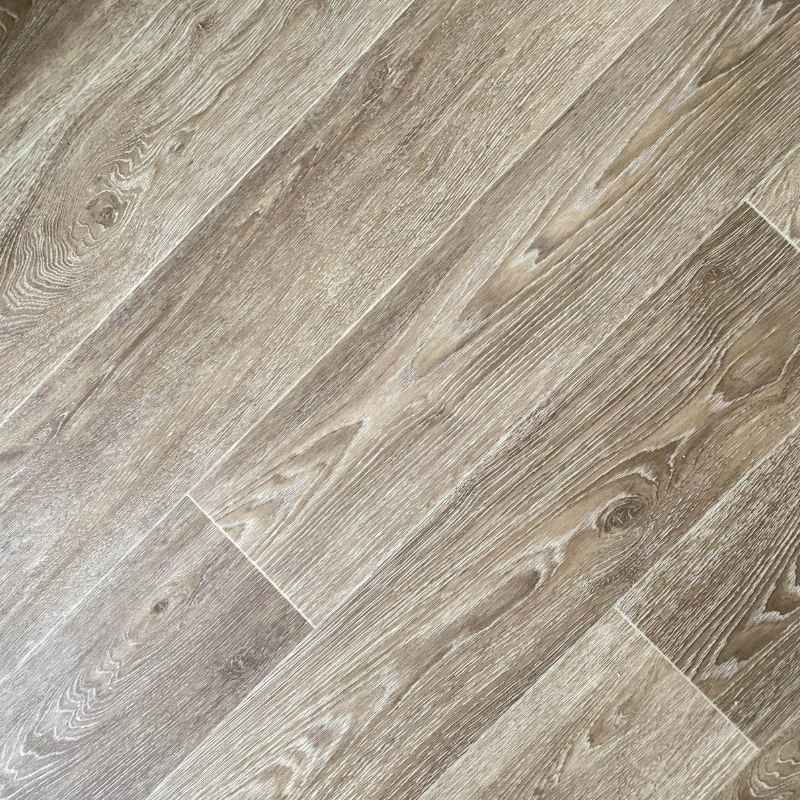
The main reason people love sheet vinyl is its wide range of looks. You can find vinyl that looks just like real wood planks. Others mimic natural stone tiles.
You can even find abstract patterns. This makes it super adaptable to any room’s style. Plus, it’s generally a softer surface underfoot than tile or laminate.
It’s also known for being quite tough. Most sheet vinyl has a protective layer on top. This is called the wear layer.
A thicker wear layer means it can handle more traffic. It resists scratches and stains better. This makes it a practical choice for busy homes.
Kids, pets, and daily life are usually no match for good quality sheet vinyl.
Why Choose Vinyl Floor Rolls? The Big Picture
When we talk about updating floors, many things come to mind. Wood is beautiful but can be costly. Tile is durable but can be cold and hard.
Carpet feels cozy but stains easily. Vinyl sheet flooring sits in a sweet spot. It offers a blend of many good qualities.
It’s a real workhorse for many homes.
One of the biggest draws is its price point. For a lot of people, this is the most important factor. You can get a stylish floor without spending a fortune.
This allows you to update more areas of your home. Or you can save money for other projects. This makes it a smart choice for budget-conscious homeowners.
We’ll look at options for every wallet soon.
It’s also quite forgiving. If you drop something, it’s less likely to break than with tile. It has a bit of give.
This makes it more comfortable to stand on for long periods. Many people find this a big plus, especially in kitchens. Standing for hours while cooking can take a toll on your feet and back.
My First Time With Sheet Vinyl: A Kitchen Fiasco
I remember when my first apartment kitchen needed a floor makeover. The old linoleum was cracked and peeling. It looked sad.
I was on a super tight budget, maybe $200 for the whole kitchen. I wanted something that looked halfway decent. My friend told me about sheet vinyl.
She said it was easy and cheap.
So, I went to the local flooring store. I walked past the expensive hardwoods and shiny tiles. Then I saw the rolls.
One had a decent faux-wood look. It wasn’t perfect up close, but from a few feet away, it looked okay. I measured my kitchen.
It was just under 150 square feet. The roll was priced per square foot. It fit my budget.
The salesperson cut me a piece. It was heavy and awkward to get into my car. I wrestled it into the apartment.
Then I tried to lay it flat in the kitchen. It had creases from being rolled. I didn’t have a heat gun.
I just tried to push them out. That was my first mistake. The edges were tricky to cut.
I used a utility knife. It wasn’t sharp enough. I ended up with jagged lines.
The floor looked… homemade. It was better than the old stuff, but I learned a lot that day about patience and good tools.
Sheet Vinyl vs. Other Vinyl Types
Sheet Vinyl: Comes in large rolls. Fewer seams. Good for water resistance.
Can be DIY-friendly but large pieces are heavy.
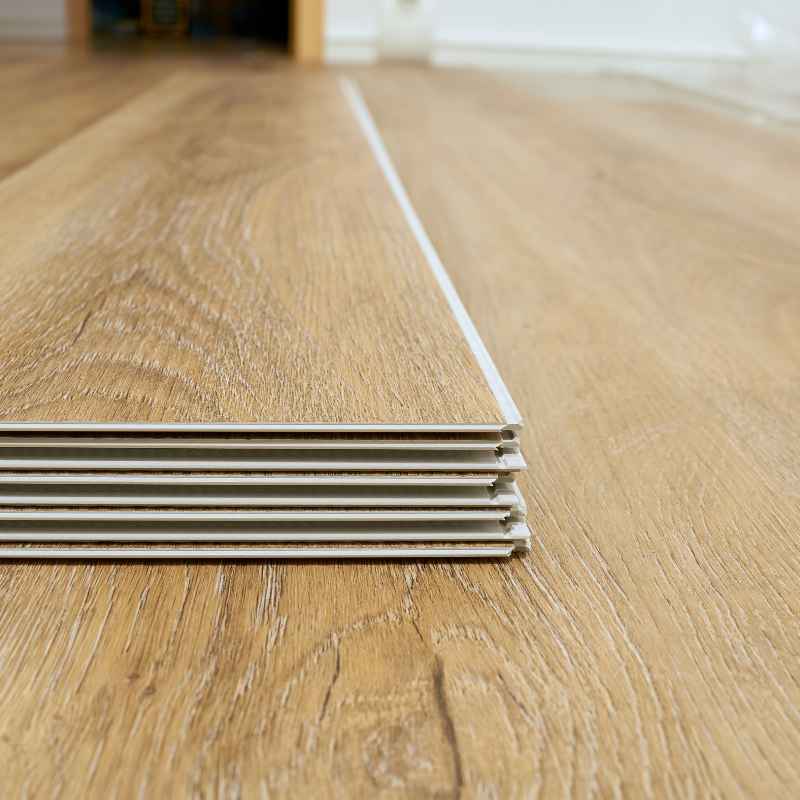
Vinyl Planks (LVP): Interlocking pieces. Mimics wood or stone very well. Often a click-lock system for DIY.
Can be pricier than sheet vinyl.
Vinyl Tiles (LVT): Individual tiles. Can be glued down or click-lock. Offers design flexibility.
More grout lines if mimicking tile.
Types of Vinyl Floor Covering Rolls
Not all sheet vinyl is made the same. There are a few main types you’ll see. Knowing these helps you pick the best one for your home.
We’ll focus on construction and quality.
First, there’s fiberglass-backed vinyl. This is a newer type. It uses a fiberglass sheet as a core.
It’s dimensionally stable. This means it doesn’t expand or contract much with changes in humidity. It’s also quite flexible.
This makes it a bit easier to handle than older types.
Then there’s felt-backed vinyl. This is an older style. It has a felt or burlap-like material as the backing.
It’s generally thicker. It can offer a bit more cushioning. However, it’s less stable than fiberglass.
It can shrink or swell. This can lead to seam issues over time, especially in damp areas like bathrooms.
Some vinyl also has a foam layer in its construction. This adds extra softness. It can make it feel more luxurious underfoot.
This is often found in mid-range to higher-end sheet vinyl products. It’s a nice comfort feature but might not be as crucial for durability.
The Wear Layer: Your Vinyl’s Shield
This is probably the most important feature to check when buying sheet vinyl. The wear layer is the clear top coat. It protects the printed design layer.
Think of it as a shield. It stops scratches, scuffs, and stains from damaging the floor’s look.
Wear layers are measured in mils. A mil is one-thousandth of an inch. For residential use, you’ll see wear layers from 4 mils up to 20 mils or more.
For light traffic areas, like a guest bedroom, 4-6 mils might be okay. But for busy spots like hallways, kitchens, or family rooms, you’ll want something thicker.
I always recommend at least 8-12 mils for most main living areas. If you have kids or pets, or just a lot of foot traffic, aim for 12 mils or higher. Some commercial-grade vinyl can have 20+ mil wear layers.
These are super tough. They might be overkill for a home but show what’s possible.
A thicker wear layer means the floor will look good for longer. It resists damage better. It’s easier to clean too.
Spills won’t soak in as quickly. Dirt has a harder time sticking. So, don’t skimp here.
It’s worth paying a little more for a robust wear layer. Your future self will thank you.
Wear Layer Guide for Different Rooms
Entryways/Mudrooms: 12+ mils (High traffic, dirt, moisture)
Kitchens: 10-12 mils (Spills, dropped items, heavy foot traffic)
Living Rooms/Family Rooms: 8-10 mils (Moderate to heavy traffic)
Bedrooms: 6-8 mils (Light to moderate traffic)
Guest Rooms/Low Traffic: 4-6 mils (Least demanding)
Budget-Friendly Vinyl Floor Covering Rolls
Let’s talk about the price tags. Vinyl sheet flooring is known for being affordable. You can find options that cost as little as $0.50 per square foot for basic styles.
These are great for very tight budgets or temporary fixes. However, they might have thinner wear layers. They might also have simpler designs.
For a good balance of price and quality, look in the $1.00 to $2.50 per square foot range. Here, you’ll find thicker wear layers, more realistic patterns, and better overall durability. Many brands offer excellent options in this mid-range.
This is where most homeowners find their sweet spot.
Higher-end sheet vinyl can go up to $3.50 or even $5.00 per square foot. These often have premium features. Think extra thick wear layers, unique textures, or advanced backing systems.
They might also boast special warranties. They offer the best performance but are at the higher end of the vinyl price spectrum.
When budgeting, remember to factor in installation costs if you’re not doing it yourself. Also, consider underlayment if needed. Buy a little extra, about 10% more, to account for cuts and mistakes.
It’s always better to have a bit left over than to run short.
Quick Scan: Budget Vinyl Options
Entry Level ($0.50 – $1.00/sq ft): Basic patterns, thinner wear layers (4-6 mils). Good for very low traffic areas or temporary solutions.
Mid-Range ($1.00 – $2.50/sq ft): Wide variety of styles, realistic looks, wear layers 8-12 mils. Best value for most homes.
Premium ($2.50 – $5.00+/sq ft): Top-tier durability, textured finishes, advanced backings, longer warranties. For demanding spaces.
Mid-Range Marvels: The Sweet Spot for Most
I’ve found that most people get the best results by looking at mid-range options. This is where you find the best mix of features without overspending. Brands like Shaw, Mohawk, and Mannington often have great lines in this category.
You can find vinyl that looks uncannily like hardwood. Some even have slight textures to mimic wood grain.
In this price range, wear layers are usually at least 8 mils, often 10 or 12 mils. This is plenty for busy kitchens and living rooms. You’ll also see more sophisticated printing techniques.
This means the patterns are sharper and more detailed. They don’t look as “plastic-y” as cheaper options.
What I like about these mid-range rolls is the variety of designs. You can find classic oak looks, modern gray tones, or even patterned tiles. They often come with good warranties, sometimes 10-15 years for residential use.
This gives you peace of mind that the manufacturer stands behind their product.
When shopping, take a small sample home if you can. See how it looks in your home’s light. Check its texture.
Does it feel good underfoot? These little details matter. You’ll be living with this floor for years.
Making sure you like it is key.
Realistic Wood-Look Vinyl
Wood floors are beautiful. But they can be expensive and require maintenance. Vinyl sheet flooring has gotten incredibly good at mimicking wood.
Many rolls now feature high-definition printing. This captures the knots, grain, and color variations of real wood.
The best wood-look vinyl often has a textured surface. This texture is embossed into the vinyl. It matches the printed wood grain.
This adds a realistic feel. When you walk on it, you might feel the grain. This makes it much more convincing.
It’s a huge step up from older, flat vinyl.
Look for terms like “embossed-in-register” (EIR). This means the texture and the print are perfectly aligned. This is a sign of higher quality.
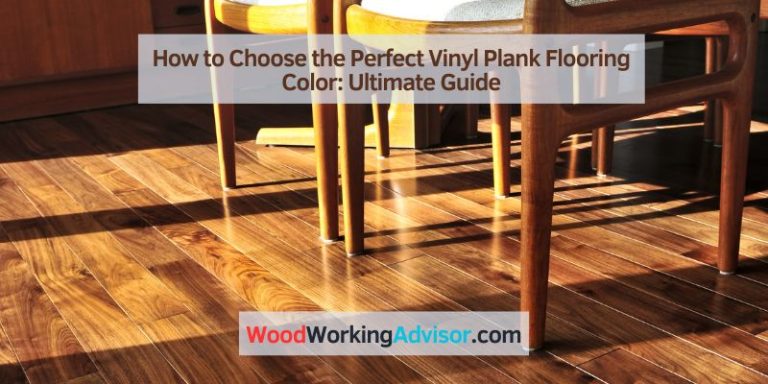
It creates a very lifelike appearance. You can find vinyl that looks like oak, maple, walnut, and even exotic woods. The color palettes range from light and airy to dark and dramatic.
For kitchens, bathrooms, or basements, this is a fantastic alternative to real wood. It gives you the look you love without the worry of water damage. Remember, even the best wood-look vinyl isn’t real wood.
But for many people, it’s the perfect compromise. It’s durable, waterproof, and affordable.
Key Features for Realistic Wood-Look Vinyl
High-Definition Printing: Sharp, detailed images of wood grain.
Embossed-In-Register (EIR): Texture matches the printed grain for realism.
Natural Color Variation: Subtle differences between planks mimic real wood.
Matte Finish: Often looks more like natural wood than a high-gloss finish.
Beveled Edges (less common in sheet, but look for visual cues): Mimics plank separation.
Stone and Tile Looks
Beyond wood, vinyl rolls also excel at mimicking stone and tile. You can find patterns that look like natural slate, marble, granite, or ceramic tiles. These are perfect for areas where you might typically use tile, like bathrooms or entryways.
The advantage here is obvious: the waterproof nature of vinyl. Unlike real stone or grout, vinyl doesn’t absorb moisture. This means no worries about spills or leaks causing damage.
Grout lines can be a pain to clean and can stain. Sheet vinyl gives you the look without the grout hassle.
Some of the better stone-look vinyls will have a slightly textured surface. This can mimic the feel of natural stone. They might also have subtle color variations.
This prevents a too-uniform, artificial look. Look for designs that have a less repetitive pattern. This adds to the realism.
When choosing a tile or stone look, consider the scale. A large format tile look can make a small room feel bigger. A mosaic pattern can add visual interest.
Think about the overall style of your home. Do you want something classic and elegant, or more modern and bold?
Installation: DIY vs. Professional
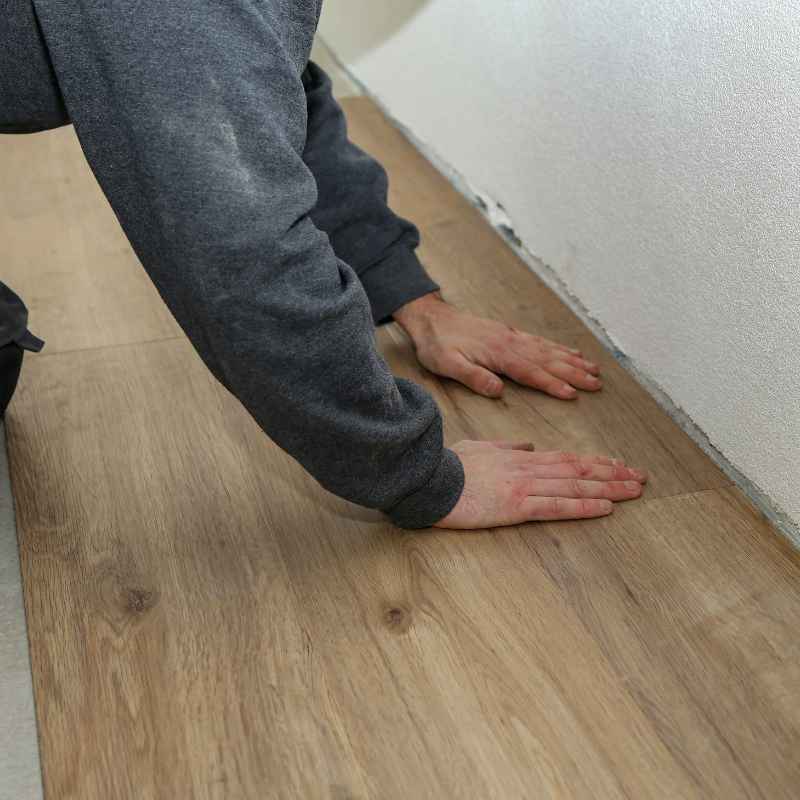
This is a big question for many. Can you install sheet vinyl yourself? The answer is often yes, but it depends.
For small spaces, a single piece might be manageable. But large rolls can be heavy and unwieldy. They are hard to maneuver without help.
DIY Installation:
- Pros: Saves money on labor. You have full control over the process.
- Cons: Can be physically demanding. Requires precise cutting. Mistakes can be costly and visible. Need proper tools (utility knife, straight edge, flooring roller).
Professional Installation:
- Pros: Done by experts. Guarantees a cleaner, more durable install. Less stress for you.
- Cons: Adds to the overall cost.
For me, if it’s a large area or a complex room shape, I lean towards professional installation. It’s worth the investment to get it done right. Especially if you’re using a more expensive vinyl.
If you’re tackling it yourself, watch lots of videos. Take your time. Measure twice, cut once.
The subfloor needs to be clean and smooth. Any bumps or holes will show through the vinyl. Sometimes a thin layer of underlayment is recommended.
This adds cushioning and helps smooth minor subfloor imperfections. Always check the manufacturer’s installation guide. They know their product best.
DIY Sheet Vinyl Checklist
Tools: Measuring tape, utility knife with extra blades, straight edge, chalk line, flooring roller (heavy).
Materials: Vinyl flooring, appropriate adhesive (if needed), possibly underlayment.
Prep: Clean, dry, smooth subfloor. Remove baseboards if possible.
Tips: Allow vinyl to acclimate to room temperature. Cut slightly large first, then trim to fit. Use a sharp blade for clean cuts.
Maintenance and Care for Vinyl Rolls
One of the best parts about vinyl sheet flooring is its easy care. It’s very low maintenance. This is a huge plus for busy families.
You don’t need special cleaners or techniques.
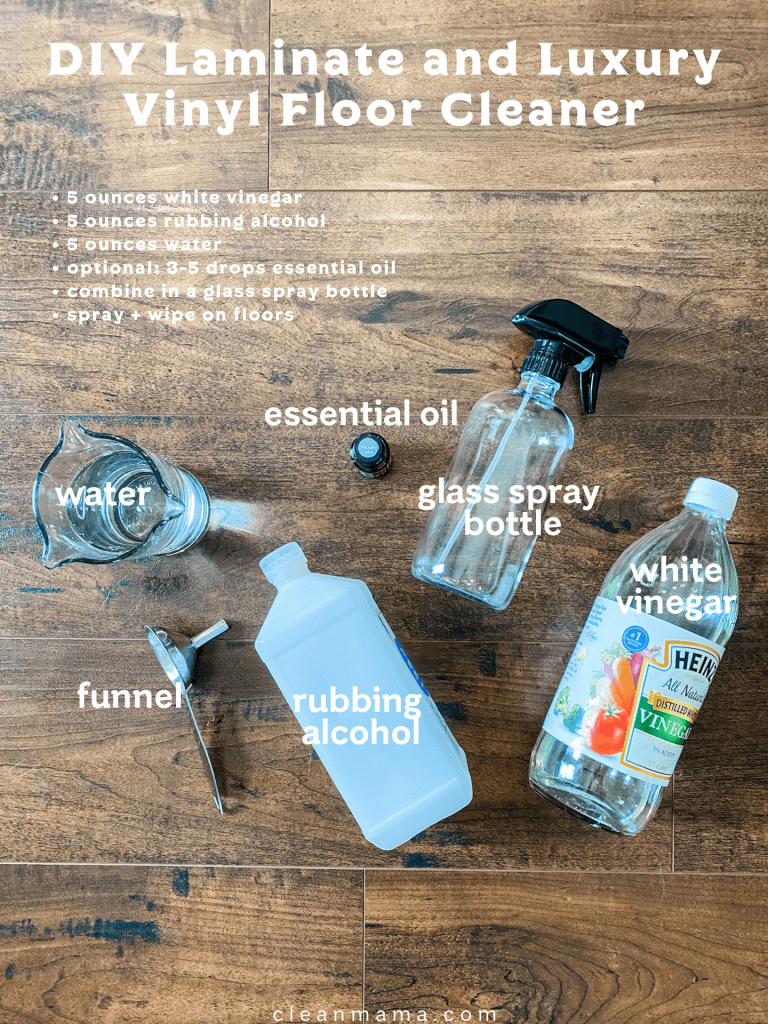
Regular sweeping or vacuuming will keep dirt and grit from scratching the surface. For spills, just wipe them up with a damp cloth. Use a mild soap and water solution for tougher spots.
Avoid harsh chemicals or abrasive cleaners. These can dull the finish or damage the wear layer over time.
Never use wax-based cleaners or polishes. Vinyl doesn’t need them. They can make the floor slippery and build up residue.
Just stick to plain water or a pH-neutral floor cleaner. Most manufacturers will have specific cleaning recommendations. It’s good to check those out.
Protect your vinyl from direct, prolonged sunlight. This can cause fading over time. Use curtains or blinds.
Also, use furniture pads under heavy items. This prevents dents and scratches. Things like chair legs, table legs, and appliance feet should have protectors.
When to Worry: Red Flags in Your Vinyl Floor
While vinyl is tough, it’s not indestructible. There are signs that your floor might be having an issue. Or that it’s nearing the end of its life.
Bubbling or lifting: This usually means moisture got underneath. Or the adhesive failed. It’s a sign that water resistance is compromised.
You might need to repair it or consider replacement if it’s widespread.
Deep scratches or gouges: If something heavy was dropped or dragged, it can cut through the wear layer. Small scratches can sometimes be buffed out. Deeper ones are harder to fix.
Fading: Prolonged sun exposure or harsh cleaners can cause colors to lighten. This is usually permanent.
Cracking: While rare in good quality vinyl, very old or damaged vinyl can crack. This is often due to poor installation, extreme temperature changes, or just age.
If you see these issues, assess the extent. Minor issues in one spot might be repairable. But widespread damage might mean it’s time for a new floor.
It’s important to remember that vinyl flooring has a lifespan. Even the best products will eventually show wear.
Signs Your Vinyl Needs Attention
Surface Issues: Scratches, dents, tears, or bubbles.
Color Changes: Fading or discoloration.
Edge Problems: Lifting or curling at the seams or walls.
Feel Underfoot: If it feels uneven or very soft in spots, there might be damage below.
Choosing the Best Vinyl Floor Covering Rolls for Your Budget
So, how do you pick the absolute best for your budget and needs? It’s a balance.
For the Tightest Budget: Look for sales or clearance items. Focus on basic wood or tile looks. Prioritize a wear layer of at least 6 mils.
Understand these might not last as long. They are great for rentals or quick updates.
For the Best Value: Aim for mid-range vinyl ($1.00-$2.50/sq ft). Look for wear layers of 8-12 mils. Choose realistic wood or stone looks.
Check warranties. This is where you get the most bang for your buck.
For Maximum Durability: Invest in higher-end vinyl. Look for 12+ mil wear layers, often 20 mils. Consider brands known for quality.
These might cost more upfront but will last longer and resist damage better.
Always check reviews for specific products. What do other homeowners say about its durability and ease of installation? Don’t be afraid to ask store staff for recommendations based on your needs.
The Bottom Line on Vinyl Rolls
Vinyl floor covering rolls are a fantastic option for many homes. They offer a wide range of styles, great durability, and water resistance. They do this at a price that’s accessible to most budgets.
When shopping, focus on the wear layer. This is your best indicator of longevity. Understand the different types of backing.
And don’t underestimate the power of realistic printing and texture for achieving a high-end look.
Whether you’re on a shoestring budget or looking for a premium upgrade, there’s a vinyl roll out there for you. With a little research and attention to key features, you can find a beautiful, practical floor that you’ll love for years to come. It’s about finding that perfect blend of looks, performance, and price.
Frequently Asked Questions About Vinyl Floor Rolls
What is the difference between sheet vinyl and luxury vinyl plank (LVP)?
Sheet vinyl comes in large rolls with fewer seams, making it very water-resistant. LVP comes in planks that click together, offering highly realistic wood or stone looks but with more seams.
How long does vinyl floor covering typically last?
With proper care and a good wear layer, residential vinyl flooring can last 10-20 years or even longer. Thicker wear layers and less traffic increase lifespan.
Can I install vinyl floor rolls over existing flooring?
Generally, yes, if the existing floor is smooth, level, and in good condition. Vinyl can often be laid over old vinyl, tile, or linoleum. However, it’s best to check the manufacturer’s guidelines.
Is sheet vinyl slippery?
Most modern sheet vinyl has a matte finish and some texture, making it less slippery than older glossy options. However, any wet floor can be slippery. Avoid wax-based polishes.
How do I repair a tear or hole in sheet vinyl?
Small tears or holes can sometimes be repaired with vinyl repair kits or by carefully cutting out the damaged section and inserting a patch using strong adhesive. For larger damage, replacement might be necessary.
What is the best wear layer thickness for a kitchen?
For a kitchen, aim for a wear layer of at least 10-12 mils. This thickness provides good protection against spills, dropped items, and heavy foot traffic common in kitchens.
Are vinyl floor rolls good for basements?
Yes, vinyl floor rolls are an excellent choice for basements because they are water-resistant, which is important in potentially damp environments. Ensure the subfloor is dry and properly prepped.