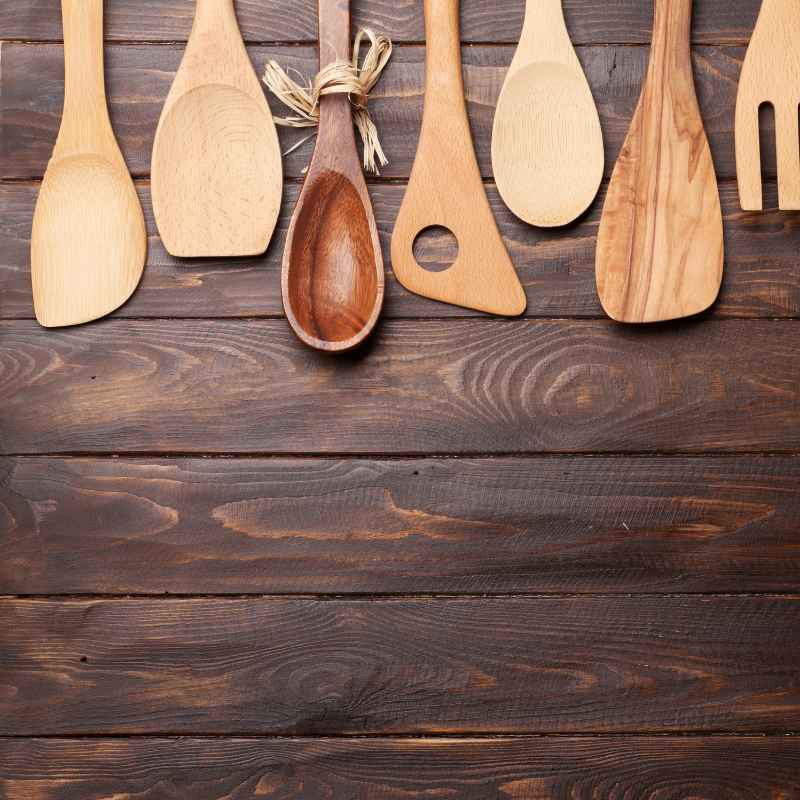
Teak Wood Cooking Utensils: Are They Safe And Long Lasting?
Teak wood cooking utensils are generally safe and can be very long-lasting if cared for properly. They offer natural benefits like being gentle on cookware and having antimicrobial properties. However, proper maintenance is key to ensuring both their safety and durability in your kitchen. Related: how to remove stains from teak furniture.
Understanding Teak Wood for Your Kitchen
Teak is a type of hardwood. It comes from trees that grow in tropical regions. People have used teak for a very long time.
It’s known for being strong and durable. This is why it’s often used for outdoor furniture and boat building. It can handle weather well.
For cooking, teak wood offers some nice qualities. It’s a dense wood. This means it doesn’t soak up liquids easily.
This can be good for hygiene. It’s also naturally a bit oily. This oil helps protect the wood.
It can also make it resist moisture and staining.
When you see teak cooking tools, they often have a warm, rich color. This makes them look very appealing on a kitchen counter. Many people choose them for their beauty as much as their function.
The smooth finish feels nice in your hand.
But with any material that touches your food, you want to be sure. Is it safe? Does it leach anything into your meals?
That’s a common worry for many home cooks. We all want to feed our families healthy food.
Another big question is about how long these tools will last. Are they a good investment? Or will they crack and warp after a few months?
Understanding the wood’s nature helps answer these questions. It also guides how you should care for them.
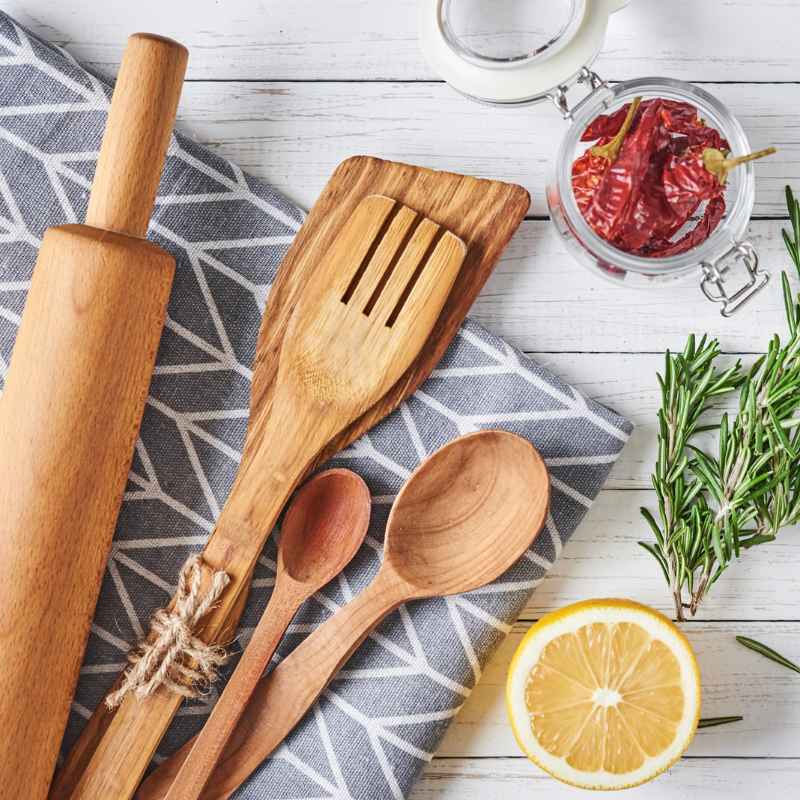
My Own Teak Utensil Story
I remember the first time I bought a set of teak spatulas. I was trying to get away from plastic. My old plastic ones seemed to be getting scratched.
I worried about what might be wearing off into my food. I saw these beautiful teak spoons and spatulas at a local market. They felt so solid.
The shopkeeper said they were great for non-stick pans. I felt good about the purchase. I imagined them looking lovely in my kitchen drawer.
I couldn’t wait to use them. They really did look stunning. I used one to stir a sauce.
It was smooth and didn’t scratch the pot. It felt good in my hand. Then I washed it.
I put it away. But after a few weeks, I noticed one spoon had a small crack. I was so disappointed.
I thought they were supposed to be super durable. Was I doing something wrong? I started to do some digging.
I learned that even teak needs a little bit of love.
Teak Wood: Natural Goodness
Gentle on Cookware: Teak is soft enough not to scratch your pots and pans. This is great for non-stick surfaces.
Antimicrobial Traits: Teak has natural oils. These oils can help stop bacteria from growing.
Beautiful Look: The wood has a rich color. It adds a warm, natural touch to your kitchen.
Food Safe: When treated well, teak is safe for cooking. It doesn’t add weird tastes to your food.
Are Teak Wood Cooking Utensils Safe?
This is the big question for many. The short answer is yes, teak wood cooking utensils are generally very safe. There are a few reasons for this.
First, teak wood is dense. This means it has fewer pores. Fewer pores mean less space for bacteria to hide.
This is a natural advantage. Unlike some porous woods, teak doesn’t absorb liquids as much. This helps prevent things from seeping into the wood.
It also means it’s less likely to stain from foods like tomato sauce.
Second, teak wood naturally contains oils. These oils are what give teak its water-resistant qualities. They also help make it resistant to decay.
These natural oils are not harmful to humans. They are part of what makes the wood a good material for things that touch food.
Third, most teak utensils are finished with food-safe oils. Manufacturers often treat them with mineral oil or beeswax. These are safe for contact with food.
They help keep the wood from drying out. They also give it a nice sheen.
You won’t typically find teak utensils treated with harsh chemicals. If you did, that would be a concern. But reputable brands make sure their products are safe for kitchen use.
Always check product descriptions. Look for mentions of food-grade finishes.
The main thing to remember is that wood is a natural material. It needs care. If it’s not cared for, it can dry out.
It can develop cracks. In cracks, food particles can get stuck. This can then become a place for bacteria to grow.
So, while the wood itself is safe, its condition matters.
What to Look for in Safe Teak Utensils
- Unfinished Wood: Some people prefer completely unfinished teak. Others like it oiled. Both are fine if the oil is food-safe.
- No Splinters: The surface should be smooth. You should not see any rough spots or potential splinters.
- Food-Grade Finish: Manufacturers should mention using food-safe oils or finishes.
- No Strange Smells: The utensil should not have a chemical or unpleasant odor.
Think about other wood items you use. Wooden cutting boards are common. They are safe too, with proper cleaning.
Teak is similar, but often even better because of its density and oils.
In summary, for safety, choose well-made teak utensils. Treat them with care. Avoid harsh detergents or soaking them.
This will help them stay safe and hygienic for a long time. Your meals will be cooked with peace of mind.
How Long Do Teak Wood Utensils Really Last?
The lifespan of teak wood cooking utensils is impressive. But it’s not magic. It depends a lot on how you use them and how you care for them.
If you treat them right, they can last for many, many years. Some people even pass them down.
When I talk about “many years,” I mean like 5, 10, or even 20 years. This is a far cry from plastic utensils that might need replacing every year or two. Or bamboo utensils that can splinter more easily.
What makes them last so long? It goes back to the wood’s natural properties. Teak is very durable.
It resists rot and insect damage. This is why it’s used outdoors for so long. It can handle moisture better than many other woods.
However, there are things that can shorten their life. The biggest enemy of wooden utensils is prolonged exposure to water. Leaving them to soak in the sink is bad.
Putting them in the dishwasher is also a big no-no. The high heat and constant moisture can cause the wood to swell. Then it shrinks.
This leads to cracks and warping.
Harsh soaps can strip away the natural oils. This can make the wood dry and brittle. Over time, this leads to breakage.
If the wood gets too dry, it can start to look dull. It might even feel rough.
But here’s the good news: you can easily prevent these problems. Regular conditioning is key. Just like you might oil a leather bag, you need to oil your teak utensils.
This keeps the wood moisturized. It also protects it from drying out and cracking. A simple food-grade mineral oil works wonders.
If you do notice a crack forming, don’t panic. You can often fix small cracks. Sometimes a bit of wood glue and a good sanding can help.
But it’s best to prevent them from happening in the first place.
Teak Lifespan Factors:
Usage: Frequent use can wear down the surface over time.
Care: Proper cleaning and conditioning are vital.
Dishwasher: Never put teak in the dishwasher. This is the fastest way to ruin them.
Soaking: Avoid leaving them in water for long periods.
Drying: Air drying is best. Ensure they are fully dry before storing.
So, while they aren’t indestructible, teak utensils are built to last. They are an investment. If you buy good quality ones and take care of them, they will serve you faithfully for years.
You get a beautiful tool that performs well. You also avoid adding more plastic to landfills. That’s a win-win in my book.
Why Choose Teak Wood Over Other Materials?
There are many materials available for kitchen tools. You have metal, plastic, silicone, bamboo, and various types of wood. Why might someone pick teak specifically?
One of the main reasons is the gentle nature of teak. Many modern cookware surfaces are non-stick. Metal utensils can easily scratch these coatings.
This ruins the pan and can also send tiny particles of the coating into your food. Teak, being a hardwood but still softer than metal, won’t scratch non-stick surfaces. It won’t scratch ceramic or enameled cast iron either.
Then there’s the heat resistance. While you shouldn’t leave any utensil sitting in a hot pan for too long, wood generally handles heat better than plastic. Plastic can melt.
Silicone can get very hot to the touch. Wood stays cooler for longer. This is a practical benefit when you’re busy in the kitchen.
The hygiene factor is also a big plus. As we touched on, teak has natural oils that help prevent bacterial growth. While no surface is perfectly sterile, teak performs well.
Its density means fewer places for germs to hide compared to some other woods. Regular cleaning and oiling help maintain this.
Let’s talk about sustainability. Teak is a hardwood. It grows slower than bamboo.
However, many teak products come from sustainably managed forests. These forests are carefully replanted. This ensures that the trees are harvested responsibly.
Choosing sustainably sourced teak can be an environmentally friendly choice. It’s often better than choosing plastic made from fossil fuels.
And, of course, there’s the aesthetic appeal. Teak wood is simply beautiful. It has a rich, warm tone that many people find inviting.
It adds a touch of natural elegance to any kitchen. A nicely finished teak spoon can be a pleasure to use. It makes the everyday task of cooking feel a bit more special.
Compared to bamboo, teak is generally more durable. Bamboo can be good, but it’s lighter and can splinter more easily. Some bamboo products are made from compressed bamboo fibers, which can sometimes use glues.
Teak is a solid piece of wood.
Compared to plastic, teak is more eco-friendly. It’s biodegradable. It doesn’t rely on petroleum.
It’s also safer regarding heat. It doesn’t leach chemicals like some plastics can.
Compared to metal, teak is much gentler on cookware. Metal is also very conductive of heat. A metal utensil left in a hot pan can become too hot to touch.
Teak avoids these issues.
So, if you value gentle cookware care, natural hygiene, sustainability, and a beautiful look, teak wood utensils are a fantastic choice. They offer a blend of performance and natural charm.
Quick Comparison: Teak vs. Other Materials
Teak Wood
- Pros: Gentle, durable, attractive, naturally antimicrobial, heat resistant.
- Cons: Requires oiling, can crack if not cared for, not dishwasher safe.
Plastic
- Pros: Inexpensive, lightweight, many colors.
- Cons: Scratches easily, can melt, potential chemical leaching, less eco-friendly.
Silicone
- Pros: Heat resistant, flexible, non-stick friendly.
- Cons: Can feel flimsy, might retain odors, not as natural.
Stainless Steel
- Pros: Very durable, easy to clean, doesn’t stain.
- Cons: Can scratch non-stick pans, conducts heat.
Caring for Your Teak Wood Utensils
Proper care is the secret to making your teak utensils last and stay safe. It’s not difficult. It just requires a few simple habits.
Think of it like taking care of a nice wooden cutting board or a piece of quality furniture.
The absolute most important rule: Never put teak utensils in the dishwasher. Seriously. The dishwasher is the enemy of wood. The hot water and detergent will strip the oils.
The cycle of washing and drying will cause the wood to expand and contract rapidly. This leads to cracks, warping, and a dull finish. Hand wash them only.
When you hand wash, use warm water and a mild dish soap. Use a soft sponge or cloth. Scrub gently.
You don’t need anything harsh. The goal is to remove food particles, not to scrub the life out of the wood.
After washing, do not let them soak in the sink or a basin of water. Get them out of the water as soon as you’re done washing. Towel dry them immediately.
Make sure they are as dry as possible before you let them air dry completely. You can stand them up in a utensil holder to let them dry evenly.
One of the most beneficial steps you can take is oiling your teak utensils. This is often called “conditioning.” It replenishes the natural oils in the wood. It keeps the wood from drying out.
Dry wood becomes brittle. It’s more likely to crack. It also looks dull and lifeless.
How often should you oil them? It depends on how often you use them and your climate. If you live in a dry climate, you might need to oil them more often.
A good rule of thumb is to oil them every 1 to 3 months. You can tell they need oiling if the wood looks dry, dull, or feels rough. Or if water stops beading on the surface.
What kind of oil should you use? The best choice is a food-grade mineral oil. You can buy this at most drugstores or supermarkets.
Some people use coconut oil or walnut oil. However, these can go rancid over time. Mineral oil is stable and won’t spoil.
Some specialty cutting board oils also contain beeswax. This adds extra protection. Avoid vegetable oils like olive oil.
They can go rancid.
To oil them, simply pour a small amount of oil onto a clean cloth. Rub the oil all over the utensil. Make sure to cover every surface, including the handle.
Let the oil soak in for at least 30 minutes. For a deeper conditioning, you can let it sit for a few hours or even overnight. Wipe off any excess oil with a clean cloth.
If your utensils start to look a bit worn or have minor stains, you can often revive them. You can lightly sand them with fine-grit sandpaper. Then, re-oil them.
This will make them look almost new again.
Daily & Monthly Teak Care
Daily Care:
- Wash: Hand wash with warm water and mild soap.
- Dry: Towel dry immediately after washing.
- Store: Air dry completely before storing.
Monthly Care (or as needed):
- Oil: Apply food-grade mineral oil to condition the wood.
- Buff: Wipe off excess oil after soaking.
By following these simple steps, you’ll ensure your teak wood cooking utensils remain beautiful, functional, and safe for years to come. It’s a small amount of effort for a tool that brings so much to your cooking experience.
Real-World Teak Utensil Scenarios
Let’s picture teak wood utensils in action. How do they perform in different kitchen settings? What kind of cooking habits suit them best?
Scenario 1: The Busy Weeknight Stir-Fry
You’re making a quick stir-fry. The wok is hot. You’re tossing vegetables and sauce.
A teak spatula is perfect here. It’s sturdy enough to handle the tossing. It won’t scratch the wok’s surface.
The handle stays cool enough to hold comfortably. After cooking, you rinse the spatula. You dry it with a towel.
It’s ready for the next meal. The wood doesn’t absorb strong smells from the garlic or soy sauce.
Scenario 2: Baking a Cake
You’re mixing cake batter. A teak mixing spoon is great for this. It’s smooth.
It scrapes the sides of the bowl well. It doesn’t overmix the batter. The natural oils in the wood help prevent the batter from sticking too much.
After baking, you wash the spoon. It looks as good as new. It doesn’t have any lingering flour smell.
Scenario 3: Simmering a Delicate Sauce
You’re making a creamy pasta sauce. It needs to simmer gently. A teak spoon is ideal.
It allows you to stir without breaking down the sauce’s texture. Its smooth surface ensures even stirring. It won’t create unwanted air bubbles.
The natural color of the teak doesn’t bleed into the white sauce. This is something that can happen with cheaper woods or poorly made dyes.
Scenario 4: Serving a Salad
A set of teak salad servers can make your meal look elegant. They are easy to grip. They are lightweight.
They don’t make a clinking sound like metal servers. They present the salad beautifully. After the meal, a quick wash is all they need.
What about different kitchen designs?
Teak wood fits well in many kitchen styles. It looks great in rustic kitchens. It adds warmth to modern kitchens.
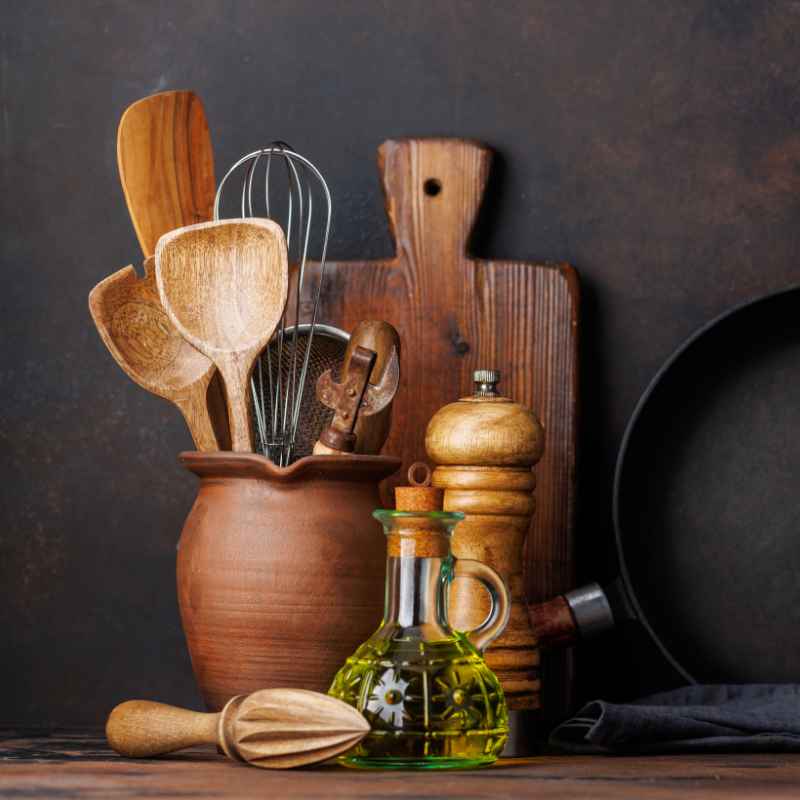
It complements farmhouse styles. Its natural beauty makes it a statement piece, even when just sitting in a jar.
User behavior and teak:
People who appreciate natural materials often love teak. Those who are conscious about avoiding plastics also gravitate towards it. Home cooks who take pride in their tools and their appearance will find teak rewarding.
It encourages a more mindful approach to cooking.
The key is consistency in care. If you’re someone who is used to throwing everything in the dishwasher, teak might be a challenge at first. But the rewards of having durable, beautiful, and safe tools are worth the small change in habit.
Think about it: a few extra seconds to wash and dry by hand versus replacing utensils frequently.
The materials used in your kitchen should enhance your cooking. Teak wood utensils do this by being functional, safe, and aesthetically pleasing. They turn a chore into a more enjoyable experience.
When Teak Utensils are Normal vs. Concerning
It’s helpful to know what’s typical for teak utensils and when something might be a sign of a problem. This helps you maintain them correctly and ensures they remain safe.
Normal Signs for Teak Utensils:
- Slight Color Variation: Teak wood is natural. There will be slight variations in color and grain from one utensil to another. This is normal and a sign of authenticity.
- Minor Changes in Feel: After frequent use, the surface might feel a bit smoother or softer. This is just the wood aging.
- Needs Oiling: If the wood looks dull or feels dry, it’s normal for it to need a conditioning oil treatment. This is a sign you’re using them, which is good!
- Absorption of Light Stains: While teak is resistant, very strong pigments (like from beets or turmeric) might leave a very faint temporary stain. This usually fades with washing or time.
- Aged Appearance: Over many years, the color might deepen or change slightly. This is patina and is desirable for many people.
Concerning Signs for Teak Utensils:
- Deep Cracks or Splitting: If you see large cracks, especially deep ones that go through the utensil, this is a concern. It means the wood has dried out too much. It could also be a sign of impact damage. These cracks can harbor bacteria.
- Warping: If a utensil is significantly bent or twisted, it’s warped. This often happens from improper drying or dishwasher use. Warped utensils are hard to use and can be a hygiene risk if they don’t lie flat.
- Mildew or Mold: If you notice fuzzy green, black, or white spots, this is mold or mildew. It means the utensil has been stored while still damp. This is a hygiene issue and the utensil should be discarded.
- Strong Chemical Smells: If the utensil smells strongly of chemicals, it might have been treated with something unsafe. This is rare with quality products but can happen with very cheap items.
- Loose Parts: If the handle is loose or the utensil head is wobbly, it’s a safety concern. It could break during use.
- Excessive Roughness or Splinters: While some wear is normal, if the surface becomes very rough or you can easily get splinters, it’s a sign of degradation.
What to do if you see concerning signs:
If you see deep cracks, warping, mold, or loose parts, it’s usually best to replace the utensil. These issues compromise its safety and function. Trying to repair deep cracks might not be effective and could hide problems.
For minor dryness, just oiling it well usually solves the issue. If you’re unsure, it’s always better to err on the side of caution for anything that touches your food.
Remember, these tools are meant to serve you. If they start to cause worry instead of joy, it might be time for a change. But with good care, these concerning signs should be rare.
Quick Tips for Using and Storing Teak
Here are some quick, actionable tips to get the most out of your teak wood cooking utensils:
- Use the Right Spoon for the Job: While teak is versatile, use a flatter spatula for scraping and a round spoon for stirring and serving.
- Don’t Leave Them in Hot Pans: Even though wood handles heat well, prolonged exposure to very high heat can still dry it out or cause discoloration.
- Rotate Your Utensils: If you have many teak utensils, try to use them all. This distributes wear and tear more evenly.
- Store Them Upright: If you keep them in a jar or holder, store them upright. This allows air to circulate around them and helps them dry fully.
- Avoid Storing Near Heat Sources: Don’t keep your teak utensils right next to the stove or oven. Constant high heat can dry them out.
- Clean Stains Promptly: If you spill something colorful on them, try to wash them soon after.
- Check Them Before Use: A quick glance to ensure there are no new cracks or worrying spots is always a good idea.
Frequently Asked Questions About Teak Wood Utensils
Are teak wood spoons safe for babies and toddlers?
Yes, teak wood spoons are generally safe for babies and toddlers. Their natural, smooth surface is gentle on delicate gums. The wood is dense and less likely to harbor bacteria than other materials if cared for properly.
Always ensure the spoon is well-maintained and free of cracks. Using food-grade mineral oil for conditioning is safe.
Can I use teak wood utensils on cast iron pans?
Absolutely. Teak wood is an excellent choice for cast iron pans. It’s durable enough for scraping bits from the bottom of the pan.
It’s also gentle enough not to scratch the seasoning of your cast iron. Your cast iron will thank you for not using metal utensils that could damage its protective layer.
How do I remove stubborn stains from teak wood cooking tools?
For stubborn stains, you can try making a paste of baking soda and water. Gently rub the paste onto the stain with a soft cloth. Let it sit for a few minutes, then rinse and dry.
If the stain is very deep, you might need to very lightly sand the area with fine-grit sandpaper and then re-oil the utensil. However, if stains persist or are deep, it might be a sign the wood is too porous.
Is teak wood better than bamboo for cooking utensils?
Teak is often considered more durable and less prone to splintering than bamboo. Teak’s natural oils also contribute to its resistance to moisture and bacteria. Bamboo is a fast-growing renewable resource, which is a plus.
However, for longevity and a more robust feel, many people prefer teak.
What if my teak utensil starts to smell weird?
A weird smell can indicate bacteria growth or that the wood is starting to go bad. If it smells rancid, it might be the oil used. If it smells musty or sour, it could be mold.
In either case, it’s best to discard the utensil. Ensure you are washing and drying it thoroughly. Re-oiling with fresh, food-grade mineral oil can sometimes help with a slight “off” smell if it’s due for conditioning.
Do I need to oil my teak utensils even if they look fine?
Yes, it’s a good idea to oil them as a preventive measure. Even if they look fine, the wood can lose moisture over time, especially in dry environments. Regular oiling keeps the wood supple, prevents cracking, and maintains its natural beauty.
Think of it like moisturizing your skin; it keeps it healthy long-term.
The Lasting Charm of Teak Wood
Teak wood cooking utensils offer a wonderful combination of beauty, function, and natural safety. They are built to last, but they require a little respect and care. By understanding their properties and following simple maintenance steps, you can ensure they remain cherished tools in your kitchen for many years.
They bring a touch of nature’s elegance to your cooking.