Vinyl Flooring Cherry Wood Look: Top Picks And Where To Buy
Picking the right floor can feel like a big puzzle. You want something that looks good, feels nice, and doesn’t break the bank. When you see that beautiful cherry wood look, it’s easy to fall in love.
But then you wonder, is it the best choice for my home? This guide is here to help you figure it all out.
Finding a floor that balances beauty, durability, and cost can be tricky. This guide explores vinyl flooring with a cherry wood look, offering insights on selection, purchase, and maintenance to help you make a confident choice for your home’s comfort and style.
What is Cherry Wood Look Vinyl Flooring?
Cherry wood look vinyl flooring is a popular choice. It mimics the rich, warm tones of real cherry wood. This includes its natural grain patterns and variations.
Vinyl flooring is made from layers of synthetic material. A core layer provides stability. A printed image layer shows the cherry wood design.
A top wear layer protects the floor from damage.
It’s designed to give you the aesthetic appeal of hardwood. But it comes with the practical benefits of vinyl. These benefits include water resistance and easier maintenance.
Many types exist, like Luxury Vinyl Tile (LVT) and Luxury Vinyl Plank (LVP). LVP often comes in long planks. LVT can come in tiles or planks.
The “cherry wood look” itself is diverse. Cherry wood varies naturally. Some types are a lighter red-brown.
Others deepen to a darker, richer hue. Manufacturers capture this range. You can find vinyl that shows light cherry tones.
You can also find darker, almost mahogany-like cherry styles.
My Own Cherry Wood Vinyl Flooring Surprise
I remember a project a few years back. A client wanted a cozy, traditional feel for her family room. She loved the look of cherry hardwood but worried about kids and pets.
We looked at real wood, but the cost and maintenance seemed daunting for her. Then I showed her some vinyl flooring cherry wood look options.
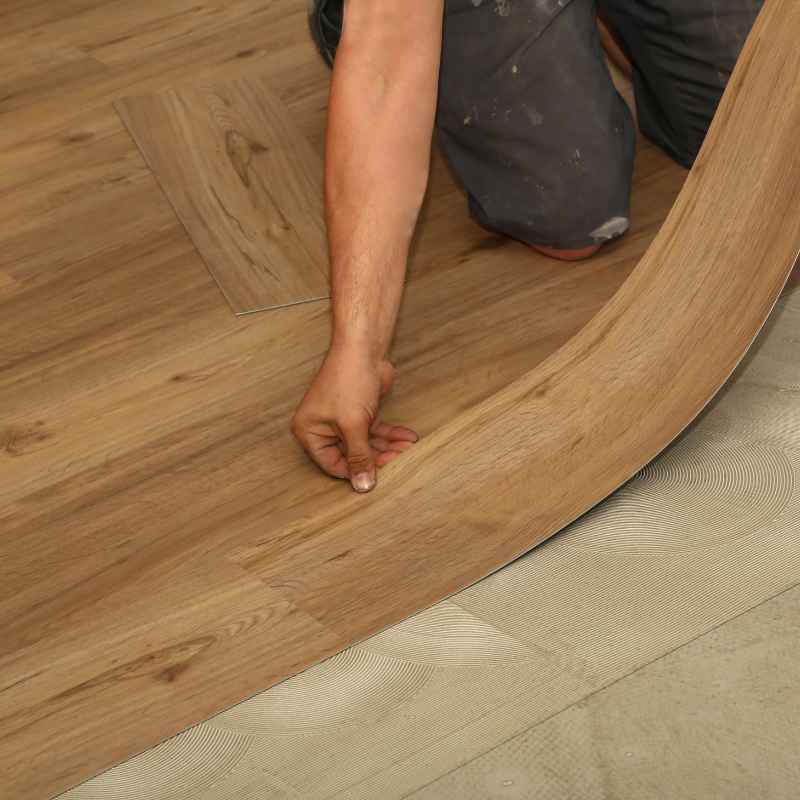
She was skeptical at first. She thought vinyl would look cheap. But when we unrolled a few samples, her eyes widened.
One plank had this incredible depth. It had the warm red tones she adored. The grain looked so real.
I could see the shift in her thinking. It wasn’t just about mimicking. It was about capturing the feeling of cherry wood.
The final install transformed her room. It felt warm and inviting. Sunlight hit the floor, and it glowed.
She told me later that friends couldn’t believe it wasn’t real wood. That moment taught me a lot. It showed me how far vinyl technology has come.
It’s not just a budget alternative anymore. It’s a smart, beautiful flooring solution.
Why Choose Cherry Wood Look Vinyl?
There are many good reasons to pick this type of flooring. Let’s break them down. It’s about more than just looks.
It’s about how it fits into your life.
Key Benefits at a Glance
Looks Great: Mimics real cherry wood well. Offers warm, inviting colors.
Durable: Stands up to daily wear and tear. Resists scratches and dents.
Water-Resistant: Great for kitchens, bathrooms, and basements. Spills clean up easily.
Easy Care: Simple to sweep and mop. No special cleaners needed.
Affordable: Costs less than real hardwood. Gives a high-end look for less.
Comfortable: Vinyl can feel warmer underfoot than tile. Some have foam backing.
Think about a busy household. Kids running around. Pets with claws.
Spills happen. Real hardwood can be easily damaged. Cherry wood, while beautiful, can scratch and dent.
Vinyl offers a shield against these daily mishaps. Its wear layer is tough.
Consider moisture. Bathrooms and kitchens are prone to splashes. Basements can sometimes get damp.
Real wood can warp and buckle with too much water. Many vinyl floors are waterproof or highly water-resistant. This makes them a safer bet for these areas.
The cost factor is also huge. Beautiful cherry hardwood can be very expensive. Vinyl flooring with a cherry wood look offers a similar style for a fraction of the price.
This frees up budget for other home improvements. Or it simply makes your dream floor attainable.
Exploring Different Types of Vinyl Flooring
Not all vinyl is created equal. Knowing the types helps you choose the best fit. Most options for a cherry wood look fall into a few main categories.
These are LVT and LVP.
Luxury Vinyl Plank (LVP) vs. Luxury Vinyl Tile (LVT)
LVP:
- Comes in long, narrow planks.
- Designed to look like hardwood.
- Often features a click-lock or glue-down installation.
LVT:
- Can come as tiles or planks.
- Mimics both hardwood and stone looks.
- Installation methods are similar to LVP.
When you look for cherry wood vinyl planks, you are mostly looking at LVP. This format really sells the hardwood illusion. The planks are wide and long.
They often have textured surfaces. This texture can feel like real wood grain. The edges might be beveled.
This gives a realistic separation between planks.
Some LVP is called “rigid core.” This means it has a very dense, stable core. It’s less likely to show subfloor imperfections. It’s also very strong.
Other LVP is more flexible. The installation method can also vary.
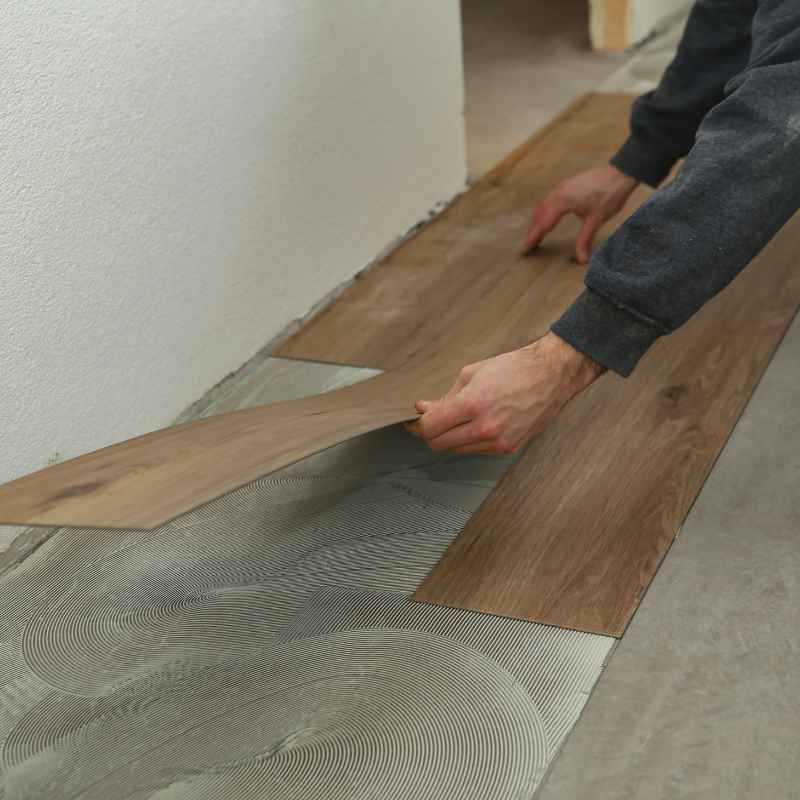
Glue-down vinyl is popular for commercial use. It’s very secure. For homes, click-lock vinyl is more common.
It snaps together easily. This makes it a favorite for DIY projects. You might also see peel-and-stick vinyl.
This is the simplest to install. But it might not be as durable as other types.
The core composition also matters. Some vinyl has a limestone composite core. Others use PVC.
Each has its pros. Limestone cores are very rigid and stable. PVC cores can be lighter and more flexible.
Factors to Consider When Buying
Buying flooring is an investment. You want to make sure you get the best value. Here’s what to think about.
Buying Checklist
Wear Layer Thickness: Look for 12 mil or thicker for high-traffic areas. This is the protective top coating.
Core Material: Rigid core (SPC or WPC) offers more stability and a better feel.
Waterproof vs. Water-Resistant: Waterproof is best for true spill protection.
Texture and Finish: Does it feel and look like real wood? Check for embossing in register.
Warranty: A longer warranty (20+ years residential) suggests good quality.
Brand Reputation: Stick with known brands for consistent quality and support.
Price Per Square Foot: Compare costs but don’t sacrifice quality for a few dollars.
The wear layer is super important. It’s the shield. A thicker wear layer means more protection.
For a busy home, aim for at least 12 mil. Some premium options go up to 20 mil. This is a significant difference in durability.
Texture is another key detail. Good cherry wood vinyl flooring will have texture. This texture should match the printed grain.
This is called “embossing in register.” It makes the floor feel much more realistic. You can feel the grain under your fingers. Cheap vinyl might look flat.
Think about the subfloor. If your subfloor is uneven, a rigid core vinyl is a better choice. It hides minor flaws better.
It doesn’t need a perfectly smooth surface. This can save you prep work. Glue-down vinyl often requires a very smooth subfloor.
When you are shopping, ask about the warranty. A good residential warranty is 20 years or more. Some even offer lifetime warranties.
This is a sign that the manufacturer stands behind their product. It gives you peace of mind.
Top Brands to Consider
Many companies make great vinyl flooring. Some are known for their innovation and quality. Here are a few brands that often get high marks for their wood-look options.
Featured Brands for Cherry Wood Look Vinyl
Shaw Floors: A well-known brand. They offer a wide range of LVP and LVT. Look for their Floorte collection.
Mannington: Another top name in flooring. Their Adura Max collection is popular for waterproof vinyl.
COREtec: Known for their rigid core technology. They offer many realistic wood visuals.
Mohawk: Offers a variety of styles. Their RevWood Plus line is known for durability and water resistance.
Armstrong Flooring: A historic brand with reliable products. Check their Luxe Plank line.
When exploring these brands, look at their specific collections. They often have lines dedicated to luxury vinyl. You’ll find their interpretations of cherry wood there.
Some brands offer specific cherry shades. Others have broader collections of red-toned woods.
Don’t forget to check reviews. See what other homeowners say about these brands. How did they hold up over time?
Was installation easy? Customer feedback is very valuable. It’s real-world experience.
You can buy from big box stores, local flooring dealers, or online retailers. Each has pros and cons. Local dealers often offer more expert advice.
Online retailers might have better prices. Big box stores offer convenience. Compare options to find the best fit for you.
Understanding Cherry Wood Tones in Flooring
Cherry wood itself is beautiful because of its color. It’s not just one color. It’s a spectrum.
This is what makes it appealing. Vinyl tries to capture this. Understanding the tones helps you pick the right shade for your space.
Cherry Wood Color Spectrum
Light Cherry: Often has a natural, slightly pinkish-brown hue. It feels bright and airy.
Medium Cherry: This is a balanced tone. It’s a richer red-brown. It’s very classic.
Dark Cherry: Deep, intense reds and browns. Can appear almost mahogany-like. Offers a dramatic, sophisticated look.
Honey Cherry: Sometimes has warmer, golden undertones mixed with red.
When you look at vinyl, see if it matches the tone you want. Do you want a vibrant, warm feel? Or something more subdued and elegant?
A light cherry wood look vinyl can brighten a room. A dark cherry wood look vinyl can make a room feel more intimate and cozy.
Consider the light in your home. Natural light can change how colors appear. A room with lots of sun might handle a darker floor well.
A room with less natural light might benefit from a lighter shade. Hold samples up to your walls and windows.
The grain pattern also matters. Real cherry has fine, straight grain. It can also have wavy or figured patterns.
High-quality vinyl will replicate these details. Look closely at the printed image. Does it have variation?
Or does it look repetitive?
Some vinyl might have a subtle sheen. Others are matte. A matte finish often looks more natural.
It reflects less light. A slight satin finish can add a touch of elegance. It depends on the overall style you’re aiming for.
Installation Options for Vinyl Flooring
How the flooring is installed affects its look and durability. There are a few main ways to put down your cherry wood vinyl planks.
Installation Methods
Click-Lock (Floating Floor):
- Planks snap together.
- Lays over existing floor.
- Great for DIYers.
Glue-Down:
- Vinyl is glued directly to the subfloor.
- Very secure and stable.
- Requires a smooth subfloor.
Peel-and-Stick:
- Adhesive on the back.
- Simple to install.
- Best for low-traffic areas.
Click-lock is by far the most popular for homeowners. You don’t need special tools. You can often install it right over your old floor.
Make sure the old floor is clean and flat. This method creates a “floating floor.” It’s not attached to the subfloor.
Glue-down vinyl is very strong. It’s often used in commercial spaces. It creates a solid surface.
If you choose this, make sure your subfloor is perfect. Any bumps or dips will show. It also requires adhesive, which can be messy.
Peel-and-stick is the easiest. You just peel off the backing and stick it down. It’s a good option for small projects.
Or if you want to change the floor often. However, it might not last as long. The adhesive can weaken over time.
When installing, pay attention to expansion gaps. Especially with click-lock floors. These gaps allow the floor to expand and contract with temperature changes.
They are usually hidden by baseboards. Check the manufacturer’s specific instructions.
If you’re not comfortable with DIY, hire a professional installer. They have the tools and experience. They can ensure the floor is laid perfectly.
This will help it last longer and look better. Get a few quotes to compare prices.
Caring for Your Cherry Wood Vinyl Floor
One of the best things about vinyl is how easy it is to care for. You don’t need special tools or fancy cleaners. Simple, regular maintenance keeps it looking great.
Daily & Weekly Cleaning Tips
Sweep or Vacuum Regularly: Use a soft broom or a vacuum with a hard floor attachment. This removes grit that can scratch.
Wipe Up Spills Quickly: Use a damp cloth or mop. Vinyl is water-resistant, but don’t let water sit for long periods.
Use Mild Cleaners: A pH-neutral cleaner or a mixture of water and a little vinegar is usually fine. Avoid harsh chemicals.
Use Furniture Pads: Put felt pads under table legs and furniture feet. This prevents scratches.
Use Doormats: Place mats at entrances to catch dirt and moisture before it gets tracked onto the floor.
Avoid abrasive cleaners. Things like steel wool or scouring pads can damage the wear layer. Also, avoid waxes or polishes.
These can build up and make the floor look dull. Vinyl has its own protective finish. You don’t need to add more.
For tough spots, like mud or sticky messes, a little extra effort might be needed. Use a damp cloth with a mild cleaner. Work in small circles.
Wipe clean with plain water afterward. Always test any cleaner in an inconspicuous spot first.
If you notice deep scratches, unfortunately, they are hard to fix on vinyl. Unlike wood, you can’t sand and refinish it. This is where the wear layer quality matters most.
A thicker wear layer is more resistant to scratches in the first place.
Some people use steam mops. Check your manufacturer’s guidelines. High heat from steam mops can sometimes damage the adhesive or the vinyl itself.
It’s usually safer to stick with a damp mop.
When Is It Normal vs. Concerning?
Like any flooring, vinyl can show signs of wear. Knowing what’s normal helps you avoid unnecessary worry.
Normal vs. Concerning Signs
Normal:
- Slight color variations between planks (adds realism).
- Minor scuffs that wipe away easily.
- A faint sheen in certain light.
Concerning:
- Buckling or lifting edges (may indicate moisture or installation issue).
- Deep gouges or permanent scratches.
- Discoloration that doesn’t wipe off (could be from chemicals).
- Loose or peeling seams.
Slight variations in color are expected. It mimics natural wood. Don’t worry if one plank looks slightly different from another.
This is a sign of good design.
If you see buckling, it’s a bigger issue. This often happens if the floor wasn’t installed correctly. Or if there was prolonged exposure to moisture under the planks.
It’s best to contact the installer or manufacturer.
Permanent scratches mean the wear layer has been breached. This is why choosing a thicker wear layer is so important. For deep scratches, you might need to replace the plank.
Some click-lock systems allow for individual plank replacement.
Discoloration from chemicals is also a concern. It means the protective layer was affected. Always use recommended cleaners.
Avoid anything too harsh.
Where to Buy Cherry Wood Look Vinyl
You have several options when you’re ready to buy your vinyl flooring cherry wood look. Each place offers a different shopping experience.
Shopping Locations
Local Flooring Stores:
- Personalized advice.
- See samples in person.
- Professional installation services.
Big Box Retailers (Home Depot, Lowe’s):
- Wide selection.
- Competitive prices.
- Convenient locations.
Online Retailers:
- Largest selection.
- Potential for lower prices.
- Samples may be available.
- Read reviews carefully.
Visiting local flooring stores is often the best starting point. You can see and touch the materials. Experts can answer your questions.
They can also help you measure your space accurately. And suggest the best products for your needs.
Big box stores offer convenience. You can often find deals there. They have a good variety of popular brands.
If you know exactly what you want, this can be a quick option.
Online shopping offers the widest selection. You can compare many brands and styles easily. Many online stores offer sample programs.
This lets you see the flooring in your own home before buying. Just be sure to check return policies and shipping costs.
Always order a little extra flooring. About 10% more than you calculate. This accounts for cuts and mistakes during installation.
It also ensures you have matching material if you ever need to replace a damaged plank.
Frequently Asked Questions About Cherry Wood Vinyl Flooring
Is cherry wood look vinyl flooring good for basements?
Yes, absolutely. Many vinyl floors are waterproof or highly water-resistant. This makes them ideal for basements, which can be prone to moisture.
The durability also holds up well to traffic in basement spaces.
Is cherry wood look vinyl flooring good for basements?
Yes, absolutely. Many vinyl floors are waterproof or highly water-resistant. This makes them ideal for basements, which can be prone to moisture.
The durability also holds up well to traffic in basement spaces.
Can I install vinyl flooring over old tile?
In most cases, yes. If the old tile is flat and secure, you can often install vinyl planks or tiles directly over it. Some manufacturers recommend an underlayment.
Always check the specific installation guidelines for your chosen flooring.
Can I install vinyl flooring over old tile?
In most cases, yes. If the old tile is flat and secure, you can often install vinyl planks or tiles directly over it. Some manufacturers recommend an underlayment.
Always check the specific installation guidelines for your chosen flooring.
Does cherry wood vinyl fade in sunlight?
High-quality vinyl flooring is designed to be fade-resistant. However, prolonged, direct sunlight can eventually cause any flooring material to fade. Using blinds or curtains can help protect your floor.
Does cherry wood vinyl fade in sunlight?
High-quality vinyl flooring is designed to be fade-resistant. However, prolonged, direct sunlight can eventually cause any flooring material to fade. Using blinds or curtains can help protect your floor.
Is vinyl flooring noisy to walk on?
Some vinyl can be a bit noisy, especially if installed directly over a hard subfloor. However, many modern LVP options come with attached underlayment or can be used with an additional sound-dampening underlayment. Rigid core vinyl also tends to be quieter.
Is vinyl flooring noisy to walk on?
Some vinyl can be a bit noisy, especially if installed directly over a hard subfloor. However, many modern LVP options come with attached underlayment or can be used with an additional sound-dampening underlayment. Rigid core vinyl also tends to be quieter.
How long does cherry wood look vinyl flooring last?
With proper care and installation, high-quality vinyl flooring can last 10 to 25 years or even longer in residential settings. The wear layer thickness and quality of the materials significantly impact its lifespan.
How long does cherry wood look vinyl flooring last?
With proper care and installation, high-quality vinyl flooring can last 10 to 25 years or even longer in residential settings. The wear layer thickness and quality of the materials significantly impact its lifespan.
Is it difficult to repair damaged vinyl planks?
Repairing individual planks depends on the installation method. For click-lock systems, it’s often possible to
Is it difficult to repair damaged vinyl planks?
Repairing individual planks depends on the installation method. For click-lock systems, it’s often possible to
Conclusion
Choosing vinyl flooring cherry wood look can bring warmth and style to any room. It offers a beautiful appearance with practical benefits. From its water resistance to its easy care, it’s a smart choice for many homes.
By understanding the different types, brands, and what to look for, you can find the perfect cherry wood vinyl to enhance your living space.