Task Force Table Saw Parts: Where To Find And How To Order
Finding the right Task Force table saw parts can feel overwhelming. This guide helps you identify necessary components, understand common issues, and locate reliable sources for ordering. We aim to simplify the process, saving you time and frustration so you can continue your projects with confidence.
Understanding Your Task Force Table Saw Parts
RELIABLE REPLACEMENT BLADE
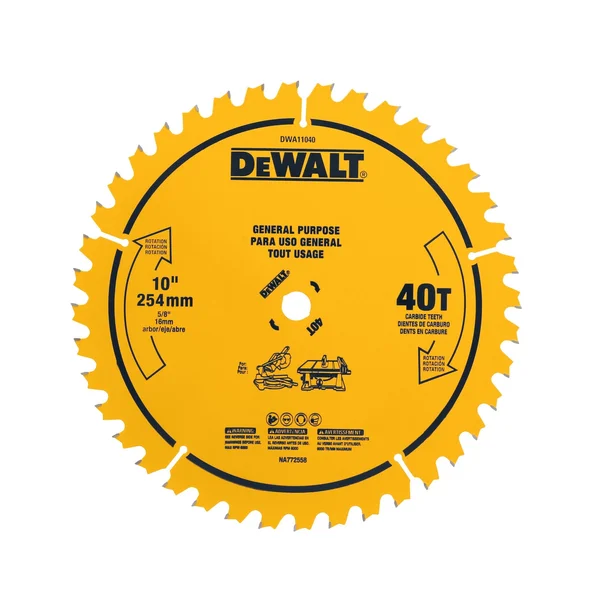 |
DEWALT DWA11040 10″ 40-Tooth Blade – $23 If your Task Force saw takes a standard 10-inch, 5/8-inch arbor blade (most benchtop models do), this widely-stocked general-purpose blade is a reliable drop-in replacement.
|
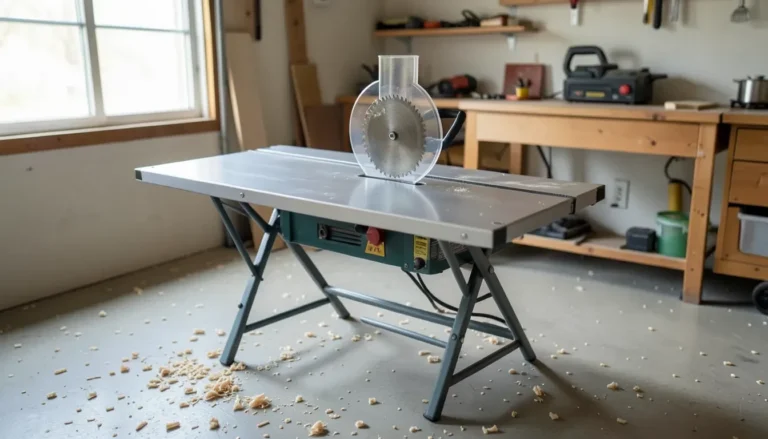
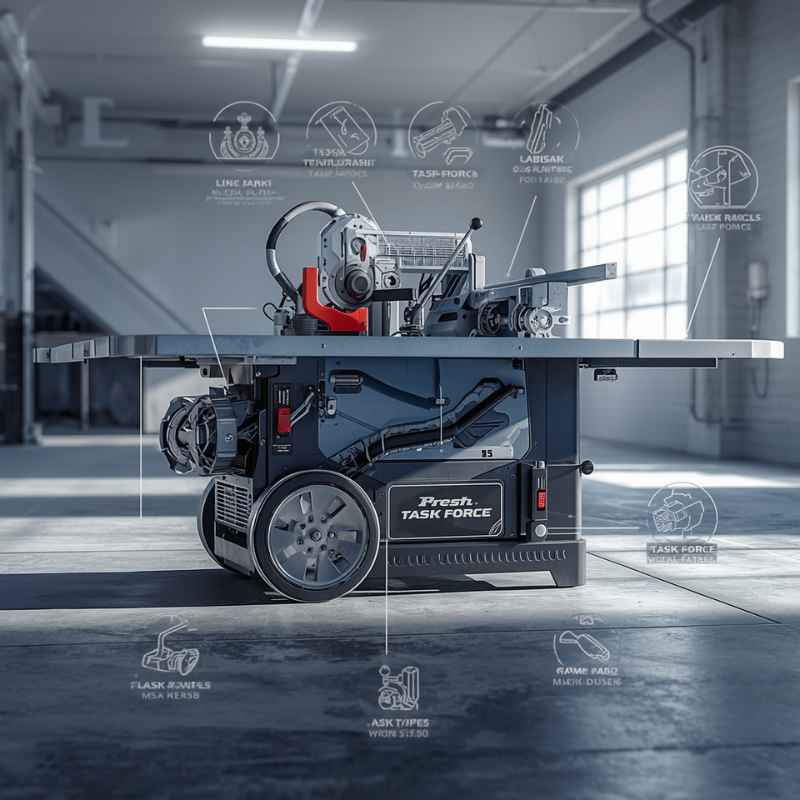
Your Task Force table saw is a powerful machine. It relies on many different parts working together. When one part wears out or breaks, it can stop the whole saw. Knowing the names of these parts helps when you need to order replacements. It also helps you understand what might be going wrong if your saw isn’t performing right.
Think of your table saw like a car. It has an engine, wheels, and a steering system. Your saw has a motor, a blade assembly, and a way to guide the wood. Each component plays a critical role. Understanding these roles makes troubleshooting much easier. It also helps you communicate better with suppliers or repair shops.
Key Components of a Task Force Table Saw
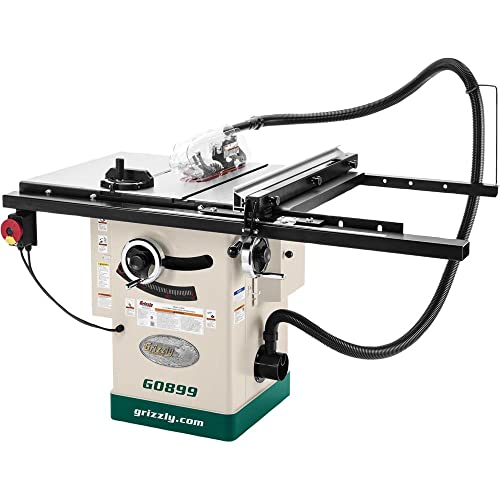
Most table saws, including Task Force models, share common parts. These are the pieces you’ll most often need to look for. Knowing these names is the first step in getting your saw back in shape.
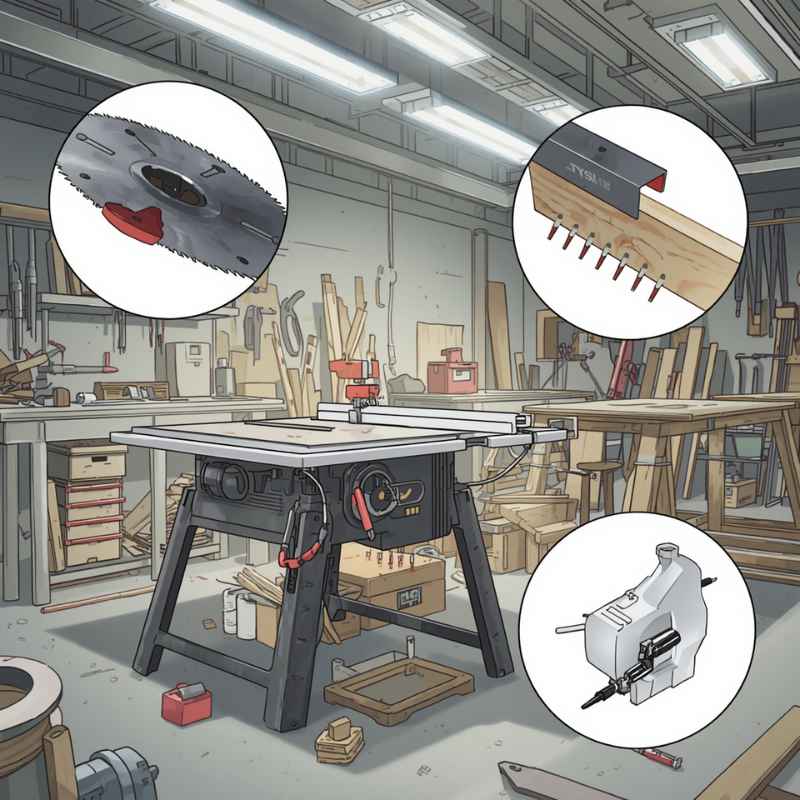
- Motor: This is the heart of your saw. It spins the blade. Power issues or strange noises often point to the motor.
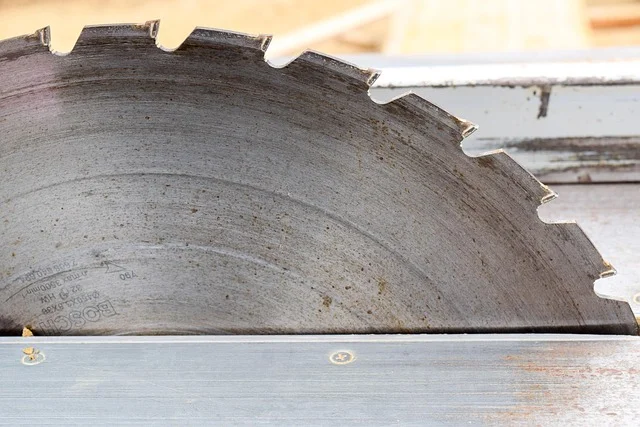
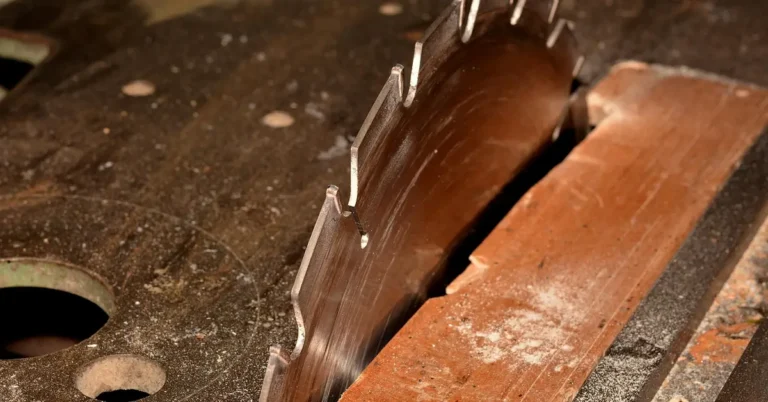
- Blade Assembly: This includes the blade itself, the arbor (the shaft the blade mounts on), and the blade washers. A dull or damaged blade affects cut quality.
- Tabletop (or Saw Table): This is the flat surface where you place your wood. It needs to be smooth and level for safe and accurate cuts.
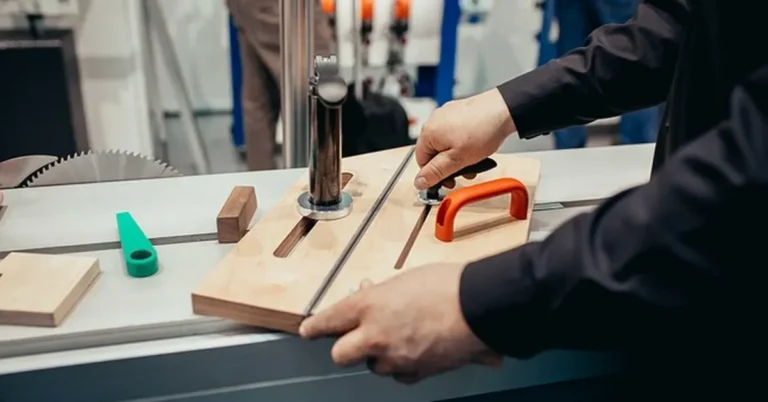
- Miter Gauge: This slides in a slot on the tabletop. It helps you make straight crosscuts or angled cuts.
- Rip Fence: This is a guide that runs parallel to the blade. It helps you make consistent width cuts (rips).
- Blade Guard: This is a safety feature that covers the blade. It helps prevent accidents. It also works with a dust collection system.
- Anti-Kickback Pawls: These are small metal teeth. They dig into the wood if it starts to kick back towards you, helping prevent injuries.
- On/Off Switch: The basic control for your saw. Sometimes these fail or get damaged.
- Belts: If your saw uses a belt-driven motor, these belts connect the motor to the arbor. Worn belts can cause loss of power.
- Wheels and Base: Many portable or stationary saws have wheels. These can wear out or break, especially on older models.
When A Stuck Rip Fence Isn’t A Broken Part
A rip fence that suddenly won’t slide is one of the most common Task Force table saw complaints, and it’s rarely the fence itself that’s actually broken. Sawdust and wood chips accumulate in the fence rail and the track underneath it over time, and even a small wedge of debris in the wrong spot is enough to jam the mechanism solid. Unplug the saw first, then check the rail, the track, and the area around the locking cam for compacted sawdust before assuming you need a replacement part.
Clearing it usually just takes a stiff brush, a shop vacuum, and a thin flathead screwdriver to pry out anything wedged into a corner the vacuum can’t reach. If the fence still won’t move freely after a thorough cleaning, check whether the locking cam or the rail itself is bent or worn — that’s the point where you’re actually looking at a replacement part rather than a five-minute cleaning job.
Common Table Saw Problems and Part Issues
Many table saw issues stem from worn or damaged parts. Here are a few common ones:
- Poor Cut Quality: Often caused by a dull or warped blade, or a misaligned fence/miter gauge.
- Loss of Power: This can be due to a failing motor, worn belts, or an overloaded circuit.
- Fence Won’t Move: Jammed debris, bent fence rails, or damaged locking mechanisms are typical culprits.
- Blade Wobble: Indicates a damaged arbor, bent blade, or improperly seated blade.
- Safety Features Not Working: Issues with the blade guard or anti-kickback pawls could mean these parts need replacement.
Where to Find Task Force Table Saw Parts
Finding parts for Task Force tools can sometimes feel like a treasure hunt. Task Force is a brand often associated with retailers like True Value. This means parts might not be as universally available as those for some larger, standalone tool brands. However, there are several reliable avenues you can explore.
1. Original Retailer or Authorized Dealers
The first place to check is where you originally bought your saw. If you purchased it from a True Value store, they might be able to order parts for you. Many retailers have a system for special orders. Even if they don’t stock the part, they can often contact the manufacturer or distributor.
Authorized service centers are also excellent resources. These centers specialize in repairing tools from specific brands or retailers. They usually have direct access to genuine replacement parts. A quick search online for “Task Force tool repair near me” might give you a starting point.
2. Online Parts Retailers
The internet has made finding obscure parts much easier. Several websites specialize in selling replacement parts for a wide range of tools, including table saws.
Look for sites that have a good reputation and a comprehensive search function. You’ll often need to enter your saw’s model number. This is crucial for ensuring you order the correct part. Some popular online parts suppliers include:
- Sears PartsDirect
- RepairClinic.com
- eReplacementParts.com
- PartsTree.com
These sites often have diagrams and exploded views of tools. This can be incredibly helpful in identifying the exact part number you need. They usually list compatibility information too.
3. Manufacturer or Distributor Websites
Sometimes, the manufacturer or a major distributor will have a parts section on their website. While Task Force itself might not have a direct consumer parts portal, the parent company or a large distributor of their products might. You may need to do a bit of digging to find who handles the parts distribution for Task Force tools in your region.
4. Used Marketplaces (with caution)
For older or discontinued models, the used market can be a source. Websites like eBay or specialized forums for woodworkers might have individuals selling used parts. However, exercise caution. Used parts may be worn, damaged, or not the exact right fit. Always ask for detailed descriptions and clear photos. If possible, buy from sellers with good reviews.
Ordering Your Task Force Table Saw Parts: The Process
Once you know what part you need, the ordering process is usually straightforward. However, a few steps can make it smoother.
Identify Your Saw’s Model Number
This is the MOST important step. Task Force table saws, like any power tool, come in various models. A part for one model might not fit another. Look for a sticker or plate on your saw, usually on the back, side, or underneath the motor housing. It will list the model number and sometimes a serial number. Write this down carefully.
Locate the Part Number
If you have your saw’s owner’s manual, it often includes an exploded diagram of the saw. This diagram will show all the parts and their corresponding part numbers. If you don’t have the manual, you can often find it online by searching for your saw’s model number plus “manual” or “parts diagram.”
If you can’t find a diagram, the online parts retailers mentioned earlier are your best bet. Use their search tools and filter by your saw’s brand and model number. You can then browse through the available parts.
Contacting Customer Support
Don’t hesitate to contact customer support if you’re unsure. Many online retailers have chat support or phone numbers. Explain your saw’s model number and describe the part you need. They can help you confirm the correct part number. This is especially helpful if you’re ordering a less common item like a specific switch or a unique bracket.
Placing the Order
Once you have the correct part number, you can place your order. Fill out the required shipping and payment information. Double-check the quantity you’re ordering. Most online orders will provide an estimated shipping time.
Real-World Scenarios: When Parts Wear Out
Parts wear out for many reasons. It’s a normal part of owning any tool that gets regular use. Understanding these scenarios can help you anticipate needs.
Scenario 1: The Fraying Belt
Environment: A busy workshop, a hobbyist’s garage.
Habits: Frequent use, making many cuts in tough hardwoods.
Design/Materials: Standard rubber or composite drive belts.
User Behavior: Pushing the saw too hard, not checking belts periodically.
What happens: Over time, belts can stretch, crack, or fray. This leads to slippage, a loss of power, and sometimes a burning rubber smell. It’s crucial to replace them before they snap entirely.
Scenario 2: The Worn-Out Switch
Environment: Any home workshop, exposed to dust and vibration.
Habits: Frequent on/off cycles.
Design/Materials: Plastic and metal electrical switches.
User Behavior: Accidental impacts, dust buildup inside the switch mechanism.
What happens: Switches can become sticky, fail to engage, or even get stuck in the “on” position. A faulty switch is a major safety concern and needs immediate replacement.
Scenario 3: Damaged Table Inserts
Environment: Workshop with lots of dust and debris.
Habits: Occasional drops of tools or wood near the blade area.
Design/Materials: Removable phenolic or plastic zero-clearance inserts.
User Behavior: Not being careful around the blade opening.
What happens: These inserts can chip, crack, or become loose. A damaged insert can catch wood or cause other safety issues. Replacing them maintains a safe and flat cutting surface.
What This Means for You: Normal Wear vs. Urgent Replacement
It’s good to know which parts are normal to replace over time and which ones signal a more serious issue. This helps you budget your time and money.
Normal Wear and Tear
Some parts are designed to wear out. Think of them as consumables for your tool.
- Belts: Typically need replacing every few years, depending on use.
- Motor Brushes (if applicable): These wear down and require periodic replacement on some motor types.
- Blades: Need sharpening or replacing when they become dull. This is frequent for active users.
- Table Inserts: Can get chipped or damaged and are easily swapped out.
- Dust Collection Port/Hose: Can get clogged or crack over time.
When to Worry and Replace Immediately
Other parts failing can be more concerning and require immediate attention for safety.
- Motor: If the motor makes loud grinding noises, emits smoke, or stops working entirely, it might need professional repair or replacement.
- Arbor: If the shaft the blade mounts on is bent or damaged, it’s a serious safety hazard.
- On/Off Switch: A faulty switch that doesn’t turn off reliably is a critical safety risk.
- Blade Guard or Anti-Kickback Pawls: If these safety features are broken or missing, the saw should not be used until they are repaired or replaced.
- Tabletop Surface: Deep gouges, cracks, or warping on the tabletop itself can affect accuracy and safety.
Quick Fixes and Tips for Part Longevity
While you can’t stop parts from wearing out entirely, you can extend their life. Simple habits make a big difference.
- Keep it Clean: Regularly clean dust and debris from your saw, especially around the fence mechanism, blade area, and motor vents.
- Lubricate Moving Parts: The fence rails and any other sliding or pivoting mechanisms may benefit from occasional lubrication. Use a light, dry lubricant.
- Store Properly: If you have a portable saw, store it in a dry place away from extreme temperatures.
- Don’t Force It: If a part isn’t moving easily, stop. Check for obstructions or misalignment rather than forcing it. This prevents damage to the part and the saw.
- Inspect Regularly: Make it a habit to quickly check your saw for any loose screws, cracks, or obvious wear before each use.
- Use the Right Blade: Always use the correct type and size of blade for your saw and for the material you are cutting.
Quick-Scan Table: Part Identification Checklist
| Problem Area | Potential Part Needed | Where to Look |
|---|---|---|
| Saw won’t start or loses power | Motor, Belts, On/Off Switch | Online Parts Retailers, Service Centers |
| Fence stuck or won’t lock | Fence Mechanism, Rails, Locking Handle | Original Retailer, Online Parts Retailers |
| Poor cut quality, blade wobbles | Blade, Arbor, Blade Washers | Tool Supply Stores, Online Retailers (for blades), Service Centers (for arbor) |
| Safety features damaged | Blade Guard, Anti-Kickback Pawls | Online Parts Retailers, Service Centers |
Frequently Asked Questions About Task Force Table Saw Parts
How do I find the model number for my Task Force table saw?
Look for a sticker or metal plate on your saw. It’s usually on the housing, base, or back of the motor. This label should clearly list the model number and sometimes a serial number.
Write this number down carefully, as it’s essential for finding correct parts.
Can I use parts from a different brand of table saw on my Task Force saw?
Generally, no. Parts are designed to fit specific models and brands. Using parts from a different brand is not recommended.
It might not fit, could damage your saw, and will likely void any warranty. Always try to find parts made for your Task Force model — the same rule applies to other older or store-brand saws, like Pro Tech table saw parts, where compatibility is also tied to the exact model number.
What if the part I need is no longer made?
This can happen with older or discontinued models. Your best options are to look for used parts on sites like eBay or in woodworking forums. You can also sometimes find compatible aftermarket parts, but verify their quality and fit carefully.
Sometimes, a skilled repair person can even fabricate a replacement part.
How long should I expect to wait for parts to arrive?
Shipping times vary. Standard shipping within the U.S. can take anywhere from 3 to 10 business days.
If you order from a smaller online retailer or a specialized dealer, it might take a bit longer. Always check the estimated delivery time when you place your order. Some retailers offer expedited shipping for an extra fee.
Is it cheaper to fix my table saw or buy a new one?
This depends on the cost of the part and the price of a new saw. If it’s a small part like a switch, belt, or blade, repairing is almost always cheaper. If the motor is burned out or the main casting is broken, a new saw might be more economical.
Compare the repair cost to the price of a comparable new model.
Do I need special tools to replace common table saw parts?
For many common replacements like belts, blades, or switches, standard tools like screwdrivers, wrenches, and possibly a socket set are usually sufficient. Always unplug the saw before starting any work. Some more complex repairs, like motor issues, might require specialized tools or professional help.
Conclusion: Keeping Your Task Force Saw Ready to Work
Dealing with a broken tool is a hassle, but knowing where and how to find Task Force table saw parts makes a world of difference. By identifying your saw’s model number, using reliable online resources or your original retailer, and understanding common wear points, you can keep your saw in top condition. A well-maintained saw is a safer and more productive saw, ready for whatever project you tackle next.
Sponsored / affiliate links. As an Amazon Associate I earn from qualifying purchases. I may earn additional commission from eligible campaigns.