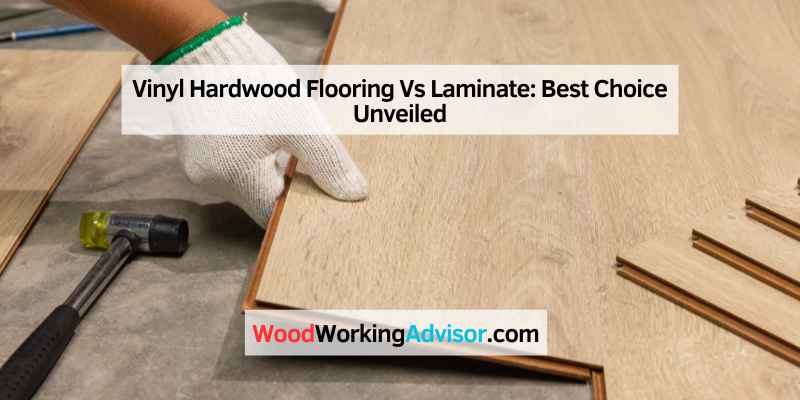
Vinyl Hardwood Flooring Vs Laminate: Best Choice Unveiled
Vinyl hardwood flooring offers water resistance and durability, while laminate flooring provides a cost-effective, easy-to-install option. Both materials mimic the look of hardwood but differ in texture and performance.
Choosing the right flooring can significantly impact your home’s aesthetic and functionality. Vinyl hardwood flooring features a water-resistant surface, making it ideal for kitchens and bathrooms. It comes in various styles, ensuring a perfect match for any decor. Laminate flooring, on the other hand, is often more budget-friendly and simpler to install.
This makes it a popular choice for DIY enthusiasts. Each option has its own advantages, from durability to cost-effectiveness. Understanding these differences helps homeowners make informed decisions about their flooring needs. Explore the unique benefits of each to find the best fit for your space.
Introduction To Vinyl And Laminate Flooring
Vinyl and laminate flooring are popular choices for homes today. Both offer unique benefits. Understanding their differences helps in making the right choice. Each type has features that cater to various needs.
The Rise Of Alternative Flooring Options
Homeowners seek durable and stylish flooring solutions. Traditional hardwood can be expensive. Vinyl and laminate provide affordable alternatives. These options mimic the look of real wood.
- Vinyl Flooring: Water-resistant and easy to clean.
- Laminate Flooring: Offers a wood-like appearance at a lower price.
- Variety of Designs: Both come in many styles and colors.
Vinyl Vs. Laminate: Key Characteristics
| Feature | Vinyl Flooring | Laminate Flooring |
|---|---|---|
| Water Resistance | Excellent | Moderate |
| Durability | Highly durable | Durable but can scratch |
| Installation | Easy, often DIY | Requires precise fitting |
| Cost | Varies, generally affordable | Usually cheaper than vinyl |
Both types offer benefits. Choose based on your needs. Consider factors like moisture, durability, and budget.
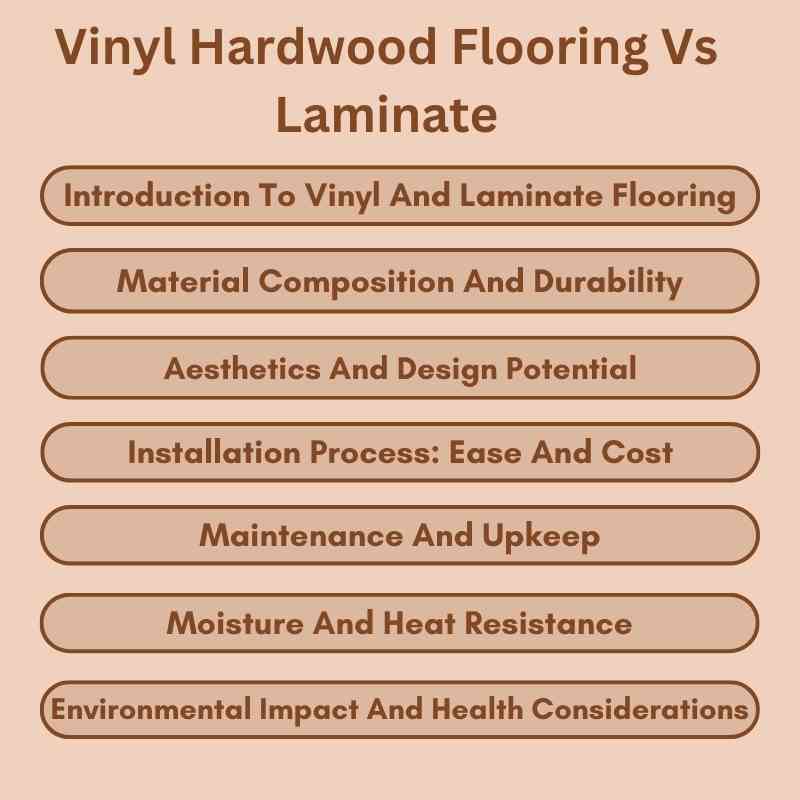
Material Composition And Durability
Choosing between vinyl hardwood flooring and laminate involves understanding their material composition and durability. Each type of flooring has unique properties that affect its performance and lifespan. Below, we explore what makes up vinyl and laminate floors and compare their durability.
What Makes Up Vinyl And Laminate Floors
Vinyl and laminate floors differ in their composition:
- Vinyl Flooring: Made from polyvinyl chloride (PVC) and other additives.
- Laminate Flooring: Composed of several layers, including:
- A wear layer for protection.
- A design layer for aesthetics.
- A core layer for stability.
- A backing layer for moisture resistance.
Comparing Lifespan And Wear Resistance
Durability plays a crucial role in flooring choice. Here’s how vinyl and laminate stack up:
| Feature | Vinyl Flooring | Laminate Flooring |
|---|---|---|
| Lifespan | 15-25 years | 10-20 years |
| Wear Resistance | High resistance to scratches and moisture | Moderate resistance, susceptible to scratching |
Vinyl flooring often lasts longer than laminate. It also handles moisture better, making it ideal for kitchens and bathrooms. Laminate, while stylish, can scratch easily. It may not withstand heavy foot traffic as well as vinyl.
Both options offer unique benefits. Understanding their material composition and durability helps in making an informed decision. Choose wisely based on your needs and lifestyle.
Aesthetics And Design Potential
Choosing between vinyl hardwood flooring and laminate involves aesthetics and design. Both options provide unique looks. Understanding their visual appeal helps make a better choice.
Visual Appeal: Mimicking Natural Wood
Vinyl hardwood flooring and laminate both mimic real wood. They use advanced technology to create realistic textures and patterns.
Vinyl flooring can replicate various wood species, like:
- Oak
- Maple
- Cherry
This variety makes it versatile for different home styles. Laminate also offers a wood-like look but has some differences.
Laminate typically showcases deeper textures. It provides a more pronounced wood grain appearance. This can enhance the overall aesthetic of any room.
Variety Of Styles And Finishes Available
Both flooring types come in numerous styles. This allows for personalization in any space.
| Feature | Vinyl Hardwood Flooring | Laminate Flooring |
|---|---|---|
| Styles Available | Wide range, including rustic and modern | Vast selection, often more traditional |
| Finishes | Glossy, matte, and textured | High-gloss and textured options |
Choose from a variety of finishes:
- Glossy
- Matte
- Textured
Vinyl often offers more modern styles. Laminate tends to lean towards classic designs. This difference influences the overall feel of a room.
Understanding these aspects helps in making a stylish choice. Both options can complement any decor theme.
Installation Process: Ease And Cost
Choosing between vinyl hardwood flooring and laminate often comes down to the installation process. Both options offer unique benefits, especially regarding ease and cost. Understanding these differences helps in making an informed choice for your home.
DIY-friendly Flooring Solutions
Both vinyl hardwood flooring and laminate are popular for DIY projects. They come with simple installation methods, perfect for beginners.
- Vinyl Hardwood Flooring: Often features a click-lock system. This allows easy assembly without glue or nails.
- Laminate: Also uses a click-lock design. This makes it straightforward to install over most surfaces.
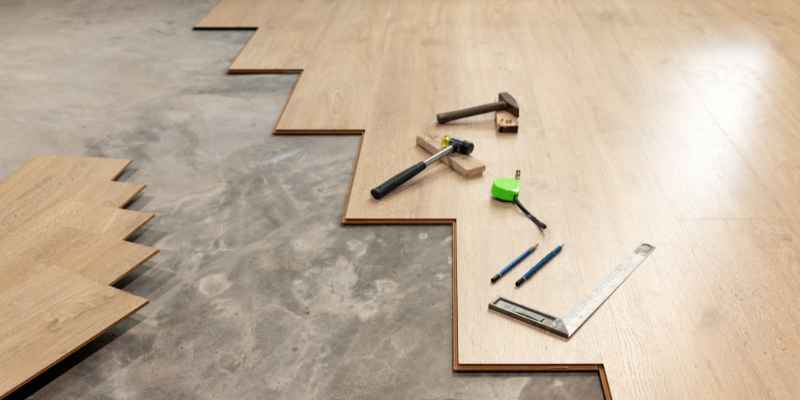
Tools needed for both types are minimal. Here’s a quick list:
- Measuring tape
- Utility knife
- Square
- Rubber mallet
The cost for DIY installations can be significantly lower. You save on labor costs by doing it yourself.
Professional Installation: Pros And Cons
Hiring professionals can simplify the installation process. However, it comes with both benefits and drawbacks.
| Aspect | Vinyl Hardwood Flooring | Laminate |
|---|---|---|
| Installation Cost | Higher than DIY, but quick. | Moderate cost, often quick. |
| Time | Usually 1-2 days. | 1 day for most rooms. |
| Expertise | Less skill needed. | Requires some knowledge. |
| Warranty | May include a warranty. | Often includes a warranty. |
Consider the following before hiring:
- Budget for installation costs.
- Timeframe for project completion.
- Quality of work and materials.
Evaluate if professional help fits your needs. Weigh the costs and benefits for the best decision.
Maintenance And Upkeep
Maintaining vinyl hardwood flooring and laminate is essential for longevity. Each type requires specific care to stay beautiful and functional. Let’s explore the cleaning protocols and damage management for both flooring types.
Cleaning Protocols For Vinyl And Laminate
Regular cleaning helps maintain the appearance of your floors. Here’s how to clean each type:
| Flooring Type | Cleaning Steps | Recommended Products |
|---|---|---|
| Vinyl Flooring |
|
|
| Laminate Flooring |
|
|
Dealing With Scratches And Damage
Scratches and damage can happen over time. Addressing them promptly ensures your floors look their best.
- For Vinyl Flooring:
- Minor scratches can be buffed out with a soft cloth.
- For deeper scratches, use a vinyl repair kit.
- Replace damaged planks if necessary.
- For Laminate Flooring:
- Use a laminate repair kit for scratches.
- Fill in deep gouges with a wood filler.
- Replace planks with extensive damage.
Understanding these maintenance tips helps keep your floors looking great. Regular care extends the life of both vinyl and laminate flooring.
Moisture And Heat Resistance
Choosing the right flooring involves understanding how materials react to moisture and heat. Vinyl and laminate each have unique properties. Knowing these can help in selecting the best option for your home.
How Vinyl And Laminate Handle Humidity
Both vinyl and laminate flooring handle humidity differently.
| Feature | Vinyl Flooring | Laminate Flooring |
|---|---|---|
| Moisture Resistance | Highly resistant; can withstand spills. | Moderately resistant; may warp with excess moisture. |
| Durability in Humid Areas | Ideal for basements and laundry rooms. | Best avoided in damp spaces. |
Vinyl is perfect for areas with high humidity. It doesn’t absorb water. Laminate can swell and warp in wet conditions. It’s better for dry environments.
Suitability For Kitchens And Bathrooms
Choosing the right flooring for kitchens and bathrooms is vital. These areas often face spills and humidity.
- Vinyl Flooring:
- Waterproof and durable.
- Easy to clean and maintain.
- Soft underfoot, reducing fatigue.
- Laminate Flooring:
- Not recommended for bathrooms.
- Can be used in kitchens, but caution is needed.
- Risk of damage from spills.
Vinyl works well in both kitchens and bathrooms. Laminate may not hold up well in these spaces. Choose wisely for the best results.
Environmental Impact And Health Considerations
Choosing the right flooring affects the environment and your health. Both vinyl hardwood flooring and laminate have unique characteristics. Understanding their impact helps in making an informed choice.
Eco-friendliness Of Flooring Materials
Eco-friendliness varies between vinyl and laminate flooring. Here’s a breakdown:
| Flooring Type | Materials Used | Recyclability | Environmental Certifications |
|---|---|---|---|
| Vinyl Hardwood Flooring | Polyvinyl Chloride (PVC) | Limited | Few options available |
| Laminate Flooring | Wood fiber and resins | Better recyclability | Often certified by organizations |
Vinyl flooring often contains plastic. It is not easily recyclable. Laminate flooring usually includes wood fibers. This makes it a more eco-friendly option.
Indoor Air Quality And Emissions
Indoor air quality is crucial for health. Both flooring types can emit volatile organic compounds (VOCs). Here’s how they compare:
- Vinyl Flooring: Higher VOC emissions can affect air quality.
- Laminate Flooring: Generally lower VOC emissions. Better for indoor air quality.
Choosing low-VOC options is vital. Look for certifications like GREENGUARD or FloorScore. These certifications ensure safer air quality.
Consider your health and the environment. Picking the right flooring makes a difference.
Cost Comparison And Value For Money
Choosing between vinyl hardwood flooring and laminate involves understanding costs. Both options offer unique benefits. This section explores initial investments, long-term savings, and resale value.
Initial Investment And Long-term Savings
The initial cost of flooring can influence your choice. Here’s a quick comparison:
| Flooring Type | Average Cost per Square Foot | Installation Cost |
|---|---|---|
| Vinyl Hardwood Flooring | $2 – $7 | $1 – $3 |
| Laminate Flooring | $1 – $5 | $1 – $2 |
Vinyl hardwood typically costs more upfront. Laminate is usually cheaper. Consider installation costs too.
- Vinyl Hardwood: More durable and resistant to moisture.
- Laminate: Easier to install but less durable.
Long-term savings matter. Vinyl hardwood often lasts longer. Less replacement means more savings over time.
Resale Value: Does Flooring Type Matter?
Flooring type affects your home’s resale value. Potential buyers notice flooring quality.
- Vinyl Hardwood: Often seen as high-end. It can boost resale value.
- Laminate: Less desirable. May not add significant value.
Investing in vinyl hardwood can pay off. It attracts buyers looking for quality. Laminate may appeal to budget-conscious buyers.
Evaluate your needs. Think about your budget and future plans. This will guide your flooring decision.
The Verdict: Making The Best Flooring Choice
Choosing between vinyl hardwood flooring and laminate can be tough. Each option has unique benefits. Understanding your needs helps you decide wisely.
Assessing Lifestyle And Flooring Needs
Your lifestyle plays a big role in your flooring choice. Here are some factors to consider:
- Foot Traffic: High traffic areas need durable flooring.
- Moisture Levels: Kitchens and bathrooms require water-resistant options.
- Pets: Look for scratch-resistant surfaces if you have pets.
- Comfort: Consider how the floor feels underfoot.
- Maintenance: Different floors require different levels of care.
Here’s a quick comparison of the two options:
| Feature | Vinyl Hardwood Flooring | Laminate |
|---|---|---|
| Durability | Highly durable and water-resistant | Durable but less water-resistant |
| Comfort | Soft and warm underfoot | Harder surface, can feel cold |
| Installation | Easy to install, often DIY-friendly | Quick installation with click-lock systems |
| Cost | Moderate to high | Generally more affordable |
Final Recommendations For Homeowners
Consider these points before making a decision:
- If you need water resistance, choose vinyl hardwood flooring.
- For budget-friendly options, go with laminate.
- Prioritize comfort in living areas with vinyl.
- For high traffic zones, both options can work.
- Think about long-term maintenance costs.
Evaluate your lifestyle carefully. Make the choice that fits your home best.
Frequently Asked Questions
What Is The Main Difference Between Vinyl And Laminate?
The main difference lies in their composition. Vinyl flooring is made from synthetic materials, while laminate combines wood particles with resin. This affects durability, water resistance, and comfort underfoot. Vinyl is generally more water-resistant, making it suitable for areas like bathrooms and kitchens.
Which Is More Durable: Vinyl Or Laminate?
Vinyl flooring is typically more durable than laminate. It withstands moisture better and is less prone to scratches. However, laminate can be more resistant to fading and wear from heavy foot traffic. Ultimately, the best choice depends on your specific needs and the environment.
Is Vinyl Flooring Better For Moisture-prone Areas?
Yes, vinyl flooring is an excellent choice for moisture-prone areas. Its waterproof properties make it ideal for kitchens, bathrooms, and basements. Laminate, while durable, can swell or warp when exposed to excessive moisture. Choosing vinyl ensures longevity and ease of maintenance in these spaces.
Can You Install Vinyl Over Laminate Flooring?
Yes, you can install vinyl over laminate flooring. However, ensure the laminate surface is smooth and free of debris. This method can save time and labor costs. It’s vital to check the manufacturer’s guidelines for specific recommendations on flooring compatibility.
Conclusion
Choosing between vinyl hardwood flooring and laminate depends on your specific needs. Both options offer unique advantages. Vinyl is water-resistant and versatile, while laminate is budget-friendly and durable. Assess your lifestyle, budget, and aesthetic preferences to make the best choice for your home.
Invest wisely in your flooring for lasting satisfaction.