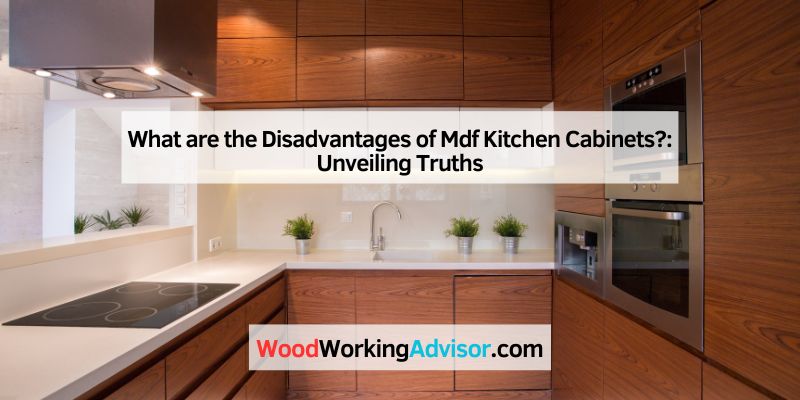
What are the Disadvantages of MDF Kitchen Cabinets?: Unveiling Truths
When you’re planning a kitchen renovation, choosing the right cabinets is crucial. They not only need to look good but also withstand daily wear and tear.
You might have heard about MDF (Medium Density Fiberboard) cabinets as a budget-friendly option. But, do you know the hidden downsides they carry? Before you make a decision, it’s essential to uncover the disadvantages of MDF kitchen cabinets. Are you prepared to invest in something that might not last as long as you hope?
By reading further, you’ll discover potential pitfalls that could impact your dream kitchen. Save yourself from costly regrets and ensure your investment stands the test of time. Let’s dive into what you need to know before choosing MDF for your kitchen.
Material Composition
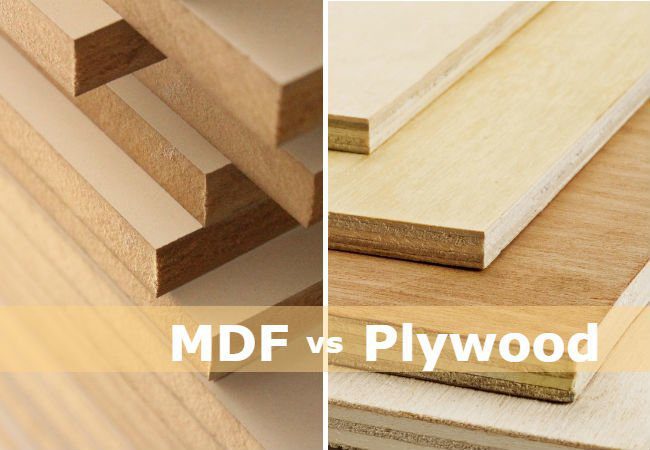
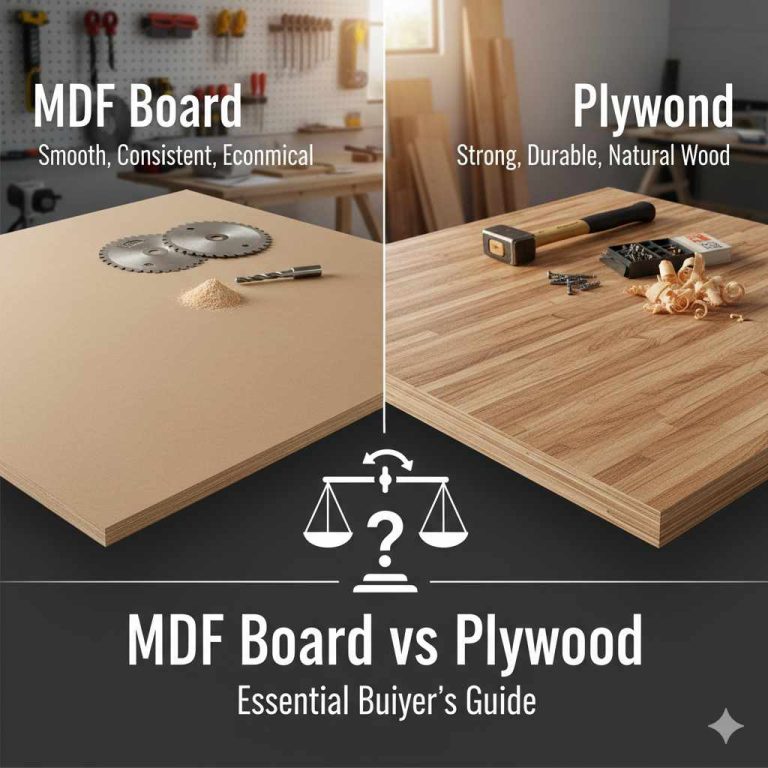
MDF stands for Medium-Density Fiberboard. It is made from wood fibers. These fibers are glued together. The glue is strong. It holds the fibers tight. MDF is smooth and dense. It is not natural wood. MDF is cheaper than real wood.
MDF is made in factories. First, wood is broken into small pieces. Then, the pieces are mixed with resin. Resin is a sticky liquid. It helps the wood stick together. The mixture is pressed flat. It is pressed by a machine. Next, it is heated. Heat makes it hard. The hard sheet is MDF.
Durability Concerns
MDF kitchen cabinets can absorb moisture easily. This leads to swelling and damage. They are not ideal for wet areas. Water spills can ruin them quickly. The material becomes soft when wet. This can cause warping and bending.
MDF cabinets are less strong than wood. They can scratch easily. Heavy items can leave marks. They may chip at the edges. Frequent use can wear them down. Over time, they may need replacement.
Health Implications
MDF kitchen cabinets can release formaldehyde. This chemical is used in glue. It can harm your health. Breathing it can cause headaches. It may also irritate your eyes and throat. People with asthma may find it hard to breathe. It’s important to have good ventilation. Fresh air helps reduce these emissions.
Air quality in homes is very important. MDF cabinets can affect this. They can release tiny particles. These particles are not good for lungs. Keeping windows open helps. Air purifiers can also make air better. Children and older people are more sensitive. So, care must be taken for them.
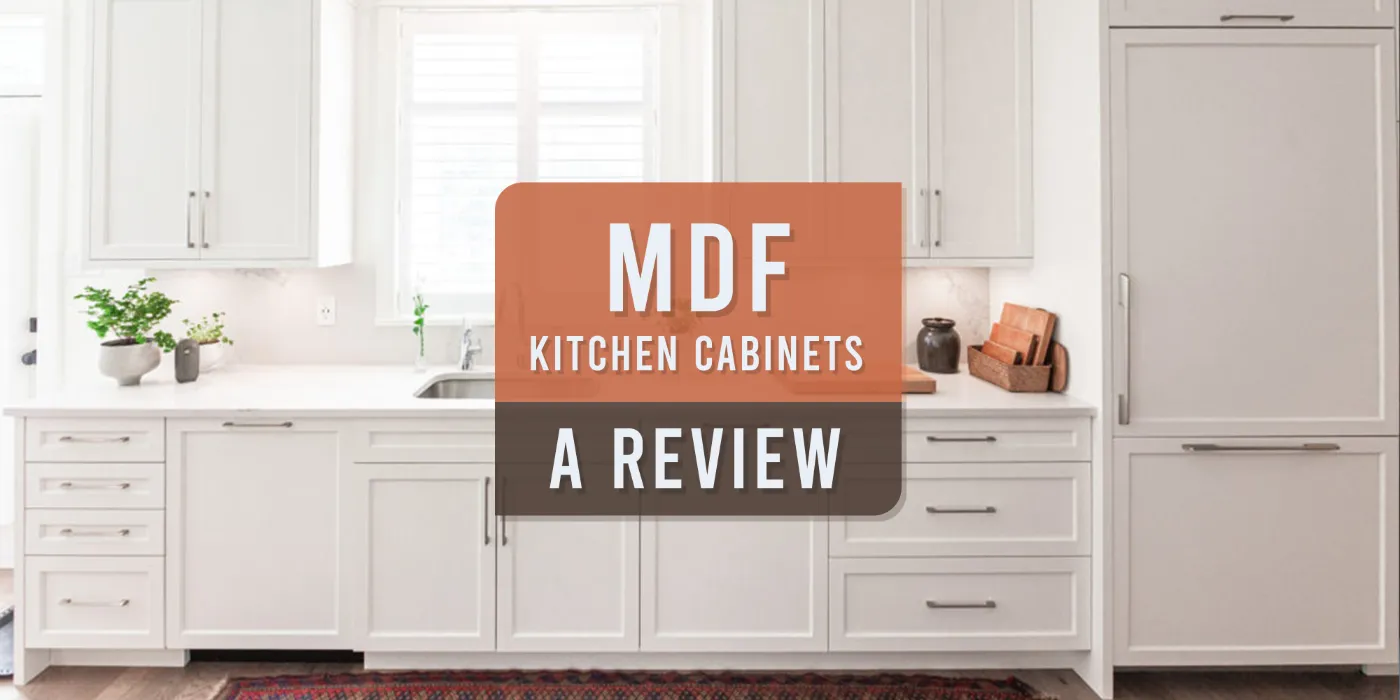
Credit: www.deslaurier.com
Aesthetic Limitations
MDF cabinets often have surface finish problems. The paint can chip easily. This makes them look old fast. Moisture can cause swelling. This leads to uneven surfaces. It is hard to repair these issues. The surface may never look the same.
Design choices with MDF are limited. Only simple designs are possible. Fancy carvings are not an option. This limits creativity in kitchen design. You might not find the style you want. Other materials offer more design freedom.
Cost Vs. Value
MDF kitchen cabinets often come at a lower price than wood. This can be tempting for many buyers. But the initial savings might not last long. MDF is less durable than solid wood. It may need repairs sooner. This adds to the overall cost. Paint and finish may chip with time. Replacement might be necessary.
Solid wood cabinets may cost more at first. Yet, they often last longer. MDF might seem like a smart choice. But it may not hold up well. Water can damage MDF cabinets easily. Spills in the kitchen are common. This can lead to swelling and damage. Regular maintenance can be costly. Think about the long-term investment. Choose wisely for lasting value.
Environmental Impact
MDF kitchen cabinets are made from wood fibers and resins. These resins often contain formaldehyde, a harmful chemical. Cutting trees for MDF affects our forests. It leads to fewer trees for animals and people.
MDF does not last as long as real wood. More frequent replacements mean more waste. Using MDF can cause more harm to our planet over time.
Recycling MDF is very hard. It cannot be easily broken down like other materials. Special processes are needed to recycle it, which are costly. This makes recycling MDF less common.
Most MDF ends up in landfills. This adds to our waste problems. Finding better recycling solutions is important for reducing MDF’s impact.
Maintenance Requirements
MDF kitchen cabinets need regular cleaning. They don’t like water. Use a damp cloth instead. Dry it quickly to avoid damage. Avoid harsh cleaners. They can harm the surface. Choose mild soap solutions. Always clean spills right away. This prevents stains. Dust the cabinets weekly. It keeps them looking new. Be gentle while cleaning.
Repairing MDF cabinets can be hard. They are not very strong. Scratches and dents are common. Fixing them is tough. Sometimes, replacing is better. Water damage is a big issue. It causes the material to swell. This needs immediate attention. Fixing swollen areas is not easy. Heat can also damage them. Avoid placing hot items near. Repairs often need special tools. It can be costly.
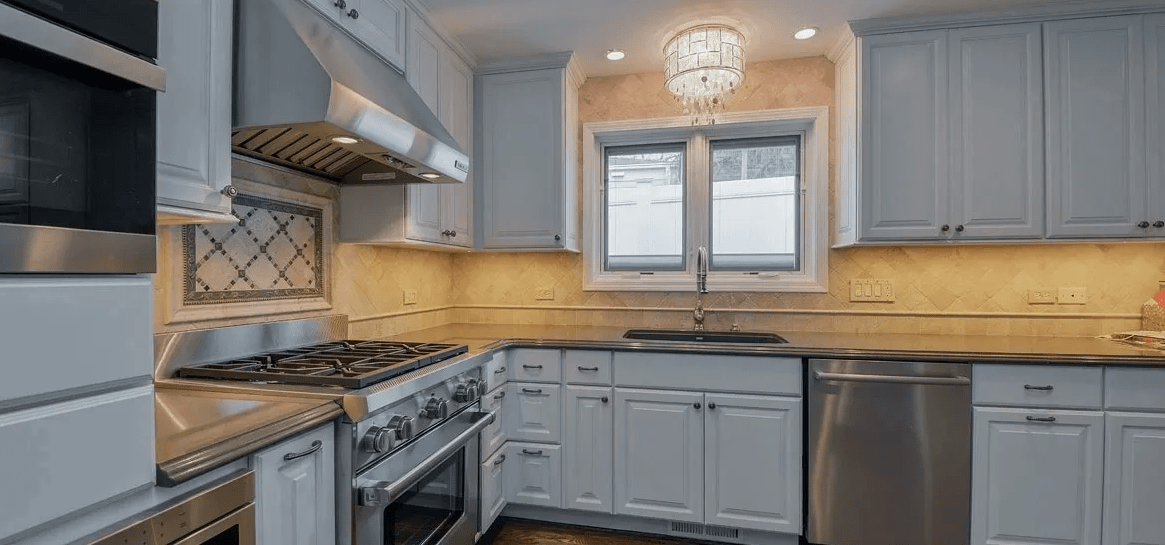
Credit: 180kitchens.com
Frequently Asked Questions
How Long Do MDF Cabinets Last?
MDF cabinets typically last 10-15 years with proper care. Regular maintenance ensures their longevity. Protect them from moisture and humidity to avoid damage. Investing in quality MDF materials can extend their lifespan. Keep them clean and dry to maintain their appearance and durability over time.
When Should You Not Use MDF?
Avoid MDF in high-moisture areas like bathrooms and kitchens. It’s unsuitable for structural uses or outdoor projects. MDF can also release formaldehyde, so it’s not ideal for sensitive environments.
Do High End Kitchens Use MDF?
Yes, high-end kitchens sometimes use MDF for cabinetry. It offers a smooth finish, is cost-effective, and versatile. Many choose MDF for its durability and ability to hold paint well. While solid wood is often preferred, MDF provides a budget-friendly alternative without compromising on design.
What Are The Negative Properties Of MDF?
MDF is prone to swelling when exposed to moisture. It releases formaldehyde, which can be harmful. MDF is less durable compared to solid wood. It’s not suitable for heavy loads. MDF can be difficult to repair if damaged.
Conclusion
Choosing MDF kitchen cabinets has its drawbacks. They resist moisture poorly, which can lead to damage. Their lifespan is shorter than solid wood cabinets. Scratches and dents appear easily on their surface. Repairing these cabinets can be difficult. MDF lacks the natural beauty of wood, affecting kitchen aesthetics.
They emit formaldehyde, which may pose health risks. MDF cabinets often need more care and maintenance. Consider these points before making your decision. It’s essential to weigh the pros and cons carefully. Your kitchen deserves the best choice for durability and style.