What Ash Tree Look Like: A Visual Guide
Have you ever walked through a forest or strolled down a tree-lined street and wondered, “What does an ash tree look like?” You’re not alone.
With their elegant silhouettes and lush canopies, ash trees have captured the curiosity of many nature enthusiasts. But identifying them can sometimes be a challenge. You’ll discover the distinct features that make ash trees stand out, from their unique leaves to their robust trunks.
You’ll also learn how to easily spot them in your own backyard or local park. Ready to become an ash tree expert? Let’s dive in and unlock the secrets of these magnificent trees.
:max_bytes(150000):strip_icc()/GettyImages-182703904-a45a79038c2949bc9bf9582286a56665.jpg)
Credit: www.treehugger.com
Identifying Features
The bark of an ash tree is gray and smooth when young. As it ages, the bark turns ridged and furrowed. These ridges form a diamond-like pattern. The texture feels rough to the touch. It’s a key feature to identify the tree.
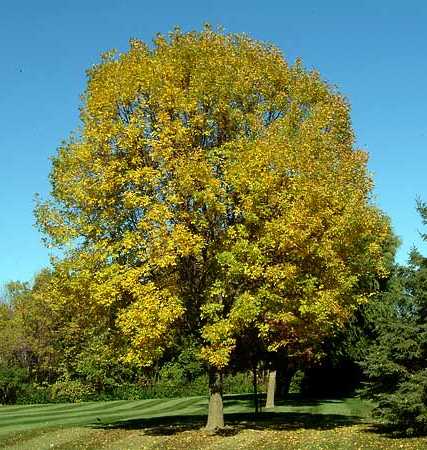
Ash trees have compound leaves. Each leaf has several leaflets. Usually, there are 5 to 9 leaflets per leaf. The leaflets are oval and pointy. They grow opposite each other on a stem. In autumn, leaves turn yellow before falling.
The branches of an ash tree grow in pairs. This pattern is called opposite branching. Each branch is sturdy and straight. Branches spread out evenly. This gives the tree a balanced look.
Seasonal Changes
Ash trees show bright green leaves in spring. They look fresh and full. During summer, leaves grow bigger and thicker. They provide cool shade. The leaves stay green and healthy. These trees give homes to many birds. They offer shelter and food.
Leaves change color in fall. They turn yellow and orange. Sometimes, they are red. These colors are very pretty. The ground is covered with fallen leaves. It’s fun to watch them change. Nature is getting ready for winter.
Ash trees look bare in winter. The leaves have fallen. Only branches remain. They look strong and tall. Without leaves, birds can find them easily. They wait for spring to grow again. Snow covers the branches sometimes. The trees still stand tall.
Common Species
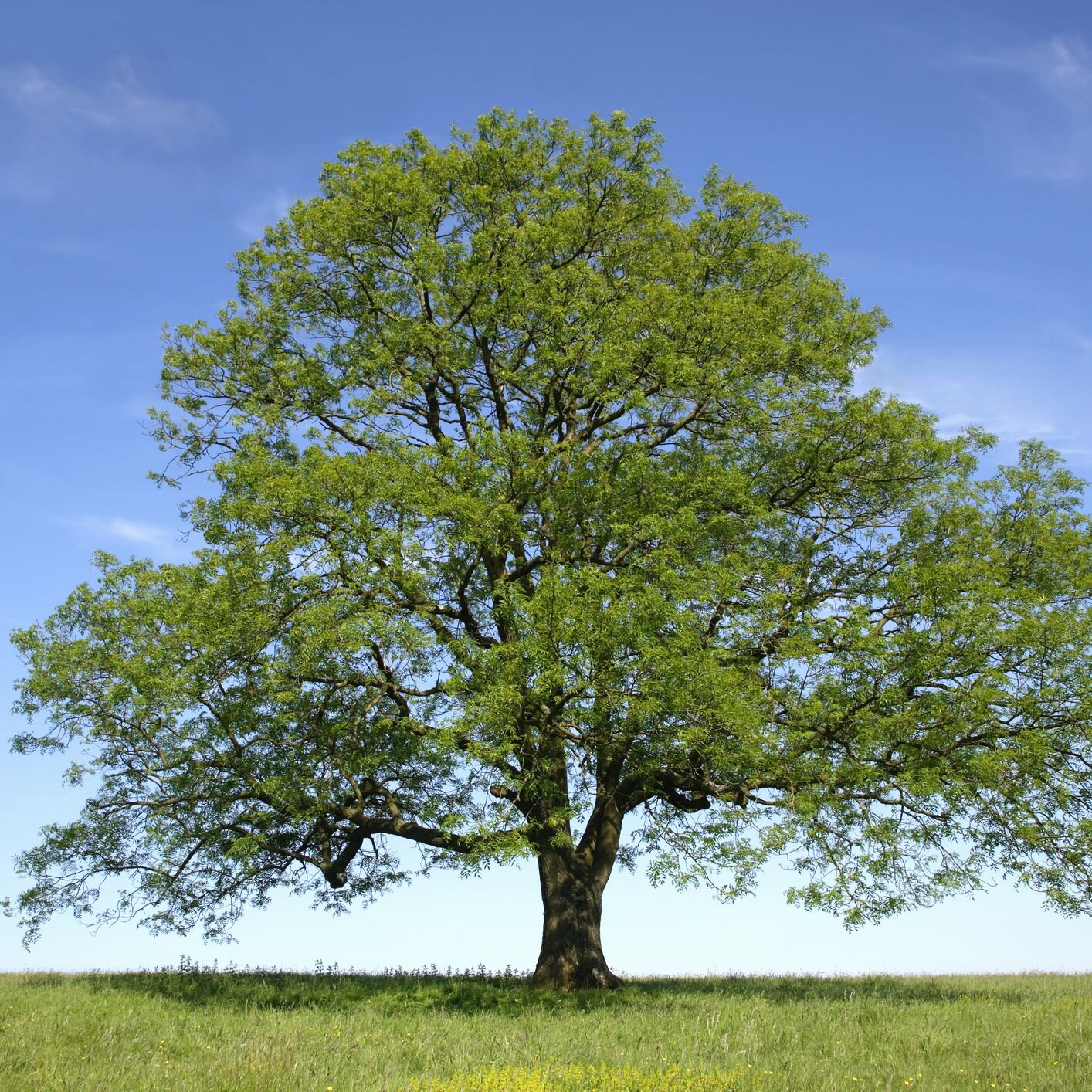
White Ash trees are known for their tall, straight trunks. Their bark is gray and has a diamond pattern. Leaves are compound, with seven leaflets. These trees grow quickly and provide shade. White Ash is often found in forests and parks.
Green Ash trees have a smoother bark. Their leaves are bright green and glossy. They are adaptable and can grow in many soil types. Green Ash trees are often planted in urban areas. Their branches spread wide. Green Ash trees are good for landscaping.
Black Ash trees have a darker bark. Their bark is corky and spongy. Leaves are smaller and have nine leaflets. Black Ash trees like wet areas. They are often found near streams and swamps. These trees grow slowly but are very sturdy.
Credit: www.treekc.com
Habitat And Growth
Ash trees grow best in cool and moist places. They like open woodlands and riverbanks. These trees love areas with plenty of sunlight. But they can also live in shady spots. Ash trees are often found in parks and gardens.
Ash trees grow fast. They can grow up to 24 inches each year. Young trees grow even faster. As they get older, they slow down a bit. The tree can live for many years. Some can even reach 100 years old.
Ash trees need well-drained soil. They don’t like wet soil. The ground should be rich in nutrients. Ash trees like regular watering. But they can survive with less water too. Too much water can harm them.
Threats And Challenges
Ash trees have unique features. Their leaves are compound, with 5 to 11 leaflets per stem. The bark is gray and furrowed, while seeds resemble canoe paddles, scattered in clusters. These characteristics make them easily identifiable in forests and urban landscapes.
Emerald Ash Borer
The emerald ash borer is a small, shiny bug. It has a big impact on ash trees. These bugs eat the inside of the tree. This makes the tree weak and sick. Many trees die from this bug. It’s a big problem for ash trees.
Disease And Fungi
Ash trees can get sick from fungi. Some fungi hurt the leaves. Others damage the bark. Sick trees may not grow well. They can even die. It’s important to keep ash trees healthy. Healthy trees can fight off disease better.
Environmental Stress
Ash trees face stress from the environment. Too much sun or not enough water can harm them. Strong winds can break branches. Pollution also makes trees weak. Healthy soil and water help trees stay strong. Trees need care to thrive.

Credit: eab.russell.wisc.edu
Conservation And Care
Ash trees face many threats today. The emerald ash borer is a big one. This bug harms ash trees a lot. Conservation groups plant new trees. They also protect old ones. People watch trees for signs of pests. This helps stop damage early. Preserving ash trees is very important for nature. Healthy forests need these trees.
Trees need the right care to grow well. Watering and trimming are key tasks. It’s important to check for bugs and diseases. This keeps trees strong and healthy. Good soil helps trees grow better. People should avoid hurting tree roots. Proper care makes trees live longer. Healthy trees are happy trees.
Everyone can help care for ash trees. Schools teach kids about trees. Neighbors can join tree planting events. Volunteers check trees for problems. Communities hold tree care workshops. These events teach how to care for trees. Working together keeps trees safe and strong. Everyone’s help is needed to save ash trees.
Frequently Asked Questions
How Do I Identify An Ash Tree?
Identify an ash tree by its compound leaves with 5-9 leaflets, opposite branching, and diamond-patterned bark. Look for winged seeds in clusters. Ash trees often have a straight trunk and rounded crown. Recognize their leaves turning yellow in fall.
What Are The Disadvantages Of An Ash Tree?
Ash trees are susceptible to pests like the emerald ash borer. They drop seeds and branches, requiring maintenance. Their roots can damage sidewalks and infrastructure. Ash trees can also be prone to diseases, affecting their longevity and appearance.
Is An Ash Tree A Good Tree?
Yes, ash trees are excellent for landscaping. They grow quickly, provide ample shade, and are visually appealing. However, they are susceptible to emerald ash borer infestations. Regular maintenance and pest control are essential to ensure their longevity and health.
What Is Another Name For The Ash Tree?
Another name for the ash tree is “Fraxinus. ” This name comes from its botanical classification. Ash trees are popular for their strong, durable wood. They’re often found in temperate regions. These trees play an essential role in ecosystems by providing habitat and food for wildlife.
Conclusion
Ash trees offer a unique beauty to landscapes. Their leaves turn golden in autumn. They have thick, sturdy trunks with gray bark. Branches spread wide, forming a rounded crown. These trees can grow very tall. They provide shade and shelter to wildlife.
Ash wood is strong and often used for furniture. Learning about ash trees enriches our appreciation of nature. They are vital to ecosystems. Protecting them ensures future generations enjoy their charm. Explore local parks to see their elegance. Ash trees are truly remarkable in every season.