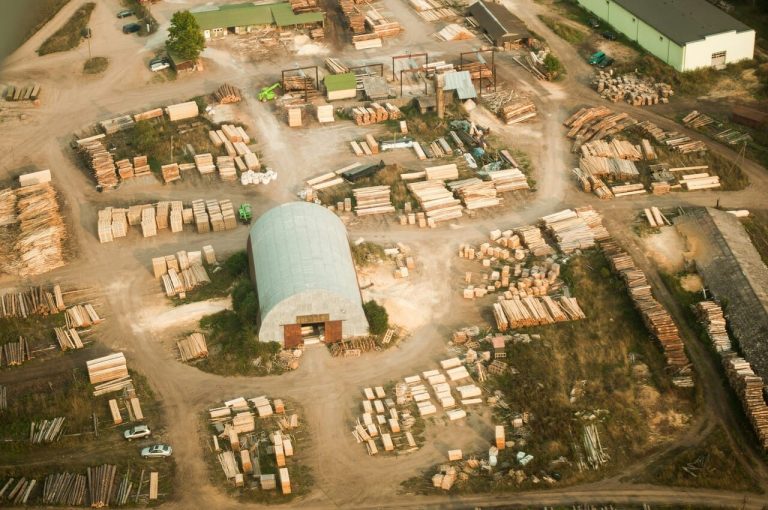
What Color is Cedar: Discover the Rich Hues and Tones
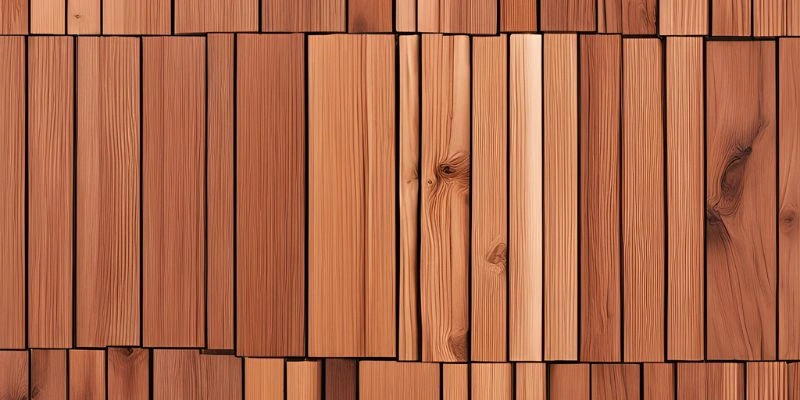
Cedar wood boasts a unique and appealing color. Its rich hues range from light amber to deep reddish-brown, providing a warm, inviting look.
This color variation depends on the type of cedar and its age. Cedar is highly valued for its beauty and durability. The wood’s color can enhance the charm of furniture, decks, and siding. Freshly cut cedar typically has a pinkish-red hue, which darkens over time.
Exposure to sunlight and weathering can further transform its color, giving it a silver-gray patina. Understanding cedar’s color helps in choosing the right wood for your project. Whether for aesthetic appeal or practical use, cedar’s color plays a crucial role in its selection. Let’s explore more about the intriguing colors of cedar wood.
Introduction To Cedar Colors
Cedar wood is known for its stunning colors and textures. From rich reds to warm browns, cedar offers a range of hues. Understanding these colors can help in choosing the right cedar for your needs.
Natural Beauty Of Cedar
Cedar’s natural beauty is truly captivating. The wood often features a unique grain pattern. This adds character and charm to any project. Its color can vary based on the tree’s age and environment. Freshly cut cedar has a vibrant, reddish hue. Over time, it can weather to a beautiful silver-gray. This natural aging process enhances its visual appeal.
Variety Of Cedar Species
There are several species of cedar, each with distinct colors. Western Red Cedar is one of the most popular. It ranges from pale yellow to deep reddish-brown. This variety is often used for outdoor projects. Eastern Red Cedar, also known as aromatic cedar, has a rich, reddish color. It is commonly used in closets and chests due to its pleasant scent.
Another notable species is Alaskan Yellow Cedar. It has a light, yellowish hue that stands out. This type is prized for its durability and resistance to decay. Each cedar species offers unique colors and characteristics. Choosing the right one can enhance the beauty and longevity of your projects.
Red Cedar Tones
Cedar wood is known for its beautiful red tones, making it a popular choice for furniture and construction. Red cedar offers a range of warm hues that can enhance any space. Understanding these tones can help you make the right choice for your project.
Warm Red Hues
Red cedar comes in various warm hues. You will find shades from light pinkish-red to deep, rich burgundy. These warm tones give cedar its unique charm. The wood’s grain patterns add depth to these colors. Each piece of cedar is unique due to its natural color variations.
Aging And Color Change
Red cedar’s color changes over time. Initially, it has vibrant red hues. With exposure to sunlight and air, the wood darkens. Over the years, it develops a more rustic and weathered look. This aging process adds character and charm. Proper care can slow this color change.
Yellow Cedar Shades
When people think of cedar, they often imagine the deep, rich red hues of Western Red Cedar. However, cedar comes in a variety of shades, including the softer, more subtle tones of Yellow Cedar. Yellow Cedar, also known as Alaska Cedar or Nootka Cypress, boasts a beautiful range of yellow hues that can brighten any space. Let’s dive into the charming world of Yellow Cedar Shades.
Soft Yellow Tints
Yellow Cedar is prized for its soft yellow tints, which can range from pale, almost creamy yellows to slightly darker, golden hues. These tints add warmth and elegance to any woodwork. Unlike the bold colors of some other woods, the gentle yellow of Yellow Cedar offers a subtle, sophisticated charm.
Why are these tints so appealing? They bring a natural lightness to spaces, making rooms feel more open and airy. The soft yellow shades are perfect for creating a calm and inviting atmosphere. Whether used in furniture, paneling, or decorative accents, Yellow Cedar’s gentle tones can complement a variety of interior styles.
Factors Influencing Color
Several factors influence the color of Yellow Cedar. Let’s break them down:
- Age of the Tree: Older trees tend to have richer, more developed colors. Younger trees often display lighter, more subtle tints.
- Location: The geographical location where the tree grows affects its color. Trees grown in different regions might show slight variations in hue.
- Exposure to Light: Cedar wood changes color over time when exposed to light. Prolonged exposure can darken the wood, adding depth to its yellow shades.
These factors combine to give each piece of Yellow Cedar its unique appearance. Think of it like a fingerprint – no two pieces are exactly alike, which adds to the wood’s charm and appeal.
Yellow Cedar offers a delightful alternative to the more commonly known red cedar varieties. With its soft yellow tints and the factors influencing its unique color, it’s a wonderful choice for those looking to add a touch of natural elegance to their homes. Next time you’re considering wood for your project, give Yellow Cedar a thought. Its gentle hues might be just what you need to create that perfect, inviting space.
Western Red Cedar
When we talk about Western Red Cedar, we are delving into a world of natural beauty and versatility. This type of cedar is known for its remarkable color and enduring qualities. But what makes Western Red Cedar stand out? Let’s explore its distinctive red-brown color and how the environment can impact its hue.
Distinctive Red-brown Color
Western Red Cedar is celebrated for its unique and rich red-brown color. This color can vary slightly, ranging from a light amber to a deep, reddish-brown hue. You might wonder, what gives it this stunning shade? The secret lies in the tree’s natural oils and tannins, which not only lend it this beautiful color but also provide resistance against insects and decay.
Imagine walking through a cedar forest. The warm, reddish tones of the tree bark greet you, creating a sense of warmth and tranquility. This color is not just skin-deep. It penetrates through the wood, making Western Red Cedar a favorite for both indoor and outdoor projects. Whether it’s siding, decking, or furniture, this wood adds a touch of elegance and natural charm.
Environmental Impact On Color
While Western Red Cedar’s red-brown color is naturally stunning, the environment plays a significant role in its appearance. Exposure to elements such as sunlight, rain, and wind can alter the cedar’s color over time. This weathering process can turn the red-brown hues to a beautiful silver-gray patina. Some people cherish this weathered look, considering it to add character and a sense of history to their cedar projects.
Here’s a tip: If you prefer to maintain the original red-brown color, consider applying a UV-blocking finish. This can help protect the wood from the sun’s rays, preserving its rich color for a longer time. Remember, no finish lasts forever, so regular maintenance is key.
Have you ever noticed how certain parts of a cedar fence might look different from others? That’s the environment at work! Areas shaded by trees or buildings may retain their original color longer, while exposed sections transition to that classic silver-gray. It’s like nature’s own way of painting a picture, right in your backyard.
To summarize:
- Western Red Cedar’s color ranges from light amber to deep reddish-brown.
- The natural oils and tannins contribute to its distinctive hue and durability.
- Environmental factors like sunlight and rain can change its color over time.
- UV-blocking finishes can help maintain the original color.
So, whether you love the fresh red-brown look or the weathered silver-gray, Western Red Cedar offers a beautiful, natural option for any project. Happy woodworking!
Eastern Red Cedar
Eastern Red Cedar, known for its beauty and durability, is a popular choice for woodworking. This type of cedar has a unique appearance that makes it stand out. Its color can vary, providing a rich and warm aesthetic to any project.
Rich Reddish-purple
Eastern Red Cedar boasts a rich, reddish-purple hue. This vibrant color is a natural feature of the wood. It gives furniture and other wooden items a distinctive look. The color can deepen over time, enhancing the wood’s appeal.
Variation In Heartwood And Sapwood
The heartwood of Eastern Red Cedar is typically a deep, rich color. It can range from red to purple. This part of the tree is denser and more durable. The sapwood, on the other hand, is lighter. It often appears in shades of white or light yellow.
This contrast between heartwood and sapwood creates a striking visual effect. It adds character and uniqueness to each piece of wood. Craftsmen and woodworkers value these variations for their aesthetic appeal.
White Cedar Characteristics
White cedar is a popular choice for many woodworking projects. It has unique characteristics that distinguish it from other types of wood. This section explores the color and weathering effects of white cedar.
Pale White To Light Brown
White cedar ranges from pale white to light brown. The heartwood is usually light brown. The sapwood is often pale white. This color variation adds character to the wood. It also gives a natural and elegant look to furniture and structures.
Weathering Effects
White cedar weathers beautifully over time. Exposure to sunlight and weather changes its color. It starts to turn a silvery gray. This gray patina adds a rustic charm. It makes white cedar an attractive choice for outdoor projects. The weathering also helps the wood blend with natural surroundings.
Preserving Cedar Colors
Cedar wood is known for its rich and vibrant colors. These colors can range from light amber to deep brown. Over time, cedar can lose its original hue. Preserving cedar colors requires specific techniques and regular maintenance.
Finishing Techniques
Using a clear sealant helps maintain cedar’s natural colors. Apply the sealant evenly for the best results. Another technique involves using a stain. A stain can enhance the wood’s color while providing protection. Choose a stain that complements the natural tones of cedar. Ensure the wood is clean before applying any finish. This helps the product adhere better.
Maintenance Tips
Regular cleaning is essential for preserving cedar colors. Use a soft brush and mild soap. Avoid harsh chemicals; they can damage the wood. Reapply the sealant or stain as needed. This keeps the wood protected and vibrant. Inspect the wood periodically for signs of wear. Address any issues promptly to prevent further damage.
Applications Of Cedar
Cedar is a versatile and beautiful wood that has been used for centuries in various applications. Its natural color, durability, and resistance to decay make it a popular choice in many industries. Whether you’re building a house or crafting furniture, cedar is a reliable and attractive option. Let’s explore some common uses of cedar in construction and furniture.
Cedar In Construction
Cedar wood is highly valued in the construction industry. Its natural resistance to moisture and insects makes it perfect for outdoor projects. Here are some common ways cedar is used in construction:
- Fencing: Cedar fences are popular because they are long-lasting and require little maintenance. The wood’s natural oils act as a preservative, making it resistant to rot and decay.
- Decking: Cedar decks are beautiful and durable. The wood’s natural color can range from light honey to rich reddish-brown, adding a warm, inviting feel to any outdoor space.
- Shingles and Siding: Cedar shingles and siding are not only attractive but also highly functional. They provide excellent insulation and are resistant to weather damage.
Cedar In Furniture And Decor
When it comes to furniture and decor, cedar is a top choice for its beauty and pleasant aroma. Here’s how cedar is commonly used in this area:
- Closets and Chests: Cedar is often used to line closets and make chests because its scent repels moths and other insects. Have you ever opened a cedar chest and been greeted by that fresh, woodsy smell? It’s delightful!
- Outdoor Furniture: Cedar is a fantastic material for outdoor furniture. It can withstand the elements and ages gracefully. Imagine sitting on a cedar bench, enjoying your garden on a sunny day.
- Decorative Items: Cedar is also used for smaller decorative items such as picture frames, candle holders, and more. Its unique grain and color add character to any piece.
In conclusion, cedar is a remarkable wood with many applications. Its natural properties make it ideal for both construction and furniture. So next time you see a cedar fence or a beautiful cedar chest, you’ll know why this wood is so special!
Frequently Asked Questions
Is Cedar A Red Or Brown?
Cedar wood typically has a reddish-brown color. The hue can vary from light to dark shades.
What Color Is Cedar Tone?
Cedar tone is a warm, reddish-brown color. It mimics the natural appearance of cedar wood.
What Color Is Cedar Brown?
Cedar brown is a rich, warm color resembling the natural hue of cedar wood. It has reddish-brown tones.
What Color Stain Matches Cedar?
Natural cedar stain, light brown, or honey tones match cedar wood best. These colors enhance cedar’s natural beauty.
Conclusion
Cedar wood offers unique colors and beauty. Its shades range from red to brown. The color can change over time. Exposure to sunlight darkens the wood. Cedar is a popular choice for many. It suits both indoor and outdoor projects.
Its natural look adds warmth to spaces. Consider cedar for your next project. Enjoy its timeless appeal and charm.