How Long Does E6000 Glue Take to Dry? (Set Time & Full Cure Guide)
E6000 gets tacky in about 2 minutes, sets in about 45 minutes, and reaches full cure in 24 hours as a thin film or 48 to 72 hours as a thick bead, according to Eclectic Products’ current Craft data sheet. Older sheets and many guides quote a 20 minute set time because the formula and the paperwork have changed. Below you will find the milestone table, a plan-ahead chart, what each wait means for wood projects, and a flammability warning for newer tubes.
How Long Does E6000 Take to Dry? Tack, Set and Full Cure Times
Best Standard E6000 Tube Pick
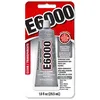 |
E6000 Clear Craft Adhesive, 1 fl oz Tube ($7.25) The standard clear E6000 tube is the product the cure times in this guide describe: about 2 minutes to tack, 24 hours to cure as a thin film, up to 72 hours as a thick bead.
|
As an Amazon Associate we earn from qualifying purchases.
Eclectic publishes three separate numbers, and they mean different things. Mix them up and you either move a joint too late or wait three days for nothing.
| Milestone | Time (Craft data sheet, Rev 6) | What it means for your project |
|---|---|---|
| Tack time | About 2 minutes | The adhesive starts to get sticky. The directions say to let it partially cure about 2 minutes before you press the two coated surfaces together. |
| Set time | 45 minutes (data sheet) or about 10 minutes (Eclectic product page) | The bond is holding on its own. Eclectic does not define the term, so read it as stays in place, not ready to use. |
| Full cure, thin film | 24 hours | Eclectic says to allow 24 hours for curing. |
| Full cure, thick film | 48 to 72 hours | Maximum strength may not arrive until day two or three, depending on the materials and temperature. |
Both Eclectic sheets add that set time varies with the material, humidity and temperature. Source for every number in this table: E6000 Craft Technical Data Sheet, Rev 6. The current Industrial sheet (Rev 3) lists identical tack, set and cure times.
Why Guides Disagree: E6000 Data Sheets From 2016 and Today
The most common complaint about E6000 timing is that two reputable-looking sources give different set times. They are both quoting Eclectic, just from different paperwork. We read the sheets directly and lined them up.
| Source | Solvent listed | Tack | Set | Full cure |
|---|---|---|---|---|
| Craft data sheet, Rev 07 (Nov 2016) | Perchloroethylene; uncured liquid listed as non-flammable | About 4 minutes | 20 minutes | 24 hours thin, 48 to 72 hours thick |
| Craft data sheet, Rev 6 (current, USA) | Toluene and petroleum distillates, listed as flammable | About 2 minutes | 45 minutes | 24 hours thin, 48 to 72 hours thick |
| Industrial data sheet, Rev 3 (current) | Toluene and petroleum distillates, listed as flammable | About 2 minutes | 45 minutes | 24 hours thin, 48 to 72 hours thick |
| Eclectic product page | Not stated | About 2 minutes | About 10 minutes | 24 to 72 hours |
Two things stand out. The full cure window has never moved: 24 hours thin, 48 to 72 hours thick. The tack and set numbers did move, and the solvent listed changed from perchloroethylene to toluene and petroleum distillates, which also changed the flammability wording. That is why a page written years ago can quote a 20 minute set time and still have been right when it was written.
Which sheet applies to your tube depends on when and where it was made, so read the label and the safety data sheet for the exact one in your hand. Our E6000 how-to guide has a side-by-side table of the formulas and their safety data sheets.
Thin Film vs Thick Film: Plan Your Cure Window
Eclectic splits cure time into thin film and thick film but does not publish the thickness where one becomes the other. It also states that the adhesive hardens by solvent evaporation. Our reading, which is an inference and not a manufacturer statement, is that solvent in a deep bead has farther to travel, so a bead cures from the outside in. The practical rule is simple: if you cannot tell which case you are in, plan for 72 hours.
Here is the same glue-up started on a Friday at 6 pm, using the Rev 6 numbers:
| Milestone | Earliest time | Plan around this |
|---|---|---|
| Tack | Friday about 6:02 pm | Press the coated surfaces together now |
| Set (data sheet figure) | Friday about 6:45 pm | Stops sliding; still do not stress it |
| Full cure, thin film | Saturday 6 pm | Dot of glue under a bead or a hairline repair |
| Full cure, thick film | Sunday 6 pm to Monday 6 pm | A fillet filling a gap or a heavy dab on a loose trim piece |
What Changes the Timeline: Temperature, Humidity and Airflow
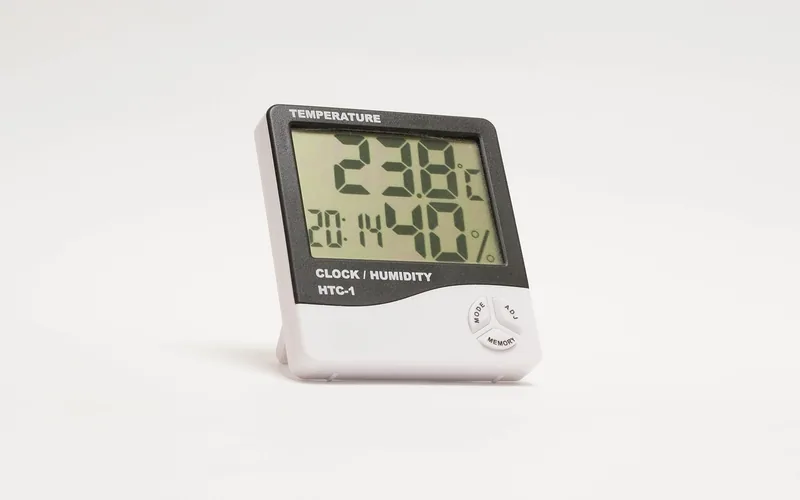
- Temperature: Eclectic’s ideal application range is 50 to 90 degrees F (10 to 32 degrees C). A tube stored in the cold may thicken, and the sheet says to warm it to room temperature before use.
- Humidity: the data sheet names humidity as a variable but publishes no correction factors. Any article that tells you to add a specific number of hours at 70 percent humidity is guessing.
- Film thickness: the one variable Eclectic does quantify, through the 24 hour versus 48 to 72 hour split above.
- Service temperature after cure: a fully cured bond tolerates -40 to 180 degrees F (-40 to 82 degrees C) intermittently, per the Craft sheet, so a cured joint in a hot garage is fine.
If you need the bond sooner, our guide to speeding up E6000 drying time covers the safe methods. One caution that comes from the data sheet rather than from that guide: the solvent in current formulas is listed as flammable, so we would not point a heat gun or any flame at uncured adhesive. That is our safety judgement, not an Eclectic instruction.
When Can You Reposition, Paint, Wash or Wet the Bond?
| What you want to do | How long to wait | Basis |
|---|---|---|
| Reposition a piece | Only in the first couple of minutes before contact | Directions: bond forms immediately and is difficult to reposition once both coated surfaces are pressed together |
| Paint or finish over it | Until fully cured (24 to 72 hours) | Industrial sheet says to paint over E6000 after curing; the adhesive is paintable |
| Put it under load or flex it | Full cure, up to 72 hours | Maximum strength may not be reached for 48 to 72 hours |
| Wash or machine-dry fabric | Full cure; we suggest 72 hours to be safe | Craft sheet calls it washer and dryer safe but gives no wait time, so the 72 hours is our conservative judgement |
| Submerge in fresh or salt water | After complete cure | Industrial sheet |
| Contact with food, drinking water or animals | Never | Craft sheet: not recommended for these |
Two more limits from the data sheets: E6000 is not recommended for polystyrene, polyethylene, polypropylene, Styrofoam or paper products, and the directions call for clean, dry surfaces that have been lightly roughened.
What E6000 Cure Time Means for Wood Projects
On wood, the Craft sheet lists a lap shear strength of 200 psi (ASTM D1002/D3163), compared with 210 psi on metal and 70 psi on laminate. Glass is listed at 200 psi in a different test, dolly pull (ASTM D1583), so the two numbers are not directly comparable. Those are the manufacturer’s own figures for a fully cured bond, which is the reason to respect the 24 to 72 hour window before the piece carries any weight.
E6000 suits decorative wood, inlays, trim touch-ups and mixed-material crafts where flexibility matters. For a load-bearing joint, use a wood glue instead; see our guide to where E6000 holds on wood and where it fails, our E6000 on glass guide for mixed wood-and-glass pieces, and the wood glue buying guide for structural joints.
Flammable Solvent and Fumes: Check Your Tube Before You Glue Indoors
This is the part most drying-time articles skip. The label on your tube decides how careful you need to be.
- Current Craft and Industrial sheets: solvent listed as toluene and petroleum distillates, marked flammable. The Craft sheet also carries a California Proposition 65 warning that toluene is known to cause birth defects or other reproductive harm.
- 2016 Craft sheet: perchloroethylene solvent, uncured liquid listed as non-flammable.
- E6000 Premium MV (Eclectic safety data sheet, Feb 2024): flammable liquid category 2, closed-cup flash point 6 degrees C (42.8 degrees F), hazard statements for highly flammable liquid and vapor, skin allergic reaction, serious eye irritation and drowsiness or dizziness. The precautions say to use only outdoors or in a well-ventilated area and to keep away from heat, sparks and open flames.
Because the adhesive hardens by solvent evaporation, the solvent is leaving the joint throughout the cure window. Work with windows open or a fan moving air out, keep ignition sources away until the smell has gone, and keep the glued piece out of a closed car or small room while it cures. Our E6000 application guide walks through gloves, ventilation and cleanup.
Cleanup, Storage and Shelf Life
Eclectic’s directions say to clean uncured adhesive with acetone or citrus-based solvents and to remove cured material by cutting or scraping. Both can mark finished surfaces, so test first. Keep the cap on tightly; the sheet suggests a thin coat of petroleum jelly on the threads for easy cap removal later. Unopened shelf life is listed as 2 years, and a cold tube that has thickened should be brought to room temperature before use.
If you are choosing between adhesives by cure behavior, E6000 hardens as solvent evaporates, while original Gorilla Glue relies on moisture. Our Gorilla Glue vs E6000 comparison and Gorilla Glue cure time guide cover that product, and the PVC cement cure time chart is the right page if you are gluing pipe.
Frequently Asked Questions
How long does E6000 take to dry?
E6000 turns tacky in about 2 minutes and holds its position at the set time, which Eclectic’s current Craft data sheet lists as 45 minutes and its product page lists as about 10 minutes. Dry to the touch is not the same as cured. Plan on 24 hours for a thin film before you handle the piece normally.
How long does E6000 take to fully cure?
Eclectic lists full cure as 24 hours for a thin film and 48 to 72 hours for a thick film. The data sheet says maximum strength may not be reached for 48 to 72 hours, depending on the materials and temperature. If you cannot tell whether your bead counts as thin or thick, wait the full 72 hours.
Is E6000 waterproof once it dries?
After it has completely cured, yes. Eclectic’s Industrial data sheet says the cured adhesive can be submerged in fresh and salt water, and the Craft sheet rates cured chemical resistance as excellent to water. Keep the joint dry until the full cure window has passed, and do not use E6000 on anything that touches food, drinking water or animals.
Can you make E6000 dry faster?
Only within limits. Eclectic’s ideal application range is 50 to 90 degrees F (10 to 32 degrees C), and a thinner layer cures sooner than a thick one because the solvent escapes more quickly. Eclectic publishes no accelerator or heat method, and the solvent is flammable, so keep heat guns and flames away from uncured adhesive.
How long should you clamp E6000?
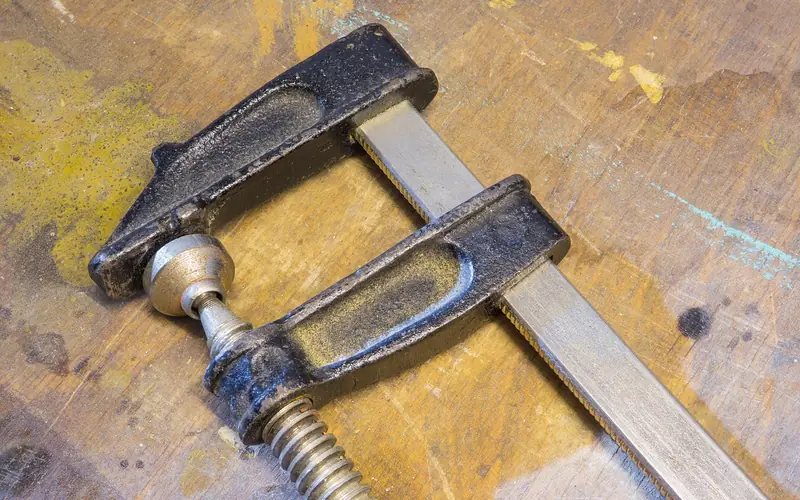
Eclectic gives no clamp time. Its directions say to apply adhesive to both surfaces, wait about 2 minutes, then press them together with enough pressure to make full contact. The bond forms immediately and is hard to reposition afterward. Hold or clamp lightly until the piece stays put by itself, then leave it undisturbed for the full cure.
Is E6000 flammable?
It depends on the formula. Eclectic’s current Craft and Industrial data sheets list the solvents as toluene and petroleum distillates and mark them flammable. A 2016 Craft sheet listed perchloroethylene and called the uncured liquid non-flammable. E6000 Premium MV has a 2024 safety data sheet with a closed-cup flash point of 6 degrees C (42.8 degrees F). Check your tube.
Conclusion
Treat E6000 as a three-stage glue: tack in about 2 minutes, set in the first hour, and cure over 24 to 72 hours. Press the pieces together early, leave the joint alone for the full window, and read your tube’s own label before you glue indoors, because the safety profile differs between formulas.
Sponsored / affiliate links. As an Amazon Associate I earn from qualifying purchases. I may earn additional commission from eligible campaigns.