What Does Wood Look Like When Termites Eat It: Key Dangers
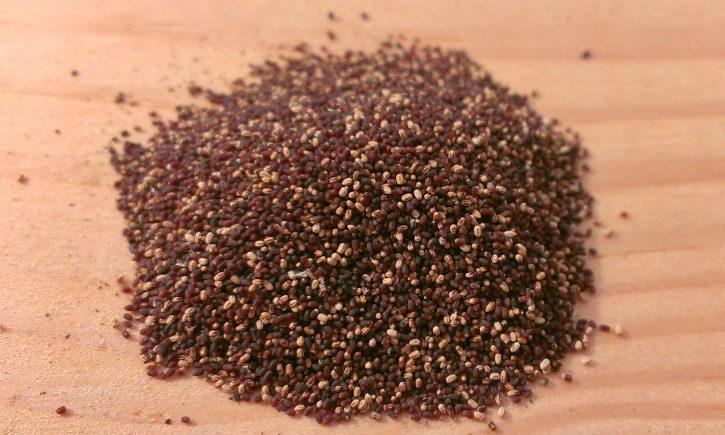
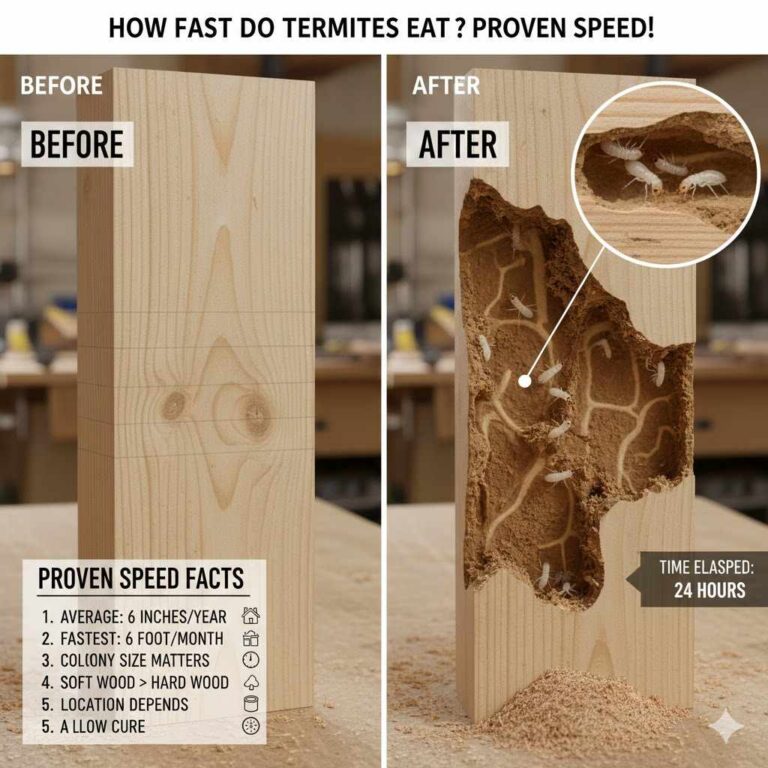
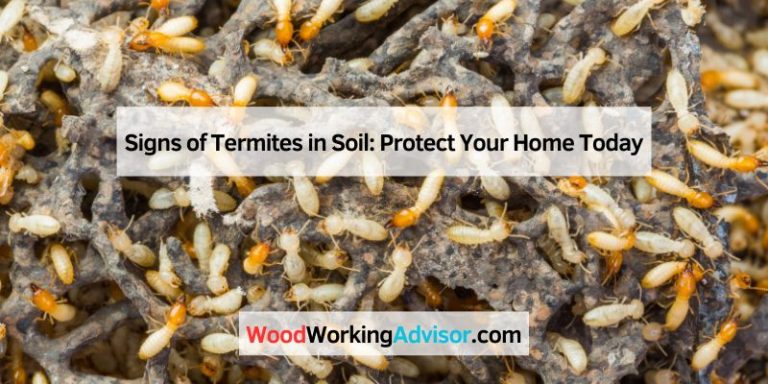
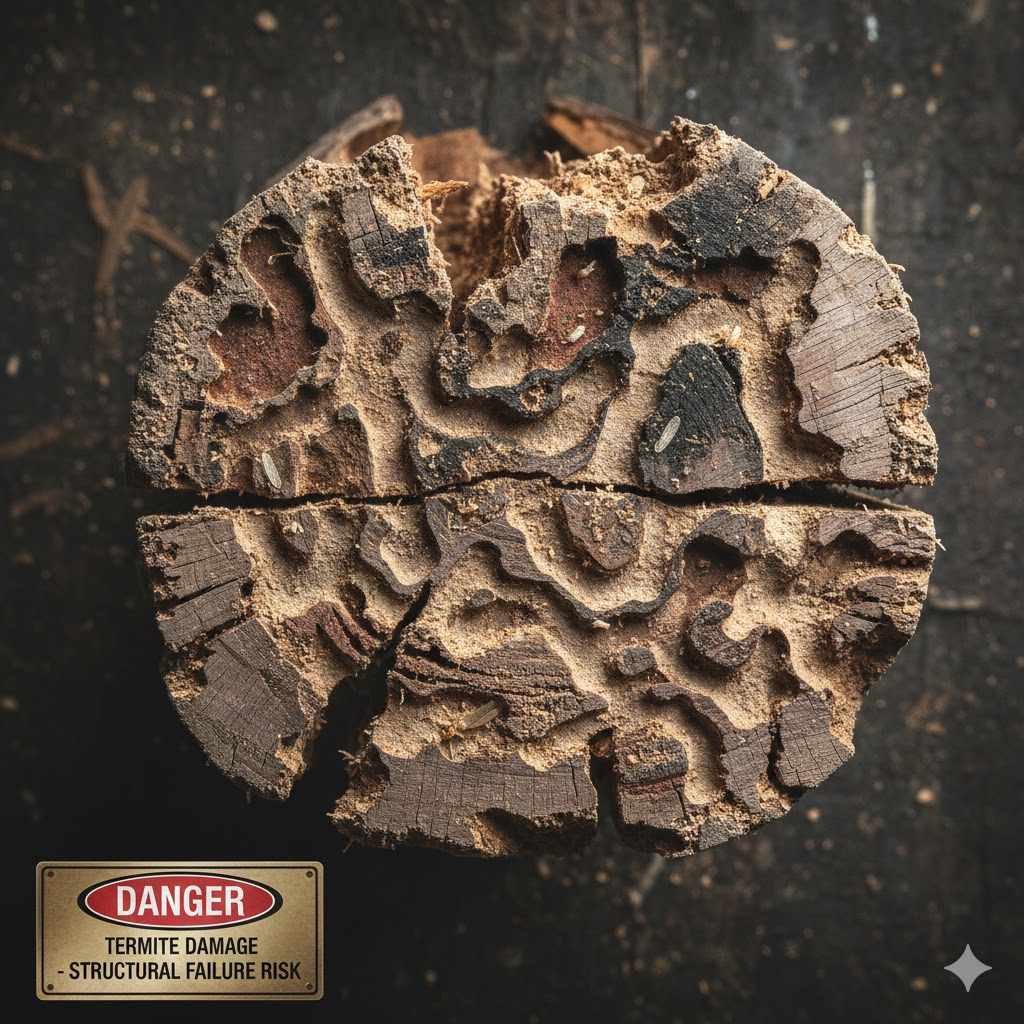
Wood eaten by termites looks hollowed out from the inside, often with a maze-like pattern of tunnels or galleries. The surface might appear fine, but tapping it will sound empty. You may also see small holes, mud tubes on surfaces, or tiny, wood-colored pellets nearby. It feels light and crumbles easily.
Hello there! It’s Md Meraj, your friendly guide in the world of woodworking. Few things make a homeowner or wood-lover’s heart sink faster than the thought of termites. These tiny pests can cause big trouble. But what does their damage actually look like? It can be tricky to spot. Many people worry they won’t recognize it until it’s too late.
Don’t worry. Today, we’re going to solve that problem together. I’ll show you exactly how to spot wood that termites have eaten. We will look at the clear signs and talk about the dangers. You’ll leave feeling confident and ready to protect your home and projects. Let’s get started!
Termites are called “silent destroyers” for a good reason. They often eat wood from the inside out, leaving the outer surface looking perfectly normal. This can hide a lot of damage. Knowing the specific signs to look for is your best defense. Let’s break down exactly what you need to keep an eye on.
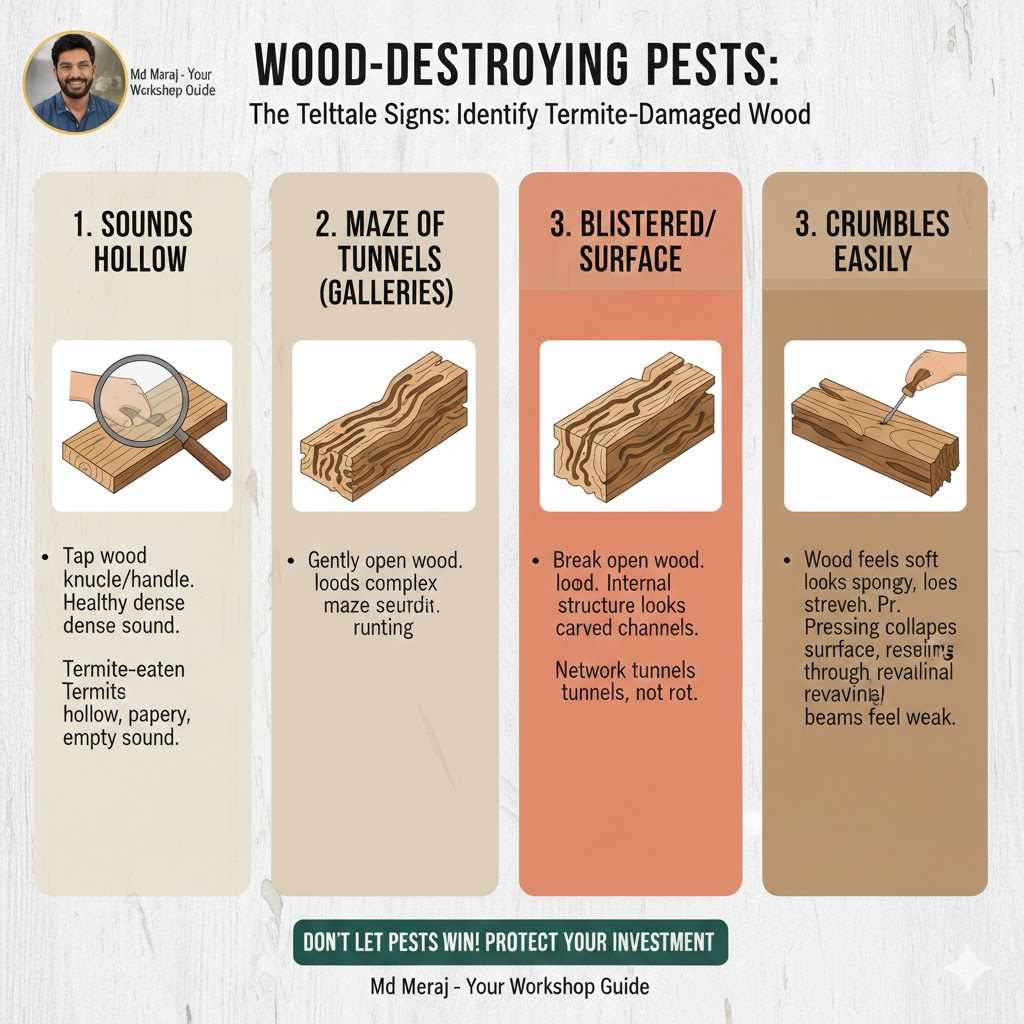
The Telltale Signs: How to Identify Termite-Damaged Wood
Imagine picking up a piece of wood that looks solid, but feels strangely light. That’s the classic termite experience. Here are the key things to check for.
It Sounds Hollow
This is often the first clue. Take a screwdriver handle or your knuckle and tap on a piece of wood you suspect has termites. A solid, healthy piece of wood will have a dense, full sound. Wood that termites have eaten will sound hollow, papery, or empty. The termites have eaten away the core, leaving a thin shell.
You See a Maze of Tunnels (Galleries)
If you break open a piece of damaged wood, the internal structure will tell you a lot. Termites create long grooves or tunnels called galleries. These tunnels often follow the grain of the wood. The inside will look like a honeycomb or a complex maze. This is very different from other types of wood damage. It’s not rot; it’s a network of channels carved out by insects.
The Surface Looks Blistered or Rippled
As termites eat the wood just beneath the surface, they can leave the outer layer paper-thin. This can make the paint or wood finish look bubbled, rippled, or uneven. It might look like there’s water damage, but the area will be dry. Pressing on these spots with your finger might cause them to collapse, revealing the tunnels underneath.
It Crumbles Easily
Wood damaged by termites loses all of its strength. It can become soft and spongy. You might be able to poke a screwdriver or even your finger right through it with very little effort. If a structural beam or floorboard feels weak and crumbles when you apply pressure, termites are a likely culprit.
Subterranean vs. Drywood Termites: What’s the Difference in Damage?
Not all termites are the same. The two most common types you’ll encounter are Subterranean and Drywood termites. They leave behind different clues. Knowing the difference helps you understand the problem better.
Subterranean termites live underground in large colonies and need moisture to survive. They build protective tunnels out of mud, saliva, and feces to travel from their soil nests to their food source (the wood in your home). This is why mud tubes are a key sign of this type of termite.
Drywood termites, on the other hand, live entirely inside the wood they eat. They don’t need contact with the soil. They get all the moisture they need from the wood itself. This means you won’t find mud tubes. Instead, you will find their droppings, called frass.
Here’s a simple table to help you tell them apart:
| Sign | Subterranean Termites | Drywood Termites |
|---|---|---|
| Tunnels (Galleries) | Run with the grain of the wood. They are often filled with mud and soil, looking dirty. | Run both with and against the grain, creating large chambers. They look smooth and clean inside. |
| Droppings (Frass) | Use their feces to build tunnels, so you won’t see loose pellets. | Push their droppings out of the wood through small “kick-out holes.” The droppings look like tiny, six-sided wood-colored pellets. |
| Travel Clues | Build pencil-sized mud tubes on foundation walls, joists, or pipes to travel. | No mud tubes. You might find shed wings from swarms near windowsills or light sources. |
| Wood Preference | Prefer softwoods. They eat the softer springwood, leaving the harder summerwood grain behind. | Can infest both softwoods and hardwoods. They will eat right through the grain. |
A Closer Look: Specific Examples of Termite Damage
Knowing the general signs is great, but let’s see how they apply to different parts of your home and projects. The damage might look slightly different depending on where you find it.
Structural Wood (Beams, Joists, and Studs)
This is where termite damage becomes truly dangerous. In structural timbers inside your walls or crawlspace, the damage is almost always hidden. You might not know you have a problem until it’s very serious. The wood will be eaten from the inside, so tapping on support beams is crucial. A hollow sound in a main support beam is a major red flag. Over time, the weakened wood can sag or warp, causing ceilings to dip, floors to feel bouncy, or doors and windows to stick.
Wooden Furniture and Cabinets
Drywood termites often infest individual pieces of furniture. If you bring an antique piece home, inspect it carefully first! Look for tiny holes on the surface. These are the kick-out holes where they push their frass. You might see small piles of these pellets building up underneath the furniture. The wood may also have hollow spots or appear blistered under the finish.
Exterior Wood (Decks, Fences, and Siding)
Exterior wood is exposed to the elements, which can sometimes mask termite damage. The wood may already be weathered or cracked. Subterranean termites are common here. Look for mud tubes running up fence posts or deck supports from the ground. Wood that is in direct contact with soil is at the highest risk. Probe the wood with a screwdriver. If it’s soft and easily penetrated, it could be a sign of termites or rot, both of which are serious problems.
Beyond the Wood: Other Signs of a Termite Infestation
Sometimes, the first sign of termites isn’t the damaged wood itself. There are other clues that can alert you to their presence. Keep your eyes open for these signs around your home and workshop.
- Frass: As we discussed, these tiny, wood-colored pellets are a sure sign of Drywood termites. They look like coarse sand or coffee grounds and accumulate in small piles.
- Mud Tubes: These are the highways for Subterranean termites. Look for them on your home’s foundation, especially in crawl spaces and basements. They are about the width of a pencil. Break a piece off—if you see tiny, white insects inside, you have an active infestation.
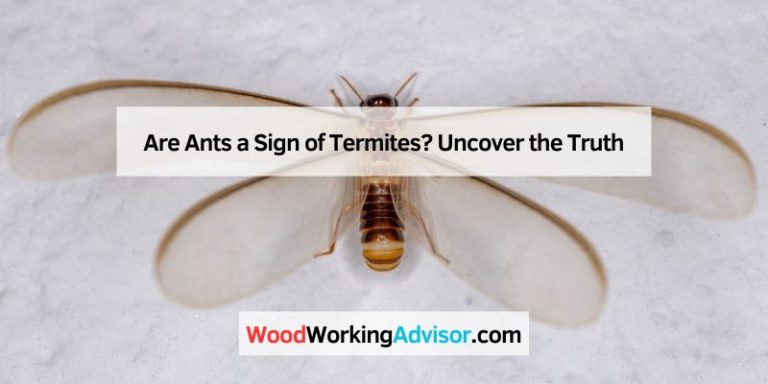
- Shed Wings: Termites often swarm in the spring to start new colonies. After they find a mate, they shed their wings. Finding piles of identical, discarded wings on windowsills, porches, or in spider webs is a strong indicator of a nearby termite nest.
- Sticking Windows or Doors: As termites eat through wooden frames, the structures can warp. This causes doors and windows that used to work perfectly to become difficult to open or close.
- Blistered Paint or Drywall: Termite activity just below a surface can cause bubbling or peeling. It may look like minor water damage, but it’s a sign that the wood or drywall paper underneath is being destroyed.
Key Dangers of Termite Damage: Why Early Detection Matters
Spotting termite damage isn’t just about protecting a piece of wood; it’s about protecting your entire home and your safety. The dangers are very real, which is why acting fast is so important.
1. Structural Failure
This is the greatest danger. Termites weaken the very bones of your house. They eat load-bearing walls, floor joists, and ceiling supports. Because they eat from the inside out, a beam can look perfectly fine on the outside while being dangerously weak inside. This can lead to sagging floors, collapsing ceilings, or in the worst cases, the failure of a whole section of your home. It’s a silent threat that grows over time.
2. High Financial Costs
Termite damage is expensive to fix. According to the U.S. Environmental Protection Agency (EPA), termites cause billions of dollars in damage each year. A small infestation might cost hundreds of dollars to treat, but widespread damage can lead to repairs costing tens of thousands. Worse yet, most standard homeowner’s insurance policies do not cover termite damage, leaving you to pay the entire bill yourself.
3. Loss of Irreplaceable Items
For woodworkers and collectors, termites can destroy more than just a house. They can ruin priceless antique furniture, family heirlooms, or wooden art. Once an item is damaged, it can be very difficult or impossible to restore its original beauty and value. That’s a loss that money can’t always fix.
| Danger | Description | Why It’s a Serious Concern |
|---|---|---|
| Silent Destruction | Termites work out of sight, eating the wood from the inside. | Damage can become severe before any obvious signs appear. |
| Structural Weakening | They compromise the integrity of support beams, joists, and studs. | Poses a direct threat to the safety of your home and family. |
| Exponential Growth | A termite colony can contain hundreds of thousands of members. | A small problem can become a massive infestation quickly. |
| High Repair Costs | Fixing structural damage and treating the infestation is very expensive. | Most insurance policies do not cover termite damage. |
What to Do if You Find Termite-Damaged Wood
Okay, so you’ve found some suspicious-looking wood. The most important thing is not to panic. Here’s a clear, step-by-step plan to follow.
- Don’t Disturb Them: Your first instinct might be to break open the wood and spray it with a store-bought bug killer. Please don’t do this! It will only kill the few termites you see and cause the rest of the colony to move to a different, hidden part of your house, making them harder to find and treat.
- Document What You See: Take clear photos of the damage, any insects you find, and related signs like mud tubes or frass. This will be very helpful when you talk to a professional.
- Isolate the Object (If Possible): If the damage is on a piece of furniture or a small wooden item, carefully move it outside and away from your house. Place it on a concrete slab, not on the ground, to prevent the termites from spreading.
- Call a Professional Pest Inspector: Termite control is not a DIY job. A professional has the training and equipment to find the source of the colony, identify the exact species, and recommend the most effective treatment plan. Get at least two or three inspections and quotes from reputable companies.
- Work With Them to Assess the Full Damage: Once the termites are dealt with, you’ll need to figure out how much damage they caused. This may require a contractor or structural engineer to inspect your home’s framework. They can tell you which wood needs to be repaired or replaced.
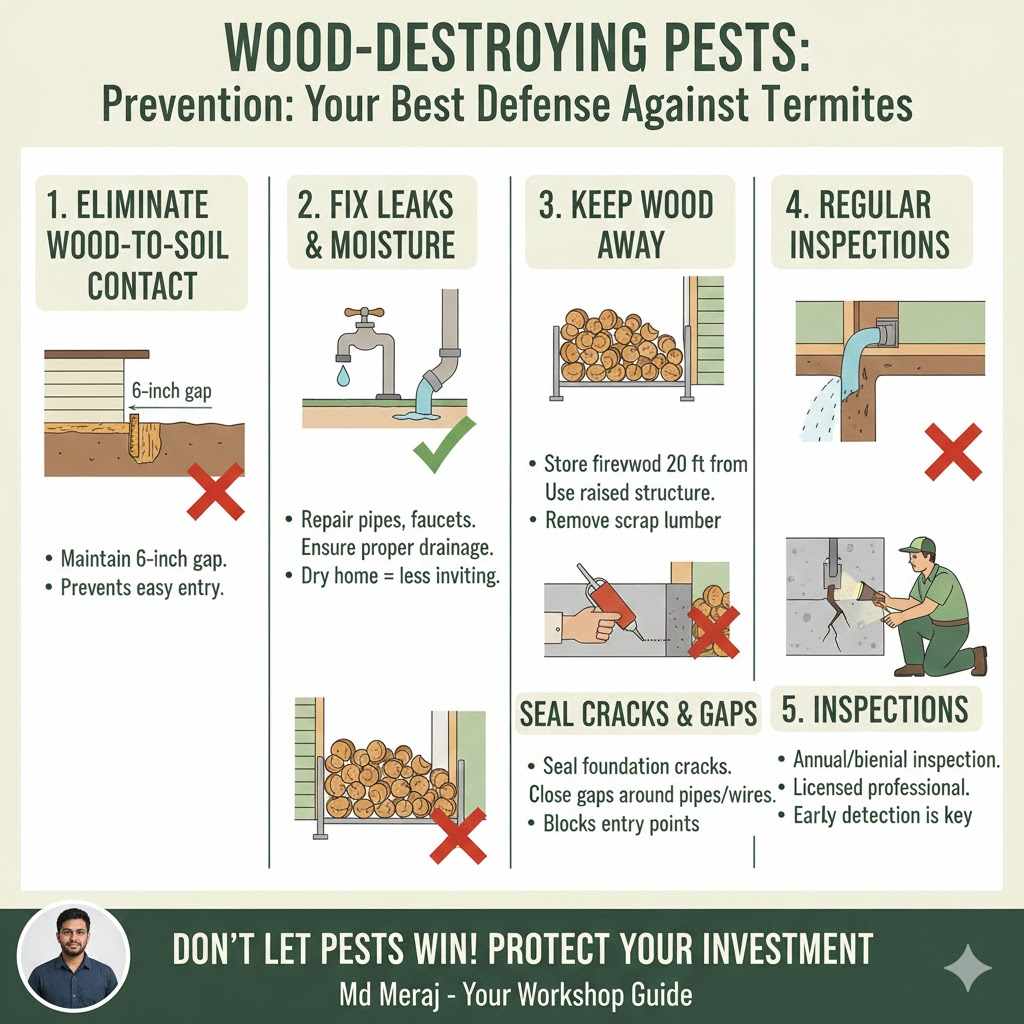
Prevention: Your Best Defense Against Termites
The best way to deal with termite damage is to prevent it from ever happening. A few simple habits can make your home much less attractive to these pests.
- Eliminate Wood-to-Soil Contact: Make sure there is at least a 6-inch gap between any wood on your home (siding, porch posts, etc.) and the soil. Termites use this contact to get into your house easily.
- Fix Leaks and Moisture Issues: Termites love moisture. Repair leaky pipes, faucets, and AC units right away. Ensure your gutters and downspouts direct water away from your foundation. A dry home is a less inviting home. A great resource for home moisture control can be found at university extension websites, like this one from the University of Minnesota Extension.
- Keep Firewood and Lumber Away: Don’t stack firewood or scrap lumber against your house or in your crawlspace. Store it on a raised structure at least 20 feet away from your foundation.
- Seal Cracks and Gaps: Seal any cracks in your home’s foundation and around utility lines or pipes where they enter the house. This closes off potential entry points for termites.
- Schedule Regular Professional Inspections: Have your home inspected by a licensed pest control professional every one to two years. They are trained to spot the early signs of trouble that you might miss.
Frequently Asked Questions (FAQ)
What is the fastest way to tell if wood has termite damage?
The fastest way is the “tap test.” Tap the wood firmly with your knuckle or a screwdriver handle. If it sounds hollow or papery instead of solid, it’s a strong sign that the inside has been eaten away by termites.
What’s the main difference between termite damage and carpenter ant damage?
Termites eat the wood for food, so their galleries are often rough and may contain mud or soil. Carpenter ants do not eat wood; they just chew it up to create nests. Their galleries are very smooth, clean, and look almost like they’ve been sanded. You’ll also see piles of coarse sawdust (called frass) nearby, which contains wood shavings and insect parts.
Can you repair termite-damaged wood?
It depends. If the damage is minor and purely cosmetic, you can use wood hardeners and fillers to repair it after the infestation is completely gone. However, if the wood is structural (like a support beam or joist), it must be replaced by a professional to ensure your home’s safety.
Does pressure-treated wood stop termites?
Pressure-treated wood is infused with chemicals that are toxic to termites, making it highly resistant but not completely immune. While termites will usually avoid it, a very determined colony might still build mud tubes over it to reach untreated wood above. It is a great preventative measure but not a guarantee.
How quickly do termites destroy a house?
It takes time. A new termite colony is small and eats slowly. It could take several years (3 to 8) for a single colony to cause significant, visible damage to a home. However, in areas with large, established termite populations, damage can occur much faster. The key is catching them early.
What do termite droppings look like?
The droppings (frass) of Drywood termites look like tiny, wood-colored, six-sided pellets. They are very hard and dry. People often mistake them for piles of sand or sawdust. Subterranean termites do not leave visible droppings; they use them to build their mud tubes.
Can you see live termites in the wood?
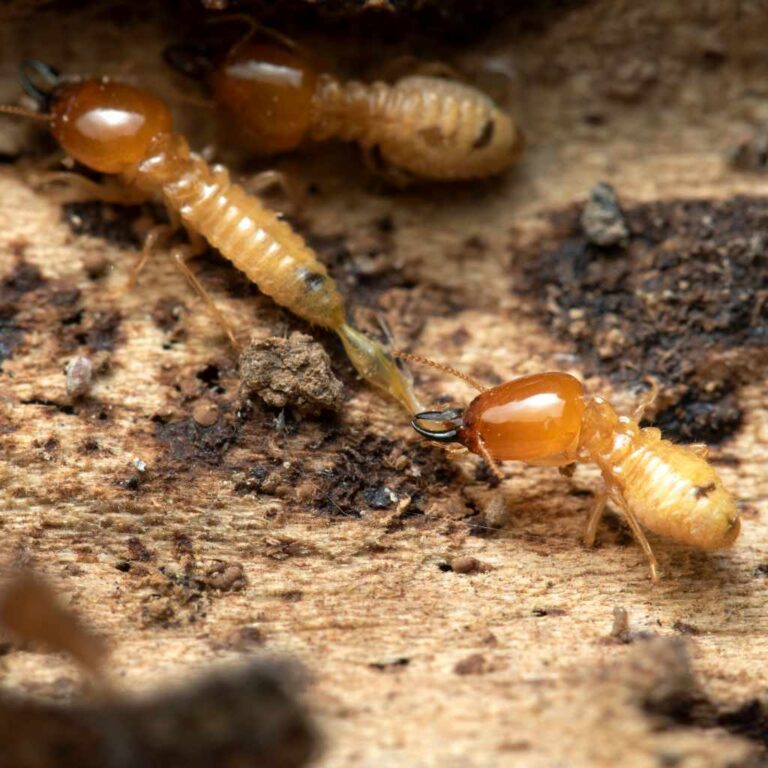
It is rare to see live termites because they stay hidden inside the wood or in their mud tubes. You are most likely to see them if you break open a piece of infested wood or an active mud tube. Termite workers are small, creamy-white insects that look like tiny ants or maggots.
Your Woodworking Journey is Safe
Discovering termite damage can be scary, but now you are armed with knowledge. You know what termite-eaten wood looks like, sounds like, and feels like. You know the subtle clues to watch for, from mud tubes to hollow sounds. This knowledge is your best tool for protecting your home, your projects, and your peace of mind.
Remember, woodworking and homeownership are journeys of learning. Every challenge we face makes us smarter and more capable. Don’t let the fear of pests discourage you. By being vigilant and acting quickly if you see a problem, you can keep your wooden world safe and sound. Keep creating, keep building, and stay observant. You’ve got this!