What is a Table Apron: Unveiling Its Secrets & Uses
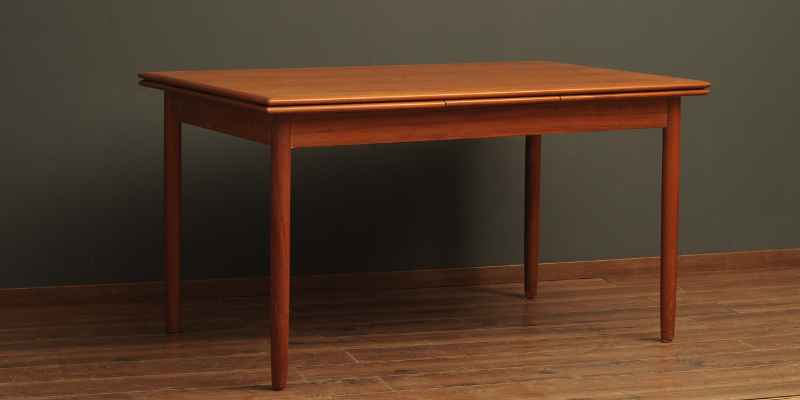
A table apron is the horizontal trim that connects the tabletop to the legs. It provides structural support and enhances the overall appearance of the table.
Table aprons play a crucial role in both functionality and aesthetics. They stabilize the tabletop, preventing sagging and ensuring durability. Available in various designs and materials, table aprons can complement any style, from rustic to modern. Craftsmen often use them to add decorative elements, enhancing the visual appeal of the furniture.
Understanding the importance of table aprons helps consumers appreciate the craftsmanship behind their furniture. Whether you’re buying a new table or designing one, knowing about table aprons can guide your choices and elevate your space. Explore different styles to find the perfect match for your home decor.
Introduction To Table Aprons
A table apron is an essential part of furniture design. It connects the tabletop to the legs. This component adds stability and style to tables. Understanding its role helps appreciate furniture craftsmanship.
The Role Of A Table Apron
The table apron serves several important functions:
- Provides stability to the table.
- Prevents wobbling and tipping.
- Hides the joinery between the tabletop and legs.
- Enhances the aesthetic appeal of the table.
Table aprons can be made from various materials. Common choices include:
- Wood
- Metal
- Plastic
Different designs can complement various styles. This includes traditional, modern, or rustic looks.
Origins And History
The table apron has a rich history. It dates back to ancient furniture. Early tables used simple designs for support.
In medieval times, table aprons became more common. Craftsmen added decorative elements. This increased the visual appeal of tables.
Here’s a brief timeline of table apron evolution:
| Period | Characteristics |
|---|---|
| Ancient Times | Basic designs for support. |
| Medieval Era | Increased decoration and craftsmanship. |
| Modern Era | Diverse materials and styles. |
Today, table aprons continue to evolve. They blend functionality with style, making them essential in furniture design.
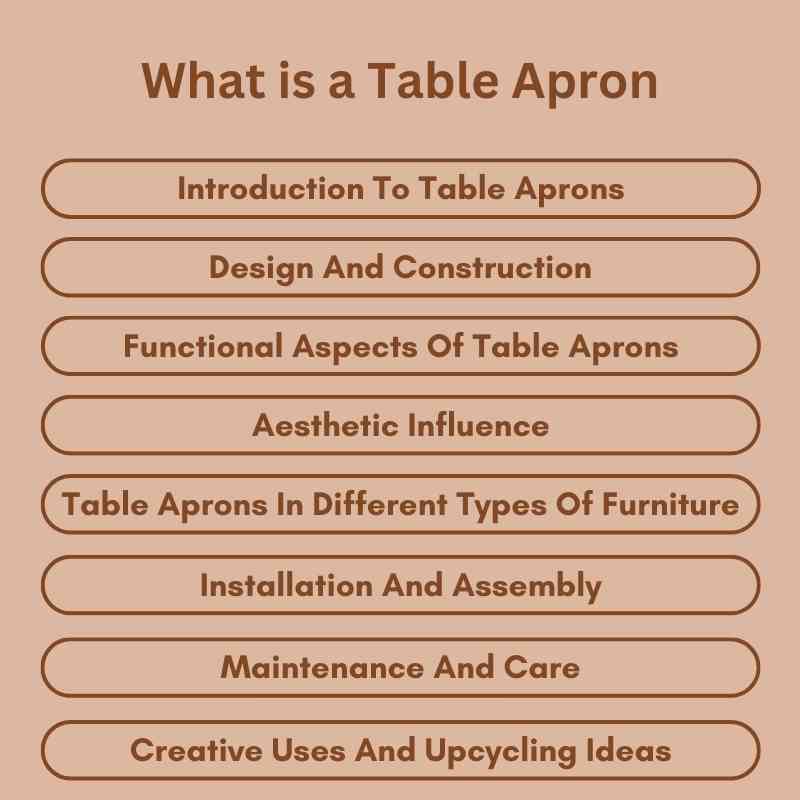
Design And Construction
The design and construction of a table apron play a vital role in a table’s overall stability and style. A table apron is the horizontal support between the legs of a table. It connects the legs to the tabletop. This structure helps distribute weight evenly and enhances the table’s durability.
Materials Commonly Used
Table aprons are made from various materials. The choice of material affects strength and aesthetics. Here are some common materials used:
- Wood: Popular for its natural look and strength.
- Metal: Provides a modern, industrial feel.
- Composite: Offers a budget-friendly option with versatility.
- Plastic: Lightweight and easy to clean.
Typical Dimensions And Shapes
Table aprons come in various dimensions and shapes. The size often depends on the table’s style and purpose. Here are some standard dimensions:
| Type of Table | Typical Apron Height | Typical Apron Width |
|---|---|---|
| Dining Table | 3 – 5 inches | 2 – 4 inches |
| Coffee Table | 2 – 4 inches | 1 – 3 inches |
| Desk | 3 – 6 inches | 2 – 5 inches |
Common shapes of table aprons include rectangular and square. Some designs feature curves for a softer look.
Functional Aspects Of Table Aprons
Table aprons are more than just decorative elements. They provide essential functions that enhance the overall utility of tables. Understanding their functional aspects helps appreciate their role in furniture design.
Structural Support And Stability
Table aprons play a critical role in maintaining stability. Here are some key points:
- Reinforcement: They support the tabletop, preventing sagging.
- Load Distribution: They help distribute weight evenly across the table.
- Durability: They enhance the longevity of the table’s structure.
The following table highlights the benefits of table aprons:
| Feature | Benefit |
|---|---|
| Reinforcement | Prevents sagging and warping of the tabletop. |
| Load Distribution | Ensures weight is evenly spread across the table. |
| Durability | Increases the table’s lifespan and sturdiness. |
Protection For Tabletops
Table aprons also offer protection. They shield tabletops from potential damage. Here are some protective aspects:
- Edge Guard: They act as a barrier against spills and scratches.
- Impact Resistance: They absorb shocks from accidental bumps.
- Enhancing Aesthetics: They provide a finished look to the table.
Table aprons enhance both beauty and functionality. They are essential for maintaining your table’s condition.
Aesthetic Influence
The table apron is more than just a functional element. It plays a significant role in the overall aesthetics of a table. The design and style of the apron can enhance the visual appeal of any dining or workspace.
Contribution To Overall Style
The style of a table apron can set the tone for the entire piece. Here are some key contributions:
- Elegance: A detailed apron adds sophistication.
- Modernity: Clean lines offer a contemporary feel.
- Rustic Charm: Raw finishes create a cozy atmosphere.
Different materials also influence style:
| Material | Style Influence |
|---|---|
| Wood | Warmth and tradition |
| Metal | Industrial and sleek |
| Glass | Light and airy |
Variations Across Cultures
Table aprons vary significantly across cultures. Each design reflects local traditions and preferences. Here are some examples:
- Asian Designs: Often intricate and symbolic.
- European Styles: Focus on craftsmanship and detail.
- American Designs: Blend of modern and rustic.
Understanding these variations can inspire unique choices for your own space.
Table Aprons In Different Types Of Furniture
Table aprons are important parts of furniture. They provide support and stability. Different types of furniture use table aprons in unique ways. Let’s explore their roles in dining tables, desks, coffee tables, and side tables.
Dining Tables And Desks
Dining tables and desks often have sturdy table aprons. They help hold the tabletop securely. Here are some key points:
- Support: Table aprons support the weight of dishes and electronics.
- Style: They can enhance the design of the furniture.
- Material: Common materials include wood, metal, and glass.
In dining tables, aprons connect the legs. This connection ensures stability while dining. Desks also benefit from aprons. They provide a solid base for computer setups.
Coffee Tables And Side Tables
Coffee tables and side tables use aprons for different purposes. These tables typically have lighter designs. Here’s how aprons fit in:
| Table Type | Purpose of Apron |
|---|---|
| Coffee Tables | Supports decorative items and drinks. |
| Side Tables | Holds lamps and small items. |
Even with lighter designs, aprons are important. They keep the tables stable and functional. Many coffee and side tables feature stylish aprons. This adds to their aesthetic appeal.
Installation And Assembly
Installing a table apron is a straightforward process. Proper assembly ensures durability and stability. This section covers DIY projects and professional installation methods. Follow these guidelines for a successful installation.
DIY Table Apron Projects
Creating a table apron can be a fun DIY project. Here are steps to guide you:
- Gather materials: You will need wood, screws, and tools.
- Measure: Determine the size of your table.
- Cut the wood: Cut pieces to the desired length.
- Assemble: Join the apron pieces under the tabletop.
- Screw in place: Use screws for a secure fit.
Here are some tips for your DIY project:
- Choose sturdy wood for better support.
- Sand edges for a smooth finish.
- Use a level to ensure proper alignment.
Professional Installation
Hiring a professional can save time and effort. They ensure quality work and durability. Here’s what to expect:
| Step | Description |
|---|---|
| Consultation | Discuss your needs and preferences with the installer. |
| Measurement | Professionals measure your table accurately. |
| Material Selection | They help choose the right materials for your table. |
| Installation | Professionals assemble the apron securely under the tabletop. |
| Final Inspection | Check the stability and quality of the installation. |
Consider hiring professionals for complex designs. They bring experience and expertise to your project.
Maintenance And Care
Maintaining a table apron is essential for its longevity. Proper care keeps it looking fresh and functional. Regular attention prevents damage and ensures durability.
Cleaning Tips
Cleaning your table apron is straightforward. Use gentle methods to avoid scratches. Follow these tips for effective cleaning:
- Dust Regularly: Use a soft cloth to remove dust.
- Use Mild Soap: Mix mild soap with water. Dampen a cloth with the solution.
- Wipe Gently: Clean the apron with the damp cloth.
- Dry Thoroughly: Use a dry cloth to avoid moisture damage.
| Cleaning Method | Frequency |
|---|---|
| Dusting | Weekly |
| Deep Cleaning | Monthly |
Repair And Replacement
Sometimes table aprons need repairs. Look for signs of wear or damage. Early detection helps prevent bigger issues.
- Inspect Regularly: Check for cracks or loose parts.
- Use Wood Glue: Apply glue for small cracks.
- Replace Damaged Parts: For larger issues, consider replacements.
Choose high-quality materials for replacements. This keeps your table looking great. Regular maintenance increases the life of your table apron.
Creative Uses And Upcycling Ideas
Table aprons offer endless possibilities for creativity. They can transform old furniture pieces into something new and exciting. Here are some innovative ways to repurpose and upcycle your old table aprons.
Repurposing Old Table Aprons
Old table aprons can find new life in various projects. Here are some fun ideas:
- Wall Art: Cut the apron into shapes. Paint or decorate them. Hang as unique wall art.
- Garden Trellis: Use the apron to create a trellis. Support climbing plants beautifully.
- Furniture Legs: Attach aprons to table legs. Add character to your furniture.
- Bookends: Cut and shape the apron. Use heavy pieces for stylish bookends.
Innovative DIY Ideas
Get creative with DIY projects using old table aprons. Here are some exciting concepts:
- Apron Pockets: Sew pockets from the apron. Use them for organizing tools or craft supplies.
- Pet Bed: Create a cozy pet bed. Stuff it with old pillows and blankets.
- Chalkboard: Paint a section of the apron with chalkboard paint. Use it for messages or reminders.
- Storage Baskets: Weave strips of the apron into baskets. Great for storing small items.
| Project Idea | Description |
|---|---|
| Wall Art | Transform shapes into decorative wall pieces. |
| Garden Trellis | Support plants with a stylish trellis. |
| Furniture Legs | Add style to table legs with aprons. |
| Pet Bed | Create a comfy bed for your pet. |
These ideas make it easy to repurpose your old table aprons. Enjoy creating unique items for your home.
Frequently Asked Questions
What Is The Purpose Of A Table Apron?
A table apron serves as a supportive frame around the tabletop. It adds stability and strength to the table structure. Additionally, it helps conceal the legs and provides a finished look. This enhances the overall aesthetic appeal of the furniture piece.
How Does A Table Apron Affect Stability?
A table apron increases the stability of a table by distributing weight evenly. It prevents wobbling and adds structural integrity to the piece. Without an apron, tables can become unstable, especially when supporting heavy items. Thus, it is essential for functional design in furniture.
Can I Customize A Table Apron?
Yes, you can customize a table apron to fit your style. Different materials, colors, and designs are available. Customizing allows you to match the apron with your existing décor. This personalization adds uniqueness and enhances the overall visual appeal of the table.
What Materials Are Used For Table Aprons?
Table aprons can be made from various materials like wood, metal, or MDF. Wood is popular for its durability and aesthetic value. Metal offers a modern touch, while MDF is budget-friendly and versatile. Each material affects the table’s appearance and longevity.
Conclusion
A table apron is an essential element in furniture design. It enhances stability and adds style to your table. Understanding its purpose can help you make informed choices when selecting or crafting furniture. Embrace the importance of table aprons for a polished and functional dining experience.
Your table deserves this thoughtful detail.