What Size Wood for Cutting Board: Perfect Picks!
For a cutting board, the ideal wood size is typically 1 to 1.5 inches thick. Common dimensions range from 18×24 inches to 24×36 inches.
Choosing the right wood for a cutting board is essential for durability and functionality. Hardwood options like maple, walnut, and cherry are popular due to their resistance to knife marks and bacteria. These woods not only offer a beautiful appearance but also provide a sturdy surface for food preparation.
A thicker board absorbs shock better, while larger dimensions allow for ample workspace. Selecting a quality wood can enhance your kitchen experience, making meal prep more enjoyable. Understanding the best sizes and types can lead to a cutting board that lasts for years while maintaining its integrity.
Choosing The Right Wood Size For Your Cutting Board
Choosing the right size of wood is essential for a cutting board. Thickness affects durability and stability. A board that is at least 1.5 inches thick is sturdy. Width plays a role in how easy it is to use. A 12 to 18-inch width is common for home use. Length should fit your kitchen space. A 24 to 36-inch length is typical for larger tasks.
Consider the type of wood as well. Hardwoods like maple and walnut are preferred. They resist scratches and bacteria better. Softwoods can warp and are less durable. Standard sizes vary based on use. A small board is good for quick tasks. A large board is ideal for meal prep.
The Importance Of Thickness In Cutting Boards
Choosing the right thickness for cutting boards is very important. Thicker boards offer many advantages. They are more durable and resist warping better. A thicker board absorbs shock well, protecting your knives. It also provides a stable surface for cutting.
Thinner boards can be useful in some situations. They are lightweight and easy to store. Thinner boards are great for quick tasks, like slicing fruits or veggies. They are also easier to clean and handle. Choose a thinner board for travel or small kitchens.
Types Of Wood Best Suited For Cutting Boards
Hardwoods are often preferred for cutting boards. They are dense and durable. Common hardwoods include maple, walnut, and cherry. These woods resist scratches and absorb less moisture.
Softwoods like pine and cedar are less ideal. They can dent easily and may harbor bacteria. Softwoods are more affordable but less durable.
| Wood Type | Durability | Moisture Resistance |
|---|---|---|
| Hardwoods | High | Excellent |
| Softwoods | Low | Poor |
Popular wood choices offer various properties. Maple is tough and affordable. Walnut looks beautiful and is very strong. Cherry darkens with age, adding character.
Grain Orientation And Its Impact On Durability
Grain orientation plays a vital role in the durability of a cutting board. Different types of grain affect strength and maintenance.
End grain boards are made from the ends of wood pieces. They resist cuts and scratches well. This type is gentle on knives.
Edge grain boards are made from the sides of wood pieces. They are strong and durable. However, they may show knife marks over time.
Face grain boards come from the flat surfaces of wood. They look beautiful but are less durable than the other types. They require careful maintenance.
Choosing the right grain affects both maintenance and longevity. Consider your cooking habits to select the best option.
Size Matters: Customizing For Your Kitchen Space
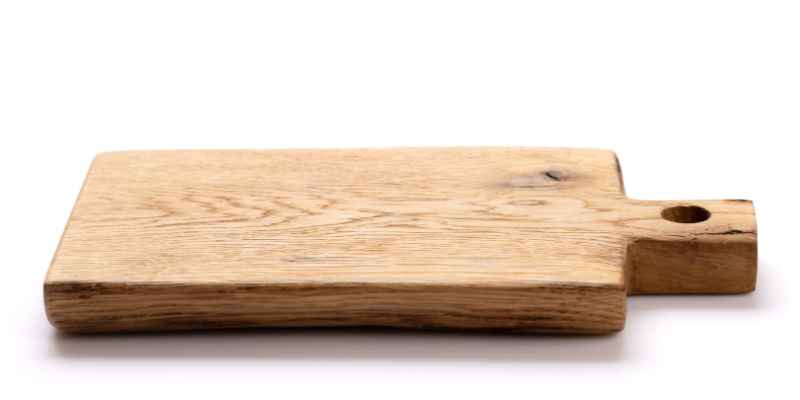
Choosing the right size for your cutting board is very important. Measure your workspace carefully. Ensure there is enough room for movement and food prep. A cutting board should fit comfortably on your counter.
Consider the dimensions of your kitchen. A small kitchen may need a compact board. Larger spaces can accommodate bigger boards. Think about how often you cook. Frequent cooks may prefer a larger board.
Aesthetics also matter. A stylish board can enhance your kitchen’s look. Choose colors and materials that match your decor. A well-chosen cutting board brings both functionality and beauty to your space.
Maintenance Tips For Different Sizes And Types Of Wood Boards
Wood boards need proper care for longevity. Clean your cutting board after each use. Use warm, soapy water and a soft cloth. Avoid soaking it in water.
Oiling your board helps maintain its shape and prevents drying. Use food-safe mineral oil or beeswax. Apply oil once a month or more often if needed.
Preventing warping and cracks is essential. Store boards in a dry place, away from heat. Avoid placing heavy items on them for long periods. Rotate your boards regularly to ensure even wear.
Choosing the right size wood matters too. Larger boards provide more surface area, while smaller ones are easier to handle. Each type of wood has its own care needs.
The Environmental Perspective On Wood Selection
Choosing the right wood for a cutting board matters. Sustainable wood sources help protect forests. Trees are vital for clean air and wildlife. Using wood from managed forests supports eco-friendly practices.
Impact of wood choices affects the environment greatly. Different woods have different sustainability levels. Hardwoods, like maple and walnut, are popular. They last long and resist scratches well.
| Wood Type | Sustainability Level | Durability |
|---|---|---|
| Maple | High | Very Durable |
| Walnut | Moderate | Durable |
| Bamboo | High | Moderately Durable |
Choosing wood wisely supports a healthier planet. Always look for certified sources. Your choices can make a big difference.
Where To Buy Or How To DIY The Perfect Wood Cutting Board
Finding quality wood for a cutting board is important. Look for hardwoods like maple, walnut, or cherry. These woods are durable and safe for food. Avoid softwoods like pine; they can absorb bacteria.
Visit local hardware stores or specialty wood shops. Online retailers also offer great options. Always check for certifications to ensure the wood is safe.
Making your own cutting board is a fun project. Start with a piece of hardwood. Cut it to the size you want. Sand it down for a smooth finish.
Apply a food-safe finish to protect the wood. Regular maintenance keeps the board in good shape. Use mineral oil to keep it moisturized.
Frequently Asked Questions
What Wood Is Best For A Cutting Board?
Hardwoods like maple, walnut, and cherry are ideal for cutting boards. They are durable, resistant to knife marks, and less prone to bacteria. Avoid softwoods, as they can easily scar and absorb odors. Choose a wood with a tight grain for better longevity and hygiene.
How Thick Should A Cutting Board Be?
A cutting board should ideally be 1 to 2 inches thick. This thickness provides stability while cutting and helps prevent warping. Thicker boards can also withstand heavy use without compromising their integrity. For portability, consider a thinner option, but ensure it remains durable.
Can I Use Softwood For Cutting Boards?
Using softwood for cutting boards is not recommended. Softwoods like pine can scar easily and absorb moisture and odors. They also tend to harbor bacteria, making them less hygienic. For safety and longevity, opt for hardwoods that withstand daily use and are easier to clean.
How To Maintain A Wooden Cutting Board?
To maintain a wooden cutting board, regularly oil it with food-safe mineral oil. Clean it with warm, soapy water after each use and avoid soaking. Dry it thoroughly to prevent warping. Avoid harsh chemicals, and periodically sand it to remove scratches and maintain its surface.
Conclusion
Choosing the right wood size for your cutting board is essential for both functionality and aesthetics. A well-sized board enhances your cooking experience and adds charm to your kitchen. Remember to consider your needs and preferences. With the right dimensions, you’ll enjoy every slice and dice with ease and style.