What Type of Wood for Outdoor Planters? Cedar, Redwood, Teak Compared
Cedar and redwood are the best all-around choices for outdoor planters because their natural oils resist rot and insects without any chemical treatment – and if you’re growing food in the planter, that matters more than price. Teak lasts even longer but costs far more, black locust is a durable domestic hardwood most people overlook, and pressure-treated pine is fine for a deck rail but needs a plastic liner before it ever touches soil you’ll eat from.
Most “best wood for planters” articles stop at cedar and redwood and call it a day. They also tend to repeat a myth that’s worth correcting up front: pressure-treated lumber is not automatically fine for a planter just because you throw a liner in it. The wood species you pick, and how you handle any treated wood, actually depends on whether anything you’re growing ends up on your plate.
Our Pick for a Ready-Made Cedar Planter
Best Untreated Cedar Kit
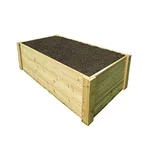 |
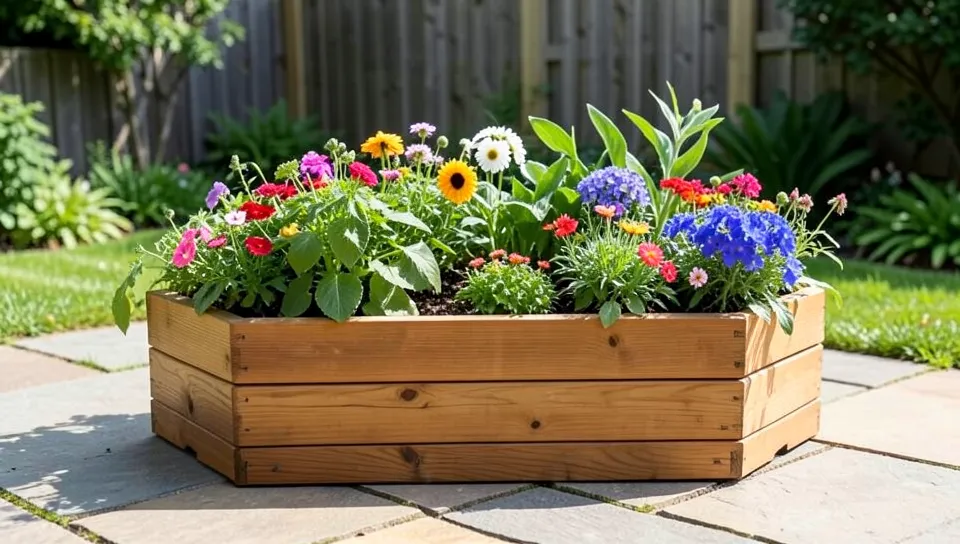
Infinite Cedar Deep Root Raised Bed Kit – $288.00 A 1-inch-thick solid cedar kit with no chemical treatment at all – exactly the “safe for edibles by default” option this article recommends if you don’t want to build your own.
|
If you’d rather build your own, the wood breakdown below covers what actually holds up outdoors and what to watch for with each option.
Cedar: The Standard Choice, and For Good Reason
Western red cedar is what most people mean when they say “cedar planter,” and it’s the most common recommendation for a reason. The heartwood contains natural extractives called thujaplicins that make it genuinely resistant to rot and to insects like termites and carpenter ants, so you’re not relying on a surface coating to keep it alive. Left unfinished and untreated, a cedar planter typically holds up for somewhere around 10 to 20 years outdoors depending on your climate and how wet the soil inside stays. It’s also light enough to move when it’s empty, which matters more than people expect once a planter needs to be shifted for the season.
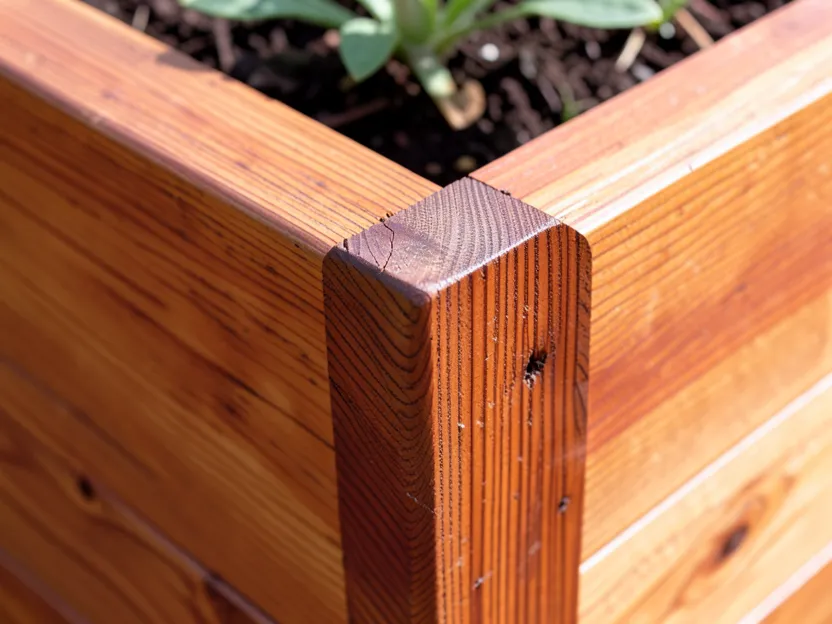
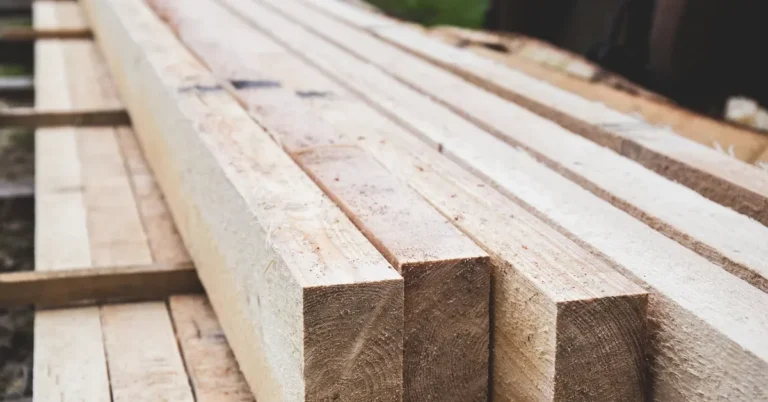
Cost-wise, cedar sits in the middle: pricier than plain pine, cheaper than teak. You’ll find it sold as dimensional lumber or as fence pickets at most home centers, and either works for a planter build. Because it’s untreated by default, cedar is also one of the few woods on this list you can use for an edible-plant planter without adding a liner as a precaution – the wood itself isn’t leaching anything into the soil.
Redwood: Cedar’s West Coast Cousin
Redwood does essentially the same job as cedar through a similar mechanism – its heartwood is loaded with natural tannins that insects and fungi don’t tolerate well. Where it differs is availability and price. Redwood is harvested almost exclusively on the West Coast, so if you’re shopping east of the Mississippi, expect to pay a premium for it or have trouble finding it at all outside specialty lumber yards. Where it’s regionally available, it’s often priced close to cedar and performs just as well, sometimes lasting a few years longer in wetter climates because of how dense the heartwood is.
One practical note: redwood sold as “construction heart” or “deck heart” grade is the rot-resistant heartwood; cheaper “construction common” grades mix in sapwood that doesn’t have the same natural resistance. If you’re buying redwood specifically for its durability, ask for heartwood grade – the visual difference (heartwood is the deeper reddish-brown color, sapwood is pale) is easy to spot once you know what to look for.
Teak: The Premium, Long-Haul Option
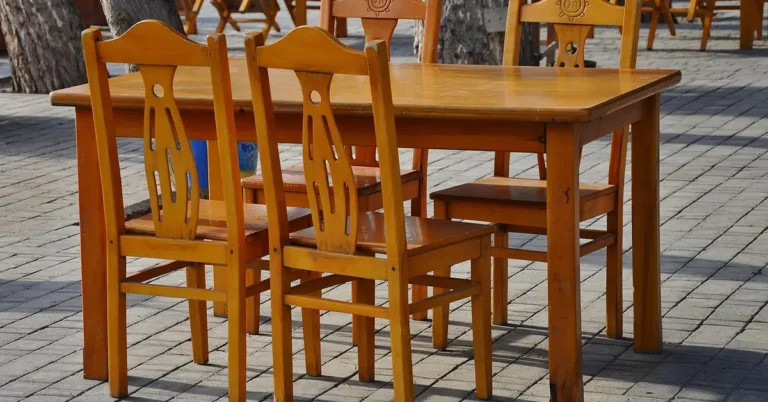
Teak is the wood furniture makers reach for when something needs to survive decades outside with zero maintenance, and planters are no exception. Its natural oils and high silica content resist water, rot, and insects better than cedar or redwood, which is why teak boat decks and outdoor furniture routinely outlast everything around them. The tradeoff is cost – teak is a slow-growing tropical hardwood, and a teak planter can run several times the price of an equivalent cedar one.
For most home gardeners, teak is overkill for a vegetable bed you might rebuild or redesign in a few years anyway. It makes more sense for a statement planter near an entryway or patio where you want it to look good and hold up with essentially no upkeep for a very long time.
Black Locust: The Durable Wood Most People Never Consider
This is the option almost every other “best wood for planters” list skips entirely, and it shouldn’t be. Black locust is a North American hardwood that’s dense, naturally rot-resistant, and rated among the most durable domestic species for ground contact – durable enough that it’s traditionally been used for fence posts that get buried directly in soil with no treatment at all. That’s about as tough a real-world durability test as a wood species can face.
The catch is availability. Black locust isn’t stocked at typical home-improvement stores, so you’ll likely need to track it down through a local sawmill or a specialty hardwood supplier rather than picking it up on a weekend supply run. If one is within driving distance of you, though, it’s worth the trip – you’re getting durability that rivals tropical hardwoods at a domestic-wood price.
Pressure-Treated Wood and Plain Softwood: What the Liner Advice Actually Means
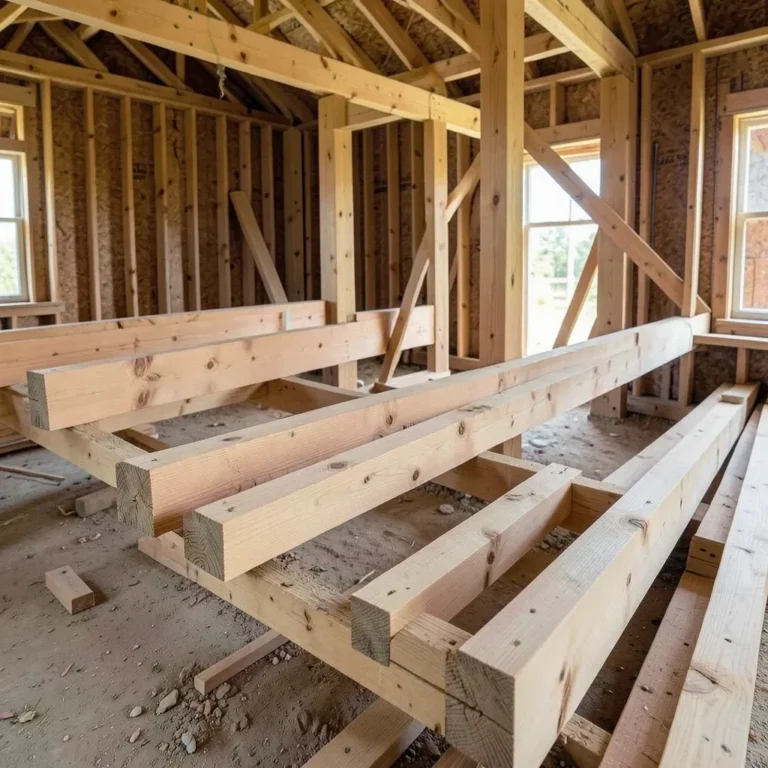
Here’s where a lot of wood-for-planters advice gets vague in a way that matters. Modern pressure-treated lumber uses copper-based preservatives (ACQ or copper azole) rather than the old CCA formula – chromated copper arsenate – that was phased out for residential use back in 2003. That change makes today’s treated wood reasonably regarded as fine for general outdoor structural use: decking, fence posts, handrails, the framing under a raised bed that soil never directly touches.
Where it gets more specific is a planter you’re growing food in. Garden extension offices generally advise against letting soil in an edible planter sit in direct, prolonged contact with treated wood, because copper can leach into soil over time, especially in acidic soil. A plastic liner (or heavy landscape fabric) between the wood and the soil isn’t a nice-to-have in that situation – it’s the thing that actually keeps the preservative chemicals separated from root zones you’re going to eat from. For an ornamental planter with no edible plants, that concern mostly disappears. (For the full rundown on treated-wood safety in garden beds generally, see our guide to using treated wood in raised beds.)
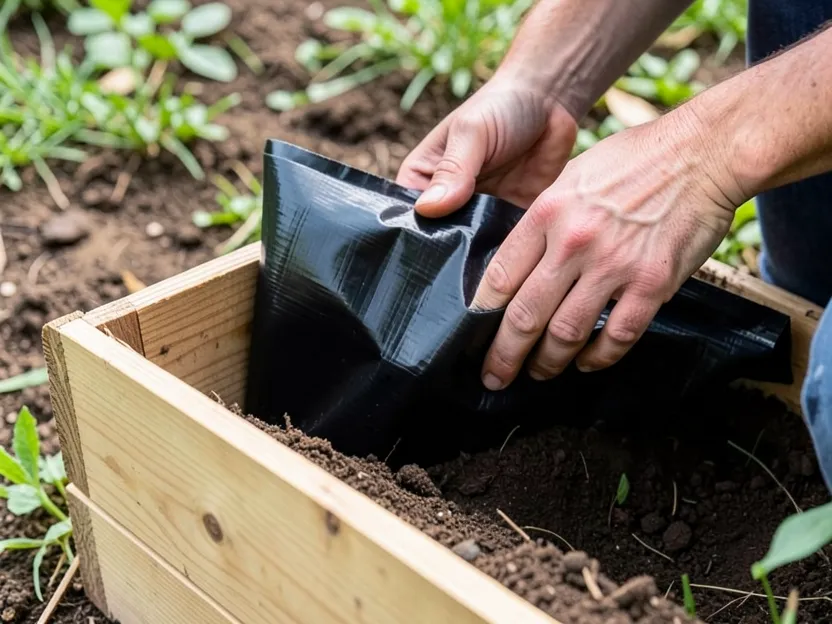
Plain untreated softwood – regular pine or fir with no treatment at all – is the cheapest way to build a planter, but it’s also the one that rots fastest, often in as little as 3 to 5 years outdoors. A food-safe liner with drainage holes punched in the bottom genuinely extends its life by keeping the wood itself dryer, and it’s worth doing regardless of whether you’re growing something edible. If you are growing edibles in an untreated softwood box, the liner is doing double duty: protecting the wood from moisture, and keeping any incidental splinters or old paint on reclaimed lumber away from the soil.
Getting the Most Life Out of Whatever Wood You Choose
A few habits matter more than the species you pick. Keep the planter off direct ground contact when possible – even an inch of clearance with small feet or gravel underneath cuts down on the constant dampness that causes rot fastest. Drill drainage holes generously; standing water inside the box is harder on the wood than rain ever is. Check corners and joints once a season, since that’s where water pools and rot typically starts first, well before the flat panels show any damage.
If you want to add a finish, a penetrating oil finish (not a film-forming coating like polyurethane, which can trap moisture underneath and speed up rot) is the safer choice for planter exteriors, reapplied every year or two. Skip finishing the interior walls entirely if you’re growing food – let the liner do that job instead.
Frequently Asked Questions
What Wood Is Best for Outdoor Planters?
Cedar and redwood are the best all-around choices because their natural oils resist rot and insects without any chemical treatment. Teak lasts longer but costs significantly more, and black locust is a durable, often-overlooked domestic hardwood. Pressure-treated pine is the budget option, but it needs a liner if you’re growing anything edible.
How Long Does Wood Last Outdoors in a Planter?
It varies widely by species. Untreated softwoods like plain pine often last only 3 to 5 years in constant contact with damp soil. Cedar and redwood typically last 10 to 20 years. Teak and black locust can outlast both by a decade or more thanks to their natural density and oil content. Keeping the box off direct ground contact and draining well extends any of these.
Can I Use Untreated Wood for Planters?
Yes, and for naturally rot-resistant species like cedar, redwood, or black locust, untreated is actually preferable – there’s no preservative chemical to worry about near soil. Plain untreated softwood like pine will rot fastest of the group, so pairing it with a plastic liner meaningfully extends its life if that’s the wood you’re working with.
Is Pressure-Treated Wood Safe for Planters?
Modern pressure-treated lumber uses copper-based preservatives rather than the older arsenic-based CCA formula, which makes it reasonable for general outdoor structural use like decking or fence posts. For a planter growing edible plants specifically, garden extension guidance generally recommends a plastic liner between the treated wood and the soil, since copper can leach into soil that sits directly against it over time. For ornamental, non-edible planters, that precaution matters less.
Bottom Line
For most outdoor planters, cedar and redwood give you the best mix of natural rot resistance, availability, and price. Reach for teak or black locust if you want decades of life and don’t mind the extra cost or sourcing effort. And if pressure-treated or plain softwood is what you have on hand, a plastic liner isn’t optional if anything edible is going in that soil – it’s the one step that actually addresses the leaching concern, not just the moisture.
Sponsored / affiliate links. As an Amazon Associate I earn from qualifying purchases. I may earn additional commission from eligible campaigns.