
What was the Original Use of a Chainsaw for: Surprising History
Chainsaws were originally invented for use by doctors in performing symphysiotomy, a surgical procedure to aid childbirth. The chainsaw’s design, based on a hand-cranked watch chain, facilitated the removal of the pelvic bone during childbirth, making the process safer and less time-consuming.
This dark and brutal history of the chainsaw’s original use has since evolved, and modern chainsaws are commonly used for various activities such as tree felling, limbing, bucking, and even in chainsaw art and concrete cutting. The initial purpose of the chainsaw stands as a testament to the tool’s intriguing and unexpected origins.
The Birth Of The Chainsaw
Chainsaws have a fascinating history, originally serving a purpose far different from their modern-day uses. The early development of this tool is intertwined with unexpected and, at times, grim applications. Let’s delve into the intriguing origins of the chainsaw and its early uses.
Early Medical Practices
In the 18th century, long before chainsaws became associated with forestry and woodworking, they were used in the medical field. Surgeons utilized a type of chainsaw as a surgical instrument for procedures such as symphysiotomy, a method to widen the pelvis during childbirth. This unconventional application was borne out of the need for a tool to swiftly and effectively address complications during labor.
The Chainsaw’s Inventors
The chainsaw’s evolution can be attributed to several inventors, including Bernhard Heine, who is credited with developing the first chainsaw-like tool in 1830. Subsequently, the German orthopedic surgeon, Bernhard Heine, designed a chainsaw for cutting bone. As the technology advanced, it eventually transitioned from medical settings to forestry and woodworking.
Chainsaws In The Operating Room
Originally, chainsaws were invented for use in the medical field, specifically to aid in childbirth procedures by cutting through the pelvises of delivering mothers. This dark and brutal history reveals the unexpected original purpose of chainsaws beyond their modern-day applications.
Symphysiotomy: A Laboring Solution
One of the most surprising and unconventional uses of chainsaws was in the operating room during childbirth. In the early 20th century, doctors used chainsaws to perform a procedure called symphysiotomy. This procedure involved cutting through the pelvic bone of a woman who was having difficulty giving birth, in order to create more space for the baby to pass through. The chainsaw’s design and mechanism allowed doctors to quickly and efficiently remove the pelvic bone, providing a solution to labor complications.
Design And Mechanism
The chainsaw’s design was originally inspired by a watch chain with teeth that moved through the use of a hand-crank. This innovative design made it possible for doctors to maneuver the chainsaw with precision and control during the symphysiotomy procedure. The sharp teeth of the chainsaw blade were able to cut through the pelvises of delivering mothers, enabling doctors to assist in the delivery process when traditional methods were ineffective.
Although the use of chainsaws in the operating room may seem gruesome by today’s standards, it was a significant medical advancement at the time. The chainsaw’s efficiency and effectiveness in performing symphysiotomy allowed doctors to save lives and prevent complications during childbirth.
From Medical Tool To Woodworking Powerhouse
Chainsaws have come a long way since their inception. Originally, they were not intended for woodworking or forestry purposes. In fact, their original use might surprise you – they were designed as medical tools.
Evolution Of The Chainsaw
The chainsaw’s evolution can be traced back to the late 18th century. It was in the hands of two Scottish doctors, John Aitken and James Jeffray, that the idea of a chainsaw as a medical tool was born. They saw the potential of using a chain with teeth to cut through bone quickly and efficiently during surgical procedures.
Initially, these early chainsaws were hand-cranked and operated by two people. They were used primarily in childbirth to assist in difficult deliveries. The chainsaw’s purpose was to cut through the pelvises of delivering mothers who were having trouble pushing their babies out. This grim and brutal use of chainsaws in medical procedures highlights the desperate measures that were sometimes taken to save lives.
Over time, advancements in technology and the introduction of engines led to the chainsaw’s transformation into a powerful tool for woodworking and forestry. The medical application of chainsaws became obsolete, and their potential for cutting through wood quickly and efficiently was recognized.
The Forestry Revolution
The chainsaw quickly became an invaluable tool in the forestry industry. With its ability to cut through trees with ease, it revolutionized the way trees were felled and processed. The manual labor previously required for logging was significantly reduced, saving time and increasing productivity.
Modern chainsaws are now gasoline-, electric-, or battery-powered and are used in activities such as tree felling, limbing, bucking, pruning, and cutting firebreaks in wildland fire suppression. They are also utilized in chainsaw art and chainsaw mills, as well as for cutting concrete and ice.
The chainsaw’s journey from a medical tool to a woodworking powerhouse is a testament to human ingenuity and the adaptability of tools. While its original purpose may seem macabre, it has since become an essential tool in various industries, making tasks easier, faster, and more efficient.
Technical Advancements Over Time
Since their original use in aiding childbirth, chainsaws have undergone significant technical advancements over time. These advancements have led to improvements in material quality, safety features, and overall efficiency. Let’s explore these advancements in more detail.
Material Improvements
One of the key areas of advancement in chainsaw technology has been the improvement of materials used in their construction. Initially, chainsaws were made with basic materials such as iron and steel. However, with advancements in metallurgy and engineering, chainsaws now feature lighter and more durable materials, such as aluminum alloys and high-strength plastics. These materials offer increased durability, reduce operator fatigue, and enhance the overall performance of the chainsaw.
Safety And Efficiency Enhancements
Over time, chainsaw manufacturers have made significant efforts to enhance the safety and efficiency of these powerful tools. Safety features have been implemented to minimize the risk of accidents and injuries. These include chain brakes that stop the chain in case of kickback, anti-vibration systems that reduce operator fatigue, and improved handguards to protect the operator’s hands from debris.
In terms of efficiency, chainsaws have become more powerful and fuel-efficient. Advancements in engine technology, such as the introduction of electronic ignition systems and fuel injection, have resulted in increased power output and improved fuel consumption. Additionally, the development of automatic chain lubrication systems ensures proper chain maintenance and extends the lifespan of the chainsaw.
Furthermore, modern chainsaws often come equipped with advanced features such as automatic chain tensioners, quick-start systems, and ergonomic designs for enhanced user comfort and convenience.
Overall, the technical advancements in chainsaw design have revolutionized their original use and expanded their applications in various industries, including forestry, construction, and landscaping. Today, chainsaws are powerful tools that offer improved performance, increased safety, and enhanced efficiency.
Cultural Impact And Misconceptions
Originally, the chainsaw was invented to aid in childbirth by cutting through the pelvises of delivering mothers who were having trouble pushing their babies out. This dark and unexpected origin stands in stark contrast to the modern use of chainsaws in activities such as tree felling, firewood harvesting, and even chainsaw art.
Chainsaws In Popular Media
Chainsaws have become an iconic tool in popular media, particularly in horror movies. The 1974 classic “The Texas Chainsaw Massacre” introduced audiences to Leatherface, a deranged killer who wielded a chainsaw as his weapon of choice. Since then, chainsaws have been featured in numerous horror films, cementing their association with violence and terror in popular culture.
Myths Vs. Facts
Despite their cultural impact, there are many misconceptions surrounding the original use of chainsaws. One common myth is that they were invented for use in warfare. In reality, chainsaws were originally designed to be used in the medical field. Specifically, they were created to aid in childbirth by cutting through bone to make delivery easier and less time-consuming.
Another myth is that chainsaws were invented to cut down trees. While modern chainsaws are commonly used for this purpose, it was not their original intended use. In fact, it wasn’t until the 1950s that chainsaws began to be widely used in the logging industry.
The cultural impact of chainsaws cannot be overstated. From their association with horror movies to their use in everyday tasks like tree trimming, chainsaws have become an integral part of modern life. However, it’s important to separate fact from fiction when it comes to their original purpose and intended use. By understanding the true history of chainsaws, we can gain a greater appreciation for their place in our world today.
Chainsaws Today: Versatile Applications
Modern chainsaws have come a long way since their gruesome origins in childbirth. Today, they have a wide range of applications, making them a versatile tool for various industries and activities.
In Art And Sculpture
Chainsaws are not just for cutting down trees or construction work. In fact, they are used in the art world for creating intricate sculptures and carving wood. Chainsaw art has become a popular form of expression, with artists using the tool to create beautiful works that can be found in public spaces and galleries.
Rescue Operations And Beyond
Chainsaws are also used in rescue operations, such as freeing people trapped in buildings or vehicles after an accident or disaster. They are powerful enough to cut through metal and concrete, making them an essential tool in emergency situations.
Additionally, chainsaws are used in the movie industry to create special effects and to simulate the sound of a chainsaw for horror films. In the food industry, chainsaws are used for cutting frozen meat and fish. They are also used in ice sculpting competitions to create beautiful and intricate designs.
Overall, the chainsaw’s versatility has made it an essential tool in various industries and activities. From art and sculpture to rescue operations and food processing, the chainsaw continues to evolve and find new applications.
Preserving History: Museums And Collections
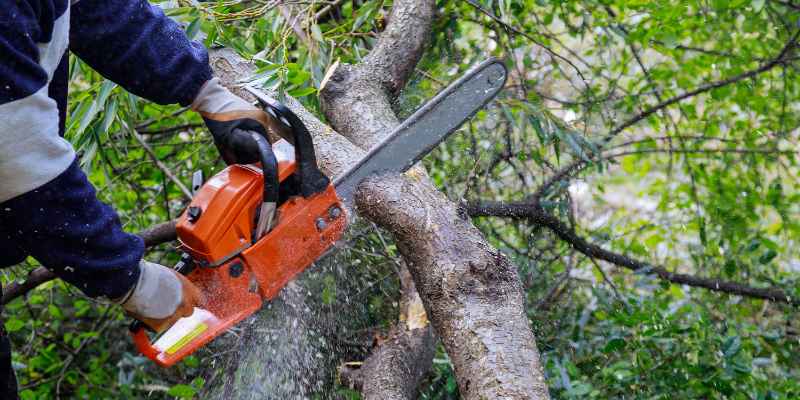
Chainsaws, a powerful tool used in various activities like tree felling, cutting firebreaks, and more, have a gruesome history. Originally invented for use in medicine, chainsaws were used to cut through the pelvises of delivering mothers who were having trouble pushing their babies out.
Today, they are mainly used for cutting wood and other materials.
Museums and collections play a crucial role in preserving history and showcasing the evolution of various tools and technologies. Chainsaws, originally designed for a specific purpose, have a fascinating history that is often overlooked. In this section, we will explore how museums and collections exhibit antique chainsaws and contribute to educational programs.
Exhibiting Antique Chainsaws
Museums dedicated to showcasing the history of tools and machinery often include displays of antique chainsaws. These exhibits allow visitors to witness the transformation of chainsaw technology over the years. From the crude and cumbersome early designs to the sleek and efficient models of today, these exhibits offer a glimpse into the past.
Antique chainsaws are not only displayed for their historical significance but also for their artistic value. Many chainsaw enthusiasts and artists have repurposed these old machines to create intricate sculptures and works of art. By exhibiting these unique creations, museums celebrate the versatility and creativity that can emerge from unexpected places.
Educational Programs
Museums that house collections of chainsaws often offer educational programs to engage visitors of all ages. These programs aim to educate the public about the original use of chainsaws, their evolution, and the impact they have had on various industries.
Through interactive workshops and demonstrations, participants can learn about the different types of chainsaws, their maintenance, and safety protocols. They can also witness live chainsaw carving performances, where skilled artists transform blocks of wood into stunning sculptures.
These educational programs not only provide valuable knowledge about chainsaws but also promote an appreciation for craftsmanship and the importance of preserving historical artifacts. By engaging visitors in hands-on activities and informative sessions, museums ensure that the legacy of chainsaws is passed on to future generations.
Future Of Chainsaws: Innovations Ahead
In today’s world, chainsaws are widely recognized as powerful tools used for various purposes such as tree felling, pruning, and cutting firebreaks. However, the original use of chainsaws may surprise you. Chainsaws were initially invented to assist doctors in medical procedures, particularly during childbirth. The design of the chainsaw was based on a watch chain with teeth that moved through the use of a hand-crank, making it easier and less time-consuming to remove the woman’s pelvic bone during delivery.
Eco-friendly Developments
As concerns over environmental sustainability continue to grow, the chainsaw industry is actively working on eco-friendly developments. Manufacturers are focusing on creating chainsaws that are more fuel-efficient and emit fewer pollutants. This shift towards eco-friendly chainsaws not only helps reduce carbon footprints but also promotes a cleaner and greener environment.
Smart Chainsaw Technology
The advent of smart technology has revolutionized many industries, and chainsaws are no exception. Smart chainsaw technology integrates advanced features such as sensors, GPS tracking, and digital displays. These innovations enable users to monitor performance, track usage, and receive real-time feedback. Additionally, smart chainsaws can provide safety alerts and maintenance reminders, ensuring optimal performance and enhancing user experience.
Furthermore, smart technology enables remote connectivity, allowing professionals to control and monitor chainsaws from a distance. This feature proves invaluable in hazardous environments or when operating in hard-to-reach areas. With the integration of smart technology, chainsaw users can now work more efficiently and safely than ever before.
In conclusion, the future of chainsaws holds exciting innovations. Eco-friendly developments and the integration of smart technology are shaping the industry, making chainsaws more efficient, environmentally friendly, and user-friendly. As the demand for sustainable and advanced tools continues to rise, we can expect even more remarkable innovations in the years to come.
Frequently Asked Questions
What Was The Chainsaw Originally Made For?
Chainsaws were originally made to aid in childbirth, specifically to cut through the pelvises of delivering mothers who were having trouble pushing their babies out.
What Was The Main Use For A Chainsaw?
Chainsaws were originally used by doctors for surgical procedures. Nowadays, they are mainly used for activities such as tree felling, cutting firebreaks, and harvesting firewood.
Was The Chainsaw Used In Childbirth?
Yes, the chainsaw was originally used in medicine to perform symphysiotomy, a surgical procedure to aid childbirth.
What Chainsaw Did Leatherface Use In The Original?
Leatherface used a Poulan 306A chainsaw in the original “Texas Chainsaw Massacre” movie.
Conclusion
In the early 19th century, the chainsaw was originally designed to assist in childbirth surgeries, particularly in the difficult task of removing the pelvic bone. This dark and unexpected origin sheds light on the unique and varied history of this powerful tool.
From its humble medical beginnings, the chainsaw has evolved into a versatile tool with modern applications in forestry, construction, and art.