What’S the Difference between a Sequoia And a Redwood Tree: Unveiled
Have you ever stood in awe beneath towering giants in a forest, wondering if they were Sequoias or Redwoods? You’re not alone.
These magnificent trees captivate our imagination and stir a curiosity about their differences. By the end of this article, you’ll not only be able to distinguish between the two, but you’ll also appreciate the unique qualities that make each tree a marvel of nature.
Imagine the next time you visit a park or forest, confidently pointing out whether you’re gazing at a Sequoia or a Redwood. Your friends will be impressed, and you’ll have a deeper connection with the natural world. Ready to become a tree detective and uncover the secrets that set these giants apart? Keep reading and discover the fascinating world of Sequoias and Redwoods!

Credit: plantly.io
Sequoia Vs Redwood Basics
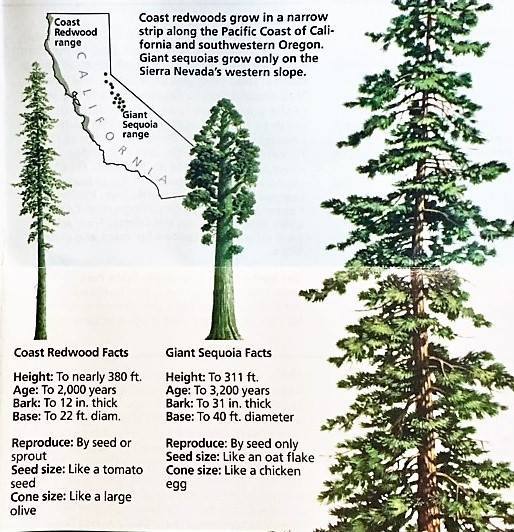
Sequoias and Redwoods are both giant trees. Sequoias have very thick trunks. Their bark is soft and spongy. Redwoods are tall and slender. Their bark is rough and fibrous. Sequoias can grow up to 30 feet wide. Redwoods can reach over 350 feet tall. Sequoias have a reddish-brown color. Redwoods have a darker, deeper hue. Leaves on Sequoias are small and scale-like. Redwoods have needle-like leaves. Both trees are very ancient and majestic.
Sequoias live in the Sierra Nevada mountains. They enjoy moist and cool conditions. Redwoods grow along the California coast. The foggy air helps them thrive. Sequoias are less widespread. Redwoods cover more ground. Both species need specific climates. They do not grow everywhere. Protecting these trees is important. They are part of our natural heritage.
Historical Significance
Sequoia treesare known for their impressive size. They hold a special place in history. Native Americans used these trees for shelter. Redwood treeshave a long history too. Early settlers used them for building homes. Both trees played roles in shaping cultures. They are symbols of strength and beauty. People admire them worldwide. Their history is rich and fascinating.
Sequoias are often seen as giants. They inspire stories and myths. Many cultures respect their majesty. Redwoods are important too. They are symbols of resilience. Their presence enriches local traditions. Both trees bring people together. They are celebrated in festivals. Their cultural impact is vast and lasting.
Protecting these trees is vital. Many organizations work hard. They aim to save these giants. Conservation plans are in place. They help preserve tree habitats. People volunteer to support these efforts. Education is key to saving them. Awareness campaigns spread knowledge. These trees need our help. Their future depends on us.
Growth Patterns
Sequoia treescan grow very tall. They reach up to 300 feet. Their trunk is wide. It can be up to 30 feet across. Redwood treesare taller than sequoias. They can grow up to 379 feet. Their trunk is not as wide. It is usually less than 20 feet.
Sequoias live a long time. They can live for over 3,000 years. Redwoodsalso have a long life. They can live up to 2,000 years. Both trees can survive many years. They are very old trees.
Ecological Impact
Sequoiaand Redwood treesplay big roles in nature. They are homes for many animals and birds. These trees help the soil stay strong. They keep it from washing away. Their leaves make the air cleaner. They take in carbon dioxide, which is good for us.
Many creatures live in these tall trees. Birds make nests in their branches. Small animals find food around them. Bugs live in their bark. These trees support a wide range of life forms. They help keep nature balanced. Without them, many animals would struggle.
Human Interaction
Sequoia and Redwood treesattract many visitors. People enjoy their beauty and size. Tourism and recreationare popular near these trees. Families visit parks to see them. Hiking trails offer views of these giants. Visitors often take pictures and share them. Local economies benefit from tourism. Shops and hotels get more customers. Parks provide information about the trees. Guides help visitors learn more. Some places offer camping spots. People love spending time near these trees.
Wood utilizationdiffers between Sequoia and Redwood trees. Redwood wood is used for building. It is strong and durable. Sequoia wood is soft. It is not used for structures. Craftsmen use it for small projects. Artists create sculptures from Sequoia wood. Redwood is preferred for furniture. It resists decay and insects. People choose Redwood for outdoor decks. Both trees play roles in industries. Wood from these trees serves different purposes.

Credit: www.youtube.com
Climate Adaptability
Sequoia treesare known for their strong adaptability. They can handle a range of climate changes. Their thick bark helps them stay safe from fires. This allows them to grow very old. Redwood trees also show great resilience. They live in places with heavy rains and fog. These trees can survive in changing climates, too. Their roots are spread out wide. This helps them stay stable during storms.
Response To Climate Change
Sequoias and redwoods have unique responsesto climate change. Sequoias grow in cooler areas. They adapt well to cold temperatures. Redwoods thrive in wetter climates. They depend on fog for moisture. Both trees adjust to changes in their environment. They continue to grow despite challenges. Their adaptability helps them survive. This makes them strong against climate changes.
Resilience Mechanisms
Sequoia trees have thick bark. This protects them from fires. Redwood trees have deep roots. This gives them stability. Both trees use these features to stay safe. Sequoias and redwoods are tough. They can live for a long time. Their resilience is remarkable. These trees show how nature adapts. They are truly wonders of the forest.

Credit: californiacurated.com
Frequently Asked Questions
How Can You Tell Sequoias From Redwoods?
Sequoias have thicker trunks and are usually shorter than Redwoods. Redwoods have taller, slimmer trunks. Sequoias are found more inland, while Redwoods thrive near the coast. Sequoia cones are larger and more round, whereas Redwood cones are smaller. Both trees have distinct reddish-brown bark.
Where Do Sequoia And Redwood Trees Grow?
Sequoias grow in the Sierra Nevada mountain range of California. Redwoods are found along the coastal region from southern Oregon to central California. Both trees thrive in specific climates, with Sequoias preferring mountainous regions. Redwoods require the moisture of coastal fog to flourish.
How Old Can Sequoias And Redwoods Get?
Sequoias can live over 3,000 years, making them some of the oldest trees. Redwoods typically live up to 2,000 years. Both trees exhibit remarkable longevity due to their natural resilience. Their thick bark helps protect against diseases and pests, contributing to their extended lifespans.
What Are The Uses Of Sequoia And Redwood Wood?
Sequoia wood is less commonly used due to tree protection efforts. Redwood is prized for its resistance to decay and insects. It is often used in construction, furniture, and decking. Both woods have distinct properties that make them valuable, but conservation efforts limit Sequoia harvesting.
Conclusion
Sequoia and redwood trees both hold unique beauty and charm. Sequoias are massive giants, standing tall in the Sierra Nevada. Redwoods prefer coastal regions, reaching incredible heights. Both trees have distinct bark, cones, and habitats. Sequoias boast thick, reddish bark, while redwoods have softer, fibrous bark.
Understanding these differences enriches our appreciation for nature’s wonders. Each tree contributes uniquely to our ecosystem. Next time you’re in the forest, spot these differences. Enjoy observing these majestic trees in their natural habitats. Appreciate their beauty and significance. Nature’s diversity is truly remarkable.