Echo vs Stihl: Chainsaws, Trimmers, Warranty & Value
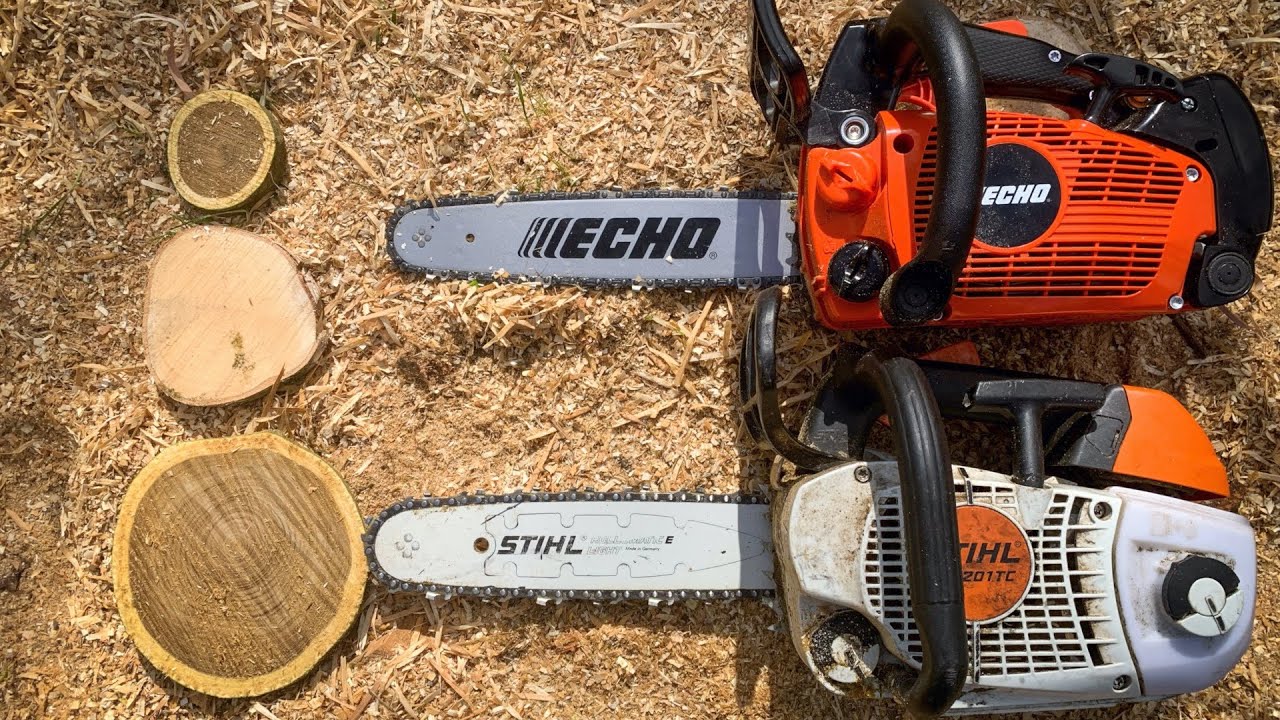
Echo vs Stihl is a model-by-model decision, not a brand knockout. Echo often appeals to buyers seeking strong value and broad dealer access; Stihl is especially strong where local service, a deep professional lineup, and one battery ecosystem matter. The better choice is the machine that fits your workload, weight limit, nearby service, and parts plan.
Compare the exact bar length or cutting head, engine displacement or battery class, dry and operating weight, vibration, warranty category, and dealer—not just peak power or brand loyalty.
Echo vs Stihl: Quick Verdict
For occasional property maintenance, prioritize easy starting, manageable weight, and nearby service. For daily professional use, compare power-to-weight, downtime support, filtration, fleet compatibility, and the dealer’s ability to supply parts quickly.
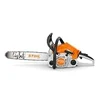
Chainsaw and Trimmer Comparison
| Factor | Echo | Stihl |
|---|---|---|
| Best known for | Value-focused gas equipment and dealer network | Deep homeowner and professional systems |
| Service decision | Check the nearest authorized dealer | Dealer relationship is often central |
| Battery choice | Match voltage family and future tools | Match AP/AK or current platform carefully |
| Winner | Depends on exact model and support | Depends on exact model and support |
Flagship Model Specs: Echo CS-590 vs. Stihl MS 271
Brand loyalty aside, these two homeowner/farm-class gas saws are the closest real apples-to-apples comparison between the brands, and the spec sheet shows a genuine tradeoff rather than a clear winner.
| Spec | Echo CS-590 Timber Wolf | Stihl MS 271 Farm Boss |
|---|---|---|
| Displacement | 59.8 cc | 50.2 cc |
| Engine power | ≈3.9 hp | ≈3.5 hp (2.6 kW) |
| Powerhead weight | 13.2 lb | 12.3 lb |
| Bar length offered | 18″ or 20″ | 16″–20″ (18″ standard) |
| Fuel tank capacity | 1.3 US pt (0.645 L) | 16.9 oz (500 cc) |
| Typical MSRP | ~$419–$449 | Varies by dealer — check local pricing |
The Echo has roughly 9cc more displacement and a slightly heavier powerhead; the Stihl is lighter but gives up some raw displacement. For all-day limbing and lighter farm work, the MS 271’s lower weight can reduce fatigue over a full day; for felling larger-diameter trees or running a 20″ bar regularly, the CS-590’s extra displacement gives more reserve power. Confirm current pricing and bar options with an authorized dealer before deciding — both shift with regional stock.
Warranty and Dealer Support
Warranty terms vary by product, purchaser type, country, and seller. Read the serial-specific paperwork before purchase. Stihl publishes its current limited-warranty terms; Echo provides a dealer locator. Marketplace availability does not prove authorized-dealer status.
A slightly cheaper saw is poor value if routine parts or warranty service require long shipping. Call both nearby dealers and ask about turnaround, common parts, and loaner policy.
How to Choose the Right Model
- Match bar or cutting swath to the work rather than buying maximum size.
- Compare operating weight with fuel, bar, chain, battery, or guard installed.
- Check noise, vibration, PPE, and maintenance requirements.
- Price replacement chains, batteries, filters, and service over several years.
- Handle the machine before buying when possible.
For an Echo-specific ownership view, read Are Echo Chainsaws Any Good?; for a narrower category, see Echo vs Stihl string trimmers.
Total Cost of Ownership: Beyond the Sticker Price
The purchase price is only part of what a chainsaw or trimmer actually costs over its life. Fuel or battery packs, replacement chains and bars, filters, and dealer labor rates all add up differently between the two brands and between gas and battery platforms.
| Cost Factor | What to Compare |
|---|---|
| Fuel/battery | Gas saws need ongoing fuel and 2-cycle oil mix; battery platforms need an upfront battery/charger investment but lower per-use cost. |
| Chains and bars | Price a replacement chain and bar for the exact model, not just the saw — some professional bar lengths cost noticeably more to replace. |
| Filters and spark plugs | Routine wear parts for gas models; check local dealer stock and price before buying, especially for less common displacement classes. |
| Dealer labor rate | A cheaper saw with a distant or expensive dealer can cost more over 5 years than a pricier saw serviced locally. |
| Battery platform lock-in | If you already own other tools on one brand’s battery system, staying in that ecosystem avoids buying a second charger and battery set. |
Common Myths About Echo and Stihl
- “Stihl is always the professional choice.” Echo makes genuine professional-grade gas saws used by arborists and tree crews; the brand line is not a reliable proxy for which specific model fits a given job.
- “A more expensive saw is automatically more durable.” Price often reflects features (anti-vibration handles, tool-less chain tensioning, professional displacement class) more than raw longevity. A well-maintained mid-range saw regularly outlasts a neglected premium one.
- “Battery saws can’t handle real work.” Modern high-voltage battery platforms from both brands now handle significant felling and limbing work; the real limitation is runtime on very large jobs, not raw cutting power.
- “Marketplace listings are the same as buying from a dealer.” Warranty eligibility, genuine parts, and return policy can all differ from an authorized dealer purchase, even when the listed price is nearly identical.
Maintenance Basics That Extend Either Brand’s Life
- Clean or replace the air filter on the schedule in the owner’s manual — a clogged filter is the single most common cause of hard starting and lost power on gas models.
- Keep the chain properly tensioned and sharp; a dull chain forces the engine or motor to work harder and increases kickback risk.
- Use the correct fuel mix ratio and fresh fuel for 2-cycle gas engines — old or incorrectly mixed fuel is a leading cause of warranty-voiding engine damage.
- Store battery packs at partial charge in a moderate-temperature space when not in use for extended periods, per the manufacturer’s storage guidance.
Bottom Line
Choose Echo when the specific machine fits, value is strong, and local Echo service is dependable. Choose Stihl when its model, professional system, and dealer support better match the work. Test ergonomics and verify warranty eligibility before deciding.
Frequently Asked Questions
Is Echo better than Stihl?
Not across every category. Compare the exact models, weight, workload, dealer support, and warranty.
Which brand is better for professionals?
Both make professional equipment. Downtime support and the exact power-to-weight match are more important than the logo.
Are marketplace purchases covered by warranty?
Not automatically. Verify seller authorization and current manufacturer terms before purchase.
Which chainsaw is easier to maintain?
That depends on the model and local parts access. Compare air-filter, chain-tensioning, and service procedures.
Should I choose gas or battery?
Battery suits lower noise and routine maintenance; gas remains practical for long remote work. Runtime and recharge logistics decide.
Sponsored / affiliate links. As an Amazon Associate I earn from qualifying purchases. I may earn additional commission from eligible campaigns.