Why is Cedar Wood Expensive? Unveiling the Secrets
Cedar wood is expensive due to its durability, natural beauty, and high demand in various industries. Its scarcity and slow growth rate contribute to the high price tag.
The unique properties and aesthetic appeal of cedar wood make it a prized material for furniture, decking, and other high-end products. Additionally, the natural resistance of cedar to rot and insects adds to its value. With its distinctive fragrance and rich color variations, cedar wood remains a top choice for luxury and long-lasting items.
The cost of cedar wood reflects its quality, longevity, and desirability in the market.
The Allure Of Cedar Wood
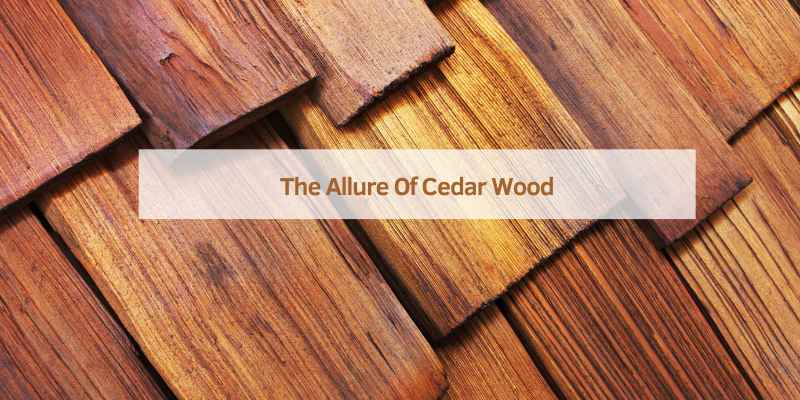
Cedar wood is expensive due to its natural durability, aromatic fragrance, and resistance to decay and insect damage. Its scarcity and slow growth also contribute to its high cost. The allure of cedar wood lies in its unique properties, making it a sought-after material for furniture, construction, and decorative items.
Aesthetic Appeal
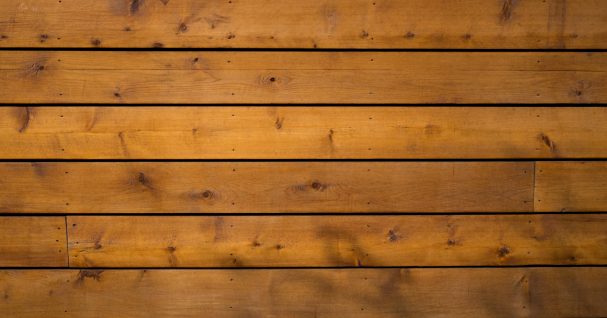
One of the main reasons why cedar wood is considered expensive is its exceptional aesthetic appeal. The natural beauty of cedar wood is truly captivating and has been revered for centuries. Its warm reddish-brown hue, often accompanied by intricate grain patterns, adds a touch of elegance and sophistication to any space or piece of furniture.
Whether used for interior or exterior applications, cedar wood’s aesthetic qualities are unmatched. Its rich color and unique patterns create a sense of depth and character that cannot be replicated by other types of wood. Whether you are looking to build a rustic cabin or furnish your home with exquisite wooden furniture, cedar wood’s allure is sure to make a statement.
Natural Durability
Another factor contributing to the high cost of cedar wood is its natural durability. Cedar wood possesses natural oils and resins that make it highly resistant to rot, decay, and insect infestation. This remarkable durability is due to the presence of compounds such as thujaplicins and thujic acid, which act as natural preservatives.
Unlike other types of wood that require chemical treatments to enhance their durability, cedar wood’s inherent resistance to decay and pests makes it a popular choice for outdoor applications such as decking, fencing, and siding. Its ability to withstand harsh weather conditions, including extreme temperatures and moisture, ensures that cedar wood products have a long lifespan, reducing the need for frequent replacements.
Furthermore, the natural durability of cedar wood also contributes to its appeal as a sustainable and eco-friendly choice. By opting for cedar wood, you are not only investing in a long-lasting material but also reducing the environmental impact associated with the production and disposal of synthetic alternatives.
Botanical Rarity And Growth Rate
Cedar wood is expensive due to its rarity and slow growth rate. It takes decades for cedar trees to mature, and they can only be found in certain regions. As a result, the limited supply and high demand for cedar wood make it a valuable commodity in the market.
Cedar wood is known for its high price tag, and one of the reasons behind its expense lies in its botanical rarity and slow growth rate. Let’s explore these factors in detail:
Slow-growing Nature
Cedar trees have a remarkably slow growth rate, contributing to their scarcity and ultimately, their value. These majestic trees take their time to reach maturity, often requiring several decades to fully develop. Due to their slow growth, the supply of cedar wood is limited, making it a precious commodity in the market.
The slow growth of cedar trees is attributed to several factors. Firstly, their dense wood and complex cellular structure result in a longer growth cycle. Additionally, cedar trees have a natural resilience against harsh environmental conditions, which further slows down their growth. This combination of factors makes the production of cedar wood a time-consuming process, driving up its cost.
Limited Geographic Distribution
Another reason for the high cost of cedar wood is its limited geographic distribution. Cedar trees are predominantly found in specific regions around the world, which restricts their availability. The most sought-after cedar varieties, such as the Western Red Cedar and the Atlas Cedar, are primarily found in North America and the Mediterranean region, respectively.
The limited geographic distribution of cedar trees adds to their rarity and exclusivity. As a result, the demand for cedar wood outweighs the available supply, leading to higher prices. The transportation costs associated with sourcing cedar wood from its native regions also contribute to its overall expense.
In conclusion, the botanical rarity and slow growth rate of cedar trees are key factors that contribute to the high cost of cedar wood. Its scarcity, combined with limited geographic distribution, make cedar wood a luxury material sought after for its unique characteristics and durability.
Harvesting Practices And Sustainability
Cedar wood is known for its high cost due to responsible forestry practices and sustainability efforts. Responsible Forestry
Responsible Forestry
- Forests are managed sustainably to ensure long-term supply of cedar wood.
- Harvesting is done selectively to preserve the ecosystem and biodiversity.
- Regulations are in place to monitor and control cedar wood extraction.
Impact Of Overharvesting
- Overharvesting leads to depletion of cedar forests and loss of habitats.
- It disrupts the natural balance and can result in soil erosion.
- Overharvesting affects the availability of cedar wood for future generations.
Resistance To Elements
Cedar wood is expensive due to its natural resistance to elements such as decay, insects, and moisture. The wood’s durability and distinctive aroma make it a popular choice for outdoor furniture, decking, and siding.
Inherent Oils And Resins
Cedar wood is known for its natural oils and resins that help it withstand harsh weather conditions and resist decay. The oils and resins in cedar wood create a barrier that protects it from moisture, which is a common cause of wood decay. The natural oils also give cedar wood its characteristic scent, making it a popular choice for furniture, closets, and storage boxes.
Decay And Insect Repellent Properties
Cedar wood is naturally resistant to decay and insects, making it an ideal choice for outdoor furniture and structures. The wood’s natural resistance to decay is due to the presence of thujaplicin, a natural compound found in cedar wood that helps prevent fungal growth. In addition, the natural oils and resins in cedar wood also act as a natural insect repellent, making it less likely to be damaged by pests.
In conclusion, cedar wood’s resistance to the elements is what makes it a popular choice for furniture, decking, and other outdoor structures. Its inherent oils and resins, as well as its decay and insect repellent properties, make it a durable and long-lasting material. While cedar wood may be more expensive than other types of wood, its natural properties make it a worthwhile investment for those looking for high-quality, long-lasting wood products.
Cedar’s Multifaceted Uses
Cedar wood is expensive due to its rarity, durability, and versatility in various applications like furniture, construction, and aromatic products. Its natural resistance to decay and insects adds to its high demand and value in the market.
Cedar wood is a popular and versatile material that has been used for centuries. From shingles to fine furniture, cedar’s multifaceted uses have made it a valuable commodity.
From Shingles To Fine Furniture
Cedar wood is a popular choice for roofing shingles due to its natural resistance to moisture and decay. Its durability and insulation properties make it an excellent choice for outdoor furniture as well. Cedar wood is also a popular choice for interior furniture, as its natural aroma and color add warmth to any room.
Cultural And Historical Significance
Cedar wood has cultural and historical significance in many parts of the world. Native Americans have used cedar wood for centuries in their traditional ceremonies and as a material for building homes and canoes. In ancient Egypt, cedar wood was used in the mummification process. Cedar wood has also been mentioned in the Bible and other religious texts.
In addition to its many uses, cedar wood’s limited supply and slow growth contribute to its expense. These factors, combined with its natural beauty and durability, have made cedar wood a valuable and sought-after material.
The Cost Of Processing And Craftsmanship
When it comes to understanding why cedar wood is expensive, it’s essential to consider the cost of processing and craftsmanship. These factors contribute significantly to the overall price of cedar wood products, making it a sought-after and valuable material in the construction and woodworking industries.
Specialized Milling
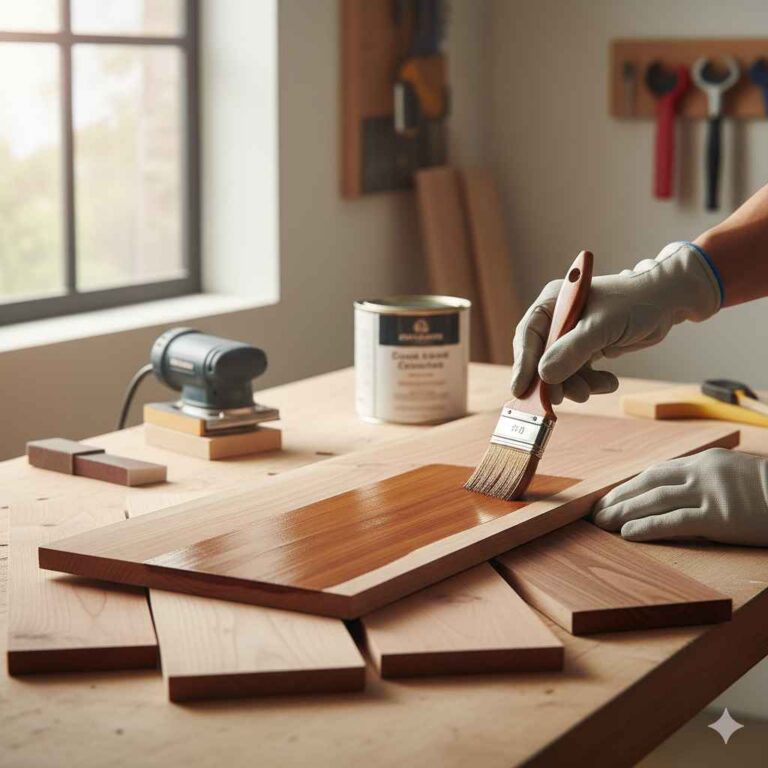
Cedar wood’s expense is partly due to the specialized milling techniques required to process it. The unique properties of cedar, such as its natural oils and durability, necessitate precision and expertise during the milling process. This specialized approach involves cutting, shaping, and finishing the wood to ensure the highest quality and structural integrity.
Artisanal Demand
Another factor that drives up the cost of cedar wood is the high demand for artisanal craftsmanship. Skilled artisans and woodworkers are often sought after to create custom cedar wood products, such as furniture and decorative items. The meticulous attention to detail and handcrafted nature of these pieces contribute to their premium pricing, reflecting the value of expert craftsmanship in the cedar wood industry.
Market Demand And Consumer Preferences
Market demand and consumer preferences play a significant role in the pricing of cedar wood, a sought-after material in the construction and decor industries. Let’s explore the influence of these factors on the cost of cedar wood.
Trends In Homebuilding And Decor
The use of cedar wood in homebuilding and decor has surged in recent years. Its natural beauty, durability, and aromatic properties have made it a popular choice for various applications, including siding, decking, and furniture. The growing preference for sustainable and eco-friendly materials has further propelled the demand for cedar wood in the construction and design sectors.
Global Demand For Cedar Products
The global demand for cedar products has intensified, driven by increasing construction activities and a growing emphasis on creating inviting outdoor living spaces. Cedar’s resistance to decay and insect infestation makes it highly sought after for outdoor furniture, fencing, and decking. Furthermore, the rising popularity of natural wood finishes in interior design has bolstered the demand for cedar products in the global market.
Comparative Analysis With Other Woods
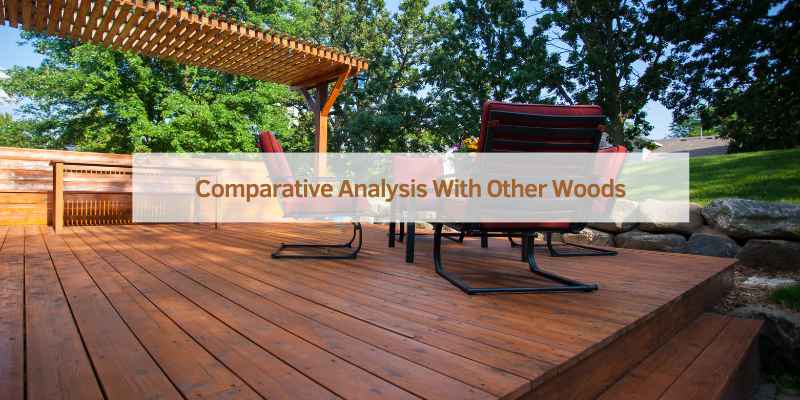
Cedar wood is often considered expensive compared to other types of wood due to various factors such as price point differences, quality and longevity. Let’s delve into a comparative analysis to understand why cedar wood holds a premium position in the market.
Price Point Differences
When comparing cedar wood to other types of wood, it becomes evident that the price point differences are primarily influenced by the rarity and durability of cedar wood. In comparison to softwoods like pine or fir, cedar wood is less abundant and possesses natural resistance to decay and insect damage, making it a sought-after choice for various applications. This uniqueness contributes to its higher price point.
Quality And Longevity
Another aspect that sets cedar wood apart from other woods is its exceptional quality and longevity. Unlike many other woods, cedar wood is renowned for its natural resistance to moisture, decay, and insect infestation. This innate durability not only enhances its longevity but also reduces the need for chemical treatments or preservatives, making it an environmentally friendly and sustainable option.
Frequently Asked Questions
Why Is The Price Of Cedar So High?
Cedar prices are high due to limited supply and high demand. The wood’s natural beauty, durability, and resistance to insects and decay make it popular for various applications. Additionally, the slow growth rate of cedar trees contributes to the scarcity and higher cost of the wood.
What Is Special About Cedar Wood?
Cedar wood is special due to its natural durability, pleasant aroma, and resistance to insects and decay. It is often used for outdoor construction, furniture, and closets. The wood’s unique properties make it an excellent choice for long-lasting and aromatic products.
What Are The Disadvantages Of Cedar Wood?
Cedar wood is prone to rot and insect damage. It can also be expensive.
Are Cedar Logs Worth Anything?
Yes, cedar logs have value for lumber, furniture, and crafts due to their durability and natural beauty.
Conclusion
The high cost of cedar wood stems from its scarcity and durability. Its natural resistance to decay and insects makes it a valuable choice. Understanding these factors helps justify the premium price tag attached to cedar wood products. Consider these benefits when investing in cedar wood.