Why is MDF Sustainable: Eco-Friendly Benefits Unveiled
Are you curious about making eco-friendly choices in your home or office? You might have heard about MDF, or Medium Density Fiberboard, being a sustainable option.
But what makes it truly sustainable? As you explore the world of furniture and construction materials, understanding the environmental impact of your choices becomes crucial. We will unravel the reasons why MDF is considered a sustainable material, helping you make informed decisions that align with your values.
Imagine transforming your living space while contributing positively to the environment. Keep reading to discover how MDF could be the perfect balance between style, functionality, and sustainability for your needs.

Credit: shapestack.com
MDF Composition
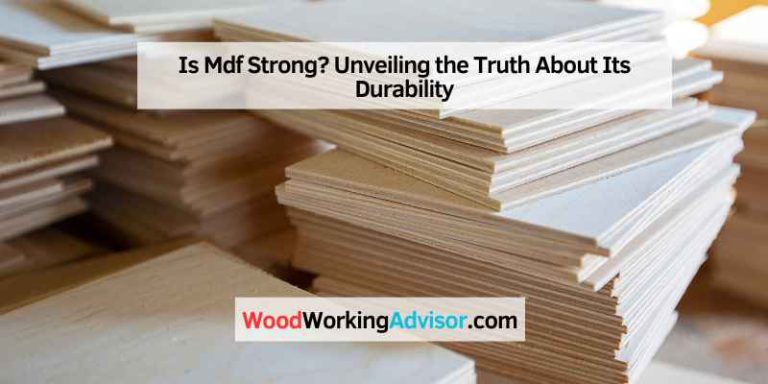
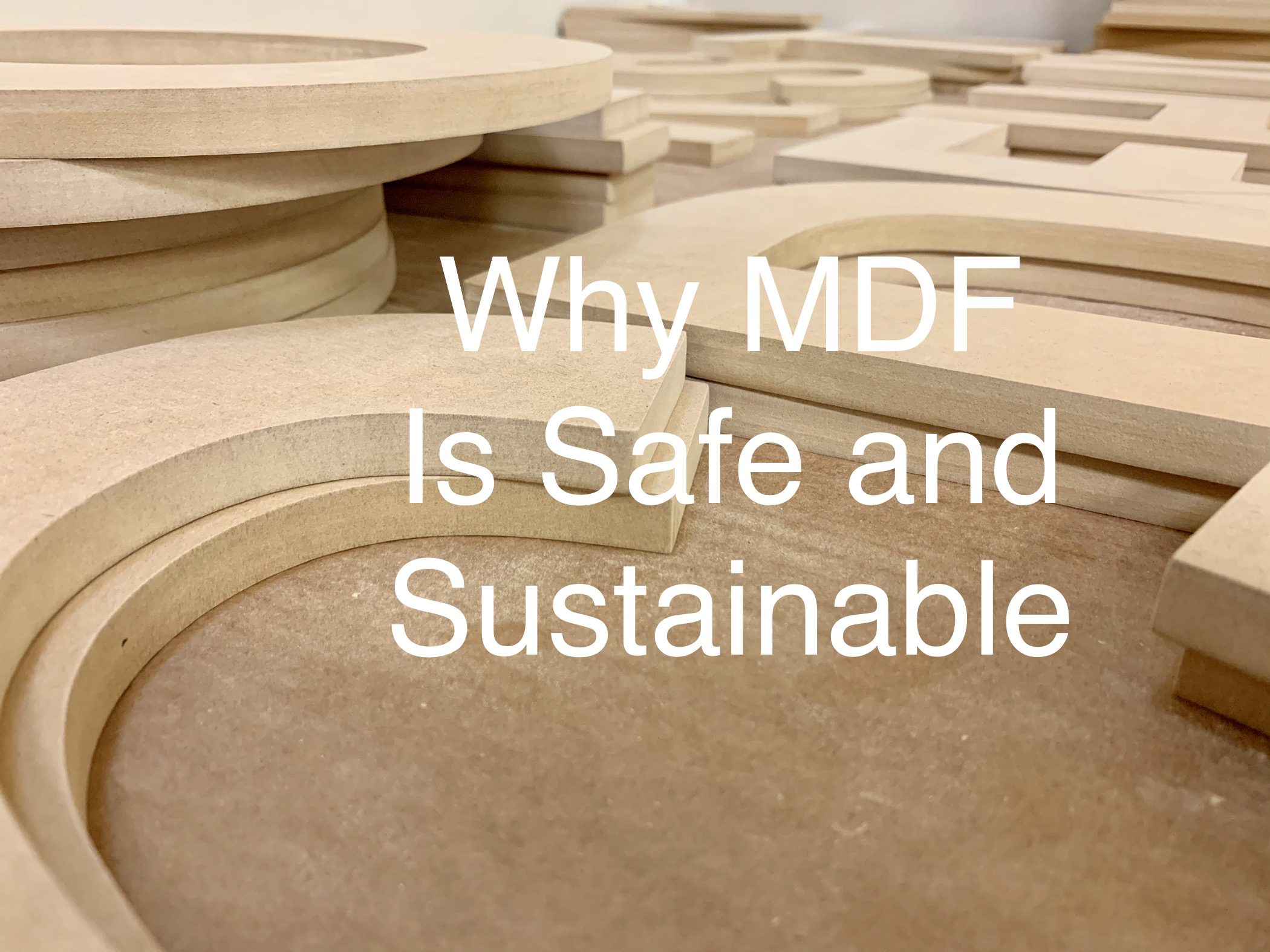
MDF, or Medium Density Fiberboard, is made from wood fibers. These fibers come from softwoods and sometimes hardwoods. The fibers are mixed with resins and wax. These materials help to bind the fibers together. The binding makes the board strong. MDF uses leftover wood pieces. This helps reduce waste. It supports sustainability. MDF is a green choice.
The process starts with wood pieces. They are broken down into fibers. The fibers are then mixed with resins. Next, they are formed into panels. Heat and pressure are applied. This makes the board dense. The process is energy-efficient. It uses less energy than solid wood. MDF is durable and versatile. It is used in furniture and construction. It supports eco-friendly practices.

Credit: vigowood.co.uk
Eco-friendly Production
MDF uses less energy to make. Factories use smart machines. These machines save power. Clean energy is often used. This helps the earth. Less energy means less pollution. This is good for nature.
Wood scraps make MDF. Factories use all parts of the wood. This reduces waste. Old wood gets a new life. Less waste helps the planet. Recycling makes MDF special. It is a smart choice for everyone.
Sustainable Sourcing
MDF stands for Medium Density Fiberboard. It often comes from well-managed forests. These forests follow strict rules to protect the environment. Trees are planted back after they are cut. This keeps the forest healthy and strong. Animals and plants can live safely. The forest workers are safe too. They get good training and fair pay. This helps everyone involved.
MDF uses recycled wood fibers. It means less waste goes into landfills. Old wood is given a new life. This helps the planet by saving resources. It reduces the need to cut more trees. Using recycled fibers also cuts down on pollution. This process is friendly to the earth.
Environmental Benefits
MDF is made from recycled wood fibers. This helps reduce the amount of waste. Less waste means a smaller carbon footprint. Making MDF uses less energy than making solid wood. This also helps the environment. Trees are saved because MDF uses wood scraps. Saving trees means less carbon in the air.
MDF is made in a way that controls pollution. Factories use special filters to clean the air. These filters catch dust and other bad things. This keeps the air clean. MDF does not use harmful chemicals like some other products. It is safer for people and nature. MDF can be recycled, which helps reduce pollution.
Durability And Longevity
MDF stands strong against scratches and dents. This makes it perfect for furniture. It holds up well in busy places. Children can play around it without damage. Its surface remains smooth and neat. The material is very reliable.
MDF uses recycled wood fibers. This helps save trees. It has a long lifespan. It does not break easily. You will not need to replace it often. This saves money and resources. It is friendly to the planet.
Innovative Uses
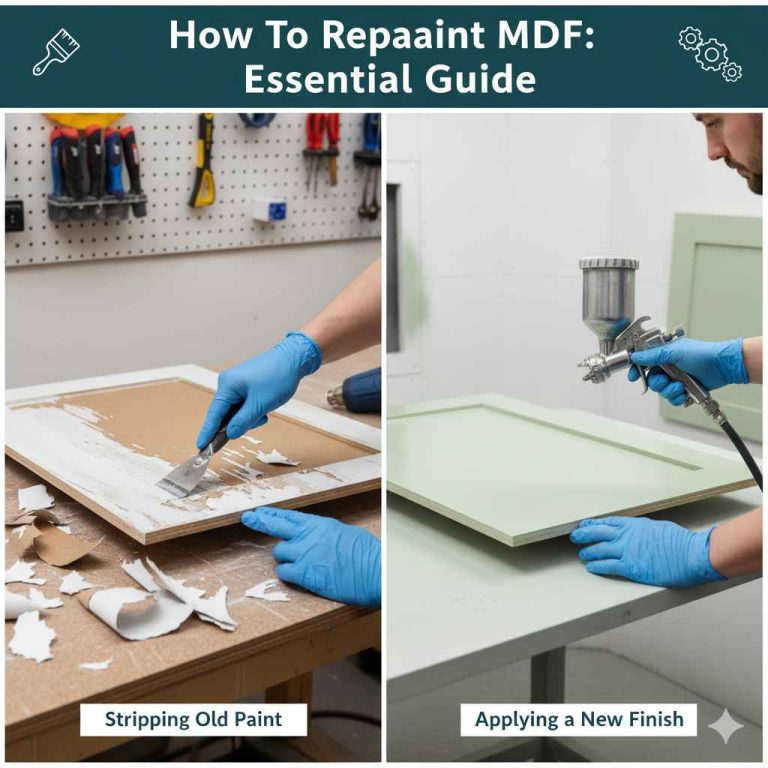
MDF, or Medium Density Fibreboard, is a popular material. It finds its use in many places. Furniture, like tables and shelves, often use MDF. Cabinets in kitchens also use MDF because it is strong. It is easy to paint, making it look nice. MDF is good for making doors and panels too. Its smooth surface is perfect for intricate designs. It can be cut into many shapes. This makes MDF a favorite for creative projects. Builders like it because it is cheaper than solid wood. Yet, it looks just as good.
MDF offers many design choices. It is easy to shape and mold. This is why designers love it. They can create fancy shapes and patterns. The material is smooth, so it takes paint well. Colors and textures look great on MDF. This opens doors for new styles. Many like to use MDF for decorative pieces. It can be carved with machines for detailed designs. This makes it a top choice for artistic work.
Comparative Sustainability
MDF is a type of engineered wood. It is made from wood fibers and glue. Solid wood comes from trees directly. MDF uses wood that might be wasted. This makes it a greener choice. Solid wood needs big trees. It can lead to more tree cutting. MDF can be made from smaller trees. This helps save older, bigger trees. MDF is also recyclable. It can be turned into new products. Solid wood takes a long time to grow back.
MDF and other composites are both man-made. MDF uses wood fibers. Other composites might use plastic or metals. MDF is often cheaper. It uses less energy to make. MDF is biodegradable. This means it can break down naturally. Other composites might not break down easily. MDF is also easy to paint. It looks nice in homes and offices. Other composites can be harder to paint. MDF can be a better choice for the planet.
Frequently Asked Questions
Why Is MDF A Sustainable Material?
MDF is sustainable because it uses recycled wood fibers and reduces waste. It minimizes deforestation by utilizing wood by-products. Manufacturing MDF consumes less energy than producing solid wood. Its durability extends product lifespan, reducing the need for replacements. MDF is a versatile, eco-friendly choice for conscious consumers.
What Are 5 Advantages Of MDF?
MDF offers cost-effectiveness, making it budget-friendly. It provides a smooth, paintable surface for customization. Its density ensures durability and strength. MDF is eco-friendly, using recycled wood fibers. It is easy to cut and shape, suitable for intricate designs.
Why Is MDF Not Recyclable?
MDF is not recyclable because it contains resins and adhesives that hinder separation. These materials complicate the recycling process. The dense structure of MDF also makes it challenging to break down, further preventing recycling. Disposal often involves incineration or landfill, contributing to environmental concerns.
What Is The Co2 Footprint Of MDF?
MDF production emits about 1,000 kg of CO2 per cubic meter. It varies based on manufacturing processes. Sustainable practices can reduce the carbon footprint. Always consider the sourcing and lifecycle impacts of MDF for accurate assessments.
Conclusion
MDF is a smart choice for sustainable building. It uses recycled wood fibers. This reduces waste and conserves resources. Its production requires less energy compared to solid wood. MDF is durable and long-lasting. This means less frequent replacements. It also supports eco-friendly practices in manufacturing.
Choosing MDF helps protect forests and the environment. It offers a cost-effective, green option for builders and homeowners. Sustainable choices like MDF make a positive impact. Consider MDF for your next project. A small change for a greener future.