Can You Take MDF to the Tip? What Actually Happens to It
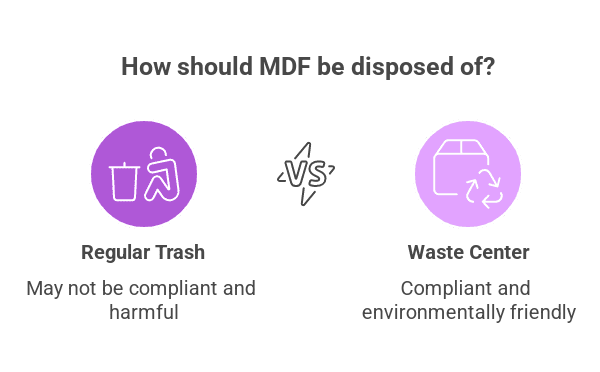
Short answer: yes, most household waste and recycling centers (the “tip”) will take MDF – but it almost never goes into the wood-recycling skip alongside clean offcuts and pallets. It goes into general waste or wood-for-energy, and here’s the actual reason why, plus what to check before you load up the car.
Why MDF Is Treated Differently From Solid Wood
Recommended Before Cutting MDF Down to Size
 |
3M P100 Performance Respirator – $29.98 If you need to cut old MDF furniture or shelving down to fit in a car or bin bag before the tip run, a paper dust mask won’t stop the fine resin-laden dust.
|
Medium-density fibreboard is wood fibers bound together with a urea-formaldehyde resin under heat and pressure. That resin is exactly why most sites can’t put MDF through the same chipper as clean, untreated timber: chipping resin-bound board contaminates the wood-chip stream that gets sold on for genuine recycling (animal bedding, particleboard feedstock, mulch), and burning it as fuel releases formaldehyde and other compounds that clean wood doesn’t. So MDF isn’t “unrecyclable” in the sense of being banned – it’s routed to general waste or waste-to-energy incineration instead of the wood-recycling stream, which is a meaningfully different (and less useful) outcome environmentally, even though the tip will still take it.
What to Check Before You Go
Rules vary by council and by site, so a five-minute call or website check before loading the car saves a wasted trip. Ask specifically: does this site accept MDF as general waste, wood waste, or not at all; is there a size or quantity limit per visit; and is there a charge for construction/DIY waste (many UK councils charge for this category even when household waste is free). Some sites also cap panel dimensions – a full 8×4 sheet may need to be cut down to fit their bins or your vehicle either way.
Separate MDF from genuinely clean, untreated wood before you arrive if the site sorts by material – mixing them can get your whole load redirected to the more expensive general-waste skip. Bring pieces small enough to lift into the skip yourself; most sites won’t let you leave full sheets for staff to break down.
Better Options Than the Tip
If the MDF is still in good, flat, unwarped condition, it’s worth trying to reuse or rehome it before disposing of it at all – MDF that hasn’t been exposed to moisture cuts and finishes exactly like new stock. Local schools, community workshops, theatre set builders, and hobbyist woodworking groups regularly take offcuts and full sheets for free. A quick post on a local community listing (marked “free, collect only”) often finds a taker within a day, especially for larger pieces that are awkward and expensive to transport to a tip anyway.
For genuinely damaged, water-swollen, or painted-with-unknown-coatings MDF, disposal is the right call – don’t try to salvage board that’s delaminating or has absorbed moisture, since it won’t hold screws or finish reliably even if you cut around the damaged section.
Cutting MDF Down Safely for Transport
MDF dust is a genuine respiratory irritant – it’s fine, gets airborne easily, and carries the same urea-formaldehyde resin that’s in the board itself. Cutting MDF outdoors or in a well-ventilated garage with the door open cuts down significantly on how much dust settles indoors. A dust mask rated at least N95 is the minimum; if you’re cutting more than an occasional offcut, a full respirator with replaceable filters (see the pick above) is worth it, especially for anyone with asthma or other respiratory sensitivity.
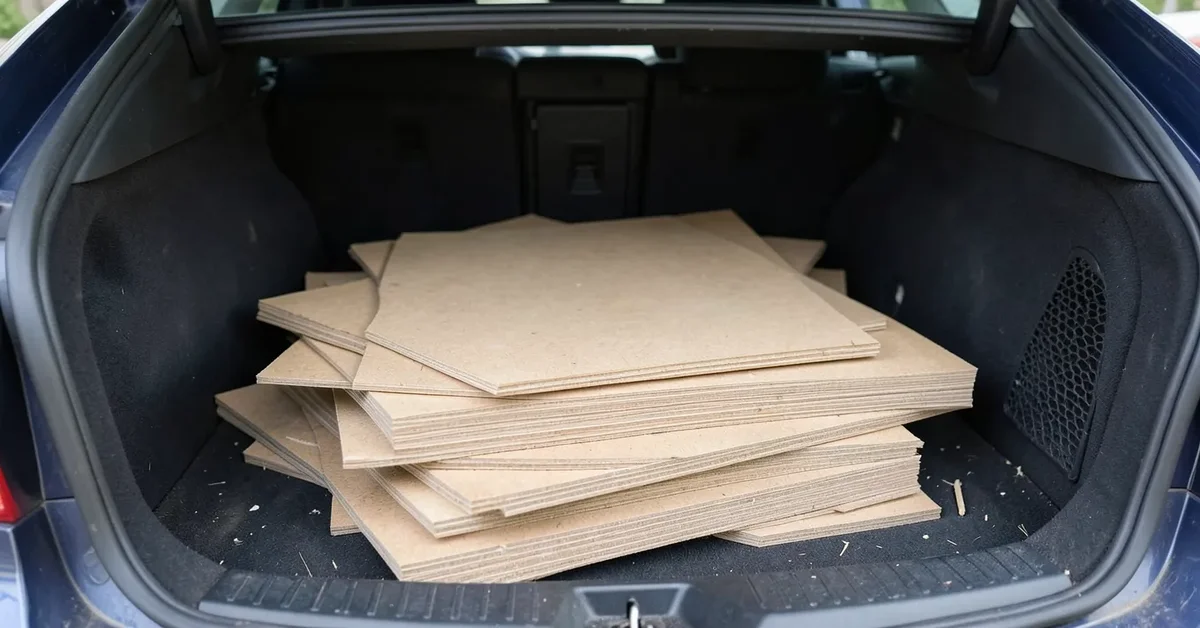
Wear safety glasses – MDF chips and splinters at the cut edge more than solid wood does. Bag cut pieces in a heavy-duty contractor bag rather than loading loose panels into a car trunk; broken edges catch on upholstery and shed dust the whole drive.
Frequently Asked Questions
What can you do with MDF waste?
If it’s still flat and undamaged, offer it to a school, community workshop, or local hobbyist group before disposing of it. Damaged or water-swollen MDF should go to a household waste and recycling center as general or wood waste, not into a curbside wood-recycling bin meant for clean, untreated timber.
Is MDF recyclable?
Not in the way clean wood is. The urea-formaldehyde resin that binds MDF’s fibers together makes it unsuitable for standard wood-chip recycling, since it would contaminate that stream. A small number of specialized facilities can process it, but most household waste sites route MDF to general waste or waste-to-energy rather than a wood-recycling skip.
Can you put MDF in a skip?
Yes, most general waste skips accept MDF, but confirm with the skip hire company first – some charge extra for treated or engineered wood versus clean timber, and a few sites cap the amount per load.
Why isn’t MDF recycled the same way as plywood or solid wood offcuts?
Because separating the wood fiber from the resin binder isn’t practical at most facilities, MDF can’t be chipped and reused the way clean solid wood or plywood offcuts can. That’s a processing limitation, not a rule against accepting it – most tips will still take it, just into a different waste stream than clean wood.
Conclusion
You can take MDF to the tip – just don’t expect it to go through the same recycling process as clean solid wood, because the resin binder rules that out at most facilities. Call ahead to confirm the site’s rules and any fee, cut oversized pieces down with proper dust protection, and check with a local school or workshop first if the board is still in usable condition. That last step is the only one that actually keeps it out of a landfill or incinerator.
Sponsored / affiliate links. As an Amazon Associate I earn from qualifying purchases. I may earn additional commission from eligible campaigns.