Why Primer for Pressure Treated Wood Matters
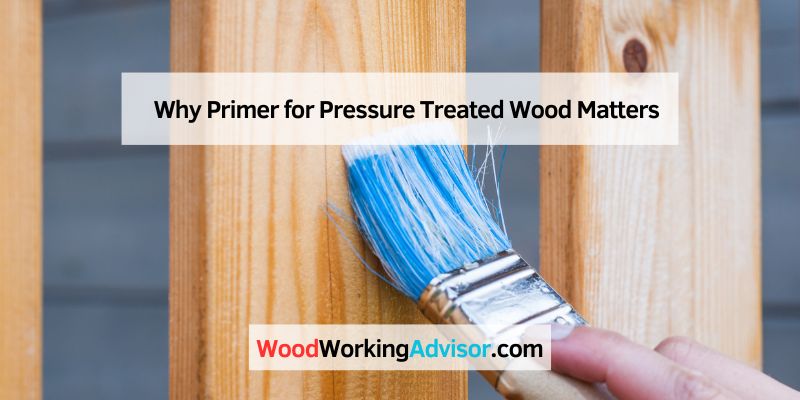
I remember the first time I worked with pressure treated wood. I thought, “This stuff is tough; it doesn’t need extra protection!” But I quickly learned that even this sturdy material needs a little love to stand up to rain, sun, and time. Pressure treated wood is chemically treated to resist rot, insects, and decay, but it’s not invincible. Without a proper primer, the wood can crack, fade, or even start to break down. A good primer seals the wood, protects it from moisture, and preps it for paint or stain. It’s like giving your wood a shield before it heads into battle with the elements.
When you apply a primer for pressure treated wood, you’re creating a barrier that helps the wood stay strong. It also makes your topcoat—whether paint or stain—stick better and last longer. I’ve seen projects where skipping the primer led to peeling paint within a year. Trust me, you don’t want that headache. So, let’s talk about what makes a great primer and how to use it.
What Is Pressure Treated Wood?
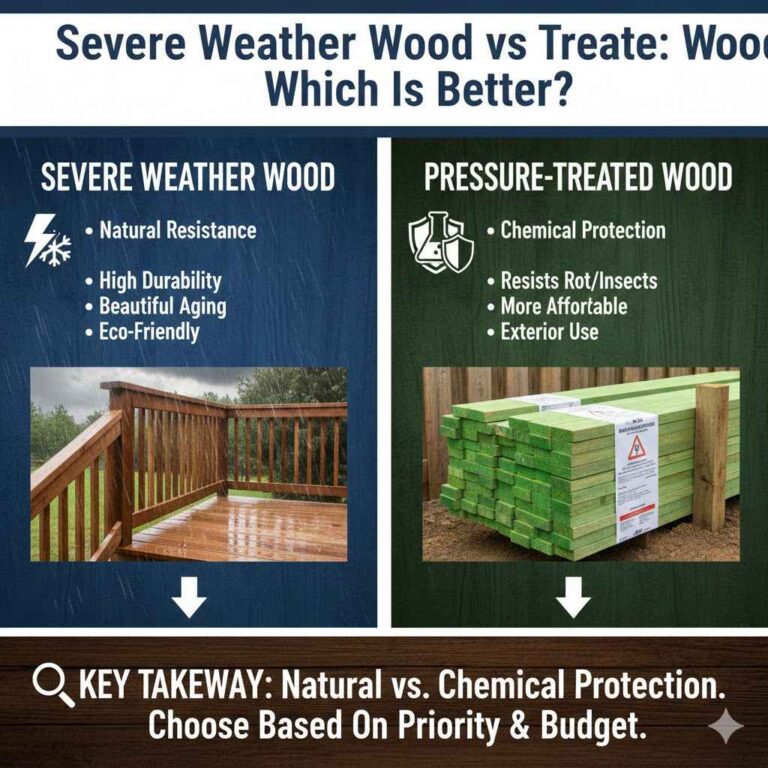
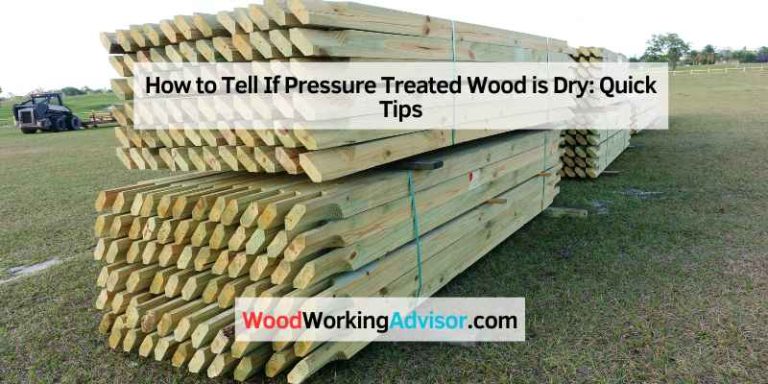
Let’s start with the basics. Pressure treated wood is lumber that’s been infused with chemicals to make it resistant to rot, insects, and fungal decay. It’s a go-to choice for outdoor projects like decks, fences, and pergolas because it can handle harsh weather. The wood is placed in a pressure chamber, where preservatives are forced deep into its fibers. This process makes it super durable, but it also leaves the wood wet and sometimes tricky to paint or stain right away.
I learned this the hard way when I tried painting a freshly treated deck. The paint bubbled and peeled because the wood was still too damp. That’s where primer for pressure treated wood comes in—it’s designed to work with the unique properties of this material, like its high moisture content and chemical treatments.
Why Do You Need a Primer?
You might wonder, “If pressure treated wood is so tough, why bother with a primer?” Here’s the deal: the chemicals in the wood can make it hard for paint or stain to stick properly. Plus, the wood’s surface is often rough and porous, which can soak up your topcoat unevenly. A primer smooths things out. It creates a uniform surface, blocks moisture, and helps your paint or stain bond tightly to the wood.
I’ve found that using a primer saves time and money in the long run. Without it, your paint might peel, your stain might fade, and you’ll be back to square one. A good primer for pressure treated wood also protects against UV rays and mildew, which is a big deal if you live in a humid or sunny area like I do.
Choosing the Right Primer
Picking the right primer for pressure treated wood can feel overwhelming with so many options out there. I’ve tested a bunch, and here’s what I’ve learned. You want a primer that’s specifically labeled for pressure treated wood or exterior use. Look for these key features:
- Water-based or oil-based: Water-based primers (like acrylic or latex) are easier to clean up and dry faster. Oil-based primers penetrate deeper and are great for older, weathered wood. I prefer water-based for most projects because they’re less smelly and dry quickly.
- Stain-blocking: This prevents the wood’s chemicals or natural tannins from bleeding through your paint.
- Mildew-resistant: Especially important in damp climates.
- High adhesion: Ensures the primer sticks to the slick, treated surface.
Some of my favorite brands include Zinsser, Kilz, and Behr. They make primers designed for tough surfaces like pressure treated wood. Always check the label to make sure it’s compatible with your topcoat.
Here’s a quick comparison of popular primers I’ve used:
| Primer | Type | Best For | Drying Time | Price Range |
|---|---|---|---|---|
| Zinsser Bulls Eye | Water-based | New pressure treated wood | 1 hour | $30–$40/gallon |
| Kilz Premium | Water-based | Stain-blocking, humid climates | 1–2 hours | $25–$35/gallon |
| Behr Premium Plus | Water-based | General outdoor use | 1 hour | $28–$38/gallon |
| Rust-Oleum Oil-Based | Oil-based | Weathered or older wood | 2–4 hours | $35–$45/gallon |
Preparing Pressure Treated Wood for Priming
Before you even open that can of primer, you need to prep the wood. This step is crucial, and I can’t stress it enough. Fresh pressure treated wood is often wet from the treatment process, so you need to let it dry out. I usually wait 2–6 months, depending on the weather. If you’re in a dry area, it might be ready sooner. You can test it by sprinkling water on the surface—if it beads up, the wood’s still too wet.
Once it’s dry, clean the wood thoroughly. I use a stiff brush and a mild detergent mixed with water to scrub away dirt, mildew, or chemical residue. Rinse it well and let it dry completely. If the wood is rough, sand it lightly with 120-grit sandpaper to smooth the surface. I made the mistake of skipping this once, and my primer didn’t stick evenly. Don’t be like me—take the time to prep!
How to Apply Primer Like a Pro
Applying primer for pressure treated wood isn’t hard, but there are a few tricks to get it right. Here’s how I do it:
- Gather your tools: You’ll need a brush, roller, or sprayer, plus a drop cloth and painter’s tape. I prefer a brush for small projects because it gets into the wood’s texture.
- Stir the primer: Give it a good mix to ensure it’s even. Don’t shake the can—it can create bubbles.
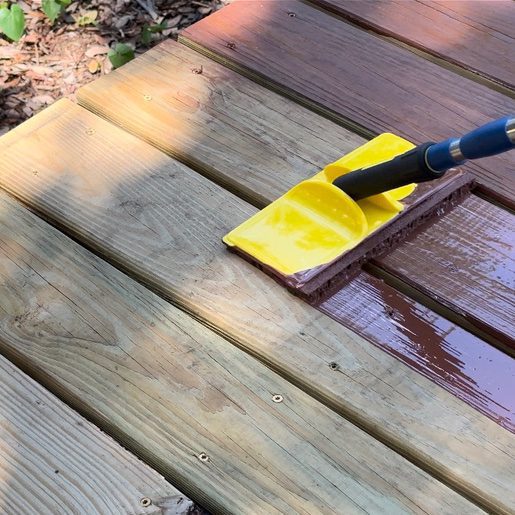
- Apply thin coats: I always do two thin coats instead of one thick one. Thin coats dry faster and stick better. Start with a brush for edges and corners, then use a roller for larger areas.
- Work in good weather: Aim for a dry day with temperatures between 50°F and 85°F. Too hot, and the primer dries too fast; too cold, and it won’t cure properly.
- Let it dry: Check the can for drying times, but most primers need 1–2 hours between coats. Wait at least 24 hours before applying your topcoat.
I once rushed the drying time and ended up with a sticky mess. Patience is your friend here!
Common Mistakes to Avoid
I’ve made plenty of mistakes working with pressure treated wood, so let me save you some trouble. First, don’t prime too soon. If the wood is still wet, the primer will trap moisture and cause problems. Second, don’t skip cleaning or sanding—dirt and rough spots will ruin your finish. Finally, don’t use an interior primer. It won’t hold up outdoors, and you’ll regret it when your paint starts peeling.
Another tip: don’t skimp on quality. Cheap primers might save you a few bucks, but they often fail to block stains or stick well. Spend a little more for a trusted brand, and your project will thank you.
Painting or Staining After Priming
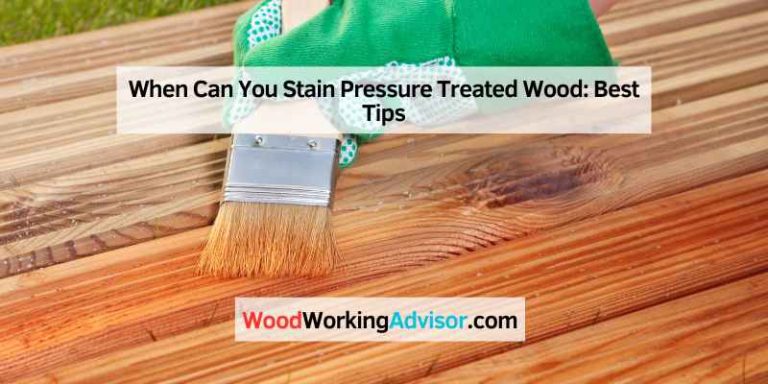
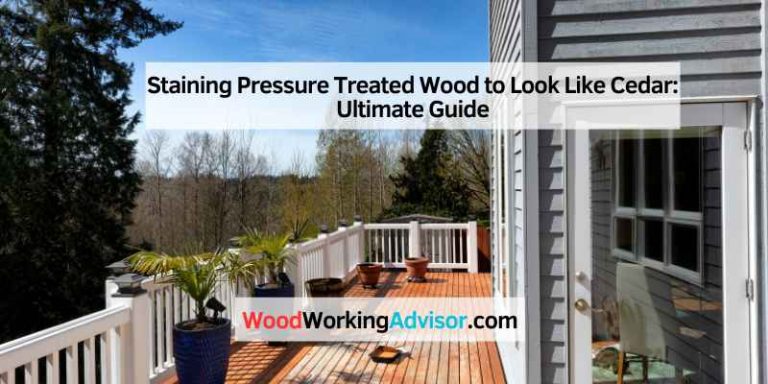
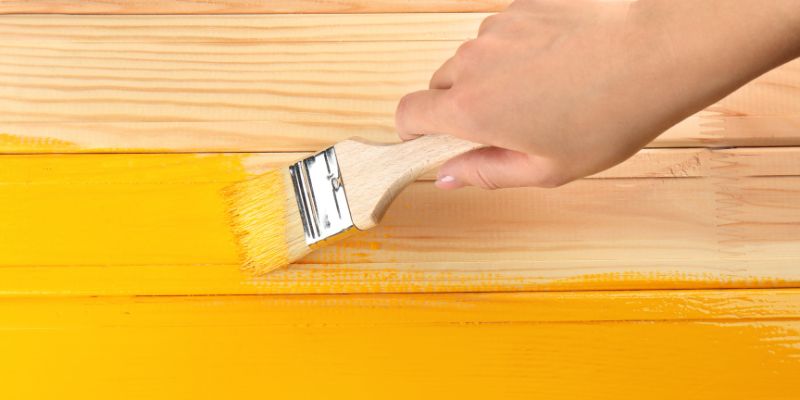
Once your primer is dry, it’s time for the fun part—adding color! If you’re painting, choose an exterior-grade paint that’s compatible with your primer. I love using acrylic latex0070 paint for vibrant colors and durability. For staining, a semi-transparent stain works great to show off the wood’s grain while adding protection.
Apply your topcoat the same way as the primer—thin, even coats with proper drying time. I always do a test patch first to make sure the color looks right. If you’re staining, make sure the stain penetrates well by applying it with a brush or sprayer.
Maintaining Your Primed and Painted Wood
Your work doesn’t end once the paint or stain is on. To keep your pressure treated wood looking great, clean it annually with a mild detergent and inspect for any peeling or fading. I usually touch up small areas with primer and topcoat as needed. Regular maintenance extends the life of your project, especially in harsh climates.
Eco-Friendly Options for Priming
If you’re like me and care about the environment, look for low-VOC or zero-VOC primers. Brands like Behr and Kilz offer eco-friendly options that perform just as well as traditional primers. They’re safer for you and the planet, and I’ve noticed they have less odor, which is a bonus when you’re working in a small space.
My Personal Experience
I’ve primed and painted countless pressure treated wood projects, from decks to pergolas. One of my favorite projects was a backyard fence that I primed with Zinsser Bulls Eye and painted a bright white. It’s been five years, and it still looks amazing, even with our humid summers. The key was letting the wood dry fully, cleaning it well, and using two coats of primer. It took extra time, but the results were worth it.
Conclusion
Using a primer for pressure treated wood is a game-changer for any outdoor project. It protects your investment, makes your paint or stain last longer, and keeps your wood looking great for years. By choosing the right primer, prepping the wood properly, and applying it with care, you’ll set yourself up for success. I’ve learned these lessons through trial and error, and I hope my experience helps you avoid my mistakes. Whether you’re a DIY newbie or a seasoned pro, a good primer is your secret weapon for a durable, beautiful finish. So, grab that brush and get started—your next project is going to look fantastic!
Frequently Asked Questions
What is the best primer for pressure treated wood?
The best primer for pressure treated wood depends on your project. I recommend water-based primers like Zinsser Bulls Eye or Kilz Premium for new wood. For older, weathered wood, an oil-based primer like Rust-Oleum works well. Always choose a primer labeled for exterior use with stain-blocking and mildew-resistant properties.
Can I prime pressure treated wood right away?
No, you should wait until the wood is dry, which can take 2–6 months. Test it by sprinkling water on the surface—if it beads up, it’s too wet. Priming wet wood can trap moisture and cause peeling or bubbling.
How long does primer take to dry on pressure treated wood?
Most primers take 1–2 hours to dry between coats, but check the label for specifics. Wait at least 24 hours before applying your topcoat to ensure the primer is fully cured.
Do I need to sand pressure treated wood before priming?
Yes, lightly sanding with 120-grit sandpaper smooths the surface and helps the primer stick better. I always sand after cleaning to remove any rough spots or chemical residue.
Can I use interior primer on pressure treated wood?
No, interior primers aren’t designed for outdoor use. They won’t hold up against weather and can lead to peeling or fading. Always use an exterior-grade primer for pressure treated wood.