How Do You Keep Wood Putty From Drying Out?
Wood putty dries out because its solvents evaporate the moment the container isn’t airtight — not because of low humidity. Seal it tight after every use, store it at 50-77°F under 60% humidity, and a sealed tub of oil-based putty can last 5+ years. This guide covers the exact storage numbers, a by-type shelf-life table, and three ways to revive putty that already dried up.
Quick Answer
Wipe the container rim clean, press plastic wrap directly onto the putty’s surface, then seal the lid tightly and store it between 50-77°F away from direct sun. Keep ambient humidity under 60% — high humidity doesn’t “feed” the putty, it just risks mold on the container. Check it every few months; a barely-firm skin can still be revived with a few drops of water or mineral spirits.
Why Wood Putty Dries Out in the Container
Best Wood Putty Storage Pick
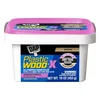
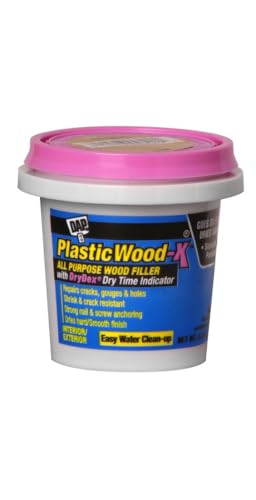
DAP Plastic Wood-X with DryDex Wood Filler, 16 oz
If your old tub is past saving, this is the replacement most reviewers reach for — the DryDex indicator turns from pink to natural so you know exactly when it’s dry.
- Best for: replacing a tub that’s dried past the point of reviving
- Why we picked it: the color-change dry indicator removes the guesswork this whole article is about avoiding
- Main drawback: the tub itself has the same drying risk once opened, so the storage steps above still apply
Compare more wood putty storage options
 Option 1 Minwax Stainable Wood Filler, 16 oz
|
 Option 2 Reynolds Kitchens Clear Plastic Wrap with Slide Cutter
|
 Option 3 TUZAZO 12-Pack 4 oz Airtight Screw-Lid Containers
|
As an Amazon Associate we earn from qualifying purchases.
Wood putty and wood filler both cure by solvent evaporation — water for water-based fillers, mineral spirits or acetone for oil-based and lacquer-based ones. The moment air reaches the surface, that evaporation starts, whether the tub is in your shop or in a drawer. A loose lid, a torn rim seal, or scooping putty out with a dirty knife (which drags air and moisture into the tub) all speed it up.
One common claim worth correcting: several older guides suggest “high humidity helps keep putty moist.” It doesn’t. A sealed container isn’t affected by room humidity at all — what actually happens is the opposite: ambient humidity above 60% raises the risk of mold growing on the container lid and rim, particularly with water-based fillers. The fix isn’t a humid room. It’s an airtight seal, full stop.
The Storage Conditions That Actually Keep It Fresh
Two numbers matter more than anything else: temperature and humidity. Store wood putty between 50°F and 77°F (10°C-25°C) and keep the storage area’s humidity under 60%. Anything colder than freezing can separate the resins in oil-based putty; anything hotter than 90°F accelerates solvent evaporation even through a sealed lid.
📊 50-77°F and under 60% humidity is the sweet spot for wood putty storage — below freezing separates oil-based resins, above 90°F accelerates evaporation even in a sealed tub. Source: manufacturer storage guidance, cross-checked against DAP’s official Plastic Wood-X data sheet.
A basement shelf, a closed cabinet away from a furnace vent, or an interior closet all beat a garage that swings from freezing to 100°F+. If you only have garage storage, keep the tub in a small insulated tote instead of on an open shelf. This kind of storage discipline is worth applying across your whole shop — see our full wood maintenance hub for more preservation guides.
How to Store Wood Putty So It Doesn’t Dry Out
Follow these five steps every time you close the lid, not just when you’re done with a project for good.
- Wipe the rim clean: Dried residue on the container’s lip is the #1 reason lids stop sealing flush. Wipe it with a dry rag before every closure.
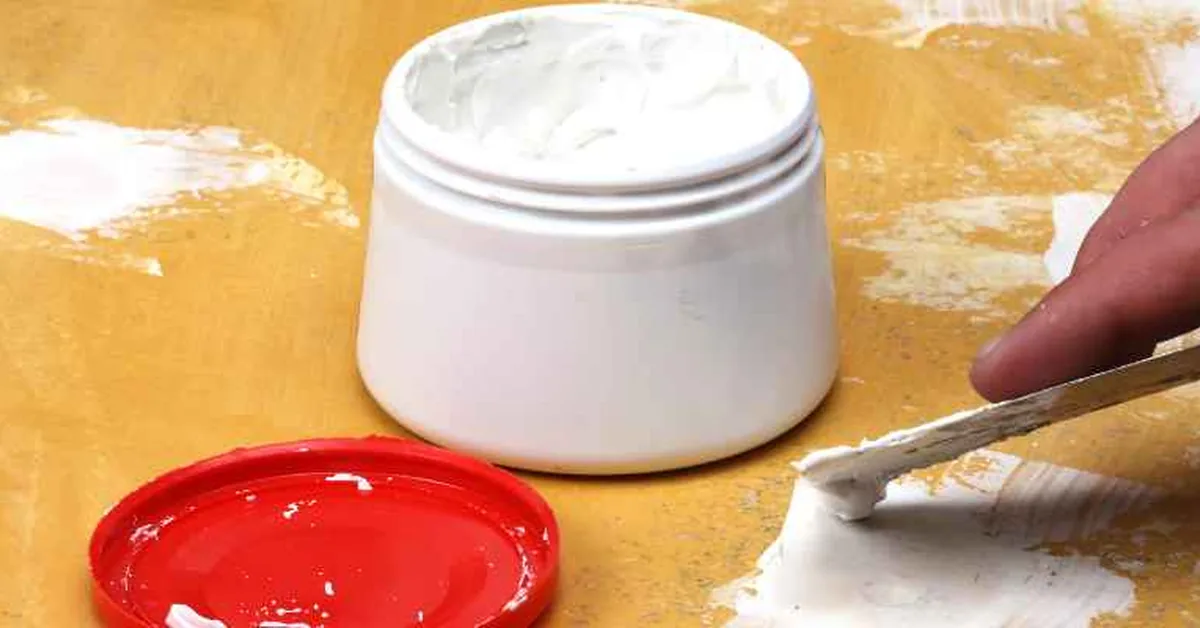
- Press plastic wrap onto the surface: Lay a piece of plastic wrap directly on the putty (not just under the lid) so it makes contact with the exposed face, then smooth out air pockets.
- Add a thin barrier layer for long-term storage: For tubs you won’t reopen for months, a thin smear of petroleum jelly over the plastic wrap adds a second air barrier.
- Seal the lid tightly: Press until you hear or feel the seal seat. If the original lid has cracked or lost its seal, transfer the putty to a small screw-lid container instead of trusting a bad lid.
- Store at 50-77°F, under 60% humidity, out of direct sun: A closet shelf or basement cabinet works better than a garage wall or a sunlit windowsill.
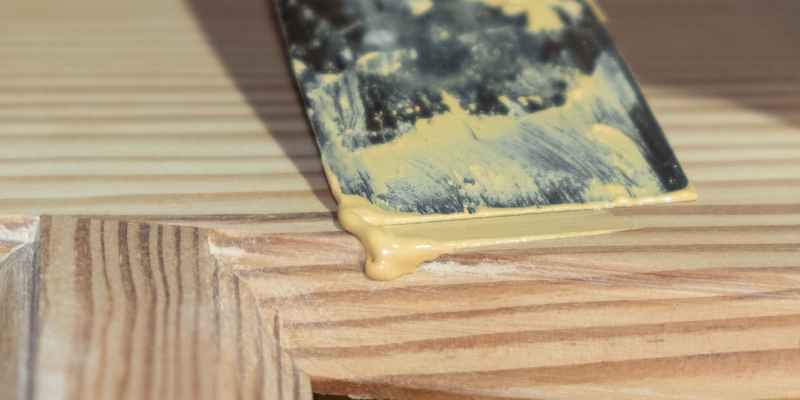
Wood Putty Shelf Life by Type (and How to Revive Each One)
Not every putty dries out at the same rate, and not every putty revives the same way. This table combines both — expected shelf life once opened, and the revival method that actually matches the chemistry.
| Putty Type | Opened Shelf Life | Unopened Shelf Life | Best Revival Method |
|---|---|---|---|
| Water-based wood filler | 3-6 months | 1-2 years | A few drops of water, mixed in gradually |
| Oil/solvent-based wood putty | 6 months-1 year | 5-10 years | Mineral spirits or acetone, a few drops at a time |
| Two-part epoxy filler | N/A — mix fresh each use | 1-2 years (unmixed) | Not revivable once mixed and cured — discard and remix |
| Wax fill sticks | Effectively indefinite if kept cool | Indefinite | Warm gently between your hands to soften |
Oil-based putty’s much longer shelf life is the main reason many woodworkers keep two tubs on hand: an oil-based one for repairs that can wait, and a small water-based tub they finish within a season.
Signs Your Wood Putty Is Too Far Gone to Save
Not every dry patch means the tub is done. Here’s how to tell which side of the line you’re on.
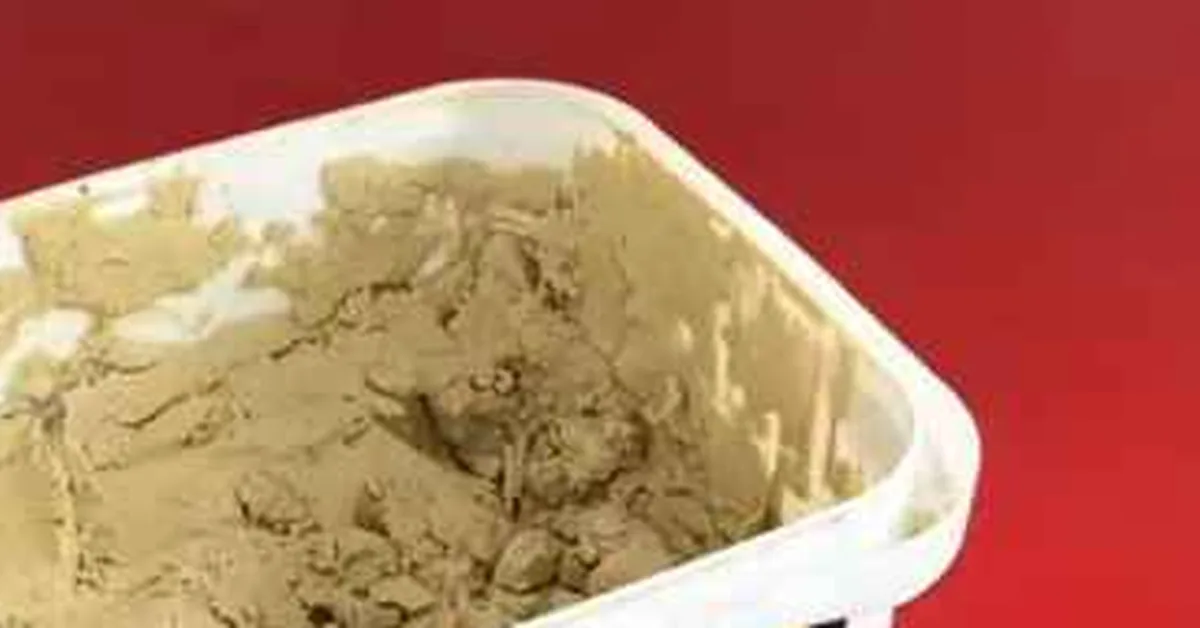
- Still revivable: a firm skin on top, crumbly edges, or putty that cracks when pressed but is still pliable underneath.
- Too far gone: the putty has turned into hard, rock-like chunks all the way through, or it crumbles to powder and won’t hold together even after adding solvent.
If you’re at the “too far gone” stage, check the difference between wood putty and wood filler before buying a replacement — the two aren’t interchangeable for every repair.
How to Revive Wood Putty That’s Already Dried Out
Match the revival method to the putty type from the table above — using water on oil-based putty (or vice versa) just makes a mess without softening anything.
Water-Based Putty: The Water Method
- Break up the surface: Crumble the dried skin with a putty knife or a small pestle.
- Add water a few drops at a time: Mix after every addition — adding too much at once turns it soupy instead of workable.
- Knead until smooth: Stop as soon as it reaches its original texture; over-wetting weakens the final bond.
Oil-Based Putty: Mineral Spirits or Acetone
Add mineral spirits (or acetone for lacquer-based putty) a few drops at a time and knead thoroughly. This works best on putty that’s only stiffened, not fully hardened — a rock-hard chunk won’t take the solvent back in.
The Canola Oil Trick (Worth Trying Before You Toss It)
A kitchen-cabinet fix that shows up in some DIY communities: knead a small squirt of canola oil into the dried putty for 30-60 seconds until it’s evenly distributed. It won’t work on fully hardened chunks, but on a putty that’s only gone stiff, the oil acts as a lubricant that restores workability without the fumes of mineral spirits — useful if you’re working indoors without ventilation.
Frequently Asked Questions
How can I prevent wood putty from drying out?
Wipe the container rim clean, press plastic wrap directly onto the putty’s surface, and seal the lid tightly after every use. Store the sealed container between 50°F and 77°F, away from direct sunlight, and keep the storage area’s humidity under 60%.
What causes wood putty to dry out quickly?
Air exposure through a loose or dirty lid is the main cause — the solvent (water or mineral spirits, depending on type) evaporates as soon as air reaches the surface. High heat above 90°F speeds this up even in a sealed container. Ambient humidity does not prevent drying; that’s a common myth.
Can I revive dried wood putty?
Yes, if it’s only stiffened rather than fully hardened. For water-based putty, add water a few drops at a time and knead until smooth. For oil-based putty, use mineral spirits or acetone the same way. A squirt of canola oil kneaded in for about a minute also works on lightly dried putty. Fully hardened, crumbly chunks generally can’t be saved.
How long does wood putty last unopened?
It depends on the type. Unopened water-based wood filler typically lasts 1-2 years. Unopened oil-based or solvent-based putty can last 5-10 years when stored between 50°F and 77°F. Two-part epoxy fillers last 1-2 years unmixed but must be used immediately once the two parts are combined.
Does wood putty expire, or can old putty still be used?
Wood putty doesn’t have a hard expiration date, but it does degrade. Past its typical shelf-life window, oil-based putty may separate and water-based putty may lose adhesion even if it still looks workable. If it’s within a year or two past the window and still smooth and pliable, a quick test patch on scrap wood is the safest way to confirm it still bonds properly.
What’s the best temperature and humidity to store wood putty?
Store wood putty between 50°F and 77°F (10°C-25°C) with ambient humidity kept under 60%. Avoid freezing temperatures, which can separate oil-based resins, and avoid heat above 90°F, which speeds up solvent evaporation even through a sealed lid.
Conclusion
A clean rim, plastic wrap pressed onto the surface, a tight lid, and storage between 50-77°F under 60% humidity will keep most wood putty usable for the shelf-life window in the table above — years for oil-based, months for water-based. If it does dry out, match the revival method to the putty type before reaching for a new tub. For repairs where the old putty just won’t take stain evenly anymore, see our guide on covering wood putty with stain.
Related reading: how long wood putty takes to dry once applied, and whether wood putty hardens the same way epoxy does.
Sponsored / affiliate links. As an Amazon Associate I earn from qualifying purchases. I may earn additional commission from eligible campaigns.