Will Grass Grow in Wood Ash? Discover the Surprising Truth
Imagine stepping into your garden, a place of potential beauty and tranquility. You envision lush, green grass covering every inch, creating a serene oasis right in your backyard.
But then, you’re faced with a curious question that could change everything: will grass grow in wood ash? You might have heard the buzz about wood ash being a secret weapon for your garden, but is it really that simple?
This intriguing question holds the key to unlocking a whole new level of gardening success. You’re about to discover how wood ash can transform your gardening game, and whether it’s the missing piece to your dream landscape. You’ll learn why some gardeners swear by it and what you need to know before you sprinkle ash on your soil. Get ready to dive into a world where science meets gardening magic, and find out how you can harness the power of wood ash to cultivate the vibrant grass you’ve always wanted. Your garden awaits its transformation—are you ready to take the leap?
Wood Ash Composition
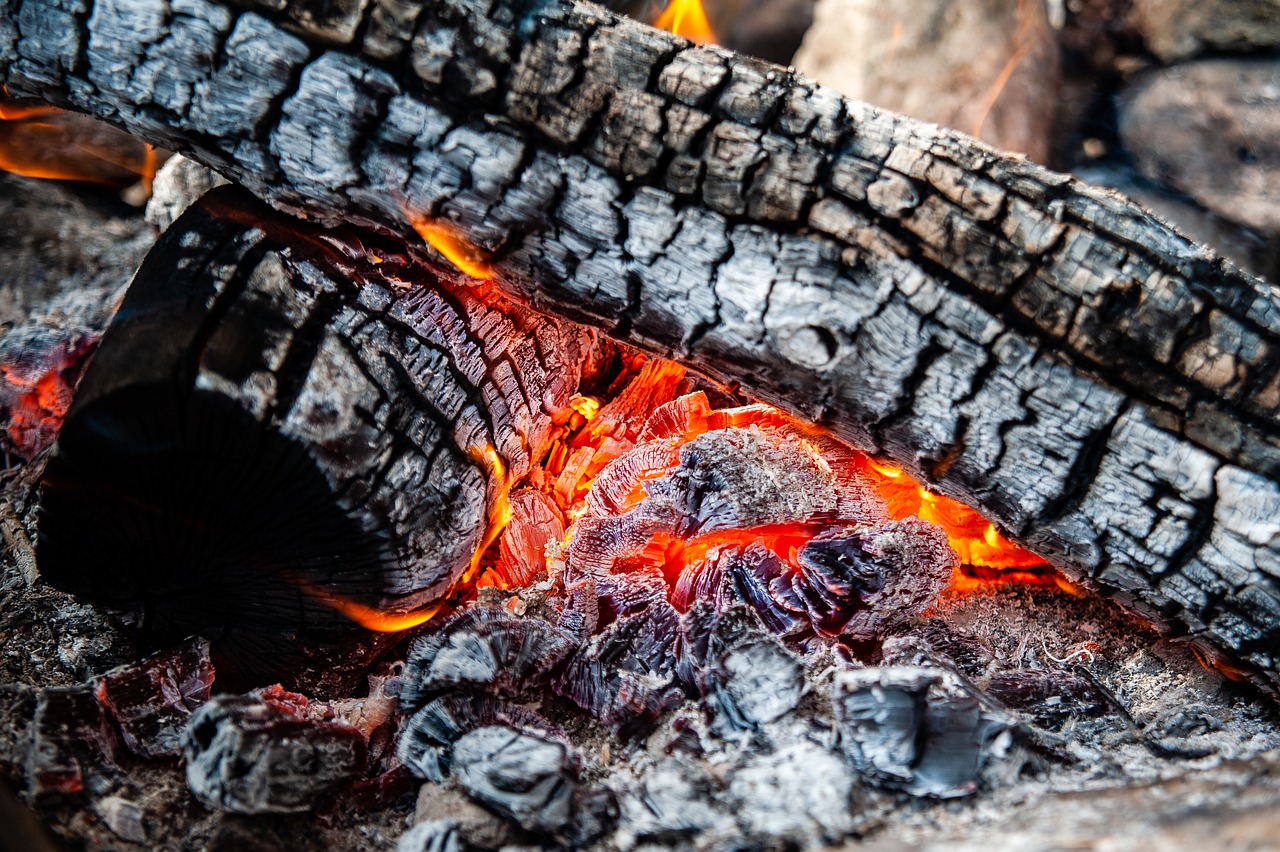
Wood ash is from burnt wood. It contains many minerals. The key minerals are calcium, potassium, and phosphorus. These minerals are important for plants. Calcium helps make the soil less acidic. Potassium helps plants grow strong. Phosphorus helps roots grow better.
Wood ash also has trace elements. These are small amounts of other minerals. They include iron, magnesium, and zinc. Iron helps plants stay green. Magnesium helps plants make food from sunlight. Zinc helps plants grow well. Wood ash does not have nitrogen. Grass needs nitrogen to grow. So, grass might not grow well with just wood ash.
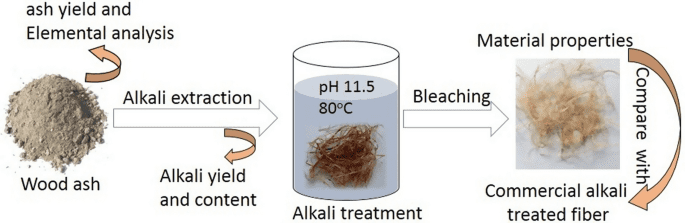
Credit: www.outdoorguide.com
Benefits For Soil
Wood ash is rich in potassium. It helps plants grow strong. It also contains calcium and magnesium. These nutrients make soil healthy. Wood ash lacks nitrogen. Grass needs nitrogen to grow. Adding compost can help. Compost gives soil the nitrogen it needs. Wood ash can be mixed with compost.
Wood ash can change soil pH levels. It makes soil less acidic. Grass grows well in less acidic soil. Check soil pH before adding ash. Too much ash can harm plants. Use small amounts for best results. Always mix ash well into the soil. This helps spread nutrients evenly.
Impact On Grass Growth
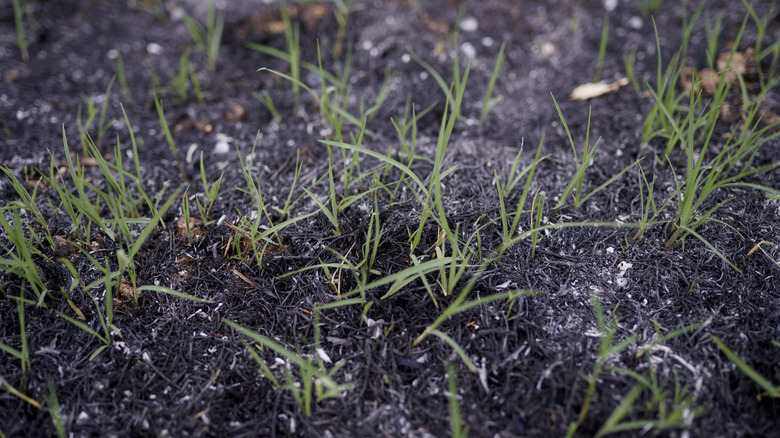
Wood ash can help grass grow. It has important nutrients like potassium. Potassium keeps grass strong. Wood ash also changes soil pH. It makes soil less acidic. This is good for grass. Grass grows well in less acidic soil. Proper application of ash is key. Spread evenly over the grass area. Avoid clumps. Clumps can hurt grass. Grass needs light ash spread. Test soil before using ash. It helps know soil needs. Grass likes balance. Too much ash is not good.
Using wood ash can harm grass. Too much ash makes soil too alkaline. Grass does not like alkaline soil. It stops growth. Wood ash can burn grass if used wrong. Careful spreading is important. Wet ash is harmful. It makes grass stick and burn. Avoid wet ash. Always use dry ash. Ash can lack nutrients. Grass needs extra fertilization. Check soil nutrient levels. Balance ash use for healthy grass.
Application Techniques
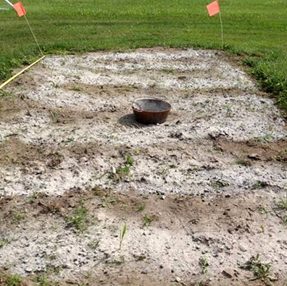
Proper Distribution of wood ash helps grass grow well. Spread ash evenly over the soil. Uneven ash can hurt grass. Use a rake to make the ash layer thin. Thick layers stop grass from growing. Ash can change the soil’s pH level. Grass needs a balanced pH to grow. Test the soil before adding ash.
Optimal Timing is key for using wood ash. Early spring is a good time. Grass starts growing in spring. Ash gives grass a nutrient boost. Avoid using ash in winter. Snow and rain wash it away. Summer is also not ideal. Ash can burn grass in hot sun. Always use ash when the ground is moist.
Alternative Uses Of Wood Ash
Wood ash can be a great addition to compost. It contains valuable nutrients that help plants grow. These nutrients include potassium and calcium. The ash is alkaline. This can balance the acidic nature of compost. Add small amounts of ash to your compost pile. This will improve the quality of the compost. Be careful not to use too much ash. It can make the compost too alkaline. This might harm the plants.
Wood ash can help with pest control. Sprinkle ash around plants. This keeps slugs and snails away. These pests dislike the texture of ash. It can also deter some insects. Always use ash carefully. Too much can harm the plants. Ash can make the soil too dry. This will affect plant growth. Use ash as a barrier. It will protect plants from unwanted pests.
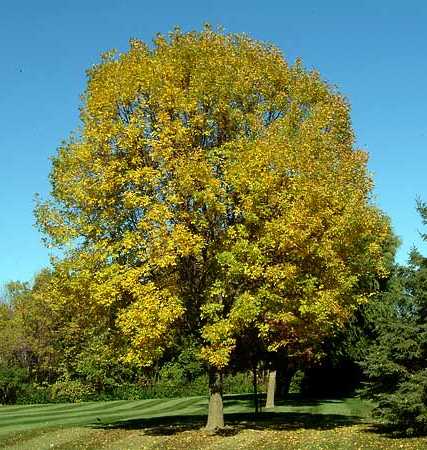
Credit: hort.extension.wisc.edu
Safety Precautions
Always wear gloves when touching wood ash. It can be harmful to your skin. Use a mask if ash dust is in the air. Avoid breathing it in. Keep wood ash away from your eyes. It can cause irritation. Store ash in a dry, safe place. Keep it away from children and pets. Never use wet wood ash. It can cause burns. Use a shovel to handle larger amounts. A small brush works for smaller bits. Wash your hands after touching wood ash.
Wood ash can change soil pH. This affects plant growth. Use only a small amount on soil. Too much can harm plants. Test soil before adding ash. Ensure it’s not too alkaline. Avoid spreading ash near water sources. Ash can pollute water. It can be harmful to fish and plants. Dispose of excess ash responsibly. Follow local guidelines for disposal. Spread ash on non-windy days. This helps prevent ash from blowing away.
Success Stories
Many gardeners shared their success stories with wood ash. They found grass grew well with ash. One gardener used ash in her backyard. Her grass turned greener and thicker. Another used ash on dry patches. It helped restore the area. These stories show ash can help grass growth.
Experts believe wood ash can improve soil. It adds nutrients like potassium and calcium. These nutrients help grass grow. Experts suggest using small amounts of ash. Too much can harm grass. Always test your soil first. This ensures the best results. Experts agree ash can be beneficial when used correctly.
Credit: gardening.usask.ca
Frequently Asked Questions
What Grows Best In Wood Ash?
Wood ash boosts the growth of alkaline-loving plants. It enriches the soil for tomatoes, garlic, and roses. Blueberries and azaleas dislike wood ash. This natural fertilizer provides potassium and calcium, improving soil structure. Use sparingly to avoid altering the soil’s pH drastically.
What Are The Disadvantages Of Wood Ashes?
Wood ashes can alter soil pH, making it too alkaline. They can also contain harmful heavy metals. Excessive use may harm plants and reduce nutrient availability. Ashes can cause skin irritation and respiratory issues if inhaled. Store ashes safely to prevent fire hazards.
Is Wood Ash Good For Pasture?
Wood ash enriches pasture soil by adding nutrients like potassium and phosphorus. It neutralizes acidic soil, promoting grass growth. Apply moderately to avoid nutrient imbalance. Ensure it’s free from harmful substances for best results.
Can I Dump Ash On My Lawn?
Dumping ash on your lawn can benefit soil health. Wood ash adds nutrients and improves pH balance. Avoid using ash from coal or treated wood, as they contain harmful chemicals. Apply sparingly and mix with soil to prevent nutrient overload.
Always check local regulations before disposing of ash.
Conclusion
Grass can grow in wood ash with care and patience. Wood ash provides nutrients but must be used sparingly. Too much ash can harm the soil. Mix it well with compost or soil for balance. Test the soil pH before planting.
Adjust as needed for healthy growth. Monitor the grass regularly. Make sure it gets enough water and sunlight. Proper management leads to lush lawns. With the right approach, wood ash can be a helpful tool. Enjoy the benefits of a thriving garden.
Embrace natural methods for greener spaces. Sustainable practices offer long-term success.