Using Wood Ash: Soil, Potassium Content & Safety for Chickens
Wood ash is a genuinely useful, free soil amendment and a low-cost parasite control for chickens — but only in the right amounts and only from clean, untreated wood. Apply about 5 pounds per 100 square feet of garden soil once a year, expect real (if modest) potassium and calcium content, and use only hardwood ash in a chicken dust bath. This guide covers how much to use in soil, what nutrients it actually provides, and how to use it safely around chickens.
What’s Actually in Wood Ash
Wood ash is mostly calcium carbonate — roughly 20-50% depending on the wood — along with smaller amounts of potassium, phosphorus, and magnesium, plus trace iron and aluminum. As a rough rule of thumb, hardwood ash analyzes at approximately 0% nitrogen, 1-2% phosphorus (P₂O₅), and 3-7% potassium (K₂O). It is not a meaningful source of vitamins, despite that claim circulating online — its benefits are mineral and mechanical, not nutritional in the vitamin sense.
Hardwood ash (oak, maple, cherry, birch) carries roughly five times the mineral content of softwood ash (pine, spruce), and softwood ash also tends to carry more resin and higher chlorine/sulfur compounds. For both garden and coop use, hardwood ash is the better choice whenever you have it.
How Much Wood Ash to Add to Soil
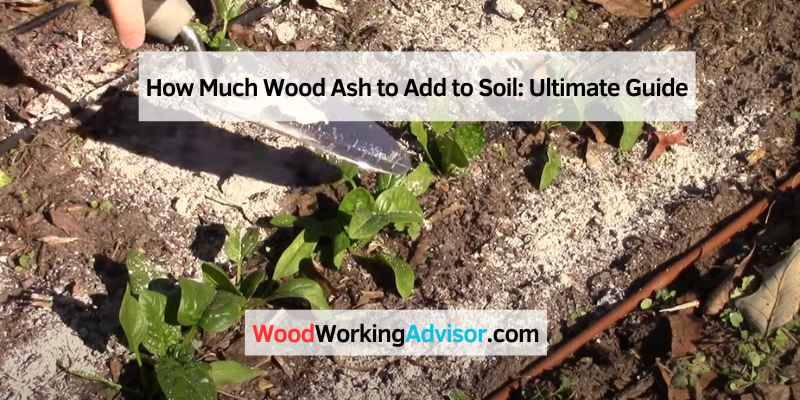
A safe general rate is about 5 pounds per 100 square feet, applied once a year. The right amount varies slightly by soil type:
| Soil Type | Amount of Wood Ash (per 1,000 sq ft) |
|---|---|
| Clay soil | 10 lbs |
| Sandy soil | 15 lbs |
| Loamy soil | 20 lbs |
Steps to add it correctly:
- Collect ash from untreated wood only, and let it cool completely.
- Test your soil’s pH first — wood ash raises pH, so it’s most useful on acidic soil and should be skipped on soil that’s already neutral or alkaline.
- Measure the right amount using the table above rather than guessing.
- Mix it into the top few inches of soil with a rake or tiller — don’t leave it sitting on the surface.
- Water the soil afterward to help it settle in and start dissolving.
Best timing: apply in fall so it has time to integrate before spring planting, or a few weeks before planting in spring if your soil tests very acidic. Avoid applying right before or during germination, since the pH shift and salt content can stress seedlings.
What the Potassium in Wood Ash Actually Does
Potassium is one of the three primary plant nutrients (alongside nitrogen and phosphorus), and it’s the main reason wood ash is useful as a soil amendment rather than just a pH adjuster. In soil, potassium from wood ash helps plants:
- Build strong root systems and sturdier overall growth
- Improve water regulation within plant cells, which helps with drought tolerance
- Resist disease and pest pressure more effectively than potassium-deficient plants
- Produce better flowering and fruiting in vegetable and ornamental gardens
Wood ash also contributes calcium alongside the potassium, which supports cell wall strength — the two nutrients work together rather than one substituting for the other. Spread ash evenly and mix it into the soil rather than piling it in one spot, since concentrated ash can create localized salt and pH spikes that stress roots.
Precautions When Using Wood Ash in the Garden
- Never use ash from treated, painted, or chemically finished wood — it can carry harmful chemicals and heavy metals into your soil.
- Wear gloves when handling wood ash; it’s caustic enough to irritate skin.
- Don’t overapply. Too much wood ash pushes soil pH too high (alkaline), which locks out iron and other nutrients plants need.
- Skip acid-loving plants entirely. Blueberries, rhododendrons, azaleas, and camellias prefer acidic soil and do poorly with wood ash nearby.
- Test soil regularly — annually at minimum — so you know whether you actually need more ash or have already raised pH enough.
Using Wood Ash for Chickens: Dust Baths and Coop Safety
Wood ash has a genuinely useful role in chicken keeping, but it’s a mechanical benefit, not a nutritional one. Fine, dry ash and charcoal particles coat parasites like mites, lice, fleas, and ticks and dry out their exoskeletons, killing them without synthetic chemicals — that’s the whole mechanism, and it works whether or not the ash has any particular nutrient content.
Safety Rules Before Using Any Wood Ash Around Chickens
- Only clean wood. Never use ash from treated, painted, pressure-treated, or stained wood — chemical residue is toxic to chickens.
- Never use charcoal briquettes or lighter-fluid-treated wood. Commercial briquettes contain additives unsafe for animal contact.
- Let it fully cool. Hot embers or warm ash can burn skin and start fires in bedding.
- Sift it fine. Remove chunks of unburned wood or debris before adding it to a dust bath.
- Use in moderation. A handful mixed into a dust bath area is enough — too much creates airborne dust that can irritate a chicken’s respiratory system.
Building a Wood Ash Dust Bath
- Choose the location: a dry, shaded spot in the coop or run — sun makes the bath too hot and speeds up moisture loss from the mix.
- Prepare the area: clear debris and rocks, and level the ground so it stays dry.
- Add fine soil or sand as the base the chickens will dig and roll in.
- Mix in sifted hardwood ash at roughly one part ash to three or four parts soil/sand — not a 1:1 mix.
- Check and refresh weekly, sooner if it gets wet or muddy.
Keep the dust bath dry at all times — damp ash clumps instead of coating parasites, and a muddy bath can grow bacteria instead of controlling it. Beyond dust baths, some keepers add wood ash to feed at roughly a 1% ratio for its calcium and mineral content, linked anecdotally to improved lay rates — but this is a minor supplement, not a substitute for a proper calcium source like oyster shell, so check with your feed supplier first.
Seasonal note: chickens spend more time indoors in winter, which raises parasite pressure from lice and mites — a dust bath with hardwood ash inside the coop helps most during this period. In summer, chickens dust-bathe outdoors more on their own, so an outdoor dust bath area matters more than treating the coop bedding itself.
Other Uses for Wood Ash
Beyond soil and coop use, wood ash also works as a natural cleaner for metal and glass, a pest deterrent that snails, slugs, and ants avoid, a traction aid on icy walkways, and a compost balancer. For a full rundown of ways to use leftover wood ash around the house and yard, see our complete list of 30 wood ash uses.
Frequently Asked Questions
How much wood ash per square foot of soil?
About 5 pounds per 100 square feet once a year is a safe general rate, adjusted slightly for soil type — clay, sandy, and loamy soils each tolerate a somewhat different amount (see the table above).
Is wood ash rich in potassium?
Yes, though the exact amount varies by wood type — hardwood ash typically runs around 3-7% potassium (K₂O) by weight, along with calcium and smaller amounts of phosphorus and magnesium. Test soil before adding it to avoid overshooting what your plants need.
Which plants do not like wood ash?
Acid-loving plants like blueberries, rhododendrons, azaleas, and camellias dislike wood ash, since it raises soil pH away from the acidic conditions they need.
What kind of ash is safe for chickens?
Clean hardwood ash — from oak, maple, cherry, or birch — is the safest and most effective choice. It has more minerals than softwood ash and lacks the resin and higher chlorine/sulfur content found in pine or spruce. Never use ash from treated or painted wood.
Does wood ash actually contain vitamins for chickens?
No — this is a common myth. Wood ash is mostly calcium carbonate with some potassium, phosphorus, and magnesium. Its benefit for chickens is mechanical (drying out parasites), not nutritional, aside from a small mineral contribution if added to feed.
Conclusion
Wood ash earns its keep as a free soil amendment and a low-cost parasite control for chickens, but both uses come with the same guardrails: use only clean, untreated hardwood, apply in moderation, and test before you assume your soil or coop needs more. About 5 pounds per 100 square feet a year covers most gardens, and a sifted, sparing amount in a dust bath covers most coops.