Will Hardwood Acclimate in the Box? Essential Insights
Yes, hardwood will acclimate in the box. When properly stored, hardwood will adjust to the environment it is placed in.
Hardwood flooring is a popular choice for homeowners due to its durability and timeless appeal. However, before installation, it is crucial to ensure that the hardwood has acclimated to the environment in which it will be placed. Acclimation refers to the process of allowing the hardwood to adjust to the temperature, humidity, and moisture levels of its surroundings.
This is important because hardwood is a natural material that can expand or contract based on these factors. To ensure a successful installation and prevent potential issues such as warping or buckling, it is recommended to acclimate hardwood in the box before installation. We will explore the importance of hardwood acclimation and the steps involved in the process.
The Science Behind Hardwood Acclimation
Factors Influencing Wood Acclimation
Hardwood acclimation is influenced by several key factors, each of which plays a crucial role in ensuring the successful installation and long-term stability of the wood flooring. Understanding these factors is essential for homeowners and installers alike.
Moisture Content And Environmental Impact
Moisture content and environmental conditions significantly impact the acclimation process of hardwood. Changes in moisture levels and temperature can cause the wood to expand or contract, leading to potential issues if not carefully managed.
Unboxing The Myth: Can Wood Acclimate In The Box?
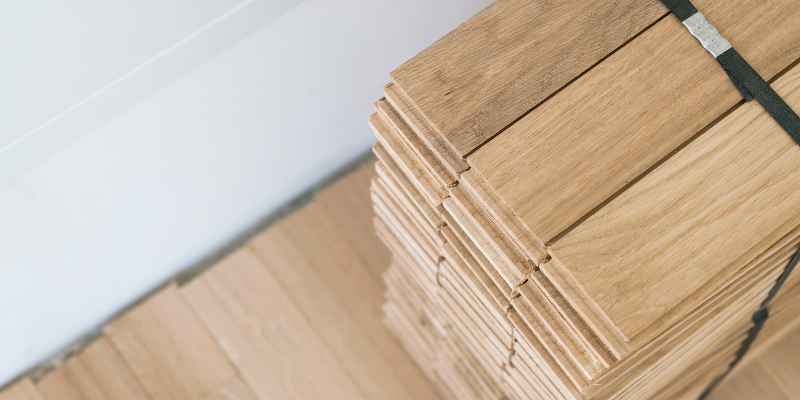
Pros And Cons Of Boxed Acclimation
Acclimating hardwood in the box offers convenience but may have drawbacks. Let’s explore the advantages and disadvantages:
- Pros: Convenience, protection from elements, uniform acclimation environment.
- Cons: Limited airflow, potential moisture retention, delayed acclimation process.
Case Studies And Expert Opinions
Research and expert insights shed light on the effectiveness of boxed acclimation. Here’s what the data and professionals reveal:
| Case Studies | Expert Opinions |
|---|---|
| Study 1: Boxed acclimation resulted in consistent moisture levels. | Expert 1: Supports boxed acclimation for short-term storage. |
| Study 2: Boxed acclimation led to uneven moisture distribution. | Expert 2: Recommends traditional acclimation for optimal results. |
| Study 3: Boxed acclimation caused warping in some wood samples. | Expert 3: Emphasizes the importance of proper ventilation during acclimation. |
Proper Acclimation Techniques For Hardwood
Properly acclimating hardwood is essential for a successful installation. Taking the time to allow the wood to adjust to its new environment can prevent issues such as warping or buckling down the line.
Step-by-step Acclimation Process
To ensure proper acclimation, follow these steps:
- Remove the hardwood from its packaging and lay it flat in the room where it will be installed.
- Allow the wood to acclimate for at least 72 hours, ensuring the room is at the same temperature and humidity level it will be maintained at after installation.
- Check the moisture content of the wood using a moisture meter to ensure it matches the levels recommended by the manufacturer.
Common Mistakes To Avoid
- Avoid acclimating hardwood in uncontrolled environments, such as garages or outdoor spaces, as this can lead to improper moisture levels.
- Avoid stacking the hardwood directly on concrete floors, as this can result in uneven acclimation and potential moisture issues.
- Avoid rushing the acclimation process, as proper acclimation is crucial for the long-term performance of the hardwood.
Impact Of Improper Acclimation On Flooring
When hardwood flooring is not properly acclimated before installation, it can lead to various issues that affect its quality and durability. Understanding the impact of improper acclimation is crucial to ensure the longevity of your flooring investment.
Potential Damage And Repair Costs
Improper acclimation can cause hardwood flooring to warp, buckle, or develop gaps, resulting in costly repairs and replacements.
Long-term Effects On Wood Integrity
In the long term, inadequate acclimation can lead to permanent damage to the wood, compromising its structural integrity and appearance over time.
Comparing Pre-finished Vs. Unfinished Hardwood Acclimation
Before installing hardwood flooring in your home, it’s important to ensure that the wood has acclimated to the environment to prevent any potential issues such as warping or buckling. Acclimation is the process of letting the wood adjust to the temperature and humidity of the space it will be installed in. One common question that homeowners have is whether pre-finished or unfinished hardwood needs more time to acclimate.
Acclimation Duration For Different Wood Types
The acclimation duration for hardwood flooring can vary based on the type of wood and the environment it will be installed in. In general, it’s recommended to allow hardwood flooring to acclimate for at least 72 hours before installation. However, some wood types may require longer acclimation periods to adjust to the environment properly.
For example, if you’re installing oak hardwood in a dry climate, it may take up to a week for the wood to acclimate fully. On the other hand, if you’re installing walnut hardwood in a humid climate, it may take less time for the wood to acclimate.
Pre-finished Vs. Unfinished: Which Needs More Time?
Both pre-finished and unfinished hardwood flooring require acclimation before installation, but the duration may vary. Pre-finished hardwood has already been sanded, stained, and finished with a protective layer at the factory, so it may require less time to acclimate than unfinished hardwood.
Unfinished hardwood, on the other hand, needs to be sanded, stained, and finished on-site, which can increase the acclimation time. Unfinished hardwood may also be more sensitive to the environment, so it’s essential to monitor the wood’s moisture levels during the acclimation process.
Acclimation is a crucial step in the hardwood flooring installation process to prevent potential issues and ensure the longevity of your floors. Remember to allow enough time for the wood to acclimate properly, and monitor the moisture levels during the process. Whether you choose pre-finished or unfinished hardwood, the acclimation duration may vary based on the type of wood and the environment it will be installed in.
Tools And Equipment For Effective Acclimation
When it comes to acclimating hardwood in the box, having the right tools and equipment is crucial for a successful process. Proper acclimation ensures that the wood adjusts to its new environment, reducing the risk of issues like warping or buckling.
Using Moisture Meters For Precision
Moisture meters are essential tools for measuring the moisture content of the hardwood. They provide accurate readings, allowing you to determine if the wood is ready for installation.
Hygrometers And Temperature Monitors
Hygrometers measure humidity levels, while temperature monitors help track the temperature of the environment. Monitoring these factors ensures optimal conditions for hardwood acclimation.
Best Practices For Storing Hardwood Pre-installation
When you invest in hardwood flooring, it is important to take good care of it from the very beginning. One of the most crucial steps is to ensure that the wood acclimates properly to your home environment before installation. This means storing the wood in the right conditions and following some best practices. In this section, we will discuss the ideal storage conditions and offer some tips for stacking and spacing the wood.
Ideal Storage Conditions
The key to acclimating hardwood flooring is to store it in the same environment where it will be installed. This means that you should store the wood in the same room or area where it will be laid. The temperature and humidity levels of the storage area should also match those of the room where the flooring will be installed. Ideally, the temperature should be between 60-80°F and the humidity between 30-50%. If your storage area is not climate-controlled, it is recommended that you use a dehumidifier or humidifier to maintain the right levels.
Tips For Stacking And Spacing Wood
When storing the hardwood, it is important to stack and space the wood properly to ensure that the air can circulate around each board. This will help the wood acclimate evenly and prevent any warping or cupping. Here are some tips:
| Tip | Description |
|---|---|
| Stack the boards | Stack the boards in a crisscross pattern, with each layer facing the opposite direction. This will help prevent warping. |
| Use stickers | Place small pieces of wood called stickers between each layer of boards. This will help air circulate around each board. |
| Leave space | Leave a small gap between each board and the wall to allow for air circulation. This will help prevent cupping. |
| Don’t stack too high | Don’t stack the boards too high. Keep the stacks at a manageable height to prevent damage or bending. |
By following these best practices, you can ensure that your hardwood flooring acclimates properly and lasts for many years to come.
Q&a: Addressing Common Hardwood Acclimation Questions
Addressing common hardwood acclimation concerns, one frequently asked question is whether hardwood will acclimate in the box. It is crucial to let hardwood acclimate in the room where it will be installed for optimal results. Proper acclimation helps prevent issues like warping or buckling post-installation.
Expert Answers To Homeowner Concerns
If you’re planning to install hardwood floors in your home, you may be wondering if the wood needs to acclimate before installation. Acclimation is the process of allowing the hardwood to adjust to the temperature and humidity of the room where it will be installed. This Q&A section will address some common questions homeowners have about hardwood acclimation.
When To Consult A Professional
If you’re not sure about whether or not your hardwood needs to acclimate, it’s best to consult a professional. An experienced flooring contractor can evaluate the conditions in your home and determine the best course of action. If you’re installing hardwood in a new home, it’s particularly important to work with a professional who can assess the moisture level in the subfloor and determine if any additional measures need to be taken.
Expert Answers To Homeowner Concerns
Here are some expert answers to common questions homeowners have about hardwood acclimation:
- How long does hardwood need to acclimate? It depends on the species of wood, the moisture level of the wood, and the conditions in the room where it will be installed. As a general rule, hardwood should acclimate for at least three days, but it may need up to two weeks or more.
- Do I need to acclimate prefinished hardwood? Yes, prefinished hardwood still needs to acclimate. Even though the wood has already been sealed, it still needs to adjust to the temperature and humidity of the room where it will be installed.
- What happens if I don’t acclimate my hardwood? If you don’t acclimate your hardwood, it may expand or contract after installation, which can lead to gaps between the boards or buckling of the wood. This can be costly to repair, so it’s best to take the time to acclimate your hardwood properly.
- What should I do if my hardwood has already been installed without acclimation? If your hardwood has already been installed without acclimation, it’s best to consult a professional. They can evaluate the condition of the wood and determine if any repairs or adjustments need to be made.
In summary, hardwood acclimation is an important step in the installation process. If you’re not sure about whether or not your hardwood needs to acclimate, it’s best to consult a professional. By taking the time to acclimate your hardwood properly, you can avoid costly repairs down the line.
Frequently Asked Questions
Will Hardwood Acclimate In The Box Before Installation?
Hardwood flooring needs to acclimate in the box to adjust to the room’s temperature and humidity. This process prevents issues like warping and ensures a proper installation.
How Long Should Hardwood Acclimate In The Box?
Ideally, allow hardwood to acclimate in the box for at least 48 hours before installation. This period helps the wood adjust to the environment, reducing the risk of problems later on.
What Happens If Hardwood Is Not Acclimated Properly?
Improper acclimation can lead to issues like buckling or gaps in the flooring. Acclimating hardwood in the box ensures a stable and durable installation for your space.
Conclusion
It is crucial to allow hardwood to acclimate properly before installation. This process ensures that the wood adjusts to the surrounding environment, minimizing the risk of issues such as warping or buckling. By following the recommended acclimation guidelines, homeowners can ensure the longevity and stability of their hardwood floors.
Remember, patience in this step can save you from potential headaches in the future.