Prefinished vs Site-Finished Hardwood Floors: Which Wins?
Prefinished hardwood arrives factory-sanded and sealed with a UV-cured, aluminum-oxide finish, so it installs fast, but every board keeps a beveled seam. Site-finished hardwood is sanded flat after installation, so it comes out seamless, but the room stays off-limits for one to three days per coat while it dries. This guide covers why the bevel exists, how many times each type can be refinished, and which one fits your renovation timeline.
What Prefinished Hardwood Flooring Actually Is
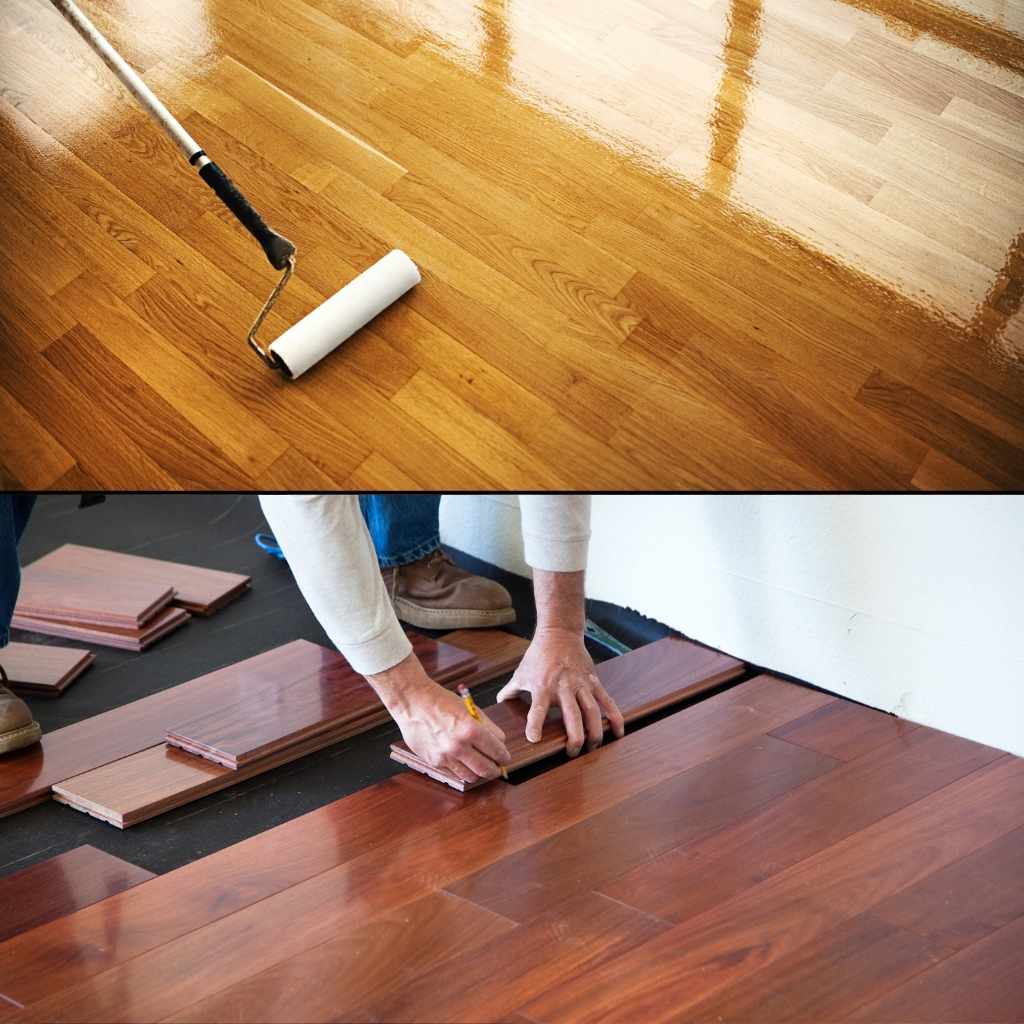
Prefinished hardwood is milled, sanded, stained, and coated with a protective topcoat entirely at the factory, usually on an automated line, before it ever reaches your house. Most factory finishes use an aluminum-oxide-infused urethane or acrylic that’s cured under UV light in seconds — a process a site crew simply can’t replicate with a brush or sprayer, since UV-curing ovens only exist in a factory setting. That’s the real source of prefinished flooring’s reputation for toughness: aluminum oxide is a mineral abrasive, harder than the resins alone, so it resists scuffs and scratches better than most site-applied polyurethanes. Because every board is complete before it’s installed, you can walk on a prefinished floor the same day it goes down — there’s no drying or curing time to wait out, and no finish fumes filling the house.
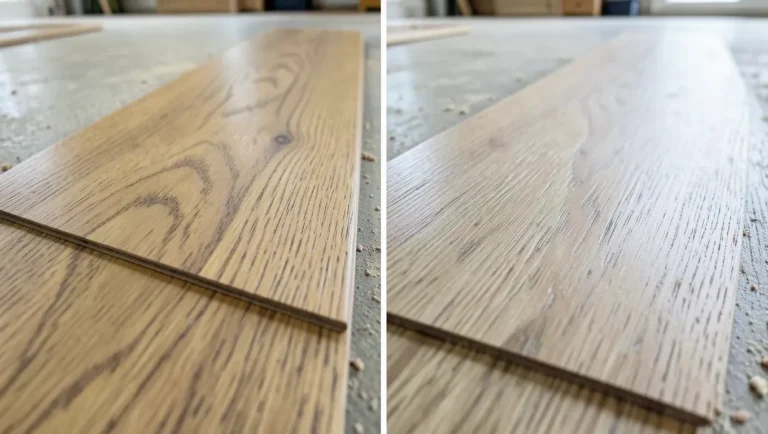
The tradeoff shows up at the edges. Because each plank is finished as a separate, individual piece, manufacturers mill a small bevel (or a micro-bevel, on higher-end lines) into the top edge of every board. That bevel isn’t a style choice — it exists to hide the tiny height differences between boards that come from subfloor irregularities and manufacturing tolerance, which would otherwise show up as visible ridges once the finish is already cured and can’t be sanded flat after the fact. The result is a floor with a faint, regular seam at every joint. It’s barely noticeable from standing height, but it’s real, and it’s also where dust and debris collect over time, so prefinished floors generally need more frequent vacuuming in the grooves than a seamless surface does.
Works for Both Finish Types
 |
Bona Ultimate Hardwood Floor Care Kit – $59.87 A pH-neutral cleaner and mop system safe for both factory-sealed prefinished floors and site-applied polyurethane or oil finishes — won’t dull either topcoat.
|
What Site-Finished Hardwood Flooring Actually Is
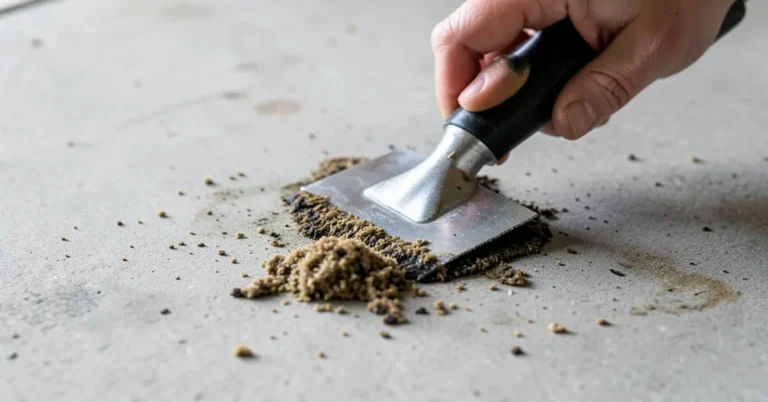
Site-finished floors start as raw, unfinished boards — sometimes called “unfinished hardwood” at the lumber yard. A crew nails or glues them down first, then sands the entire installed floor as one continuous surface, working through progressively finer grits until it’s level and smooth. Only after sanding does the stain color and topcoat go on, brushed or rolled across the whole room in multiple coats with drying time between each one.
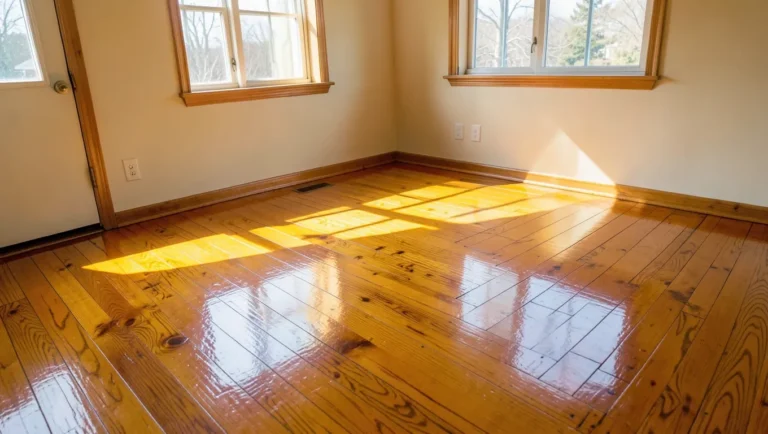
This is the mechanism behind the “seamless” look people associate with site-finished floors: sanding happens after installation, so the machine physically levels every board into one continuous plane, erasing the small height variations between planks instead of hiding them under a bevel. There’s no factory edge to disguise, because there’s no factory edge at all — the finish flows directly across each seam. The cost of that seamless surface is time and disruption. Sanding generates fine dust that settles well beyond the room being worked on even with a dust-containment sander, and oil-based finishes in particular release strong VOC fumes that usually mean staying off the floor, and sometimes out of the house, for one to three days per coat.
The Real Difference: Seams, Finish Hardness, and How Many Times You Can Refinish
Most comparisons stop at “prefinished is faster, site-finished is prettier,” which skips the two mechanisms that actually matter long-term.
Seam visibility comes down to when the boards were leveled relative to when they were finished. Prefinished boards are leveled and finished individually, at the factory, before installation — so a bevel has to hide the inevitable small mismatches. Site-finished boards are leveled together, after installation, by the sanding drum — so there’s nothing left to hide. Neither is a flaw; it’s a direct consequence of the order of operations.
Refinishing life comes down to how much solid wood sits above the tongue-and-groove joint. A standard solid hardwood board is commonly 3/4 inch thick, which typically leaves somewhere around 1/8 to 3/16 inch of usable wood above the tongue that a drum sander can remove. Every full refinish takes off a thin layer of that wear layer, so a solid site-finished floor is often good for something in the range of four to six full sand-and-refinish cycles over its lifetime, assuming careful sanding each time. Prefinished floors are typically built on the same solid-wood core and can, in principle, be sanded down too — but doing so removes the bevel and the aluminum-oxide layer along with it, which is the one thing that made the floor prefinished in the first place. At that point you’ve effectively converted it into a site-finished floor, bevel and all being sanded away, for the rest of its life. Engineered prefinished flooring is the exception worth knowing about: its wear layer is a thin veneer over plywood, so it typically tolerates only one or two light refinishes, if that, before you’re through the hardwood into the substrate — check the product spec sheet for wear-layer thickness before assuming otherwise.
Put together, the practical pattern is this: prefinished wins on install speed, day-one durability, and lower dust/fumes; site-finished wins on seamless appearance and long-run refinishing flexibility. Neither one is simply “better” — they’re optimized for different priorities.
| Factor | Prefinished | Site-Finished |
|---|---|---|
| Ready to walk on | Same day | 1 to 3 days per coat |
| Day-one finish hardness | Aluminum-oxide urethane (harder) | Site-applied polyurethane (softer) |
| Board seams | Visible micro-bevel at every edge | Sanded flat, no visible seam |
| Solid-wood refinish cycles | Same 4 to 6 cycles, but the first sanding removes the bevel and aluminum-oxide layer | 4 to 6 cycles, usable from day one |
| Best for | Fast move-in, kids or pets, low dust and fumes | Custom stain color, seamless look, long-term refinish flexibility |
Which One Fits Your Project
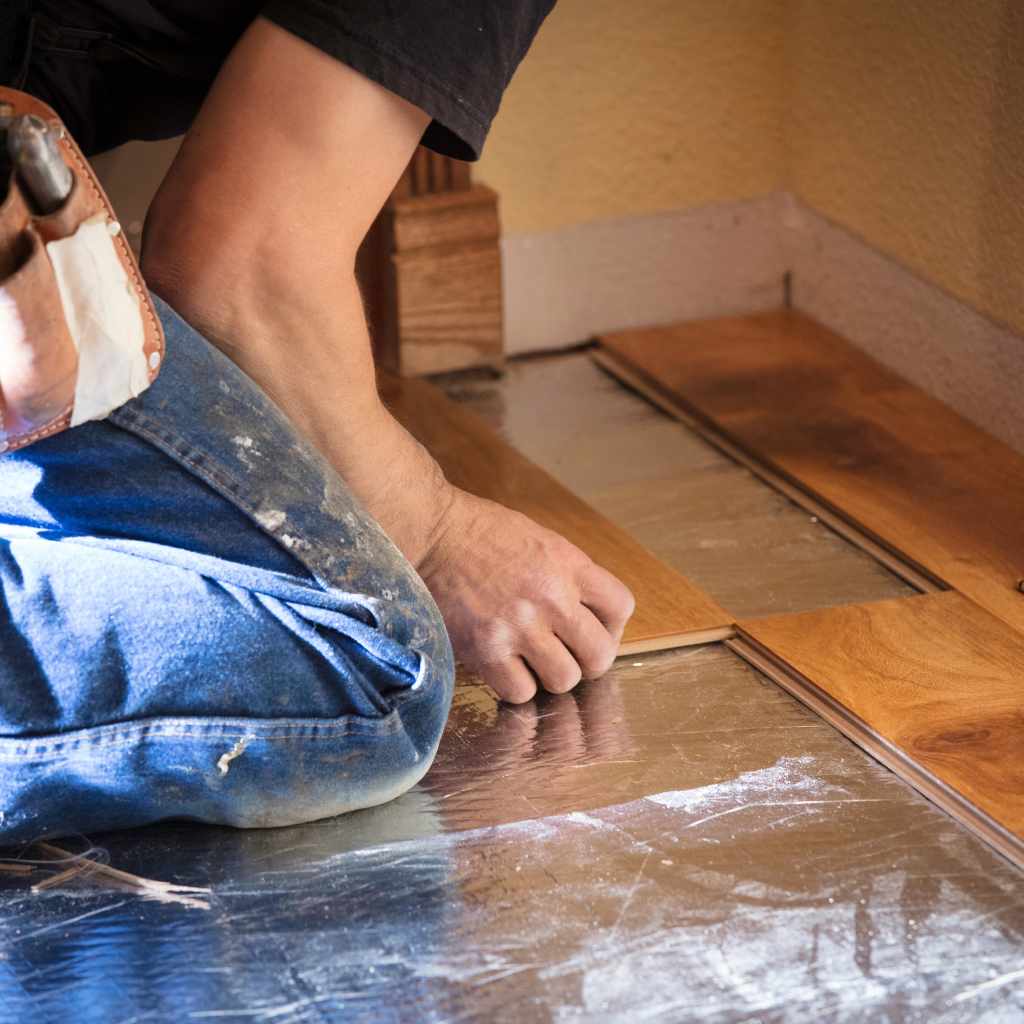
Choose prefinished if: you’re on a tight move-in or renovation timeline, you have kids or pets and want the toughest factory finish available on day one, or you want to avoid dust and fumes in an occupied home. Installation crews can often finish in a day or two, and you can walk on the floor immediately.
Choose site-finished if: you want a specific custom stain that isn’t sold pre-mixed, you want a completely seamless surface with no bevels to clean out, or you plan to stay in the home long enough that getting several future refinishes out of the floor matters more than saving a few days now. Budget for the crew to be out of the house, or at least off that floor, for several days while sanding, staining, and finishing happen in sequence.
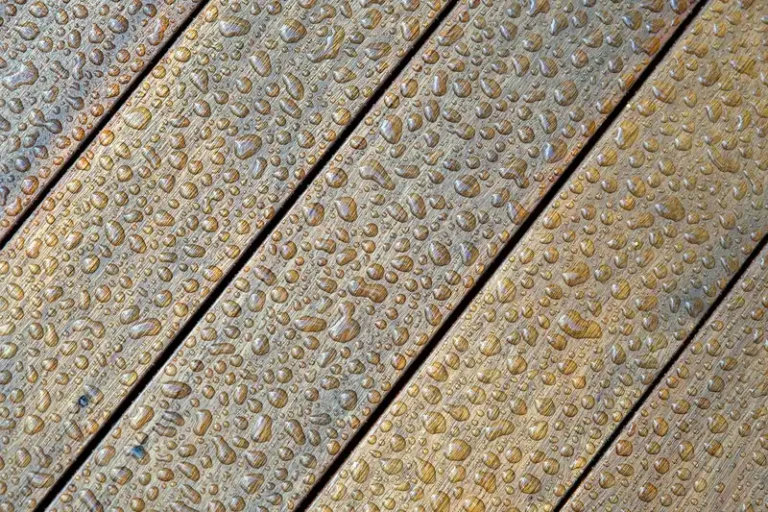
One more practical note: for a room prone to moisture — a basement, a bathroom, a slab-on-grade addition — the finish-timing question matters less than the wood-type question. Neither solid prefinished nor solid site-finished hardwood is a great fit for high-moisture rooms; that’s a job for engineered wood or a moisture-tolerant alternative, regardless of which way you lean on finish location.
Frequently Asked Questions
Is prefinished or site-finished hardwood more expensive?
Prefinished is usually cheaper overall because installation labor is faster and there’s no separate sanding/staining crew to pay for. Site-finished floors typically cost more in labor, even though the raw unfinished wood itself can sometimes be less expensive per square foot than prefinished material.
Which type of hardwood floor is more durable?
Day one, prefinished usually has the harder finish, since factory aluminum-oxide coatings resist scratches better than most site-applied polyurethanes. Over a 20-30 year horizon, though, a site-finished floor can often be refinished more times before it runs out of usable wear layer, which is its own form of durability.
Can you get a completely smooth finish with prefinished floors?
No. Prefinished boards have a small bevel at each edge by design, to hide minor height differences between individually factory-finished planks. Only site-finished floors, sanded flat after installation, are seamless.
Which is better for a quick renovation?
Prefinished, by a wide margin. There’s no on-site drying or curing time, so the floor can typically be walked on the same day it’s installed. Site-finished floors need days of sanding, staining, and multi-coat drying before they’re ready for foot traffic.
Can you change the color of prefinished floors later?
Only by sanding off the factory bevel and finish, which effectively turns the floor into a site-finished one from that point forward. Site-finished floors can be re-stained to a new color at any future refinish without that tradeoff, since they were never dependent on a factory edge treatment.
Which type of flooring is better for basements?
Neither solid prefinished nor solid site-finished hardwood is ideal below grade, since solid wood expands and contracts with the moisture typical in basements. Prefinished’s factory seal offers slightly better protection against surface moisture before installation, but for a basement, engineered hardwood or another moisture-tolerant flooring is typically the safer call either way.
Final Thoughts
The prefinished-versus-site-finished decision really comes down to a simple trade: pay in time and dust now for a seamless floor with more refinishing life later, or get a tough, ready-to-walk-on floor immediately and accept a faint seam at every board. Both are legitimate solid-wood floors that will last decades with normal care — the right one just depends on whether your priority is this week’s timeline or the floor’s look and flexibility ten refinishes from now. If you’re still unsure, ask your installer to show you a sample board of each finished the way yours would be; seeing the bevel (or lack of one) in person settles the seam question faster than any photo can.
Sponsored / affiliate links. As an Amazon Associate I earn from qualifying purchases. I may earn additional commission from eligible campaigns.