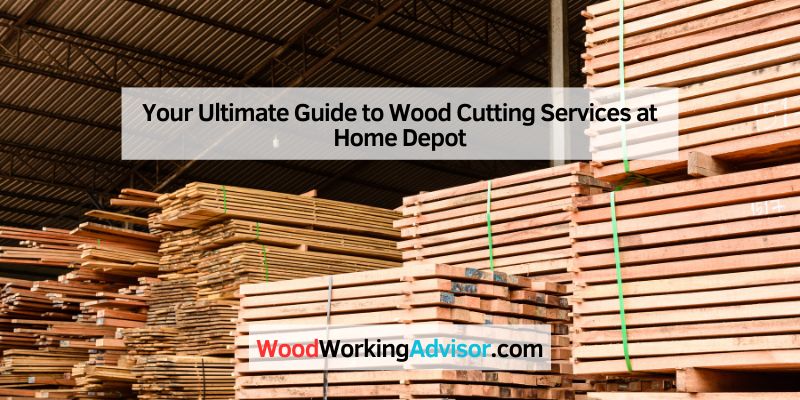
Your Ultimate Guide to Wood Cutting Services at Home Depot
Hey there! If you’re diving into a woodworking project or just need some lumber trimmed to size, you’ve probably wondered about Home Depot’s wood cutting service. I’ve been there myself, standing in the lumber aisle with a cart full of boards, hoping to avoid hauling a massive sheet of plywood home. Let me tell you, Home Depot’s wood cutting service is a game-changer for DIYers, hobbyists, and even pros who need quick, convenient cuts. In this guide, I’m sharing everything I’ve learned from my own trips to Home Depot, conversations with store associates, and years of woodworking. I’ll walk you through what the service offers, how it works, and tips to make your experience smooth. Let’s get started!
What Is Home Depot’s Wood Cutting Service?
When I first started woodworking, I didn’t own a table saw or have the space to cut large sheets of plywood. That’s when I discovered Home Depot’s wood cutting service. It’s a free service offered at most Home Depot stores where they cut lumber or sheet goods you buy from them. The goal? To help you get your wood to a manageable size, usually so it fits in your car or suits your project.
The service is available in the lumber department, where you’ll find a cutting station with a panel saw or radial arm saw. A store associate handles the cuts, so you don’t have to worry about operating heavy machinery. It’s designed for convenience, but there are some limitations, which I’ll cover later. For now, know that it’s a lifesaver for anyone who needs quick, straight cuts without investing in expensive tools.
What Types of Wood Can Home Depot Cut?
I’ve taken all sorts of wood to Home Depot’s cutting station, and they can handle most of what they sell. This includes:
- Plywood: Sheets like birch, oak, or pine plywood are commonly cut.
- Lumber Boards: Think 2x4s, 1x6s, or other dimensional lumber.
- MDF and Particleboard: These are popular for furniture projects.
- Hardwoods: Oak, maple, or poplar boards, depending on the store’s stock.
- Pressure-Treated Wood: Great for outdoor projects like decks.
However, not all materials are fair game. I learned the hard way that some stores won’t cut specialty items like live-edge slabs or reclaimed wood due to safety concerns or equipment limitations. Always check with your local store if you’re bringing something unique.
How Does the Wood Cutting Process Work?
Let me walk you through my typical experience at Home Depot’s cutting station. It’s pretty straightforward, but knowing the steps saves time.
First, you pick out your wood from the lumber aisle. I always double-check the boards for warping or damage before heading to the cutting area. Once you’re ready, find the cutting station—usually in the back of the lumber department. There’s often a sign or a saw setup with an associate nearby.
You’ll need to tell the associate exactly what cuts you want. I like to bring a sketch or a list with measurements to avoid confusion. They’ll mark the wood, set it on the saw, and make the cuts. Most stores offer one or two free cuts per board, but additional cuts might cost a small fee, like 50 cents each. Be patient—sometimes there’s a line, especially on weekends.
Once the cuts are done, you’ll load the pieces into your cart and head to checkout if you haven’t paid yet. It’s that simple! Just remember, the associate does the cutting, so you can’t use the saw yourself for safety reasons.

What Are the Limitations of Home Depot’s Wood Cutting Service?
I’ll be honest—Home Depot’s wood cutting service isn’t perfect. There are some restrictions you need to know before you go.
- Straight Cuts Only: They can’t do angled, mitered, or beveled cuts. If you need a 45-degree cut for a picture frame, you’re out of luck.
- Minimum Cut Size: Most stores won’t cut pieces smaller than 12 inches for safety reasons.
- No Precision Cuts: The cuts are rough, not finish-quality. If you need exact measurements for a furniture project, you’ll likely need to do final trimming at home.
- Store Policies Vary: Some locations limit the number of free cuts or charge for every cut after the first. It depends on the store.
- Busy Times Mean Waits: I’ve waited 20 minutes on a busy Saturday because only one associate was available.
Understanding these limitations helps set expectations. I’ve found it’s best to use Home Depot for rough cuts and handle fine-tuning at home with my own tools.
How Much Does It Cost?
One of the best parts about Home Depot’s wood cutting service is the price—usually free for the first couple of cuts! I’ve had entire sheets of plywood cut into smaller pieces without paying a dime extra. However, some ascended cuts might cost 25 to 50 cents each, depending on the store.
Here’s a quick breakdown of potential costs:
| Service | Cost |
|---|---|
| First 1-2 cuts per board | Free |
| Additional cuts | $0.25–$0.50 each (varies) |
| Specialty materials | May not be cut (check store) |
Always ask the associate about the cost upfront to avoid surprises. In my experience, they’re upfront about any fees.
Tips for Getting the Most Out of Home Depot’s Wood Cutting Service
Over the years, I’ve picked up a few tricks to make the most of this service. Here’s what works for me:
- Plan Your Cuts: Bring a clear list or diagram of your measurements. I once messed up a project because I gave vague instructions, and the cuts were off.
- Visit During Off-Peak Hours: Early mornings or weekday evenings are quieter, so you’ll likely wait less. I avoid weekends if I can.
- Check the Wood First: Inspect your lumber for knots or cracks that could affect the cut quality.
- Bring a Tape Measure: Double-check the associate’s markings before they cut. Mistakes happen, and it’s easier to catch them early.
- Be Polite: The associates are often busy, so a friendly attitude goes a long way. I’ve had associates go above and beyond when I’m patient and clear.
These tips have saved me time and frustration, especially on big projects.
When Should You Use Home Depot’s Wood Cutting Service?
I turn to Home Depot’s wood cutting service when I need to break down large sheets or boards into manageable sizes. It’s perfect for:
- Transporting Lumber: Cutting a 4×8 plywood sheet into smaller pieces makes it easier to fit in my car.
- Rough Cuts for Projects: I use it for projects where exact measurements aren’t critical, like building shelves.
- Beginner Woodworkers: If you don’t own a saw yet, this service lets you start projects without investing in tools.
However, if you need precise or angled cuts, you’re better off investing in a saw or finding a local woodshop. I once tried to get creative with Home Depot’s cuts for a angled project, and it just didn’t work out.
Alternatives to Home Depot’s Wood Cutting Service
Sometimes, Home Depot’s service doesn’t meet your needs. Here are a few alternatives I’ve explored:
- Lowe’s: They offer a similar wood cutting service with comparable policies. I’ve used Lowe’s when Home Depot was too busy, and the experience was similar.
- Local Lumberyards: Some independent lumberyards offer cutting services, often with more precision. I found a local yard that cut hardwood to exact specs for a table I built.
- Your Own Tools: Investing in a circular saw or jigsaw gives you more control. I bought a budget-friendly circular saw for $50, and it paid for itself quickly.
- Woodworking Shops: For complex projects, professional woodshops can handle custom cuts, but they’re pricier.
Each option has its pros and cons, but Home Depot is hard to beat for quick, free cuts on basic projects.
Common Mistakes to Avoid
I’ve made my share of mistakes at Home Depot’s cutting station, so let me save you some trouble:
- Not Measuring Twice: Always double-check your measurements before handing over the wood. I once ended up with a piece too short because I miscalculated.
- Expecting Perfect Cuts: The saws are designed for rough cuts, so don’t expect furniture-grade precision.
- Overloading the Associate: Asking for dozens of cuts on a busy day might lead to delays or rushed work. Break up big orders if possible.
- Ignoring Store Policies: Some stores have stricter rules, like no cuts on certain materials. Check with the associate first.
Learning from these mistakes has made my trips to Home Depot much smoother.
Why I Love Home Depot’s Wood Cutting Service
As someone who’s tackled countless woodworking projects, I can’t overstate how handy this service is. It’s saved me hours of work and kept my small workshop clutter-free. Whether I’m building a quick bookshelf or prepping materials for a bigger project, Home Depot’s cutting station makes the process easier. Plus, it’s budget-friendly, which is a huge win for hobbyists like me.
The service isn’t flawless, but it’s not meant to be. It’s about convenience and accessibility, especially for those of us who don’t have a full woodshop at home. With a little planning, you can make it work for a wide range of projects.
Conclusion
Home Depot’s wood cutting service is a fantastic resource for anyone looking to simplify their woodworking projects. From breaking down bulky plywood to trimming lumber for easy transport, it’s a practical solution that’s usually free and widely available. I’ve relied on it for years, and with the right approach—clear measurements, strategic timing, and realistic expectations—you can too.
Whether you’re a beginner tackling your first project or a seasoned woodworker needing a quick cut, Home Depot has you covered. Just remember the limitations, plan ahead, and don’t be afraid to ask questions. Next time you’re at Home Depot, swing by the lumber department and give it a try. You’ll be amazed at how much easier your project becomes!
Frequently Asked Questions
Can Home Depot cut wood into any shape I want?
No, they only do straight cuts. You can’t get angled, mitered, or specialty cuts like curves. For those, you’ll need your own tools or a professional woodshop.
Is the wood cutting service really free?
Yes, most stores offer one or two free cuts per board. Additional cuts might cost 25 to 50 cents each, but it varies by location.
Can I bring my own wood to Home Depot to cut?
Generally, no. They only cut wood purchased from their store. This is a safety and liability rule, so don’t expect to bring in outside lumber.
How accurate are Home Depot’s cuts?
The cuts are rough, not precision-grade. They’re great for breaking down large pieces but might need fine-tuning for exact measurements.
Can Home Depot cut small pieces of wood?
Most stores have a 12-inch minimum cut size for safety reasons. If you need smaller pieces, you’ll have to cut them yourself at home.
What should I do if the cutting station is busy?
Be patient or try visiting during off-peak hours, like early mornings or weekday evenings. Bringing a clear list of cuts can also speed things up.
Can I use Home Depot’s wood cutting service for large projects?
Yes, but keep in mind their limitations. For big projects, you might need to supplement with your own tools or a professional woodshop for precision work.