Wood Floor Nailers: Essential Tools for Perfect Flooring
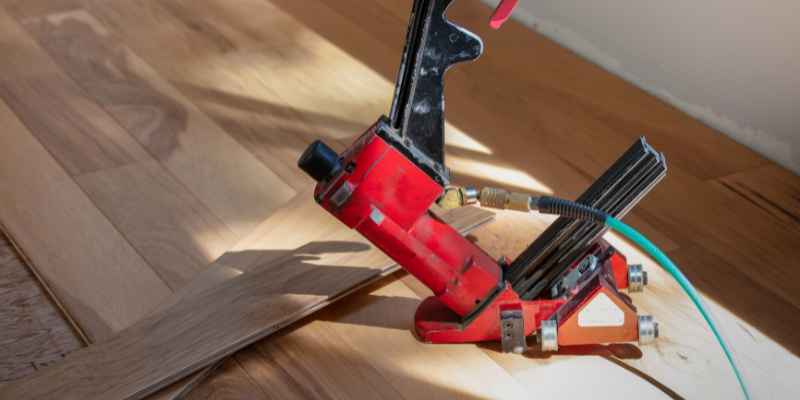
Wood floor nailers are specialized tools designed for installing hardwood flooring. They drive nails or staples into the wood, ensuring a secure fit.
Choosing the right wood floor nailer can make a significant difference in your flooring project. These tools come in various types, including manual, pneumatic, and electric models, each offering unique benefits. A quality nailer improves efficiency, reduces installation time, and ensures a professional finish.
Understanding the features and specifications helps you select the best option for your needs. Whether you’re a DIY enthusiast or a professional contractor, knowing how to use a wood floor nailer effectively is essential for achieving long-lasting results. Investing in the right tool will enhance your flooring experience and ensure durability in your wood floors.
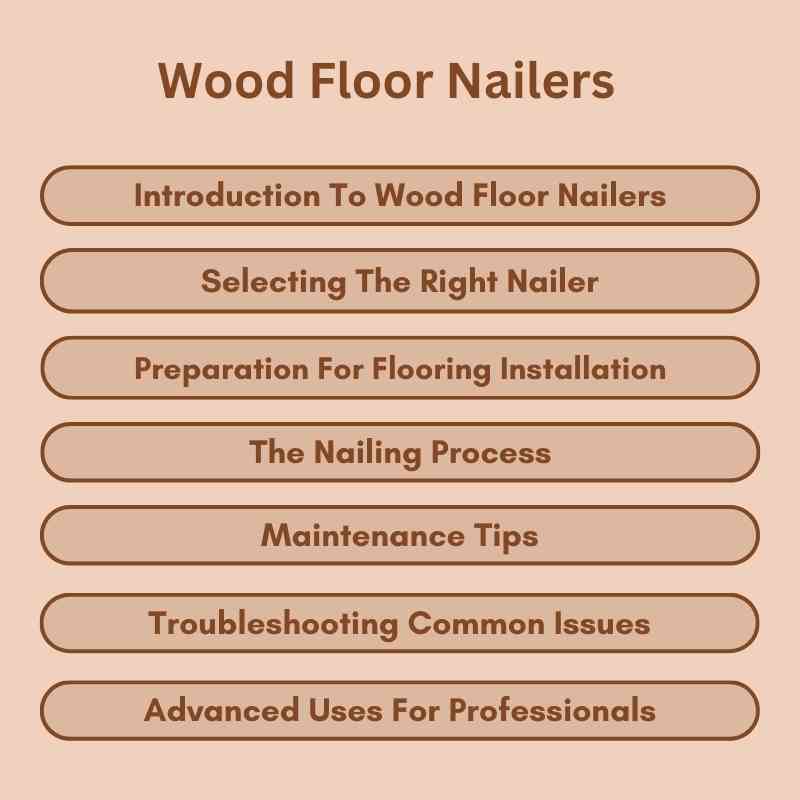
Introduction To Wood Floor Nailers
Wood floor nailers are essential tools for installing hardwood floors. They help secure planks tightly, ensuring a durable finish. Choosing the right nailer makes installation faster and easier. This guide covers important features and types of wood floor nailers.
Essential Qualities
When selecting a wood floor nailer, consider these essential qualities:
- Durability: Look for strong materials that withstand regular use.
- Weight: A lighter model reduces fatigue during long jobs.
- Drive Mechanism: Choose between manual or pneumatic options.
- Nail Size Compatibility: Ensure it accommodates various nail sizes.
- Ease of Use: Features like adjustable depth settings improve usability.
Types Of Nailers
Wood floor nailers come in several types, each with unique features:
| Type | Description | Best For |
|---|---|---|
| Pneumatic Nailers | Powered by compressed air. | Professional installations. |
| Manual Nailers | Operated by hand using a hammer. | DIY projects. |
| Electric Nailers | Battery-operated or corded. | Quick installations. |
Each type offers unique advantages. Choose one based on your project needs and skill level. Proper selection enhances performance and efficiency during installation.
Selecting The Right Nailer
Choosing the right nailer is vital for your wood flooring project. The right tool ensures precision and efficiency. Understanding the types of nailers helps make an informed decision.
Manual Vs Pneumatic Nailers
There are two main types of nailers: manual and pneumatic.
- Manual Nailers:
- Operated by hand.
- Lightweight and portable.
- Lower cost.
- Ideal for small projects.
- Pneumatic Nailers:
- Powered by air compressors.
- Faster and more efficient.
- Higher initial investment.
- Best for large projects.
Evaluating Specifications
Specifications determine the nailer’s performance. Consider the following key factors:
| Specification | Manual Nailers | Pneumatic Nailers |
|---|---|---|
| Weight | Light | Moderate |
| Speed | Slow | Fast |
| Power Source | Human | Air Compressor |
| Cost | Low | High |
Always check the nail size and gauge compatibility. The correct size ensures a secure fit. Look for features like adjustable depth settings. This allows for better control during installation.
Preparation For Flooring Installation
Preparing for flooring installation is crucial. Proper preparation ensures a smooth and successful project. Follow these steps to get started.
Subfloor Requirements
The subfloor is the foundation of your flooring. It must be clean, dry, and level. Here are key subfloor requirements:
- Clean: Remove all debris and dust.
- Dry: Ensure moisture levels are low.
- Level: Use a level to check for flatness.
Common subfloor types include:
| Subfloor Type | Details |
|---|---|
| Plywood | Strong and stable option. |
| OSB | Cost-effective alternative to plywood. |
| Concrete | Must be properly cured and dry. |
Tool Assembly
Assembling your wood floor nailer is vital for performance. Follow these steps for proper assembly:
- Read the manual: Understand all parts and functions.
- Check parts: Ensure you have everything needed.
- Attach the air hose: Ensure a secure connection.
- Adjust the depth: Set the nail depth according to your flooring.
Testing the nailer before use is important. Load some nails and practice. This ensures you know how it works.
The Nailing Process
The nailing process is crucial for installing wood floors. Proper techniques ensure a sturdy and lasting finish. Understanding each step makes the task easier and more efficient.
Starting Your Project
Begin by gathering essential tools and materials:
- Wood floor nailer
- Wood flooring planks
- Nails or staples
- Measuring tape
- Chalk line
- Safety gear
Prepare the subfloor. It should be clean, dry, and level. Use a moisture meter to check humidity levels. Lay out your flooring planks in the desired pattern. This helps you visualize the final look.
Nailing Techniques
Use these effective nailing techniques for best results:
- Angle the nailer: Position the nailer at a 45-degree angle.
- Start from a corner: Begin nailing in one corner of the room.
- Leave space: Maintain a gap for expansion along walls.
- Check alignment: Ensure each plank is straight and snug.
- Secure each plank: Nail down the tongue side of the plank first.
Follow these tips to avoid common mistakes:
- Do not rush the nailing process.
- Avoid over-driving the nails.
- Check for any loose boards.
Using the right techniques results in a professional finish. A well-nailed wood floor enhances the beauty of your space.
Safety Considerations
Using a wood floor nailer requires careful attention to safety. Proper precautions protect you from injuries and ensure a smooth workflow. Follow these guidelines to stay safe while using your nailer.
Protective Gear
Wearing the right protective gear is essential. Here are some items to consider:
- Safety Goggles: Protect your eyes from flying debris.
- Ear Protection: Reduce noise exposure from the nailer.
- Dust Mask: Prevent inhalation of wood dust.
- Steel-Toed Boots: Protect your feet from heavy tools.
- Gloves: Improve grip and protect your hands.
Operational Safety
Proper operation of your wood floor nailer is crucial for safety. Follow these steps:
- Read the manual before use.
- Inspect the nailer for damage.
- Ensure the work area is clear of obstacles.
- Check for proper nail loading.
- Keep fingers clear of the firing area.
- Never point the nailer at yourself or others.
Always disconnect the power source when not in use. Maintain a firm grip and control while nailing. Stay focused and avoid distractions during operation.
| Safety Gear | Purpose |
|---|---|
| Safety Goggles | Protects eyes from debris |
| Ear Protection | Reduces noise exposure |
| Dust Mask | Prevents inhalation of dust |
| Steel-Toed Boots | Protects feet from heavy tools |
| Gloves | Improves grip and hand protection |
Maintenance Tips
Proper maintenance of your wood floor nailer keeps it in excellent condition. Regular care ensures it works efficiently and lasts longer. Follow these tips to maintain your nailer effectively.
Cleaning Your Nailer
Cleaning your nailer is essential for optimal performance. Dirt and debris can affect its function. Follow these steps for effective cleaning:
- Unplug the nailer before cleaning.
- Use a soft brush to remove dust.
- Wipe down surfaces with a damp cloth.
- Inspect and clean the air inlet filter.
For stubborn stains, use a mild detergent. Avoid harsh chemicals. Regular cleaning prevents buildup and ensures smooth operation.
Regular Servicing
Regular servicing keeps your nailer functioning well. Schedule maintenance every six months. This includes:
- Checking the oil level.
- Inspecting hoses for cracks.
- Testing all moving parts.
- Replacing worn-out seals.
Consider these key maintenance tasks:
| Task | Frequency |
|---|---|
| Clean the nailer | After each use |
| Check oil level | Every month |
| Inspect hoses | Every three months |
| Full service | Every six months |
Regular maintenance prevents costly repairs. It keeps your nailer ready for any project.
Troubleshooting Common Issues
Wood floor nailers can face issues during use. Knowing how to troubleshoot can save time and frustration. This section discusses common problems and their solutions.
Jams And Misfires
Jams and misfires can disrupt your workflow. Here are common causes and solutions:
| Issue | Cause | Solution |
|---|---|---|
| Jam | Improper nail loading | Check nail alignment and reload properly. |
| Misfire | Low air pressure | Adjust compressor to recommended PSI. |
| Jam | Dirty nailer | Clean the nailer regularly to prevent buildup. |
| Misfire | Faulty trigger | Inspect and replace trigger if damaged. |
Always keep your nailer clean. Regular maintenance reduces jams. Ensure you use the right nails for your nailer.
Wear And Tear
Wear and tear can affect performance. Recognizing signs early helps maintain efficiency.
- Inspect O-rings: Replace if cracked or worn.
- Check trigger mechanism: Ensure it moves freely.
- Examine air hoses: Look for leaks or damage.
- Lubricate parts: Use oil designed for nailers.
Regular inspections help identify wear before it becomes a problem. Keep your nailer in top shape for better results.
Advanced Uses For Professionals
Wood floor nailers are vital tools for professionals. They offer advanced features for custom projects. Here are some key uses that boost efficiency and creativity.
Custom Flooring Designs
Professionals use wood floor nailers to create unique flooring designs. These tools allow for precision and speed.
- Patterns: Nailers help form intricate patterns like herringbone or chevron.
- Inlays: Incorporate different wood types for stunning inlays.
- Shapes: Cut and nail wood into custom shapes for artistic effects.
Custom designs enhance the aesthetic of any space. Professionals can fulfill client visions with ease.
Speed And Efficiency
Time is crucial in any project. Wood floor nailers improve speed and efficiency significantly.
| Task | Manual Method (Hours) | Nailer Method (Hours) |
|---|---|---|
| Nailing boards | 10 | 4 |
| Finishing touches | 5 | 2 |
| Total Time | 15 | 6 |
Using a nailer reduces project time by 60%. Professionals can take on more projects. This leads to increased profits.
Investing in a quality wood floor nailer pays off quickly. It enhances productivity and precision.
Frequently Asked Questions
What Are Wood Floor Nailers?
Wood floor nailers are specialized tools designed to fasten hardwood flooring securely to the subfloor. They use nails or staples to ensure a strong bond. These tools can significantly speed up the installation process, making it more efficient and easier for DIY enthusiasts and professionals alike.
How Do I Choose A Wood Floor Nailer?
When choosing a wood floor nailer, consider factors like type, weight, and ease of use. Pneumatic nailers are popular for their power, while manual options are portable. Look for adjustable depth settings for precision and ensure compatibility with your flooring type for optimal results.
Can I Use A Regular Nail Gun For Flooring?
Using a regular nail gun for flooring is not recommended. Standard nail guns may not provide the necessary angle or depth required for hardwood installations. Specialized wood floor nailers are designed specifically for this purpose, ensuring proper fastening and minimizing the risk of damage.
What Is The Difference Between Manual And Pneumatic Nailers?
Manual nailers rely on physical force for operation, making them portable and easy to use. Pneumatic nailers, powered by compressed air, offer speed and efficiency but require an air compressor. Choosing between them depends on your project size and preference for mobility versus power.
Conclusion
Choosing the right wood floor nailer can transform your flooring project. Consider your specific needs and the type of flooring you have. A quality nailer will ensure durability and a professional finish. Invest time in research. The right tool makes all the difference in achieving stunning wood floors.
Happy flooring!