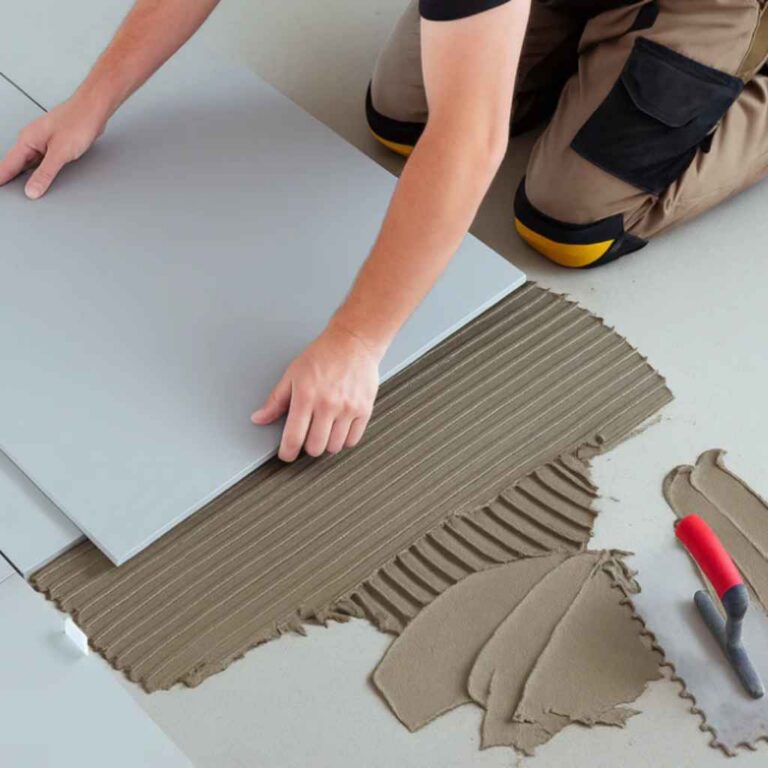
Wall Colors for Dark Wood Floors (Matched to Your Undertone)
Light neutrals — white, greige, or soft gray — pair with almost any dark wood floor, but the exact shade should match your floor’s undertone or the contrast reads flat. Picking a wall color with the wrong undertone (cool gray next to warm cherry, for example) is the single most common mistake homeowners make. This guide breaks down how to read your floor’s undertone, then gives real Sherwin-Williams and Benjamin Moore picks for warm, cool, and neutral dark wood floors.
Quick Answer
For most dark wood floors, a warm greige like Sherwin-Williams Accessible Beige or a balanced neutral like Repose Gray works safely. If your floor leans warm (cherry, mahogany), stick with warm neutrals; if it leans cool (espresso, gray-brown), use a cooler gray like Agreeable Gray or Edgecomb Gray so the undertones don’t clash.
How to Tell If Your Dark Wood Floor Has a Warm or Cool Undertone
Before picking any wall color, hold a piece of white paper next to your floor in daylight. If the wood pulls toward red, orange, or amber, it has a warm undertone (common in cherry, mahogany, and red oak). If it pulls toward gray, black, or ash, it has a cool undertone (common in espresso, ebony, and gray-washed finishes). Floors that show almost no color shift either way are neutral — the most forgiving to work with.
This guide focuses on darker wood tones. If your floors are a lighter natural or golden oak rather than a dark stain, see our dedicated breakdown of wall colors for oak floors for picks suited to that warmer, lighter base.
This matters because a wall color with the opposite undertone will visually fight the floor instead of complementing it — a cool blue-gray next to warm cherry can make both look muddy, even though each color looks fine on its own. If you’re unsure whether your floor’s current finish is even the color you want to keep, it’s worth knowing that engineered floors can sometimes be restained to shift the undertone entirely rather than working around it with paint alone. The same undertone test works when picking cabinet colors, not just wall paint — see what color cabinets go with dark wood floors for undertone-matched picks.
Best Paint Colors for Dark Wood Floors, by Undertone
These are real, named paint colors from Sherwin-Williams and Benjamin Moore — not generic color families — organized by which floor undertone each one is built to complement.
| Floor Undertone | Recommended Paint | Why It Works |
|---|---|---|
| Warm (cherry, mahogany, red oak) | Sherwin-Williams Accessible Beige (SW 7036) | Warm beige leans into red/orange undertones instead of clashing with them |
| Warm | Benjamin Moore Revere Pewter | Warm greige bridges the wood tone and a neutral wall without going stark |
| Cool (espresso, ebony, gray-washed) | Sherwin-Williams Agreeable Gray | Neutral-leaning cool gray reads clean against gray-toned dark wood |
| Cool | Benjamin Moore Edgecomb Gray | Soft cool-neutral that keeps the room from feeling cold |
| Neutral / balanced | Sherwin-Williams Repose Gray | The most commonly recommended greige across designers — splits the difference |
| Neutral / balanced | Benjamin Moore White Dove | Warm-leaning off-white avoids the starkness of a pure white |
Understanding the Impact of Wall Color on Dark Wood Floors
Wall color has an outsized effect on how dark wood floors read in a room — walls take up far more visual field than a floor ever does, so the wall color, not the floor, usually sets the room’s overall tone.
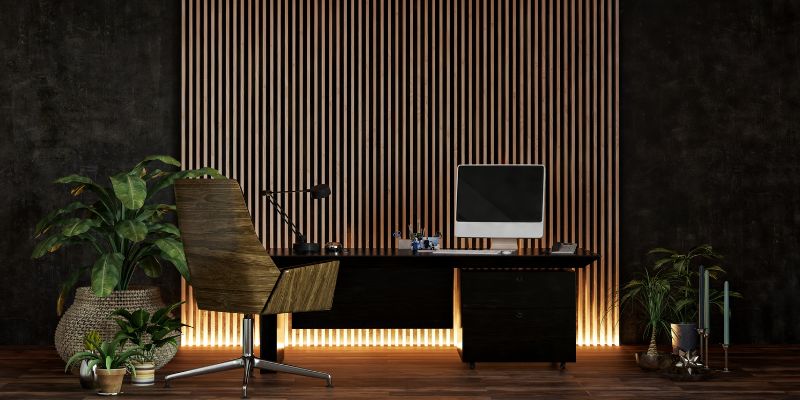
How Wall Color Can Enhance the Beauty of Dark Wood Floors
The right wall color brings out the natural beauty of dark wood floors. A few reliable directions:
- Warm neutrals: beige, ivory, and light taupe create a soft backdrop that complements the richness of warm-toned wood.
- Earth tones: mocha or terracotta create a cohesive, cozy look with warm dark floors.
- Muted blues and greens: soft sage or slate blue add a refreshing tone without overpowering the wood.
How Wall Color Can Create Contrast With Dark Wood Floors
For a bolder look, contrast works better than matching:
- Light and airy hues: white or light gray create a striking, modern contrast against dark floors.
- Jewel tones: royal blue, emerald green, or deep burgundy add a luxurious, dramatic feel.
- Bold patterns: geometric prints or stripes create visual interest without needing a bold solid color.
Whichever direction you pick, test it in your room’s actual lighting first — natural light shifts how a color reads far more than most people expect, and a shade that looks perfect on a paint chip can read completely differently by lamp light in the evening.
Two Details Most Guides Skip: Trim Color and Rugs
Trim color: don’t automatically match your trim to your walls. A crisp white trim (even in a room with colored walls) creates a clean edge that separates the wall color from the dark floor, and makes both look more intentional. Matching trim to a colored wall can make the room feel flat. If you’d rather skip paint tinting altogether, some homeowners get a similar layered look by painting the floor itself instead of the walls — worth considering if the floor, not the wall, is what you actually want to change.
Area rugs: a large dark wood floor can visually “expand” a room in a way that makes the space feel ungrounded. A rug in a mid-tone neutral breaks up the expanse of dark flooring and gives furniture groupings a defined edge — especially useful in large, open-concept living rooms where the dark flooring runs uninterrupted across the space.
Best Area Rug Pick for Dark Wood Floors
UERMEI 9×12 Washable Area Rug, Neutral Modern Abstract (Brown/Grey)
A large neutral rug is the easiest way to put the “break up the dark floor” tip above into practice without repainting anything.
- Best for: Large open-concept living rooms with wall-to-wall dark flooring
- Why we picked it: 9×12 is big enough to anchor a full seating group; washable cover handles high-traffic wear
- Main drawback: Too large for smaller rooms — measure your space before buying
Compare more area rug options
 Option 1 Washable 8×10 Beige Area Rug
|
 Option 2 Soalmost Vintage 8×10 Beige Rug
|
 Option 3 Srugn 5×7 Beige Ivory Rug (Budget Pick)
|
As an Amazon Associate we earn from qualifying purchases.
Common Mistakes to Avoid When Choosing Wall Colors for Dark Wood Floors
Ignoring Lighting Conditions
Lighting changes how a color reads more than almost any other factor. Rooms with plenty of natural light can handle a wider range of wall colors, including soft grays or pale blues. Rooms that rely mostly on artificial light should avoid dark or intensely saturated colors, which can make the space feel smaller and more closed in.
Neglecting the Undertones
This is the single most common mistake (see the undertone-matching section above). Warm floors need warm-leaning walls; cool floors need cool-leaning walls. Skipping this step is why a wall color that looked great in the store can look off once it’s up.
Overly Matching or Clashing Colors
Trying to match your wall color to the exact shade of your floor usually reads as flat and monotonous. Aim for contrast and undertone harmony instead — not an exact match.
Frequently Asked Questions
How do you brighten a room with dark wood floors?
Use light-colored furniture, rugs, and curtains. Add mirrors to reflect natural light, and choose a light wall color that matches your floor’s undertone. Recessed or track lighting also helps brighten the space.
What color looks best with dark wood?
Neutral colors like white, cream, or beige create a striking contrast and enhance the richness of dark wood. Earthy greens or blues also complement dark wood, adding a more sophisticated look.
Should you have dark floors with light walls?
Yes — dark floors with light walls is one of the most reliable combinations. It creates contrast that makes a room feel more spacious and stylish, and dark floors hide dirt and scuffs better than light floors do.
What colors go with brown floors?
Neutral shades like beige, cream, and taupe work reliably with brown floors. Earthy greens and warm hues like rust or terracotta also pair well, especially with warm-toned brown wood.
How do I know if my wood floor has a warm or cool undertone?
Hold a plain white sheet of paper next to the floor in daylight. If the wood pulls red, orange, or amber, it’s warm-toned. If it pulls gray or ash, it’s cool-toned. Very little shift either way means a neutral undertone, which pairs with almost any wall color.
Should trim match the walls or the floor?
Neither, usually. A crisp white trim separates the wall color from the dark floor and reads as more intentional than trim matched to either one.
Conclusion
The right wall color for dark wood floors comes down to one decision: match your wall’s undertone to your floor’s undertone, then choose contrast or harmony based on the mood you want. Start with the undertone check above, test your shortlist in your room’s actual lighting, and use trim and rugs to tie the whole space together.