Wood Floors in a Bathroom: What to Know Before You Install
Wood floors survive a bathroom only when they’re sealed against standing water — engineered hardwood with a waterproof core or solid White Oak finished in polyurethane are the two options that hold up under daily splashes, while unsealed softwoods buckle within a season. A poorly sealed seam next to a tub is the most common cause of bathroom wood-floor failure. This guide covers which species resist moisture, how to waterproof and install a floor correctly, and how solid wood compares to engineered wood, LVP, and tile.
Benefits of Wood Floors in the Bathroom
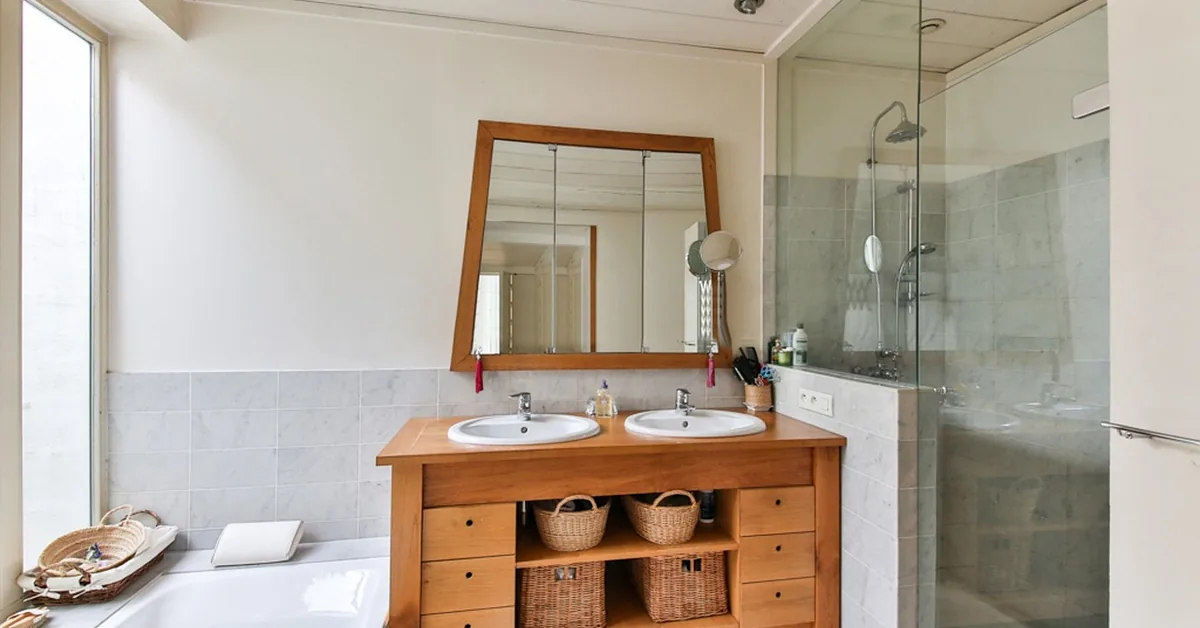
Wood floors add warmth and character while creating a natural, cohesive look with cabinetry and trim elsewhere in the house. With proper sealing, wood flooring can withstand moisture and provide a durable, low-maintenance option. Certain species also resist water and heavy foot traffic better than others, which matters more in a bathroom than almost any other room.
Warmer and Less Slippery Than Tile
A common assumption is that wood is riskier underfoot than tile in a wet room — the opposite is usually true. A matte-finished wood floor offers more grip when wet than glazed porcelain or polished marble, and wood also holds ambient warmth instead of feeling cold on a January morning. The tradeoff is moisture sensitivity, not slipperiness.
Aesthetic Appeal
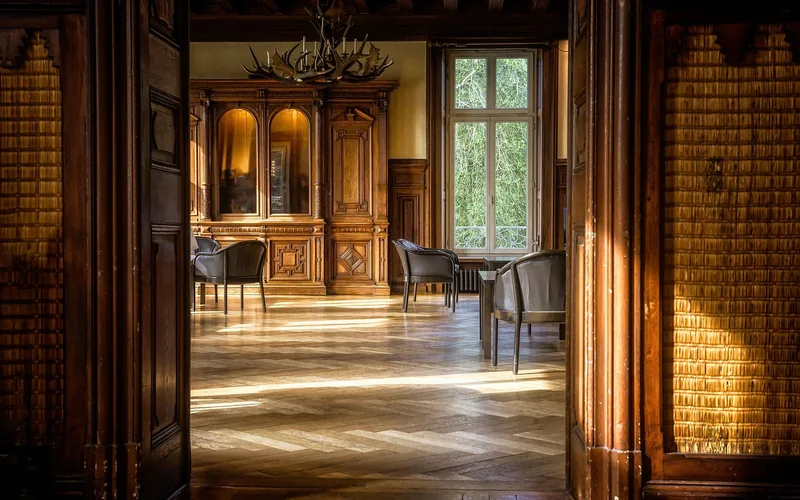
Wood floors bring a timeless, elegant look to the bathroom and age into a patina over 15 to 20 years rather than simply wearing out. They also let a bathroom match the flooring already installed in an adjoining bedroom or hallway.
Best Wood Options for Bathroom Floors
White Oak stands out for its water-resistant properties, while Hickory and Maple offer robustness against heavy foot traffic. Teak and cedar are also worth considering: both contain natural oils that resist moisture damage without relying entirely on the surface finish.
White Oak
White Oak is a top choice for bathroom wood floors because of its tight grain and water resistance. It withstands moisture better than red oak or most softwoods, making it the most common recommendation from flooring retailers for wet-adjacent rooms.
Hickory and Maple
Hickory and Maple are hardwood options known for their hardness and ability to withstand heavy foot traffic. Their density gives them good resistance to dents and wear, though both still need a full polyurethane seal to handle bathroom humidity.
Engineered Hardwood With a Waterproof Core
Engineered hardwood is a layered construction — a real hardwood veneer bonded over cross-layered plywood or a waterproof composite core. It resists the swelling and cupping that solid wood is prone to because the core doesn’t expand and contract the way a single solid plank does. Several manufacturers now sell engineered planks with a fully waterproof core specifically rated for bathrooms and other wet rooms, which is the safer choice over solid hardwood in a full bath used daily.
Waterproofing Wood Floors for the Bathroom
Waterproofing is what actually determines whether a wood floor survives a bathroom, not the species alone. Water-resistant finishes create a barrier that keeps moisture from reaching the wood fibers, and that barrier has to be reapplied on a schedule, not installed once and forgotten.
Water-Resistant Products
Options include lacquer, varnish, a stain-and-sealant combination, linseed oil, and tung oil. These create a protective barrier against moisture, but only a product labeled for wet-area or floor use provides real protection — furniture-grade finishes are not rated for standing water.
Recommended Finish
Selecting the right finish is what actually protects wood floors in a bathroom. Polyurethane and epoxy finishes are the most water-resistant and durable options. Both create a hard shell over the wood rather than soaking into it, and both need multiple coats — two is the minimum, three is safer near a tub or shower pan — for full coverage.
📊 Solid hardwood in a bathroom needs its finish coat reapplied every 2 to 3 years, and skipping even one cycle leaves seams exposed to years of daily moisture. Source: Block Renovation flooring guide, 2026
“The floors that actually hold up are the ones where every seam and the perimeter against the tub were caulked before the first coat went on — a missed inch of exposed seam is where every bathroom wood floor failure we’ve seen started.”
Installing Wood Floors in the Bathroom
Wood floors add warmth to a bathroom renovation, but installation in this room comes with challenges that don’t apply to a bedroom or living room. Whether solid or engineered wood is the safer call also depends heavily on the room itself — a powder room with just a sink is a much easier install than a full bath with a shower kids use daily.
Half Bath vs. Full Bath
A powder room with no tub or shower is close to a safe bet for solid hardwood, since it only sees occasional splashing near the sink. A full bath with a shower or tub used daily is a different equation — standing water and steam are constant, so engineered hardwood with a waterproof core or a wood-look LVP is the lower-risk choice there.
Challenges to Consider
- Water damage: Bathrooms are high-moisture rooms, and an improperly sealed floor can buckle and warp. The floor needs to be fully sealed, including every seam, before it’s exposed to regular use.
- Slippery when wet, if unfinished: A worn or unfinished wood floor can become slick when wet. A textured or matte finish keeps grip closer to that of a rubber bath mat than glazed tile.
- Maintenance: Constant exposure to moisture and humidity makes upkeep more critical than in any other room. Manufacturer cleaning and resealing guidelines matter more here than anywhere else in the house.
Professional Installation
A professional installer accounts for subfloor preparation, moisture barriers, and sealant coverage that a DIY install often misses on the first attempt. Professionals also install according to the manufacturer’s specifications, which usually matters for keeping any product warranty valid in a wet room.
Maintenance of Wood Floors in the Bathroom
Wood floors need consistent maintenance in a bathroom to keep the sealant intact and prevent water from reaching the wood underneath. Regular cleaning and periodic inspection catch small problems before they turn into warped boards.
Cleaning Tips
- Sweep or vacuum regularly to remove dirt and grit. Skip the vacuum’s beater bar, which can scratch the finish.
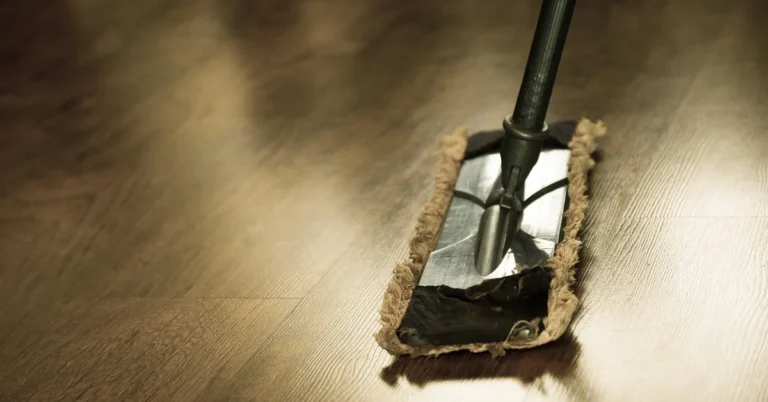
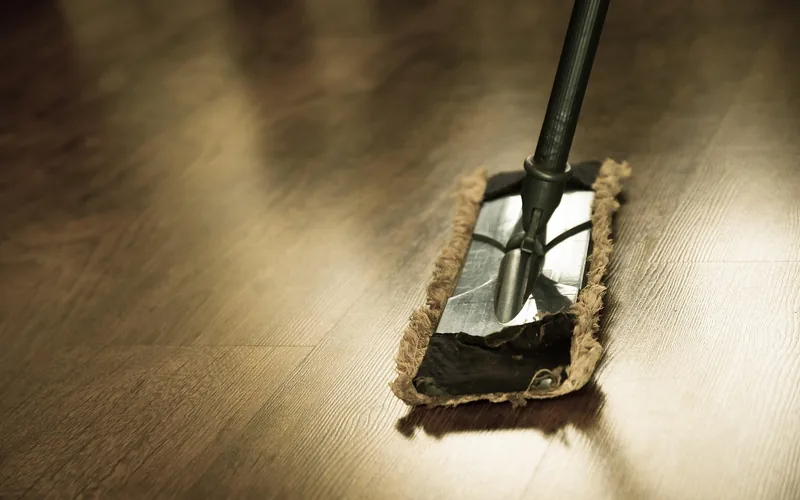
- Damp-mop with a gentle wood floor cleaner and warm water. Avoid soaking the mop — excess water can seep into seams and cause damage.
- For stubborn stains, use a mild soap or vinegar solution and a soft cloth.
- Skip harsh chemicals and abrasive cleaners, which strip the protective finish.
- Wipe up spills immediately and dry the area thoroughly rather than letting water sit.
Preventive Care
- Place mats or rugs near the sink and tub to catch splashes and reduce wear in high-traffic spots.
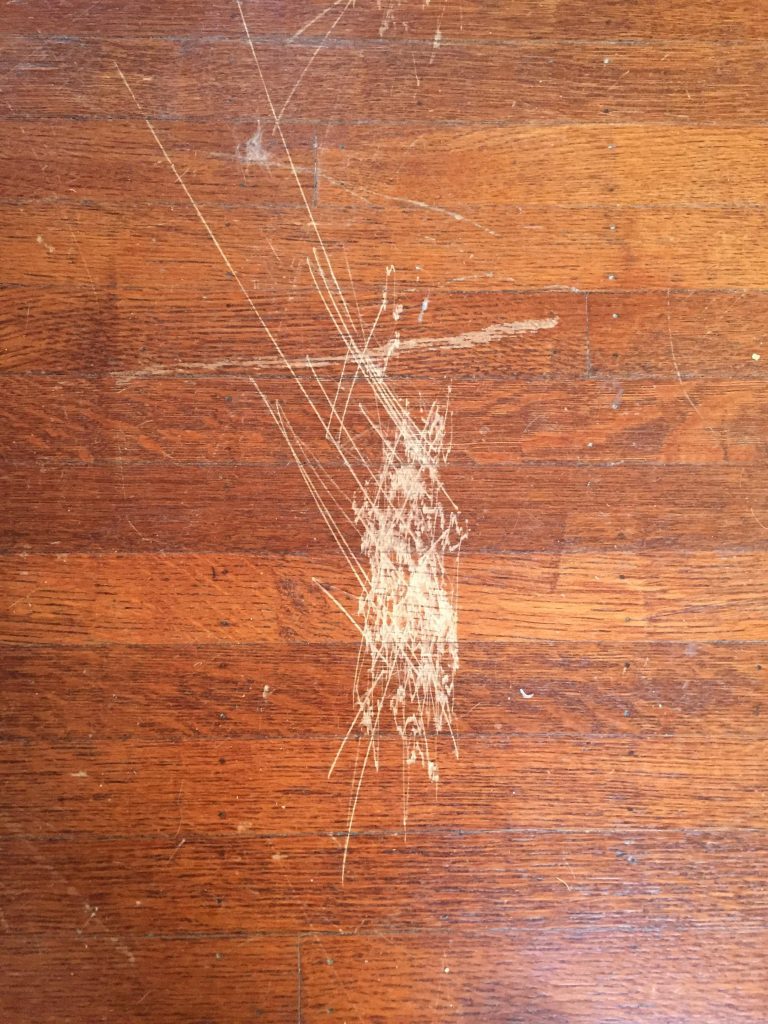
- Use felt pads under bathroom furniture legs to prevent scratches and dents.
- Lift and carry heavy items instead of dragging them across the floor.
- Keep bathroom humidity stable with a vent fan or dehumidifier — swings in humidity are what cause wood to expand, contract, and eventually warp.
- Inspect the floor periodically for cracks, splinters, or loose boards, and address issues before they spread.
Consistent cleaning and preventive care are what actually preserve a bathroom wood floor long-term — the finish protects the wood, but only if it stays intact.
Best Bathroom Wood Floor Sealer Pick
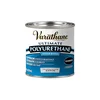
Varathane Water-Based Satin Polyurethane – $13.49
A water-based polyurethane matches the multi-coat sealing this guide recommends for White Oak, Hickory, or Maple bathroom floors, with a matte-leaning satin sheen that keeps the anti-slip grip covered above.
- Best for: Sealing solid hardwood floors against daily bathroom moisture
- Why we picked it: Water-based formula dries fast enough for the 2+ coat build-up this guide recommends near tubs and showers
- Main drawback: Needs full recoating every 2-3 years on high-moisture floors, same as any polyurethane
Compare more bathroom wood floor protection options
 Option 1 Seal-Once Nano+Poly Wood Sealer – $62.98
|
 Option 2 Roberts Silicone Moisture Barrier – $27.49
|
 Option 3 Minwax Hardwood Floor Cleaner – $9.49
|
As an Amazon Associate we earn from qualifying purchases.
Daily and Weekly Maintenance by Flooring Type
| Flooring Type | Pros | Cons | Best For |
|---|---|---|---|
| Solid Hardwood (Water-Resistant Species) | Authentic beauty, adds value, can be refinished multiple times | Higher cost, susceptible to moisture damage if not meticulously maintained, can warp | Powder rooms or low-splash bathrooms where the material stays controlled |
| Engineered Hardwood (Waterproof Core) | More stable than solid wood, real wood veneer, good moisture resistance | Can only be refinished a limited number of times, still needs careful sealing at seams | Full baths where real wood is wanted with lower warping risk |
| Luxury Vinyl Plank (LVP) / Tile (LVT) | 100% waterproof, very durable, wide range of realistic wood looks, easy maintenance, affordable | Not real wood, can be punctured by sharp objects, may not add as much resale value | Budget-conscious homeowners, high-moisture areas, households with kids or pets |
| Wood-Look Porcelain/Ceramic Tile | Completely waterproof, very durable, easy to clean, wide style range | Requires grout, colder and harder underfoot, professional installation recommended for patterns | Maximum durability and water protection without giving up the wood aesthetic |
Popular Wood Tones for a Bathroom Floor
| Wood Type | Color Family | Vibe | Moisture Resistance |
|---|---|---|---|
| White Oak | Light/Medium | Serene, airy | Moderate to good (species-dependent) |
| Ash | Light | Bright, clean | Moderate |
| Teak or Cedar | Warm tan to reddish-brown | Natural, spa-like | Good — natural oils resist moisture |
| Engineered Oak (Waterproof Core) | Varies | Versatile | Good (depends on core construction) |
Frequently Asked Questions for Bathroom Wood Floors
Is It OK to Have Wood Floors in a Bathroom?
Yes, but only if the floor is fully sealed and the room’s moisture level is controlled. Solid hardwood works best in a powder room with light splashing, while a full bath with a shower is safer with engineered hardwood that has a waterproof core, or a wood-look waterproof alternative like LVP.
What Type of Wood Flooring Is Best for Bathrooms?
White Oak, Hickory, and Maple are the most commonly recommended solid species for bathrooms because of their water resistance and durability, and teak or cedar are worth considering for their natural moisture-resisting oils. Engineered hardwood with a waterproof core is the safer overall choice for a full bath used daily.
How Do You Waterproof a Wood Floor in a Bathroom?
Use a water-resistant finish rated for floors — polyurethane, epoxy, varnish, or a stain-and-sealant combination — and apply at least two coats, with extra attention to seams and the perimeter near the tub or shower. See our step-by-step guide to sealing a bathroom wood floor for exact coat counts and dry times. Reapply the finish every 2 to 3 years on solid hardwood to keep the seal intact.
What Is the Best Finish for a Wood Floor in a Bathroom?
Polyurethane is the most commonly recommended finish because it creates a hard, water-resistant barrier over the wood. Epoxy offers similar protection and is sometimes preferred for its added durability against standing water.
Is Wood Flooring More Slippery Than Tile When Wet?
No — a matte-finished wood floor generally offers more grip when wet than glazed porcelain or polished marble tile. The bigger risk with wood in a bathroom is moisture damage to the material itself, not slipperiness.
Conclusion
Wood floors can work in a bathroom, but the deciding factor is moisture control, not style. A powder room handles solid hardwood like White Oak, Hickory, or Maple without much risk; a full bath with a shower is safer with engineered hardwood that has a waterproof core, sealed thoroughly with polyurethane or epoxy and resealed every 2 to 3 years. Get the sealing and seam work right, and a wood floor holds up in a bathroom for decades.