How to Deep Clean Wood Floors Without Damaging the Finish
Deep cleaning a wood floor means going past your everyday sweep-and-mop routine to strip out the dirt, grime, and old cleaner residue that build up in the finish over weeks or months. Done right, it takes about 30-45 minutes for an average-sized room, uses a pH-neutral cleaner instead of the vinegar-and-water mix most sites recommend, and needs nothing more specialized than a good microfiber mop. Below is the full step-by-step process, how often you actually need to do it, and the one popular home remedy that quietly dulls a polyurethane finish if you lean on it every week.
What You’ll Need Before You Start
Best pH-Neutral Deep-Clean Pick
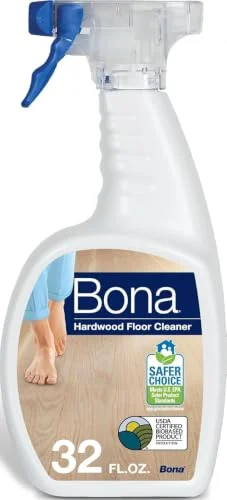 |
Bona Hardwood Floor Cleaner Spray, 32 fl oz – $8.97 The pH-neutral cleaner this guide recommends over a vinegar mix – safe for polyurethane, unwaxed, and unoiled wood floors.
|
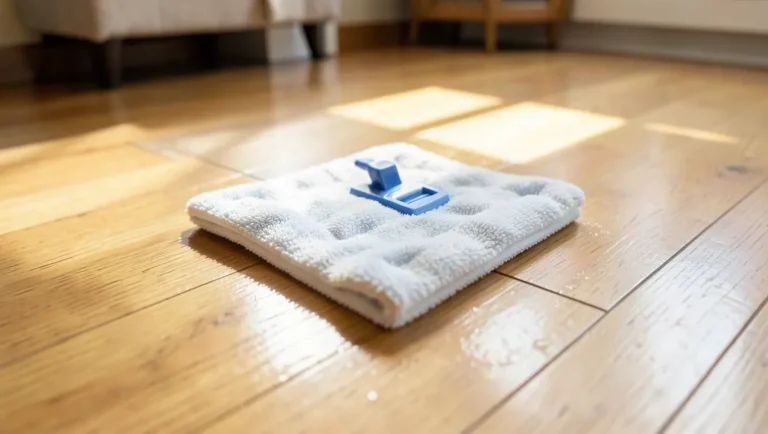
Beyond the cleaner itself, gather a soft-bristle broom or a vacuum with a hard-floor attachment (no beater bar – it will scratch the finish), a microfiber mop with washable pads, two clean microfiber cloths, and a box fan or dehumidifier if your room doesn’t get much airflow. Skip the string mop and bucket; a spray or flat microfiber mop uses less water and dries the floor faster, which matters more than it sounds.
Step-by-Step: How to Deep Clean Wood Floors
This is the same sequence flooring pros use, just scaled for a homeowner doing one room at a time.
- Clear the room and do a dry pass first. Move furniture and rugs out of the way, then sweep or vacuum every corner. Any grit left behind gets ground into the finish once you start mopping.
- Spot-test your cleaner. Apply a few drops in an inconspicuous corner or closet and wait five minutes. If the finish looks hazy or the color lifts, don’t use it on the rest of the floor.
- Spray a small section, don’t flood it. Work in 4-to-6-foot sections rather than soaking the whole room at once – standing liquid is what gets into seams and causes cupping.
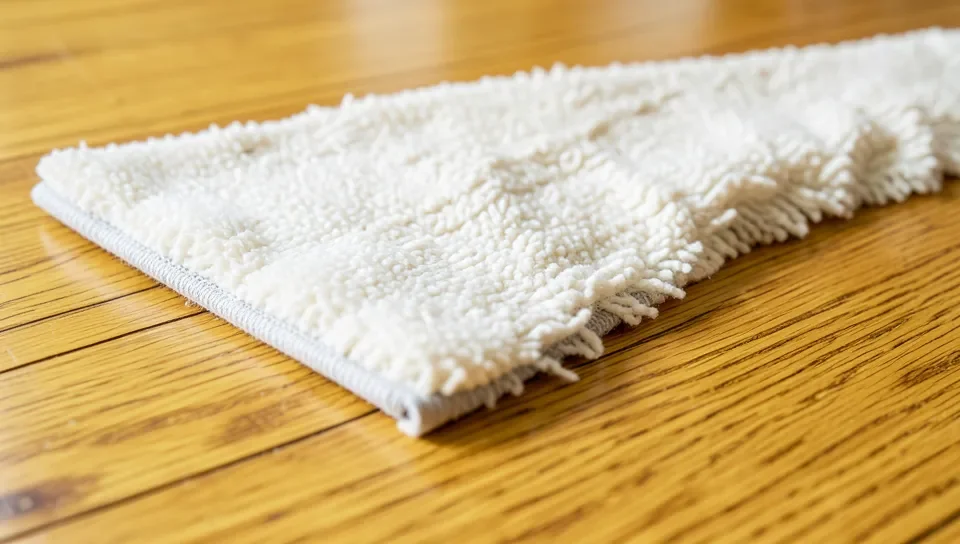
- Scrub with the grain using a microfiber mop pad. Firm, even pressure lifts embedded grime out of the wood grain; going across the grain just pushes dirt into the next board’s seam.
- Absorb the dirty solution immediately. Go back over the same section with a dry or barely-damp microfiber pad to pick up the cleaner before it dries on the surface and leaves streaks.
- Dry the floor completely. Open windows or run a fan across the floor. Most rooms are dry to the touch in 30-60 minutes; don’t put furniture or rugs back until then.
- Buff lightly if you want extra shine. Once bone dry, a dry microfiber pad buffed in small circles brings back sheen without adding any product – this step is optional and purely cosmetic.
Why Vinegar Isn’t the Best Deep-Cleaning Solution
The vinegar-and-water recipe shows up on almost every wood-floor cleaning list online, including earlier versions of this one – but it’s worth correcting. White vinegar is acetic acid with a pH around 2.4-2.8, meaning it’s genuinely acidic, not the gentle “natural” option it’s often marketed as. A single use on a fresh polyurethane finish won’t hurt anything. The problem is cumulative: mopping with vinegar every week for months slowly etches the topcoat’s sheen, leaving floors looking duller and cloudier even right after cleaning – and if any part of the floor is waxed or oil-finished, vinegar strips that protective layer outright.
A pH-neutral cleaner (sitting around pH 7, like the one above) cleans just as effectively without that slow-etching effect, which is why flooring manufacturers and most reputable installers recommend one over a DIY vinegar mix for routine deep cleaning. Save vinegar for a one-off spot treatment on a sticky spill, not your regular deep-clean solution.
How Often to Deep Clean Wood Floors
Deep cleaning and everyday maintenance run on different schedules. A quick dry-mop or vacuum a few times a week and a light damp-mop weekly handle the surface dust; the full deep-clean process above is for the grime that a regular mop doesn’t touch.
- High-traffic rooms (entryways, kitchens, main living areas, homes with kids or pets): deep clean every 2-3 months.
- Low-traffic rooms (bedrooms, formal dining rooms, guest spaces): every 4-6 months is usually enough.
- Sooner than scheduled if: the floor looks hazy or dull right after a normal mop, feels slightly sticky underfoot, or you can see dark grime sitting in the grain when light hits it at a low angle.
Deep Cleaning vs. Waxing: You Might Need Both, or Neither
Deep cleaning only removes dirt, grime, and residue that’s sitting on top of your existing finish – it doesn’t add any protective layer. Waxing is a completely separate maintenance track, and it’s only appropriate for bare/unfinished, oiled, shellacked, or already-waxed floors; it should never go on a polyurethane finish, where it just sits on top, gets slippery, and has to be stripped with mineral spirits before the floor can ever be recoated. If you’re not sure which finish you have, our guide on how to wax hardwood floors covers the 60-second water-drop test that tells you which camp your floor falls into. For the everyday habits that cut down how often you need a full deep clean in the first place, see our guide on how to care for hardwood floors so they last decades.
Mistakes That Damage Wood Floors During Deep Cleaning
- Using a steam cleaner. The heat and moisture can seep into seams and cause warping or cupping, and it voids the warranty on many engineered and prefinished floors.
- Flooding the floor with water. Standing liquid works its way between boards and under the finish; always work in small sections and absorb as you go.
- Reaching for ammonia-based or oil-soap cleaners on a polyurethane finish. Both can leave a cloudy film or residue that actually attracts more dirt over time.
- Scrubbing with steel wool or an abrasive pad. These scratch the topcoat, creating dull streaks that catch dirt going forward.
- Skipping the dry step. Furniture and rugs going back on a still-damp floor trap moisture against the finish and can leave marks.
Frequently Asked Questions
How often should you deep clean wood floors?
High-traffic rooms like entryways and kitchens need a full deep clean every 2-3 months; low-traffic rooms like bedrooms can usually go 4-6 months between deep cleans. Deep clean sooner if the floor looks hazy right after a regular mop or feels slightly sticky.
Is vinegar bad for wood floors?
An occasional vinegar-and-water wipe for a spot spill is fine, but using it as a regular deep-cleaning solution isn’t ideal – vinegar is acidic (around pH 2.4-2.8) and repeated use slowly etches and dulls a polyurethane finish. A pH-neutral commercial cleaner cleans just as well without that cumulative damage.
Can you use a steam cleaner on wood floors?
It’s not recommended. The heat and moisture from a steam cleaner can seep into the seams between boards and cause warping or cupping, and it can void the manufacturer’s warranty on many engineered or prefinished hardwood floors.
How long does it take for a wood floor to dry after deep cleaning?
Most floors are dry to the touch within 30-60 minutes with a fan or open windows running. Wait at least that long before walking on it in socks, and hold off on putting furniture or rugs back for about 2 hours to be safe.
Conclusion
A real deep clean comes down to a pH-neutral cleaner, small sections, working with the grain, and drying the floor completely before anything goes back on it – not the vinegar mix that gets recommended everywhere else. Do it every 2-3 months in busy rooms and every 4-6 months in quiet ones, and your everyday sweep-and-mop routine will handle the rest.
Sponsored / affiliate links. As an Amazon Associate I earn from qualifying purchases. I may earn additional commission from eligible campaigns.