Wood Oil Vs Stain: Choosing the Best Finish
When it comes to enhancing the beauty and durability of your wooden surfaces, you might find yourself standing at a crossroads: wood oil or stain? Choosing between these two can feel like picking a favorite child, especially if you’re aiming for the perfect finish that complements your space.
You want your wood to look stunning and last for years, but the sheer variety of products can be overwhelming. Imagine the satisfaction of running your fingers over a smoothly finished table, admiring the rich color and knowing it’s protected from everyday wear and tear.
Understanding the differences between wood oil and stain is crucial for achieving that dream finish. With the right choice, you can transform your woodwork from ordinary to extraordinary. So, which will it be? Dive into this article, and discover which option aligns best with your needs and style. You’ll gain the clarity you need to make your woodwork shine like never before.
Credit: www.shellac.net
Wood Oil Basics
Choosing between wood oil and stain can impact the appearance and protection of wood surfaces. Wood oil penetrates deeply, enhancing natural grain while offering moisture resistance. Stain, on the other hand, provides color options and surface protection without altering the wood’s inherent texture.
Consider finish and longevity when selecting your wood treatment.
Types Of Wood Oil
Wood oils come in different types. Tung oil is popular. It gives a shiny finish. Linseed oil is another choice. It offers good protection. Danish oil mixes different oils. It dries fast. Teak oil is great for outdoor wood. It resists water. Choose oil based on needs. Each type has unique traits.
Benefits Of Using Wood Oil
Wood oil protects wood from damage. It keeps wood strong. The oil stops water from entering. Wood looks better with oil. It gives wood a nice shine. Oil is easy to apply. Use a brush or cloth. It helps wood last longer. Oil is safe for health. No harsh chemicals. Wood stays natural.
Stain Essentials
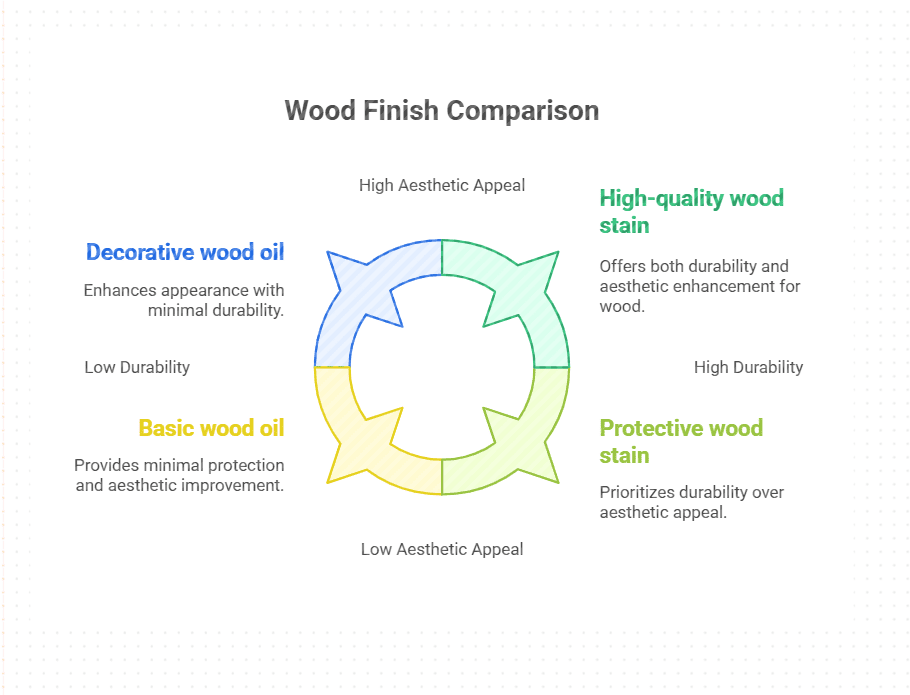
Understanding the difference between wood oil and stain is essential for preserving wood’s beauty. Wood oil penetrates deeply, enhancing natural grain and providing nourishment. Stain adds color, offering protection and altering appearance, creating vibrant finishes. Each option has distinct benefits, catering to different aesthetic and protective needs.
Varieties Of Wood Stain
Wood stains come in many types. Each type has a unique look. Oil-based stains are popular. They give wood a rich color. Water-based stains dry fast. They are easy to clean up. Gel stains are thicker. They work well on vertical surfaces. Some stains are clear. Others are tinted. The tinted ones add color. Clear stains protect wood. They keep the natural look.
Advantages Of Wood Stain
Wood stain adds beauty. It highlights the wood’s grain. Stains also protect wood. They guard against sun and rain. Colored stains add style. They can match any decor. Stained wood lasts longer. It does not wear out quickly. Stains are easy to apply. They don’t need special tools. Just a brush or cloth works fine.
Application Process
First, clean the wood surface. Use a damp cloth to remove dust. Shake the oil can well. Pour a small amount of oil onto a cloth. Rub the oil along the wood grain. Use a brush for edges. Let the oil soak for 20 minutes. Wipe off extra oil with a clean cloth. Allow the wood to dry for 24 hours.
Prepare the wood by sanding it. Clean the surface with a tack cloth. Stir the stain gently. Use a brush to apply the stain evenly. Work along the wood grain. Leave the stain on for 5-15 minutes. Wipe away extra stain with a cloth. Let the wood dry for 24 hours. Apply a second coat if needed.
:max_bytes(150000):strip_icc()/SPR-latex-vs-oil-exterior-stain-for-deck-or-fence-1822359-01-0713f1fbe82141e6839fb5f8ed293c26.jpg)
Credit: www.thespruce.com
Durability And Protection
Wood oil gives wood a natural look. It goes deep into the wood. This helps keep the wood strong. Oil protects wood from water and sun. It also keeps the wood from cracking. Over time, wood oil can wear off. You need to reapply the oil often. This keeps the wood looking nice. Reapplying helps keep the wood safe.
Stain adds color and protection to wood. It stays on the wood surface. This makes it strong against sun and rain. Some stains last longer than others. The type of stain matters. Oil-based stains last longer. Water-based stains dry fast. But they may not last as long. It’s important to choose the right stain. This helps the wood stay protected.
Aesthetic Considerations
Wood oil gives a soft shine to the wood. It keeps the grain visible. This makes the wood look very natural. The oil goes deep into the wood. It protects from the inside.
Many people like this simple look. It feels warm and smooth. Wood oil is easy to apply. It is also easy to reapply. The natural color of the wood stays the same.
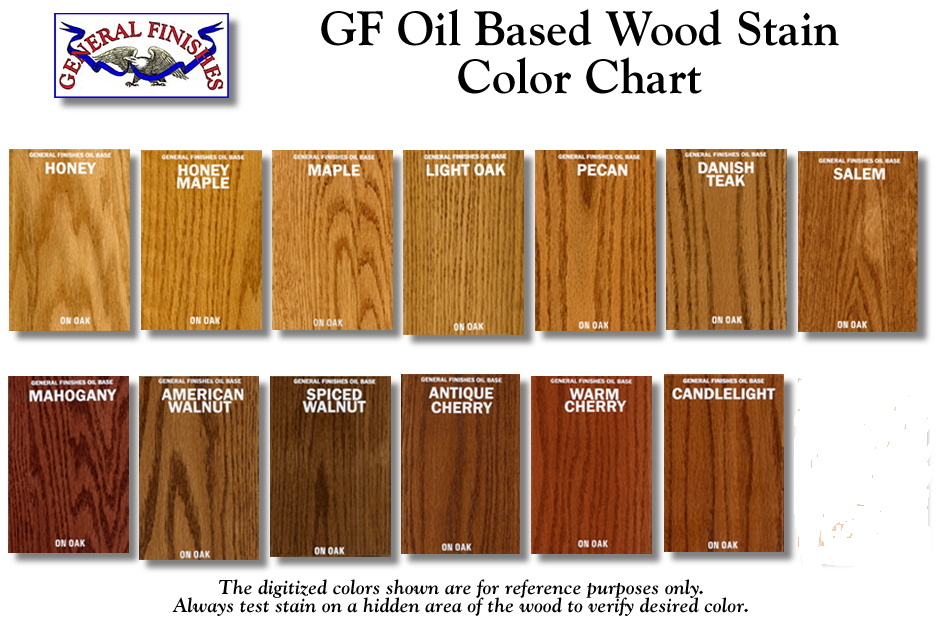
Wood stain offers many color choices. It changes the wood’s appearance. Dark, light, or bright colors are possible. This makes it fun to choose.
Stain can make old wood look new. It can also make different woods look similar. Stain sits on the wood’s surface. It does not go deep inside. This allows for easy touch-ups.
Environmental Impact
Wood oil is often more eco-friendly than stains. It usually contains fewer chemicals. Many oils are made from natural ingredients. They help keep the wood in good shape. Using natural oils is better for the environment. These oils protect the wood from damage. They also make the wood look nice and shiny.
Some stains have harmful chemicals in them. These chemicals can hurt the earth. Not all stains are bad, though. Some are made to be more sustainable. These eco-friendly stains are better for nature. They protect the wood without causing harm. Choosing a sustainable stain is a good choice for the planet.
Cost Comparison
Wood oil is an affordable option. Prices range from $10 to $30 per liter. Quality wood oil can last longer. Less frequent application saves money. Durable protection might reduce maintenance costs. Consider buying in bulk for savings.
Staining wood can be pricier. Stain costs range from $15 to $40 per liter. Application tools are often needed. These can add to the cost. Regular maintenance might be necessary. This can increase expenses over time. Professional services for staining can be costly. DIY staining might save some money.
Maintenance Requirements
Oiled wood needs regular care. This keeps it looking nice. Reapply oil every few months. This protects the wood. Clean the surface with a soft cloth. Avoid using water. Water can harm the wood. Always use a dry cloth. Dust can build up. Remove it often. This helps the wood breathe.
Stained surfaces need less care. Clean them with a damp cloth. Reapply stain every year. This keeps the color fresh. Avoid harsh cleaners. They can damage the stain. Use mild soap if needed. Always dry after cleaning. Wet surfaces can warp.
Best Uses For Each
Wood oil is great for enhancing natural beauty. It seeps into the wood and protects from inside. Use it for wooden furniture indoors. It helps in keeping the natural look intact. Wood oil also works well for wooden kitchenware. It is safe and non-toxic. A little oil can make chopping boards last longer.
Outdoor furniture can benefit too. Oil protects from rain and sun. It keeps wood from cracking. Always choose the right type of oil for your wood.
Stains add color and style to wood. They are perfect for outdoor decks. They protect the wood from harsh weather. Stains are also good for fences. They make wood look newer and brighter.
Indoor flooring can look fresh with stains. They offer many color choices. Stains give wood a rich appearance. Choose a stain when color is important. It helps highlight the grain of the wood beautifully.

Credit: www.sand-stain.com
Frequently Asked Questions
Is It Better To Stain Or Oil Wood?
Staining enhances wood color and provides protection. Oil nourishes wood, offering a natural finish. Choose stain for durability; oil for a rich, natural look. Consider wood type and usage to decide. Both options have benefits depending on needs and preferences.
Does Wood Oil Change Wood Color?
Yes, wood oil can change the wood’s color. It enhances natural grains and deepens existing shades. Different oils provide varying color effects, from subtle to rich tones. Always test on a small area first to ensure desired results. This maintains the wood’s natural beauty while offering protection.
Can You Put Wood Oil Over Stain?
Yes, you can apply wood oil over stain. Ensure the stain is fully dry before application. Wood oil enhances shine and protects the surface, but test on a small area first to check compatibility. Always follow the manufacturer’s instructions for best results.
What Is The Disadvantage Of Oil-based Stains?
Oil-based stains emit strong fumes and require longer drying times. They can also be difficult to clean up. These stains may yellow over time and necessitate the use of harsh chemicals for cleanup, which can be hazardous. Additionally, they may penetrate too deeply, making removal challenging.
Conclusion
Choosing between wood oil and stain depends on your needs. Wood oil enhances natural beauty. It penetrates deeply, providing protection. Stain offers color variety and surface protection. Both have unique benefits. Consider your project type and finish preference. For outdoor furniture, stain might be better.
For indoor, wood oil could shine. Think about maintenance too. Stains often require reapplication. Oils may need less frequent care. Decide based on your wood type and desired look. In the end, both can protect and beautify wood surfaces effectively.
Make your choice wisely for the best results.