Wood Or Plastic Cutting Boards: Which Is Better?
Choosing between wood and plastic cutting boards can seem tricky at first. Many people wonder what makes one better than the other for their kitchen. Is it about looks, how they perform, or keeping things clean?
This guide will help clear things up. We will break down the pros and cons simply so you can make the best choice for your cooking. Get ready to learn the easy way.
When you’re in the kitchen preparing food, the cutting board you use is a pretty important tool. It protects your countertops and gives you a stable surface for chopping, slicing, and dicing. But with so many options available, a common question pops up: Wood or Plastic Cutting Boards Which Is Better?
This decision affects not just your cooking experience but also hygiene and how long your knives stay sharp. Let’s explore the differences to help you decide.
The Case For Wood Cutting Boards
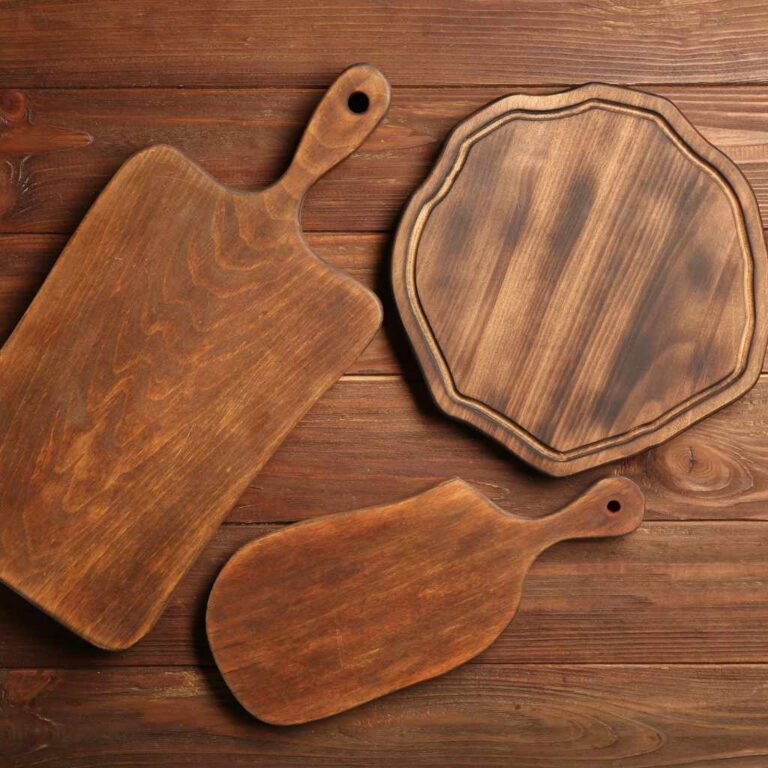
Wood cutting boards have been a kitchen staple for generations, and for good reason. They offer a natural beauty and a feel that many home cooks love. Beyond their looks, wood boards have some practical advantages.
Types of Wood Cutting Boards
Not all wood boards are created equal. The type of wood used plays a big role in durability, maintenance, and even how kind it is to your knives.
- Hardwoods: Woods like maple, cherry, and walnut are excellent choices. They are dense, which means they are less likely to absorb liquids and bacteria. They also tend to be more durable and resist deep knife marks.
- Bamboo: Technically a grass, bamboo is very hard and sustainable. It’s a popular option, but its hardness can sometimes dull knives faster than softer hardwoods.
- Softwoods: Woods like pine are generally not recommended for cutting boards. They are too soft, and knife marks will deepen quickly, creating places for bacteria to hide.
Advantages of Wood
Wood boards offer a combination of aesthetic appeal and functional benefits.
- Aesthetics: They look warm and inviting in any kitchen. Many cooks enjoy the natural material and how it ages.
- Knife Friendliness: The natural fibers in wood give a bit under the knife, which can help keep your knife edges sharper for longer compared to very hard plastic or glass surfaces.
- Self-Healing Properties: While not completely true healing, denser hardwoods can show fewer deep scratches than plastic. Minor marks may not penetrate as deeply.
- Natural Antibacterial Qualities: Certain woods contain natural compounds that can help inhibit bacterial growth, though this is not a substitute for proper cleaning.
Disadvantages of Wood
Despite their charm, wood boards require specific care.
- Maintenance: Wood needs regular oiling with food-safe mineral oil or board cream to prevent drying, cracking, and warping.
- Cleaning: They cannot be put in the dishwasher. Washing with hot, soapy water and drying thoroughly is essential.
- Staining and Odor Absorption: Some woods can absorb strong colors and smells from foods like garlic, onions, or beets if not cleaned quickly.
- Cost: High-quality hardwood boards can be more expensive upfront.
The Case For Plastic Cutting Boards
Plastic cutting boards are a common sight in kitchens everywhere, especially in professional settings. They are practical, affordable, and easy to clean.
Types of Plastic Cutting Boards
Plastic boards are typically made from various types of polymer. The quality can differ significantly.
- Polypropylene (PP): A common and affordable plastic, often found in basic sets.
- High-Density Polyethylene (HDPE): Denser and more durable than standard polypropylene, offering better resistance to knife marks.
- Other Polymers: Some boards use blends or other specialized plastics designed for food safety and durability.
Advantages of Plastic
Plastic boards excel in areas where wood might fall short.
- Easy Cleaning: Most plastic boards are dishwasher safe, making sanitization very simple and efficient.
- Non-Porous: High-quality plastics are less likely to absorb liquids and odors, reducing the risk of cross-contamination between raw meats and other foods.
- Affordability: Plastic boards are generally less expensive than wooden ones, making them an accessible option.
- Lightweight: They are typically lighter, making them easier to handle and store.
- Color Coding: Many plastic boards come in different colors, which is useful for preventing cross-contamination by assigning specific colors to different food types (e.g., red for raw meat, green for vegetables).
Disadvantages of Plastic
Plastic boards do have their drawbacks.
- Durability: They tend to show knife marks more easily. These cuts can harbor bacteria if not cleaned properly and can dull knives faster over time.
- Environmental Impact: Plastic boards are made from petroleum and are not biodegradable, contributing to plastic waste.
- Aesthetics: They often lack the natural beauty and warmth of wood.
- Scratches and Wear: As scratches deepen, the board may need to be replaced sooner than a well-maintained wood board.
Comparing Wood and Plastic: Key Differences
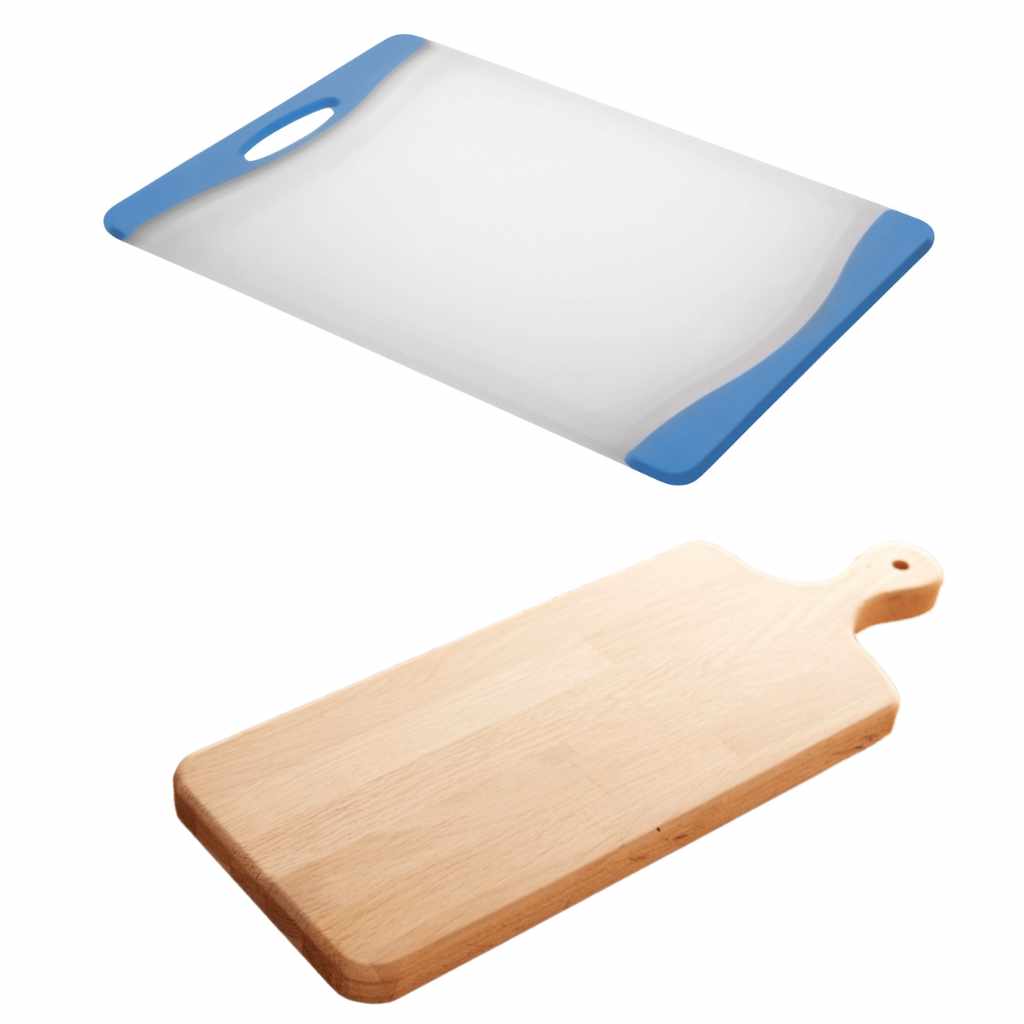
When you look at Wood or Plastic Cutting Boards: Which Is Better?, the answer often depends on what you value most. Here’s a direct comparison of their key features.
| Feature | Wood Cutting Boards | Plastic Cutting Boards |
|---|---|---|
| Durability | Durable, can last for years with proper care. Hardwoods are more resistant to deep marks. | Can scratch easily. Quality varies; HDPE is more durable than basic PP. |
| Maintenance | Requires regular oiling and hand washing. Cannot be dishwashed. | Dishwasher safe for easy cleaning and sanitization. |
| Hygiene | Denser woods have some natural antibacterial properties. Can absorb stains and odors if not cleaned promptly. | Non-porous, less prone to absorbing liquids and odors. Best for preventing cross-contamination when properly cleaned. |
| Knife Edge Preservation | Generally kinder to knife edges due to natural fiber give. | Can dull knives faster, especially if the plastic is very hard or the board is heavily scratched. |
| Aesthetics | Warm, natural, and often beautiful. Adds to kitchen decor. | Functional, can be practical with color coding, but generally less appealing. |
| Cost | Higher upfront cost for quality hardwood boards. | Generally more affordable and easier to replace. |
| Environmental Impact | Renewable resource if sustainably sourced. Biodegradable. | Made from petroleum; not biodegradable. Contributes to plastic waste. |
Hygiene: A Major Consideration
When deciding between Wood or Plastic Cutting Boards: Which Is Better?, hygiene is a top concern for most home cooks. Both materials have ways they can harbor bacteria, but proper care makes a big difference.
Wood Board Hygiene
Research has shown that wood, especially hardwoods like maple, can actually reduce bacteria over time. The natural compounds in the wood and the microscopic nooks and crannies can trap bacteria, making them less likely to spread. However, this doesn’t mean they are self-cleaning.
You must wash them thoroughly with hot, soapy water immediately after use, especially after cutting raw meat. Never let them soak, and dry them completely to prevent mold and warping.
Plastic Board Hygiene
Plastic boards are often favored for hygiene because they are typically dishwasher safe. The high heat and strong detergents in a dishwasher can effectively kill most bacteria. However, if plastic boards get deep knife marks, these scratches can become hiding places for bacteria that the dishwasher might not fully reach.
For this reason, it’s important to inspect plastic boards regularly and replace them when they become excessively scratched or worn.
Knife Care: Protecting Your Blades
The material of your cutting board directly impacts how well your knives hold their edge. If you invest in good quality knives, you’ll want a cutting board that treats them kindly.
Wood and Knives
Wood is generally considered much better for knife edges than plastic. The natural fibers in wood offer a slight give when you cut, absorbing some of the impact and preventing your knife from hitting a hard, unyielding surface. This means your knives will stay sharper for longer, requiring less frequent sharpening.
Plastic and Knives
Harder plastics, and especially boards with many deep knife grooves, can be tough on your knife edges. The surface doesn’t give, causing the fine teeth of your knife edge to wear down faster with each cut. If you frequently cut on plastic, you’ll likely find yourself needing to sharpen your knives more often.
Sustainability and the Environment
In today’s world, many people think about the environmental impact of their purchases. This is another area where Wood or Plastic Cutting Boards: Which Is Better? can have a clear distinction.
Wood as a Sustainable Choice
Wood is a renewable resource. When sourced responsibly from sustainable forests, wood cutting boards are a good choice for the environment. They are also biodegradable, meaning they will break down naturally at the end of their life, unlike plastic.
Plastic’s Environmental Footprint
Plastic cutting boards are made from petroleum products, a non-renewable resource. Their production has an environmental impact, and they contribute to plastic pollution. While some plastics can be recycled, cutting boards are often considered difficult to recycle due to food contamination and mixed materials.
Making Your Choice
So, Wood or Plastic Cutting Boards: Which Is Better? The “better” option really depends on your priorities and how you plan to use it.
When to Choose Wood
- If you value aesthetics and want a board that looks beautiful in your kitchen.
- If you want to be kind to your knife edges and reduce sharpening frequency.
- If you are willing to commit to the regular maintenance required (oiling and hand washing).
- If you prefer natural, renewable materials.
When to Choose Plastic
- If ease of cleaning and sanitization (especially dishwasher safe) is your top priority.
- If you are on a tighter budget.
- If you plan to use color-coded boards for different food types to prevent cross-contamination.
- If you want a lightweight and easy-to-handle option.
Consider Having Both
Many cooks find that having both types of cutting boards offers the best of both worlds. You could use a beautiful wooden board for slicing bread, fruits, and vegetables, and a colorful plastic board for preparing raw meats or pungent ingredients that might stain or transfer odors.
Frequently Asked Questions
Question: Are wood cutting boards more hygienic than plastic?
Answer: While dense hardwoods have some natural antibacterial properties, both types require thorough cleaning after each use, especially after handling raw meats. Properly cleaned and maintained boards of either material can be hygienic.
Question: Can I put my wood cutting board in the dishwasher?
Answer: No, you should never put a wood cutting board in the dishwasher. The harsh detergents and prolonged exposure to water can cause it to warp, crack, and split.
Question: How often should I oil my wood cutting board?
Answer: It’s generally recommended to oil your wood cutting board once a month, or more often if it starts to look dry or chalky. This helps prevent it from drying out and cracking.
Question: Which type of cutting board is best for my knives?
Answer: Wood cutting boards are generally better for preserving knife edges because the wood fibers offer a slight give, preventing the blade from hitting a hard, unforgiving surface.
Question: When should I replace my plastic cutting board?
Answer: You should replace your plastic cutting board when it develops deep scratches or gouges that are difficult to clean, or if it becomes heavily discolored or warped.
Final Thoughts
Choosing between wood and plastic cutting boards really comes down to what matters most in your kitchen. Wood boards offer a timeless appeal and are gentler on your knives, making them a favorite for many who enjoy cooking. They add a natural warmth to your kitchen and can last a lifetime with the right care.
Plastic boards, on the other hand, shine when it comes to convenience and easy sanitization, especially if you use a dishwasher. Their affordability and color-coding options make them very practical for everyday tasks. Many home chefs find that using a combination of both types provides the best solution, allowing them to pick the right board for the specific food they are preparing.
Think about your personal cooking style, your knife collection, and how much time you want to spend on maintenance to make the choice that best suits your needs.