Wood Paneling Living Room Decor: Proven, Stunning Ideas
Wood paneling can transform a living room into a cozy, elegant, or rustic haven. This guide offers proven, stunning ideas to help you expertly decorate a living room with wood paneling, making your space both beautiful and inviting.
Transform Your Living Room with Wood Paneling: Your Ultimate Decor Guide
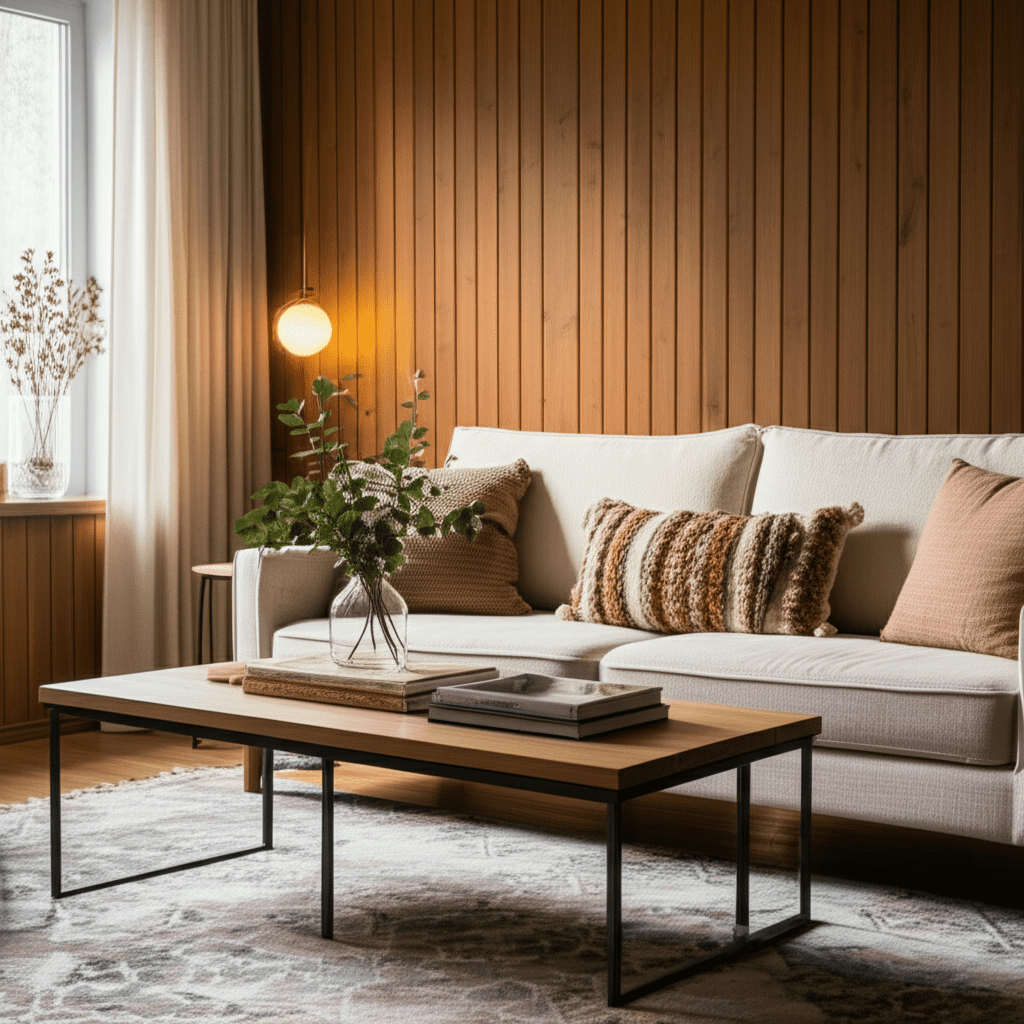
Ever looked at a plain wall and wished it had a bit more character? Wood paneling is a fantastic way to add warmth, texture, and timeless style to your living room. It’s one of those classic design choices that never quite goes out of fashion, but sometimes, knowing how to decorate with it can feel a little tricky. Many beginners worry about making their space feel too dark or dated. Don’t you worry! We’re going to walk through simple, effective ways to make your wood-paneled living room absolutely stunning. Get ready to feel inspired and confident as we explore beautiful ideas that are surprisingly easy to achieve.
Why Choose Wood Paneling for Your Living Room?
Wood paneling is more than just wall cladding; it’s a statement. It brings a natural beauty and a sense of history into a home that few other materials can match. Think about the cozy cabins you’ve seen in movies or the elegant libraries that feel so welcoming – a significant part of that atmosphere comes from well-executed wood paneling.
- Warmth and Coziness: Wood naturally radiates a comforting warmth, making any room feel more inviting and snug.
- Timeless Appeal: Unlike trendy paint colors or wallpaper patterns, wood paneling has enduring style. It can adapt to various design aesthetics, from rustic farmhouse to sleek modern.
- Natural Beauty: The unique grain patterns and rich tones of wood add a sophisticated, organic element to your decor.
- Durability: Properly installed and maintained wood paneling can last for decades, making it a long-term investment in your home’s aesthetic.
- Sound Dampening: Wood surfaces can help absorb sound, contributing to a quieter, more peaceful living environment.
However, the key to unlocking these benefits lies in how you approach the design. It’s all about balance and choosing the right style of paneling for your vision.
Understanding Different Types of Wood Paneling
Before we dive into decorating, it’s helpful to know the common types of wood paneling you might encounter. Each offers a different look and feel:
1. Solid Wood Paneling
This is the classic choice, featuring planks made entirely of solid wood. It offers the most authentic and luxurious look. Different wood species like oak, pine, walnut, or cherry provide varying colors and grain patterns. It’s durable and can be refinished multiple times.
2. Veneer Paneling
Veneer panels consist of a thin layer of real wood (the veneer) glued over a substrate, usually plywood or particleboard. They offer the look of solid wood at a more accessible price point. Quality can vary, so choosing reputable brands is important.
3. MDF (Medium-Density Fibreboard) Paneling
MDF panels are engineered wood products. They are often used for painted or decorative finishes, like beadboard or applied molding patterns. While not “real wood” in the traditional sense, they provide a smooth surface for creating specific looks and can be very cost-effective.
4. Plywood Paneling
Often seen in a more rustic or mid-century modern context, plywood paneling features visible layers of wood glue at its edges, which can be a design element. It’s generally less expensive than solid wood or high-quality veneer.
Proven Ideas: How to Decorate a Living Room with Wood Paneling
Decorating a wood-paneled living room is about working with the existing texture and warmth, not fighting it. Here are some proven strategies:
1. Embrace the Cozy with Traditional Paneling
If you have traditional, darker wood paneling, lean into the cozy, classic vibe. This style evokes libraries, studies, and a sense of enduring comfort.
- Furniture: Opt for comfortable, plush furniture in rich fabrics like velvet, leather, or textured chenille. Think deep sofas, armchairs, and perhaps a classic wingback chair.
- Color Palette: Complement the wood tones with warm, inviting colors. Deep greens, rich burgundies, warm golds, and creamy off-whites work beautifully. These colors can be introduced through upholstery, throw pillows, curtains, and rugs.
- Lighting: Layer your lighting. Use warm-toned lamps (table lamps, floor lamps) to create pools of light. Consider a statement chandelier or pendant light that complements the traditional style, perhaps with brass or aged iron finishes.
- Accessories: Add texture with Persian rugs, embroidered cushions, antique-inspired artwork, and decorative objects like globes, brass candlesticks, or ceramic vases.
2. Brighten Up with Modern Paneling
Wood paneling doesn’t have to mean dark and heavy. Lighter woods, whitewashed finishes, or even painted panels can create a bright, airy, and contemporary feel.
- Furniture: Choose furniture with clean lines and simpler silhouettes. Mid-century modern, Scandinavian, or minimalist styles work well. Think light-colored upholstery, natural wood accents (contrasting or complementary), and furniture with exposed legs.
- Color Palette: Use a brighter, more neutral color scheme. Whites, creams, light grays, and soft blues can prevent the wood from feeling overpowering. Pops of brighter color can be added through smaller decor items like artwork or plants.
- Lighting: Maximize natural light. Keep window treatments minimal, perhaps sheer curtains. For artificial lighting, opt for sleek, modern fixtures. Track lighting or minimalist pendant lights can highlight the paneling without adding visual clutter.
- Accessories: Incorporate minimalist decor. Abstract art, simple ceramic pieces, greenery (live plants or faux), and metallic accents (like chrome or brushed nickel) can enhance the modern aesthetic.
3. Create a Statement with Feature Walls
Don’t feel you need to panel every wall. A single feature wall can provide all the impact with less commitment and expense.
- Placement: Choose a wall that anchors the room, such as the wall behind the sofa, the TV, or the fireplace.
- Contrast: Pair the paneled wall with contrasting paint colors on the other walls. For example, dark wood panels could be set against a crisp white or light gray wall to make the wood pop.
- Design: Consider interesting paneling patterns like shiplap, board and batten, or geometric designs for added visual interest.
4. Consider Painted Paneling
Painting wood paneling is a fantastic way to modernize a dated look or achieve a specific style. It’s a budget-friendly alternative to replacing panels.
- Preparation is Key: Thoroughly clean the panels, sand them smooth, and apply a good quality primer (especially important for glossy or dark finishes).
- Color Choices: White or off-white is a classic choice for a bright, farmhouse feel. Light grays or soft blues can create a modern, serene atmosphere. For a bolder look, consider deep charcoal or even a muted jewel tone.
- Style Adaptation: Painted beadboard or board and batten panels are excellent for cottage, coastal, or traditional farmhouse styles.
5. Mix and Match with Other Textures
Wood paneling pairs beautifully with other materials. Don’t shy away from creating a rich textural mix.
- Stone/Brick: Combine wood panels with a stone fireplace surround or a brick accent wall for a robust, natural look.
- Metal: Introduce metallic elements through lighting fixtures, furniture legs, or decorative accents. Brass adds warmth, while matte black or brushed nickel can offer a more contemporary edge.
- Fabric: Use a variety of fabrics for upholstery, curtains, rugs, and cushions to add depth and comfort. Think linen, wool, cotton, velvet, and faux fur.
6. Strategic Lighting for Impact
Lighting can completely change the mood and highlight the beauty of your wood panels.
- Wall Sconces: Place wall sconces on paneled walls to create ambient light and draw attention to the wood grain.
- Accent Lighting: Use track lighting or spotlights to highlight specific features, artwork, or architectural details within the paneled area.
- Warm Bulbs: Always opt for warm white LED bulbs (around 2700K-3000K) to maintain a cozy atmosphere and prevent the wood from looking flat or unnatural.
7. Don’t Forget the Ceiling!
If your paneling extends to the ceiling, consider how that impacts your design. If it’s a dark, heavy paneling on the ceiling, you might want to counterbalance with lighter walls and decor. Alternatively, embrace the ‘log cabin’ feel with complementary decor.
Tools and Materials for Working with Wood Paneling
Whether you’re installing new panels or refinishing existing ones, having the right tools makes all the difference. For decorating, it’s more about the complementary items.
| Task | Essential Tools/Materials | Purpose |
|---|---|---|
| Panel Installation | Miter Saw, Table Saw (for precise cuts), Nail Gun (brad or finish nailer), Measuring Tape, Level, Pry Bar (for removal), Construction Adhesive, Stud Finder | Cutting panels to size, securing them to walls, ensuring straight installation. |
| Panel Refinishing (Painting/Staining) | Orbital Sander, Sandpaper (various grits), Tack Cloth, Primer, Paint or Stain, Brushes, Rollers, Rags | Preparing the surface, applying finishes for a smooth, durable result. |
| Decorating & Styling | Furniture, Accent Chairs, Rugs, Curtains, Throw Pillows, Lamps, Artwork, Decorative Objects | To complement the wood paneling and create the desired aesthetic. |
Tips for Success: Making Your Paneling Shine
Here are some practical pointers to ensure your wood-paneled living room looks its best:
- Don’t Overwhelm: If you have extensive paneling, ensure there’s enough contrast through paint, light, and furnishings so the room doesn’t feel too dark or enclosed.
- Consider the Finish: A matte or satin finish for paint or stain is generally more forgiving and modern than a high gloss, which can show imperfections and feel dated unless it’s a specific intentional look.
- Scale Matters: Make sure your furniture and decor are appropriately scaled to the room and the paneling. Large rooms can handle larger furniture pieces and bolder patterns, while smaller rooms benefit from more streamlined pieces.
- Balance Light and Dark: If you have dark panels, use lighter colors and ample lighting. If your panels are light, you have more flexibility.
- Embrace the Grain: Don’t try to hide the natural beauty of wood grain, especially if you’re staining. Enhance it with the right finishes and complementary decor. You can learn more about wood finishing techniques from resources like Popular Mechanics.
Addressing Common Decorating Challenges
It’s normal to run into a few snags. Here’s how to overcome them:
Challenge: The Room feels too dark or dated.
Solution:
- Paint some or all of the panels.
- Introduce significant amounts of white or light-colored decor (sofas, rugs, curtains).
- Increase artificial lighting with multiple warm-toned lamps.
- Consider replacing some of the paneling with lighter wood or a different wall treatment.
- Use mirrors strategically to reflect light and create a sense of space.
Challenge: Paneling looks too rustic for the desired style.
Solution:
- Opt for smoother, finer-grained wood if installing new.
- Paint the panels or use a lighter stain.
- Pair with modern furniture, clean lines, and minimalist decor.
- Incorporate metallic accents (chrome, brass) for a more contemporary feel.
Challenge: Balancing paneling with other wall treatments.
Solution:
- Use paneling as a feature wall.
- Create clear breaks or transitions where paneling meets painted walls.
- Ensure the styles are complementary – e.g., modern geometric paneling might look odd next to heavy traditional wallpaper unless done very intentionally.
Frequently Asked Questions About Wood Paneling Decor
Can I paint over wood paneling?
Yes, absolutely! Painting is one of the most popular and effective ways to update the look of wood paneling. Proper preparation, including cleaning, sanding, and priming, is crucial for a smooth, lasting finish. Using a good quality primer designed for wood is highly recommended.
What colors go well with wood paneling?
The best colors depend on the type and tone of your wood paneling and the style you want. For darker woods, consider warm neutrals like cream, beige, sage green, or even deep blues and grays. For lighter woods, you have more flexibility – crisp whites, light grays, pastels, or even bold accent colors can work well.
How do I make a living room with wood paneling look modern?
To achieve a modern look, consider lighter wood finishes, painting the panels white or gray, or using clean, geometric paneling styles. Pair with furniture that has simple, clean lines, a neutral color palette with pops of color, and minimalist accessories. Ensure ample lighting and avoid overly ornate decor.
Is wood paneling still in style?
Wood paneling has made a significant comeback! While very dark, heavy, or dated styles might feel passé, updated interpretations like lighter woods, painted panels, shiplap, and modern geometric patterns are very much in vogue. It’s a timeless material that can be adapted to current trends.
What kind of furniture should I use with wood paneling?
Choose furniture that complements the style and tone of your wood paneling. For a cozy, traditional look, think plush sofas and armchairs. For a more modern or mid-century feel, opt for furniture with clean lines and lighter upholstery. Contrasting materials like metal or fabric can add balance.
How can I add light to a dark paneled room?
Layer your lighting with multiple sources: overhead lights, floor lamps, and table lamps, all using warm-toned bulbs. Incorporate mirrors to reflect light, choose lighter-colored furniture and rugs, and consider painting the ceiling a lighter color. If possible, maximize natural light by keeping window treatments simple.
Conclusion: Your Beautifully Panelled Living Space Awaits!
Decorating a living room with wood paneling is a rewarding journey. It offers a unique opportunity to infuse your space with warmth, character, and enduring style. Whether you’re embracing a classic, cozy aesthetic or aiming for a bright, modern update, the strategies we’ve explored provide a clear path forward. Remember that preparation, thoughtful color choices, strategic lighting, and a balanced mix of textures are your best friends in this process. Don’t be afraid to experiment and trust your instincts. With these ideas and a touch of your personal flair, you can transform your wood-paneled living room into a truly stunning and inviting sanctuary.