Yellow Pressure-Treated Wood: What the Color Actually Means
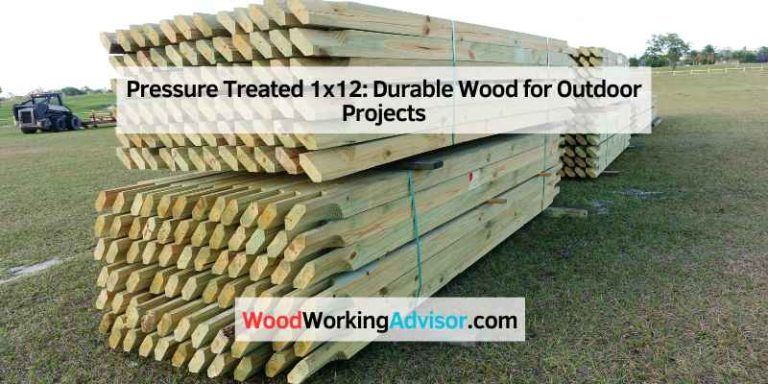
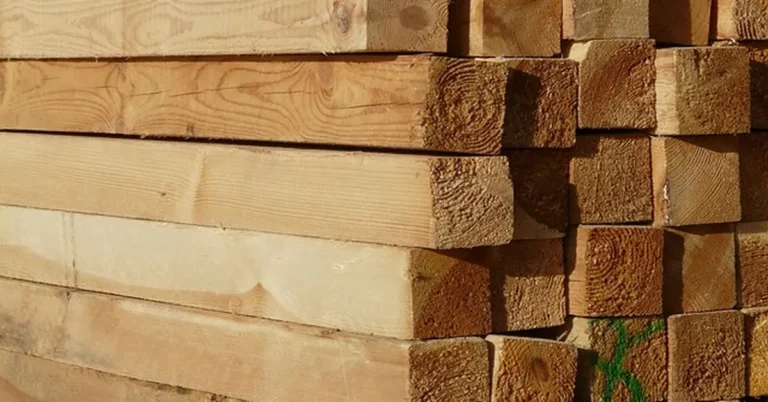
Yellow pressure-treated wood almost always means one of two things: the lumber was kiln-dried after treatment (KDAT), or it’s simply Southern Yellow Pine’s natural color showing through a lighter copper-based treatment. It is not a different chemical formula and it is not a sign the wood is defective.
If you just picked up boards for a deck or fence and noticed they look more honey-blonde than the greenish lumber you remember from years past, that’s a processing difference, not a downgrade. Lumber mills have shifted heavily toward KDAT stock over the last decade because it’s more dimensionally stable and doesn’t need to air-dry on site before you can stain it.
Below, I’ll break down exactly what causes the yellow tint, whether it changes how the wood performs, and what to do if you want to keep that color (or change it) once your project is built.
What Actually Causes the Yellow Tint in Pressure-Treated Wood
Best for Restoring PT Deck Color
 |
Thompson’s WaterSeal Semi-Transparent Stain & Sealer – Check Current Price A penetrating semi-transparent sealer that lets the natural yellow-tan tone of pressure-treated wood show through while blocking UV and moisture.
|
Most treated lumber sold at home centers today is Southern Yellow Pine infused with a copper-based preservative — usually alkaline copper quaternary (ACQ) or copper azole (CA-B). Fresh out of the treatment cylinder, that copper gives the wood a greenish cast, which is the color most people associate with “pressure-treated wood.”
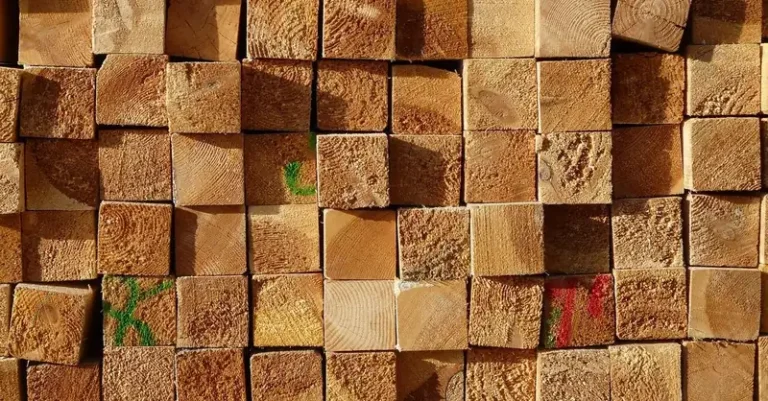
But a large share of that lumber is then kiln-dried after treatment. The heat drives off excess moisture and the treatment solution’s carrier chemicals, and in the process the green cast fades and the pine’s own pale-yellow heartwood and sapwood tone becomes more visible. What you’re seeing as “yellow” pressure-treated wood is frequently just KDAT lumber where the natural wood color has come back through a lighter chemical tint.
A second, less common cause: a few lumber brands intentionally add a slight amber or gold-tinted dye during treatment as a visual grade marker — YellaWood, for example, is a specific branded product line that uses a proprietary tint so its boards are recognizable on the rack. That’s a brand identifier, not a universal rule for all yellow-toned treated wood, so don’t assume every yellow board came from that one manufacturer.
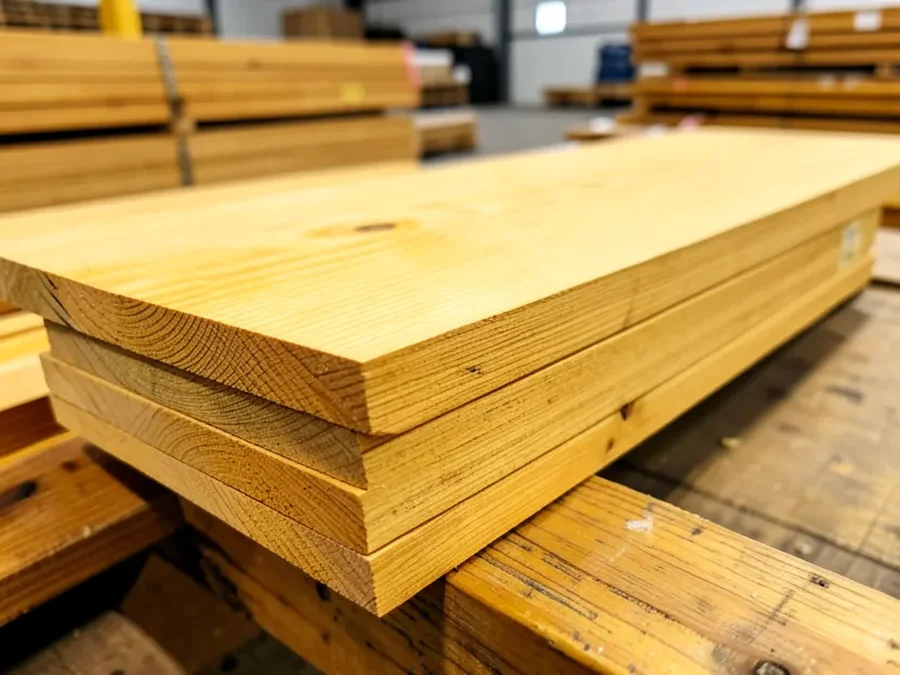
Yellow vs. Green Pressure-Treated Wood: Is One Actually Better?
Not really — color is not a reliable indicator of protection level. Both yellow and green PT lumber typically use the same family of copper-based preservatives; the difference you’re seeing comes from moisture content and kiln-drying at the mill, not a different active ingredient.
What actually matters for durability is the retention level and end-use rating stamped on the lumber’s end tag, not the shade. Look for “above-ground use” versus “ground contact” on that tag. Ground-contact-rated lumber carries a higher chemical retention (measured in pounds per cubic foot) and is the only kind that should touch soil directly, such as fence posts or deck footings. Above-ground-rated boards are fine for joists, rails, and decking that stays clear of the dirt, but they’ll fail faster if buried or left sitting in standing water.
Is Yellow Pressure-Treated Wood Safe to Build With?
Yes, for the outdoor structural and garden uses it’s designed for. Modern copper-based treatments (ACQ, CA-B) replaced the older chromated copper arsenate (CCA) formulas back in the early 2000s for most residential applications, so today’s treated lumber — yellow or green — is significantly less toxic than what was sold before that switch.
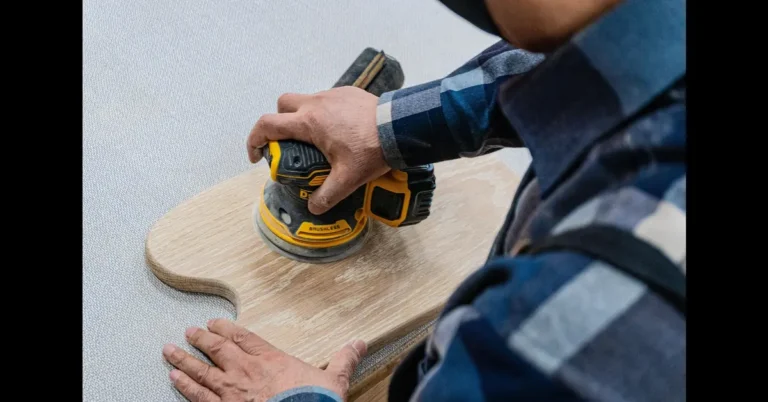
That said, a few sensible precautions still apply. Wear a dust mask and gloves when cutting or sanding it, since the sawdust carries trace amounts of the preservative. Wash your hands before eating after handling it. Never burn treated wood scraps in a fireplace, wood stove, or burn pile — concentrated combustion of the preservative chemicals produces toxic smoke and ash. And if you’re building a raised garden bed, most extension services consider modern ACQ-treated wood acceptable, but if you want zero risk of any leaching into edible soil, line the interior with heavy plastic sheeting as a barrier.
Best Uses for Yellow Pressure-Treated Wood
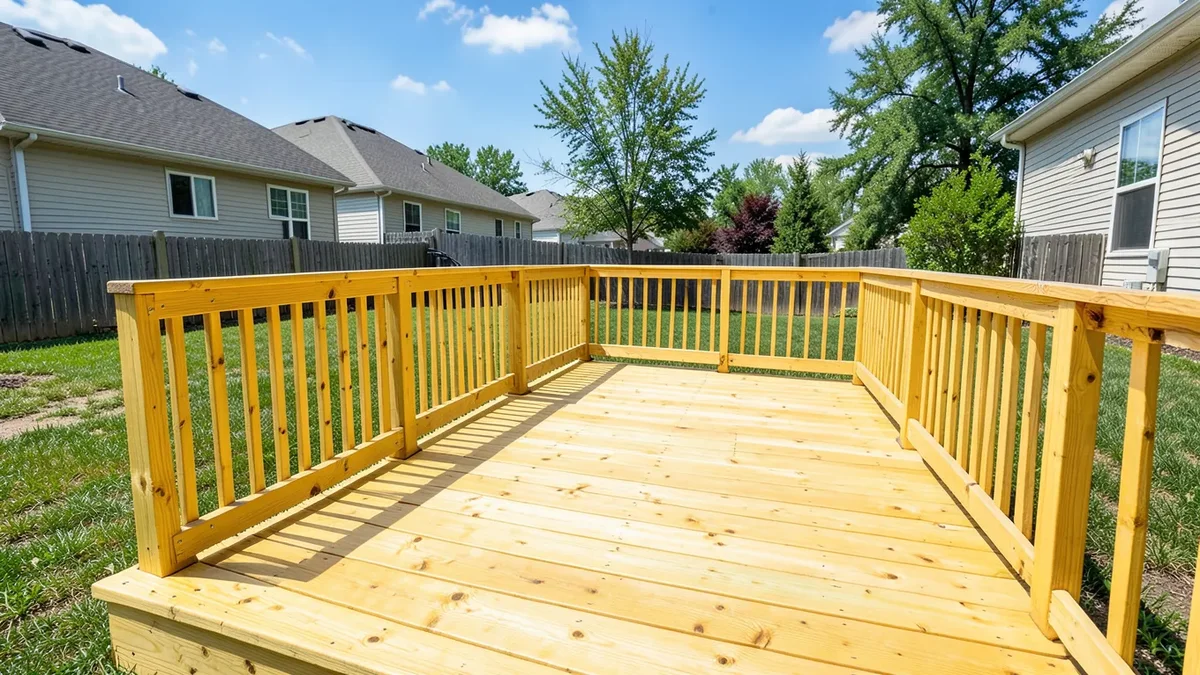
Decking, fence posts and rails, pergolas, raised garden bed frames, and outdoor stair stringers are all standard applications, provided you match the retention rating to the exposure (ground contact versus above-ground, as covered earlier). It also holds up well for exterior framing on porches and sheds where the wood will see rain and humidity but isn’t buried.
It’s a poor choice for interior furniture or anywhere it will be in prolonged contact with skin and food without a sealed finish, mainly because the wood is manufactured and priced for exterior exposure, not indoor air quality or appearance consistency. If you want that warm yellow-pine look indoors, you’re better off with untreated Southern Yellow Pine or a comparable species finished with a food-safe indoor sealer.
How to Seal or Stain It Without Ruining the Color You Want
New pressure-treated wood, even KDAT stock, usually still carries enough surface moisture that stain won’t absorb evenly right away. Do a simple water-bead test before finishing: sprinkle a few drops of water on the surface. If it beads up, the wood is still too wet to stain. If it soaks in within a minute or two, it’s ready — that’s typically anywhere from a few weeks to a couple of months after installation, depending on your climate and whether the lumber was KDAT (which dries faster) or wet-treated.
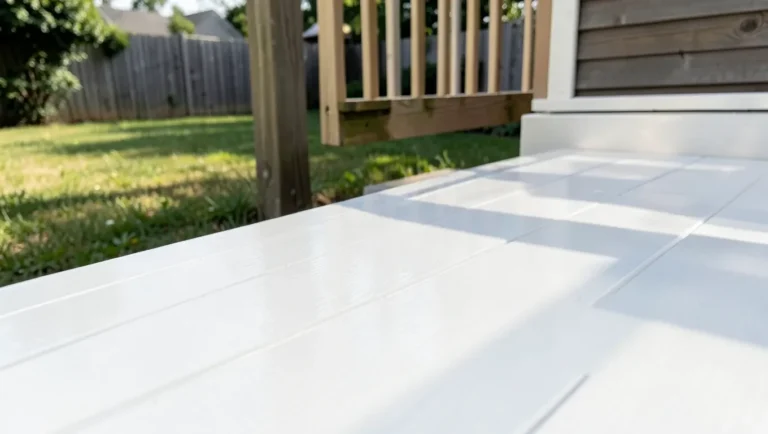
If you like the natural yellow-tan tone, a transparent or semi-transparent penetrating sealer lets the existing color show through while blocking UV and moisture — a solid-color stain will fully hide it instead. Either way, plan to reapply every one to three years depending on sun exposure; a south-facing deck will need it more often than a shaded one.
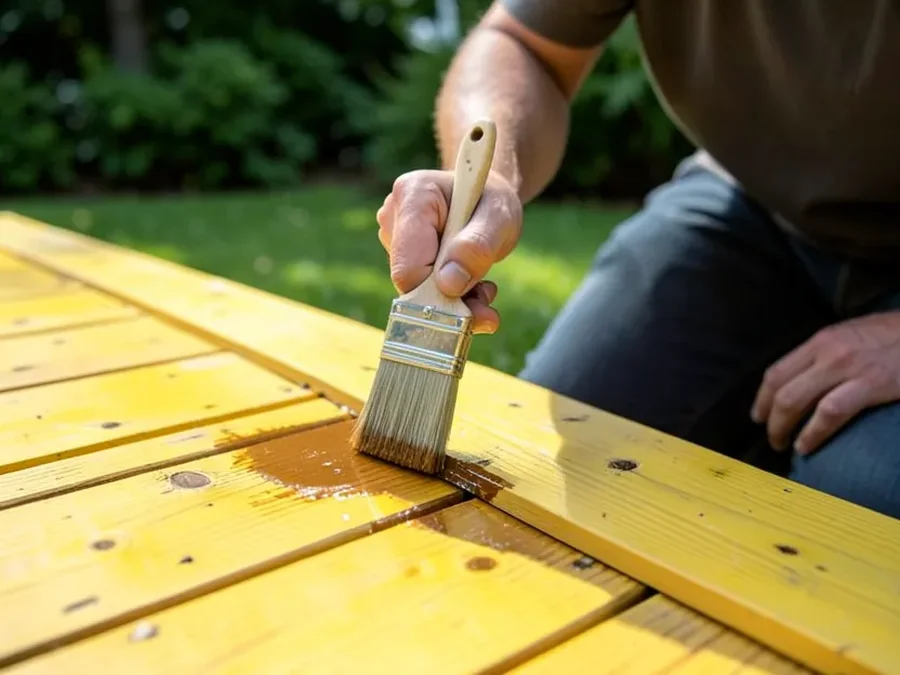
Installation Tips for Working With Yellow Pressure-Treated Wood
The one detail that trips up a lot of first-time deck builders: fastener compatibility. Because the copper in ACQ and CA-B preservatives is corrosive to plain steel and standard electro-galvanized fasteners, you need hot-dip galvanized (G185 or higher) or stainless-steel nails, screws, and structural connectors. Using the wrong hardware won’t show a problem immediately, but it can corrode and stain the wood, or fail structurally, within a few years.
Beyond that, treat it like any other framing lumber: check the weather before you start (wet boards are heavier and can warp slightly as they finish drying), confirm the ground or ledger attachment point is level before you cut anything, and always wear eye protection when cutting — PT lumber’s higher density compared to untreated pine means it kicks up more debris at the saw.
Common Discoloration Problems (and How to Fix Them)
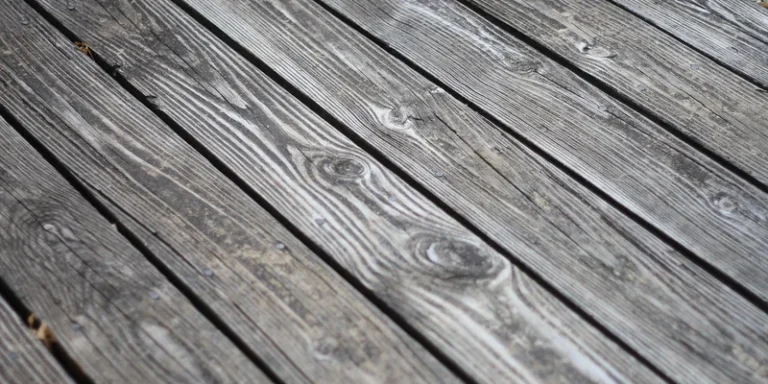
Left unsealed, both yellow and green PT wood will eventually turn a dull silvery gray. That’s UV light breaking down the lignin in the surface wood fibers, and it’s purely cosmetic — a deck cleaner and brightener (usually an oxalic-acid-based product) followed by a fresh coat of sealer will restore much of the original tone.
Black or green speckling is a different problem: mold or mildew growing on trapped moisture and pollen, most common in humid climates or shaded areas with poor airflow underneath the deck. A wash with a mildewcide-based deck cleaner (not just bleach, which can lighten the wood unevenly) handles this without needing to resand.
Blotchy, uneven stain absorption almost always traces back to staining before the wood was actually dry enough — re-run the water-bead test from the section above before your next coat, and consider a hand-sanding pass first if the surface has already sealed itself with mill glaze.
Frequently Asked Questions
What Causes Pressure-Treated Wood to Turn Yellow?
Kiln-drying after treatment (KDAT) is the most common cause — it removes moisture and lets the pine’s natural pale color show through the copper-based preservative. A few brands also add a light amber dye as a visual identifier. Either way, it’s not a different or weaker treatment than green PT lumber.
Is Yellow Pressure-Treated Wood the Same as Green Pressure-Treated Wood?
Functionally, yes, in almost all cases. Both typically use the same copper-based preservative chemistry (ACQ or CA-B); the color difference comes from drying method and moisture content at the mill, not the level of rot and insect protection. Always check the retention rating on the end tag rather than judging protection by color.
How Long Should I Wait Before Staining Yellow Pressure-Treated Wood?
Run the water-bead test rather than going by a fixed number of weeks. If water sprinkled on the surface beads up, it’s still too wet; if it absorbs within a minute or two, it’s ready. KDAT lumber often reaches that point in a few weeks; wet-treated lumber can take a couple of months depending on your climate.
Is Yellow Pressure-Treated Wood Safe for Garden Beds?
Modern ACQ and CA-B treated lumber is considered acceptable for raised garden beds by most extension services, since it no longer uses the arsenic-based CCA formula phased out in the early 2000s. If you want extra peace of mind around edible plants, line the inside of the bed with heavy plastic sheeting so the soil never directly contacts the wood.
How Long Does Yellow Pressure-Treated Wood Last?
Expect 15 to 20+ years for properly rated and maintained lumber, matching green PT wood’s typical lifespan. The biggest factors are matching the retention rating to ground contact versus above-ground use, using corrosion-resistant fasteners, and resealing every one to three years to prevent surface checking and moisture intrusion.
Conclusion
Yellow pressure-treated wood isn’t a mystery grade or a warning sign — it’s almost always the result of kiln-drying after treatment letting the pine’s natural color show through, occasionally combined with a brand-specific tint. The chemistry protecting it against rot and insects is the same copper-based treatment used in green PT lumber, so judge a board by its end-tag retention rating and use case, not its color.
Match the retention rating to ground contact or above-ground use, use hot-dip galvanized or stainless fasteners, let it dry before staining, and reseal on a regular schedule. Do that and yellow PT lumber will perform exactly like its greener counterpart for a couple of decades.
Sponsored / affiliate links. As an Amazon Associate I earn from qualifying purchases. I may earn additional commission from eligible campaigns.