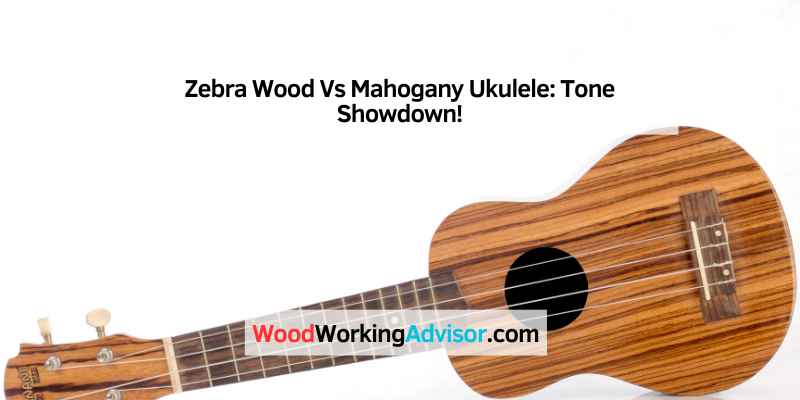
Zebra Wood Vs Mahogany Ukulele: Tone Showdown!
Zebra wood offers a bright, punchy tone, while mahogany delivers a warm, rich sound. Each wood type brings unique aesthetic and acoustic qualities to ukuleles.
Choosing the right ukulele involves understanding the differences between zebra wood and mahogany. Zebra wood stands out with its striking grain patterns and bright tone, making it popular among players who seek clarity and projection. On the other hand, mahogany is cherished for its warm, mellow sound and beautiful reddish hue, appealing to those who prefer a softer, rounded tone.
Both woods have their own distinct advantages, influencing playability and sound. Your choice ultimately depends on your musical style and aesthetic preferences. Exploring these options can help you find the perfect instrument for your needs.
Introduction To Zebra Wood And Mahogany Ukuleles
Ukuleles made from Zebra Wood and Mahogany each offer unique sounds and visuals. Choosing between them can be tough. Each wood type has its own character and charm.
Distinctive Features Of Zebra Wood
Zebra Wood is known for its striking appearance and vibrant sound. Here are some of its key features:
- Visual Appeal: Zebra Wood has dark stripes that resemble a zebra’s coat.
- Sound Quality: It produces a bright and resonant tone.
- Durability: This wood is strong and resistant to wear.
- Weight: It is relatively lightweight, making it easy to handle.
Characteristics Of Mahogany
Mahogany is a classic choice for many instruments, including ukuleles. Its characteristics make it highly sought after:
| Feature | Description |
|---|---|
| Warm Tone | Mahogany provides a rich, warm sound. |
| Stability | This wood is stable and resists warping. |
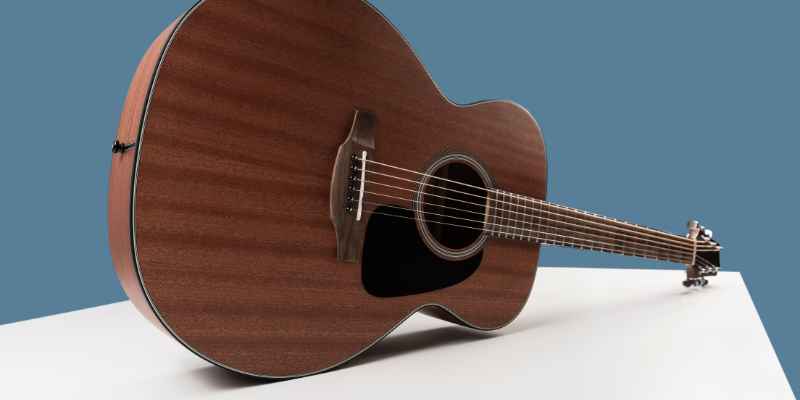
| Color | Mahogany has a beautiful reddish-brown hue. |
| Weight | It is slightly heavier than Zebra Wood. |
Both woods have unique qualities. Choosing one depends on personal preference and playing style.

Historical Context Of Ukulele Woods
The choice of wood in ukulele making has a rich history. Different woods affect sound quality and aesthetics. Two popular types are Zebra Wood and Mahogany. Each wood offers unique characteristics and stories. Understanding their historical context enhances appreciation for these instruments.
Evolution Of Ukulele Craftsmanship
Ukulele craftsmanship has changed over time. Early ukuleles used local woods like Koa. As demand grew, other woods entered the market.
- Koa: Traditional Hawaiian wood.
- Zebra Wood: Gained popularity for its striking appearance.
- Mahogany: Known for its warm sound.
The evolution reflects a blend of tradition and innovation. Craftsmen experiment with different woods to create unique sounds.
Popularity Trends In Wood Selection
Wood selection trends shift with time and taste. Certain woods become more favored due to their properties.
| Wood Type | Characteristics | Popularity Period |
|---|---|---|
| Zebra Wood | Visually appealing; bright sound | 21st Century |
| Mahogany | Warm tone; rich color | Mid-20th Century |
Players choose woods based on sound and style. Zebra Wood appeals to those seeking visual impact. Mahogany attracts musicians wanting deep, warm tones.
Understanding these trends helps players select their ideal instrument. The wood affects not just sound but also the overall experience.
Physical Properties Affecting Tone
The type of wood used in a ukulele significantly impacts its sound. Understanding these physical properties helps players choose the right instrument. Two popular woods are Zebra Wood and Mahogany. Each wood has unique characteristics that shape the overall tone.
Density And Resonance
Density plays a crucial role in determining a ukulele’s resonance. Higher density woods produce brighter tones. Lower density woods create warmer, softer sounds. Here’s how Zebra Wood and Mahogany compare:
| Wood Type | Density (g/cm³) | Resonance Characteristics |
|---|---|---|
| Zebra Wood | 0.74 | Bright, clear tones |
| Mahogany | 0.50 | Warm, mellow tones |
Zebra Wood’s higher density gives it a brighter sound. Mahogany’s lower density offers warmth and depth. Both woods provide unique tonal qualities.
Grain Patterns And Sound Quality
The grain patterns in wood affect how sound waves travel. Different patterns resonate differently, influencing sound quality. Here’s a breakdown:
- Zebra Wood:
- Striped pattern enhances brightness.
- Great for rhythmic strumming.
- Mahogany:
- Straight grain offers rich, warm tones.
- Ideal for fingerstyle playing.
Grain patterns directly correlate with a ukulele’s sound. Choose the wood that matches your style. Enjoy the unique tones each wood brings.
Zebra Wood Ukuleles: A Deep Dive
Zebra wood ukuleles offer unique features. They stand out with distinct looks and rich sounds. This section explores their tonality, sound projection, and durability.
Tonality And Sound Projection
Zebra wood produces a bright, clear tone. It enhances high frequencies while maintaining warmth. This wood resonates well, making it perfect for strumming and fingerpicking.
- Bright tone: Clear and crisp sound.
- Warmth: Balanced richness across notes.
- Sound projection: Excellent volume and reach.
Many musicians prefer zebra wood for its vibrant sound. It works well for various music styles, from traditional to modern. Players appreciate its ability to project sound effectively.
Aesthetic Appeal And Durability
Zebra wood has a striking appearance. Its bold, contrasting stripes make each ukulele unique. This visual appeal attracts many players and collectors.
| Feature | Description |
|---|---|
| Color: | Light golden brown with dark stripes. |
| Texture: | Smooth, fine grain for a comfortable feel. |
| Durability: | Resistant to wear and tear. |
Durability is another key benefit. Zebra wood withstands humidity and temperature changes. This resilience ensures longevity, making it a smart investment.
Many players love the combination of looks and sound. Zebra wood ukuleles not only perform well but also look stunning. They stand out in any collection.
Mahogany Ukuleles: Richness And Warmth
Mahogany ukuleles are known for their rich sound and warm tones. This wood type brings a unique character to each instrument. Players appreciate its deep resonance and smooth playability.
Tonal Warmth And Sustain
Mahogany ukuleles produce a full-bodied sound. The tonal warmth is unmatched. Here are some key features:
- Warmth: Produces mellow, rich tones.
- Sustain: Notes linger longer, enhancing sound depth.
- Versatility: Suitable for various music styles.
Many musicians love the balanced sound. It works well for strumming and fingerpicking. Mahogany enhances the overall musical experience.
Impact Of Age On Mahogany Tone
The age of mahogany affects its sound quality. As it ages, the wood matures. This process leads to richer tones.
| Age of Mahogany | Sound Characteristics |
|---|---|
| New | Bright, punchy, and less complex |
| 5-10 Years | More warmth, improved resonance |
| 10+ Years | Deep, rich tones, excellent sustain |
Older mahogany ukuleles provide a distinct sound. Musicians often seek these instruments for their unique character. The aging process creates a richness that newer ukuleles may lack.
Comparative Analysis: Sound And Playability
Choosing between Zebra Wood and Mahogany ukuleles involves understanding their sound and playability. Each wood type offers unique characteristics that appeal to different players. This analysis highlights key factors that influence your choice.
Volume And Clarity
The volume and clarity of sound vary between Zebra Wood and Mahogany. Here’s a quick comparison:
| Wood Type | Volume | Clarity |
|---|---|---|
| Zebra Wood | Higher volume with a bright tone | Clear and crisp sound |
| Mahogany | Moderate volume with warmth | Rich and smooth sound |
Zebra Wood produces a louder sound. It resonates well for lively performances. The brightness of its tone captures attention. In contrast, Mahogany offers a warmer sound. It excels in softer, mellow music.
Response To Different Playing Styles
Different woods respond uniquely to playing styles. Here’s how they compare:
- Zebra Wood
- Great for strumming and fingerpicking.
- Responds quickly to aggressive playing.
- Mahogany
- Ideal for gentle strumming.
- Perfect for soft melodies and chords.
Zebra Wood suits energetic players. It enhances dynamic strumming. Mahogany caters to calm styles. Its smooth response invites soft, melodic playing. Each wood type complements various musical expressions.
User Experiences And Preferences
The choice between Zebra Wood and Mahogany ukuleles often comes down to user experiences and preferences. Players at different skill levels share their insights on both types of wood. Their feedback helps others make informed decisions.
Professional Musicians’ Insights
Professional musicians often prefer specific woods based on sound quality. Here’s what they have to say:
- Sound Projection: Zebra wood offers bright, clear tones.
- Warmth: Mahogany provides a warm, rich sound.
- Durability: Zebra wood is harder and more resistant to wear.
- Appearance: Zebra wood has striking patterns, appealing to many.
Musicians also mention:
| Wood Type | Common Use | Sound Characteristic |
|---|---|---|
| Zebra Wood | Performance | Bright and resonant |
| Mahogany | Recording | Warm and mellow |
Amateur Players’ Reviews
Amateur players also share valuable experiences. Their preferences often reflect personal style:
- Ease of Play: Many find Mahogany easier to play.
- Cost: Zebra wood ukuleles can be pricier.
- Versatility: Mahogany suits various music styles.
- Weight: Zebra wood ukuleles may feel heavier.
Feedback from amateurs includes:
- Maintenance: Mahogany requires less upkeep.
- Tone Preference: Some love Zebra wood’s bright sound.
- Visual Appeal: Zebra wood attracts many beginners.
Care And Maintenance For Longevity
Proper care extends the life of your ukulele. Both Zebra Wood and Mahogany require attention. Understanding their needs helps maintain their sound and appearance. Here are essential tips for keeping your ukulele in top shape.
Humidity And Temperature Effects
Humidity and temperature significantly impact wood instruments. Zebra Wood and Mahogany respond differently to these factors.
| Wood Type | Humidity Levels | Temperature Range |
|---|---|---|
| Zebra Wood | 40-60% Ideal | 65-75°F Ideal |
| Mahogany | 45-55% Ideal | 65-80°F Ideal |
Excess humidity can cause warping. Low humidity may lead to cracks. Always use a hygrometer to monitor levels.
Best Practices For Wood Care
Follow these best practices for maintaining your ukulele:
- Keep It Clean: Wipe down with a soft cloth.
- Avoid Direct Sunlight: Store in a case away from sunlight.
- Use a Humidifier: Keep humidity stable in dry conditions.
- Check for Cracks: Inspect regularly for damage.
- Use Proper Strings: Choose strings designed for your wood type.
Regular maintenance ensures your ukulele sounds great. Treat it well for years of enjoyment.
Making The Choice: Which Ukulele Suits You?
Choosing between a Zebra Wood and Mahogany ukulele can be tough. Each wood type offers unique sounds and aesthetics. Understanding your needs is key to making the right choice.
Considerations For Beginners
Beginners often seek an instrument that is easy to play. Here are some factors to consider:
- Sound Quality: Mahogany gives a warm, rich tone.
- Weight: Zebra wood is often lighter, making it easy to handle.
- Price: Mahogany ukuleles are usually more affordable.
- Durability: Both woods are sturdy but Zebra wood has a unique resistance to wear.
Try both types before deciding. Feel the difference in weight and sound.
Investment Value For Enthusiasts
For enthusiasts, the choice often hinges on sound and aesthetics. Both woods have distinct characteristics:
| Feature | Zebra Wood | Mahogany |
|---|---|---|
| Sound Projection | Bright and punchy | Warm and mellow |
| Visual Appeal | Striking grain patterns | Classic, rich color |
| Resale Value | High demand for unique models | Stable value over time |
Investing in a quality ukulele can enhance your playing experience. Consider your personal style and long-term goals.
Conclusion: The Future Of Ukulele Woods
The choice of wood impacts the sound and quality of ukuleles. As the music industry evolves, so does the need for innovative materials. Let’s explore the future of ukulele woods by focusing on two main aspects: innovation and sustainability.
Innovation In Material Use
New materials are changing the ukulele landscape. Traditional woods like zebra wood and mahogany remain popular. Yet, alternatives are emerging. Here are some innovative materials:
- Laminate Woods: Durable and affordable.
- Composite Materials: Resistant to humidity and temperature changes.
- Synthetic Woods: Eco-friendly and consistent in quality.
These materials can enhance sound quality. They also increase the instrument’s lifespan. Players benefit from improved performance and durability.
Sustainability And Wood Sourcing
Sustainability is crucial for the future of ukulele woods. Over-harvesting can harm forests. Responsible sourcing helps protect the environment. Here are key points about sustainable wood sourcing:
| Wood Type | Sustainability Rating | Usage |
|---|---|---|
| Zebra Wood | Moderate | High-quality instruments |
| Mahogany | Low | Traditional ukuleles |
| Laminate | High | Budget-friendly options |
Choosing sustainable woods can make a difference. Musicians can support eco-friendly practices. Responsible choices create a positive impact on our planet.
Frequently Asked Questions
What Are The Main Differences Between Zebra Wood And Mahogany?
Zebra Wood is known for its striking striped appearance and brighter tonal qualities. In contrast, Mahogany offers a warm, rich sound with a smoother finish. The choice depends on your aesthetic preference and desired sound characteristics for your ukulele.
Which Wood Is Better For Ukulele Sound?
Zebra Wood typically produces a brighter, more articulate tone, making it ideal for fingerstyle playing. Mahogany, on the other hand, is favored for its warmer, mellower sound, which suits strumming. Your choice should reflect your playing style and musical preferences.
How Does Zebra Wood Affect Ukulele Tone?
Zebra Wood contributes a bright, crisp sound with pronounced highs and clear articulation. This wood resonates well, enhancing sustain and projection. If you enjoy a lively tone with complexity, Zebra Wood is an excellent option for your ukulele.
Is Mahogany More Durable Than Zebra Wood?
Mahogany is generally more durable and resistant to wear than Zebra Wood. Its solid structure helps withstand changes in humidity and temperature. For long-lasting performance, Mahogany ukuleles often prove to be a reliable choice.
Conclusion
Choosing between zebra wood and mahogany for your ukulele ultimately depends on your personal preference. Each wood offers unique tonal qualities and aesthetics. Zebra wood provides a bright, vibrant sound, while mahogany delivers warmth and depth. Consider your playing style and sound preference to make the best choice for your musical journey.