Rosewood vs Mahogany: Janka Hardness, Tone & CITES Rules
Rosewood measures roughly 2,440 Janka lbf against mahogany’s 800 to 900 lbf — harder, heavier, and pricier per board foot, except in finished goods, where a 2019 CITES amendment exempts most rosewood products under 10kg from import permits. Picking wrong means overpaying for durability a project doesn’t need, or a wood that dents under normal use. This guide compares their hardness, grain, tone, legal status, and cost for furniture or instruments.
Quick Answer
Choose mahogany for furniture on a budget — cheaper, easier to work, and stable. Choose rosewood for statement pieces where density and streaked color justify 2-4× the cost. For guitars, mahogany gives a warm midrange tone; rosewood gives a brighter, bassier tone with more overtones. Both are legal to buy finished.
Rosewood vs Mahogany: Hardness and Density Compared
Best Wood Sample Pack Pick
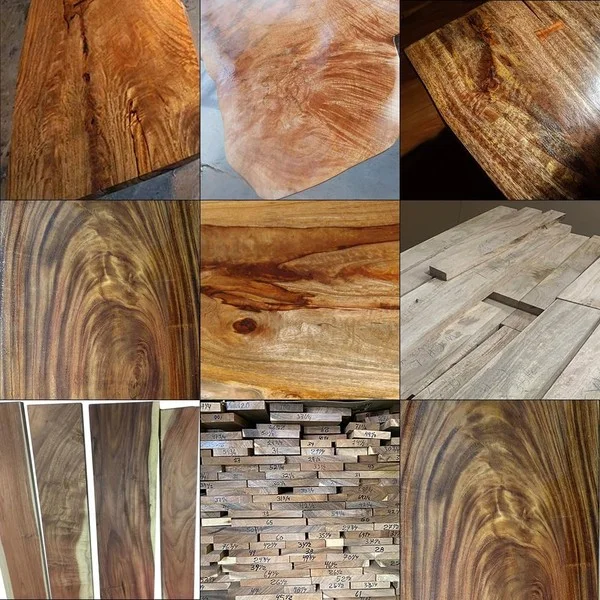 |
25 lb Exotic Hardwood Sample Pack (Mahogany, Rosewood & More) – $49.00 Includes real cutoffs of mahogany and dalbergia rosewood species alongside other exotics — a practical way to compare weight, grain, and workability yourself before committing to a full board of either wood.
|
Janka hardness measures how much force it takes to embed a steel ball halfway into a wood sample — the higher the number, the more resistant the wood is to dents and wear. East Indian rosewood (Dalbergia latifolia) tests at approximately 2,440 lbf, and Madagascar rosewood reaches roughly 2,720 lbf. Genuine Honduran mahogany (Swietenia macrophylla) tests far softer, at 800 to 900 lbf — closer to black walnut (1,010 lbf) than to rosewood.
| Property | Rosewood | Mahogany | Best For |
|---|---|---|---|
| Janka hardness | ~2,440–2,720 lbf | ~800–900 lbf | Rosewood: high-wear surfaces |
| Density | ~53 lb/ft³ | ~34–40 lb/ft³ | Mahogany: lighter furniture & instruments |
| Typical cost/board ft | $25–$60+ | $8–$20 | Mahogany: budget projects |
| Workability | Dense, dulls blades faster | Cuts and carves easily | Mahogany: hand tools |
Because rosewood’s density resists dents and scratches, it’s often specified for tabletops, jewelry boxes, and instrument backs that see daily handling. Mahogany’s lower density makes it easier to carve, plane, and shape by hand — one reason it remains the standard choice for guitar necks and traditional furniture frames. If you’re weighing either wood against other species, our wood species guide breaks down hardness and cost for over a dozen common hardwoods.
Grain, Color, and Appearance
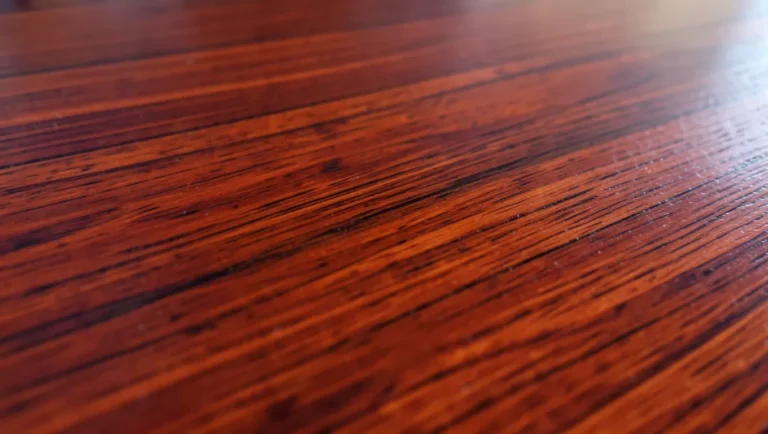
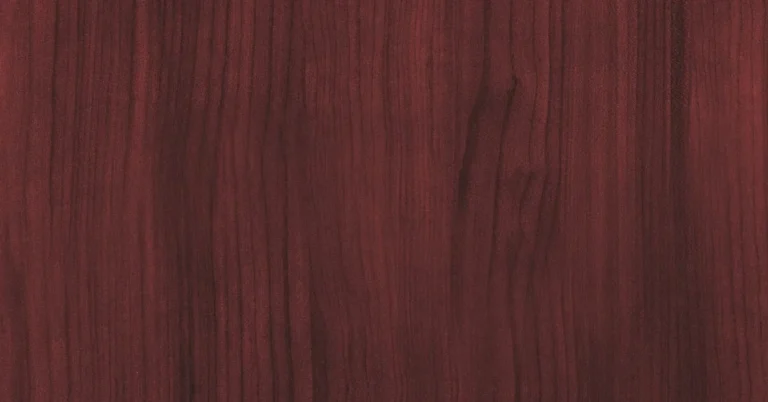
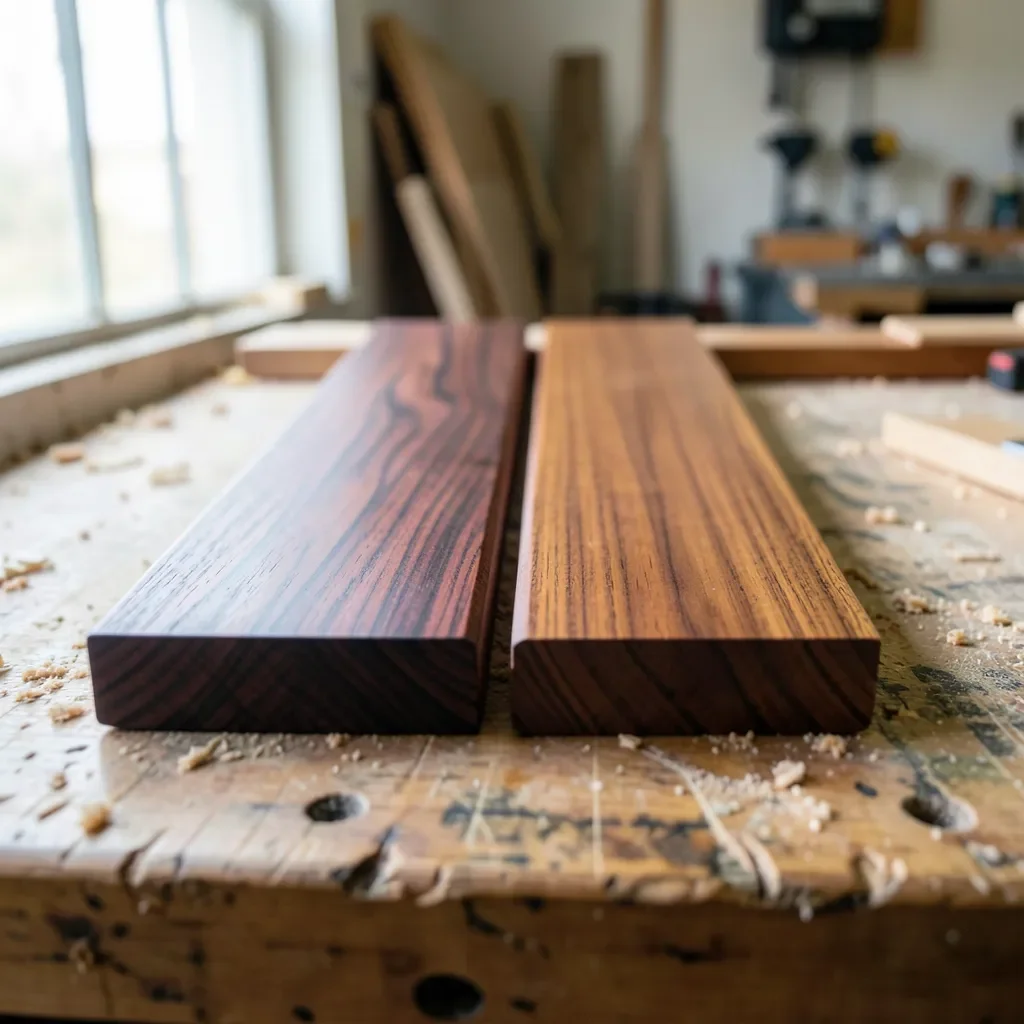
Rosewood’s heartwood ranges from deep chocolate brown to near-black, often marked with dramatic purple or reddish streaks running through a straight-to-wavy grain. Mahogany trends more uniform: a warm reddish-brown color with a straight, fine, consistent grain and minimal figure. African mahogany, a common substitute for genuine Honduran mahogany, shows slightly more grain variation but keeps the same reddish-brown base tone.
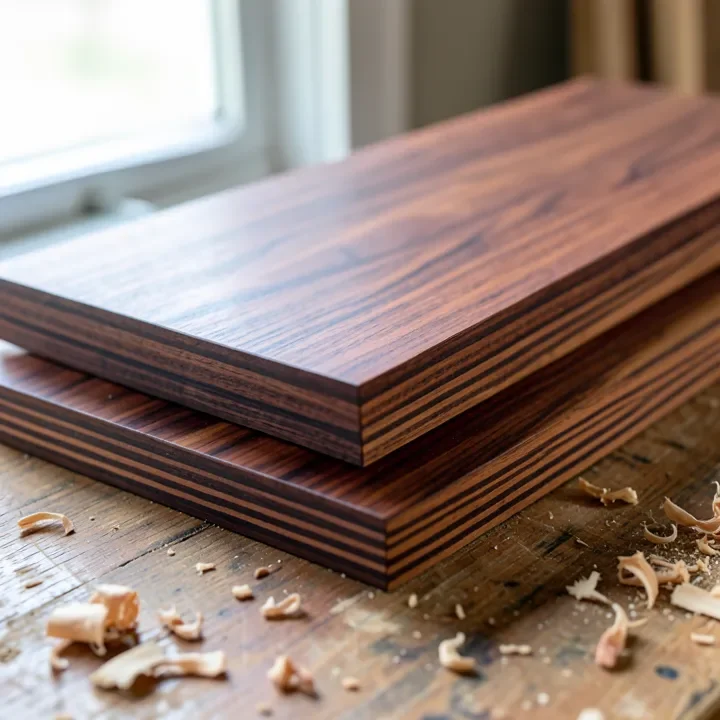
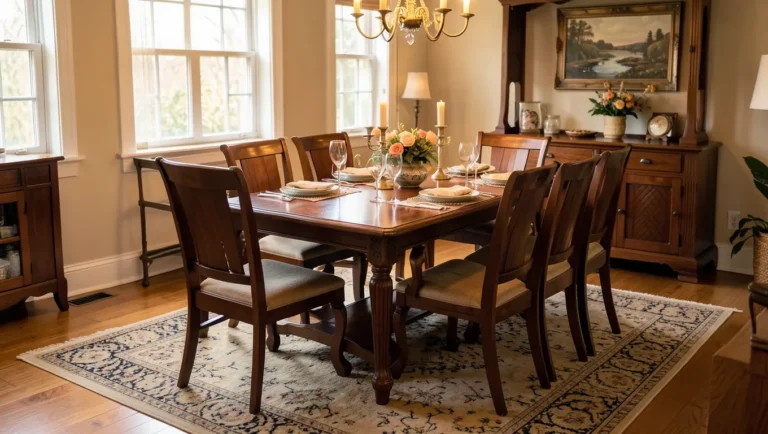
For furniture makers, rosewood’s streaking reads as a premium, one-of-a-kind material — exactly why it shows up in inlays, accent pieces, and high-end cabinetry rather than full carcasses. Mahogany’s consistency is the opposite kind of asset: it matches predictably across a large project, which is why it remains a staple for dining tables, doors, and boat interiors.
Which Sounds Better for Guitars? Tone Compared
Mahogany produces a warm, midrange-focused tone with a fast, direct response — the reason many guitars built for blues and folk lean on it for backs, sides, and necks. Rosewood is brighter and bassier, and its higher density lets it develop complex overtones as the instrument ages, which is why bluegrass and fingerstyle players often prefer rosewood back-and-side guitars.
Does Rosewood or Mahogany Sound Better for Acoustic Guitars?
Neither is objectively better — it depends on the music. Rosewood’s wider frequency response suits fingerstyle and bluegrass playing, where separation between bass and treble notes matters. Mahogany’s focused midrange projects better in a full band mix, which is why blues and folk players favor it. If you’re building or buying specifically for guitar tone, see our breakdown of whether mahogany is a good guitar wood or how it compares to ash as a guitar body wood.
Is Rosewood Illegal? The 2019 CITES Rule Explained
All Dalbergia species (rosewood) except Brazilian rosewood were added to CITES Appendix II in 2017, which briefly made even finished rosewood guitars subject to import and export permits — a rule that confused musicians and woodworkers alike. That changed on November 26, 2019: CITES revised Annotation #15 to exempt finished musical instruments, finished instrument parts, and finished products containing under 10kg of rosewood per shipment from permit requirements entirely. Raw lumber, logs, sawn boards, and furniture over that 10kg threshold still require a CITES permit to import or export.
📊 CITES no longer requires a permit for finished rosewood guitars or products under 10kg of rosewood per shipment (as of Nov. 26, 2019). — Source: NAMM.org, 2019
Cost and Where Each Wood Is Used
Rosewood typically runs $25 to $60+ per board foot depending on species and figure, reflecting both its density and increasingly limited legal supply. Mahogany runs closer to $8 to $20 per board foot for genuine Honduran or African mahogany, making it the more accessible choice for full furniture builds.
- Rosewood shows up most in: guitar and piano backs/sides, fine furniture accents and inlays, cutting boards and small turned items, and flooring borders.
- Mahogany is the workhorse choice for: dining tables and cabinetry, doors and window frames, boat interiors, and guitar necks and bodies.
Which Should You Choose: Furniture or Instrument Project?
For a full furniture piece on a budget, mahogany is the more practical choice — it machines easily, finishes evenly, and costs a fraction of what rosewood does per board foot. Reach for rosewood only when the project genuinely benefits from its extra density: a tabletop that takes daily abuse, an heirloom piece where the streaked grain is the whole point, or an instrument where the brighter, bassier tone is specifically what you’re after.
“Rosewood’s density is a real advantage for anything that gets handled daily — a jewelry box lid or a tabletop edge holds up to dings far better than mahogany. For a full dining table, though, that extra hardness mostly just means more time spent resharpening blades.”
Frequently Asked Questions
Is Rosewood More Expensive Than Mahogany?
Yes. Rosewood generally costs $25 to $60 or more per board foot versus $8 to $20 for mahogany, because of its density, slower growth rate, and CITES-related supply restrictions.
Can You Still Buy Rosewood Guitars Legally?
Yes. Since the November 2019 CITES amendment, finished rosewood guitars and instrument parts are exempt from import and export permits entirely; only raw rosewood lumber and shipments over 10kg require paperwork.
Which Is Darker, Rosewood or Mahogany?
Rosewood is generally darker, with deep brown to near-black tones and purple streaks. Mahogany stays in a lighter, more uniform reddish-brown range.
Is Mahogany or Rosewood Better for Furniture?
Mahogany is better for most furniture: it costs roughly a third as much, machines more easily, and its consistent grain matches well across a large piece. Rosewood works best for accents, inlays, or small pieces where its density and streaked color are worth the premium.
How Do You Tell Mahogany From Rosewood?
Mahogany is reddish-brown with a straight, fine grain and feels smoother. Rosewood is darker, denser, and heavier, often with purple or black streaks running through the grain.
Conclusion
Rosewood and mahogany solve different problems: rosewood’s extra hardness and density earn their premium price on pieces that take daily wear or need a distinctive streaked grain, while mahogany’s lower cost, easier workability, and consistent color make it the practical default for full furniture builds and guitar necks. The 2019 CITES exemption means legality isn’t a real obstacle for finished goods of either wood — so the choice comes down to budget, tool wear, and the tone or look you actually want.
Sponsored / affiliate links. As an Amazon Associate I earn from qualifying purchases. I may earn additional commission from eligible campaigns.