10In Miter Saw Vs 12In: Which One Is Right for Your Projects?
A 10-inch miter saw is lighter, cheaper, and handles most trim, molding, and everyday framing lumber; a 12-inch saw buys you extra crosscut width and cutting depth for wider boards and thick stock. The real myth worth clearing up first: a 12-inch saw isn’t necessarily “more powerful” in a motor sense — many 10″ and 12″ saws share the same 15-amp motor. What the bigger blade actually buys you is more cutting capacity, not more raw power.
Key Features Of 10-Inch Miter Saws
Best For Most Home Trim and Framing Work
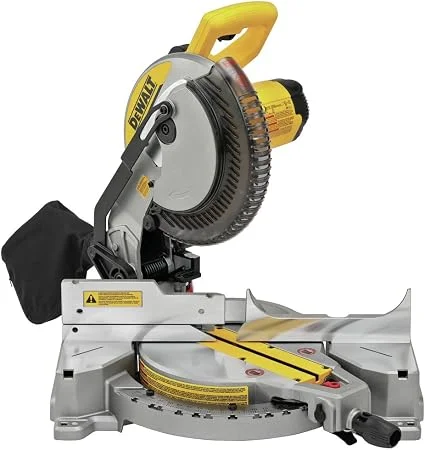 |
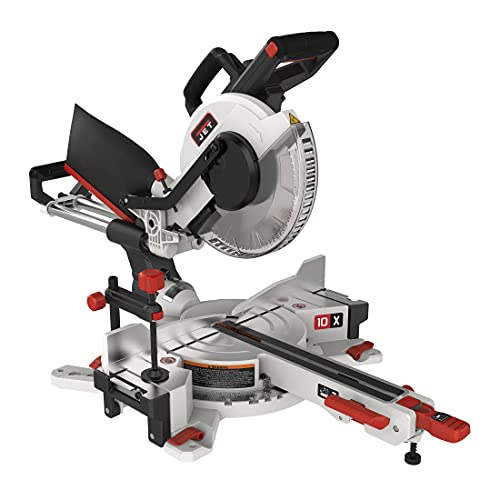
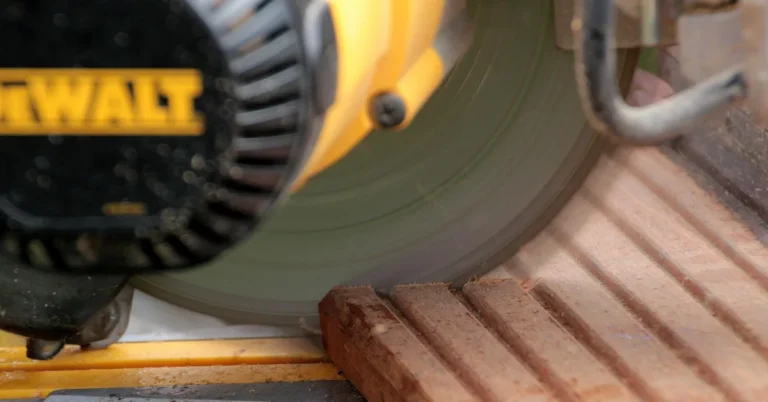
DEWALT DWS713 10-Inch Compound Miter Saw – $262.99 The size most hobbyists and homeowners actually need — light enough to move between jobs, with plenty of capacity for trim, molding, and 2x lumber.
|
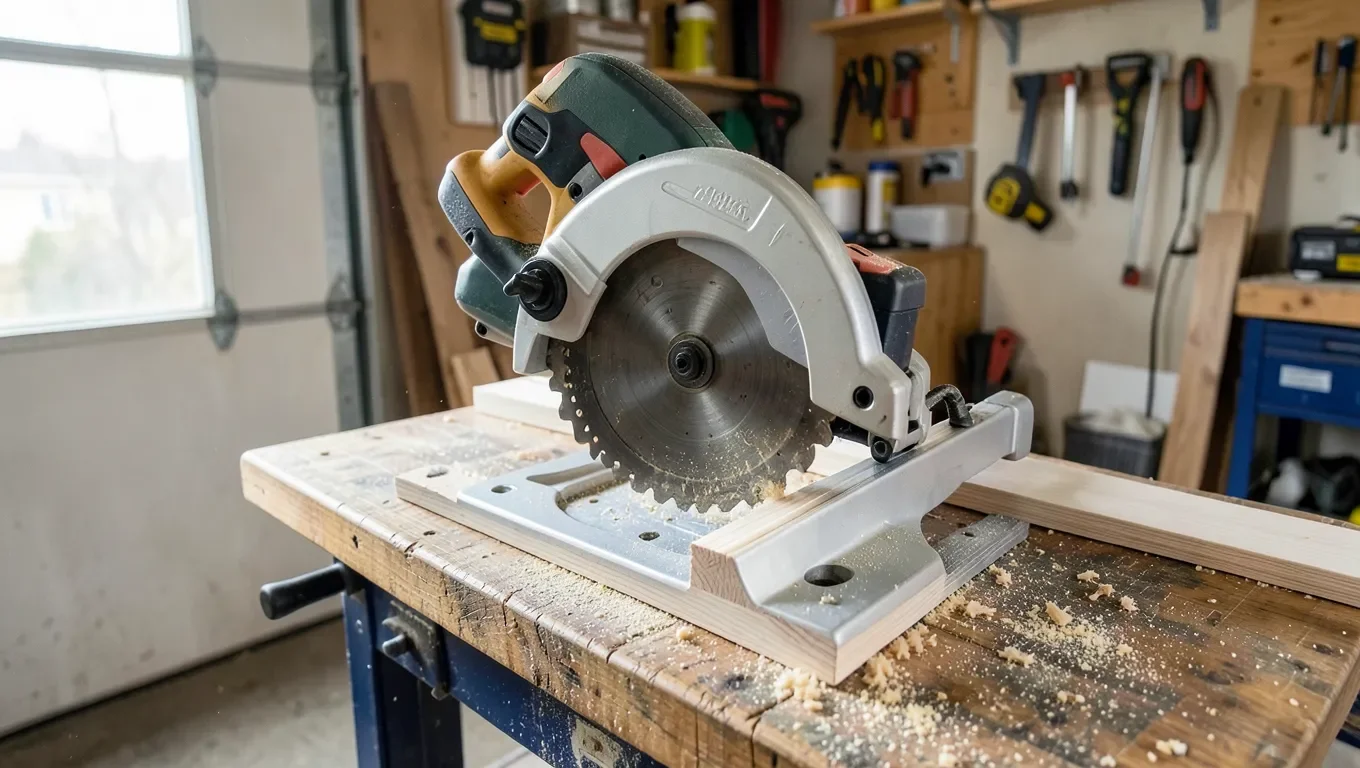
A 10-inch miter saw crosscuts wood up to roughly 6 inches wide (non-sliding) and cuts about 3-3.5 inches deep — enough for trim, molding, and most 2x framing lumber. It typically weighs around 30 pounds, making it realistic to carry between a shop and a job site, and it uses smaller, cheaper blades than a 12-inch saw.
Key Features Of 12-Inch Miter Saws
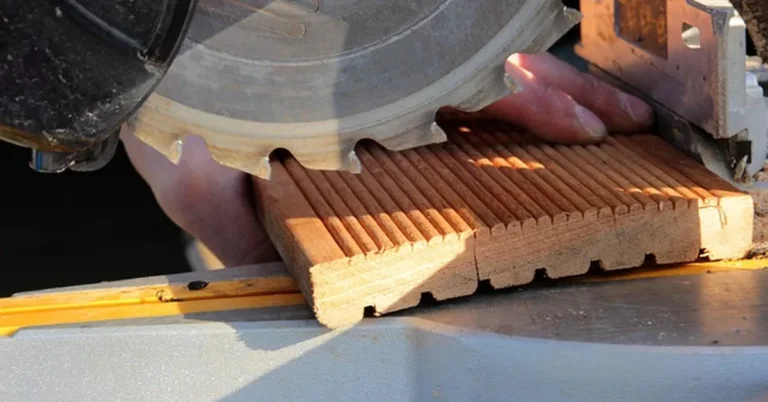
A 12-inch blade gives you more crosscut width and cutting depth for the same non-sliding design — useful for wider boards, thicker stock, and deck or framing lumber that a 10-inch blade can’t get through in one pass. The saw itself is also heavier and generally built with a bit more mass for stability during those bigger cuts, which is a real durability advantage, separate from the motor-power myth.
The Sliding vs. Non-Sliding Factor Most Comparisons Skip
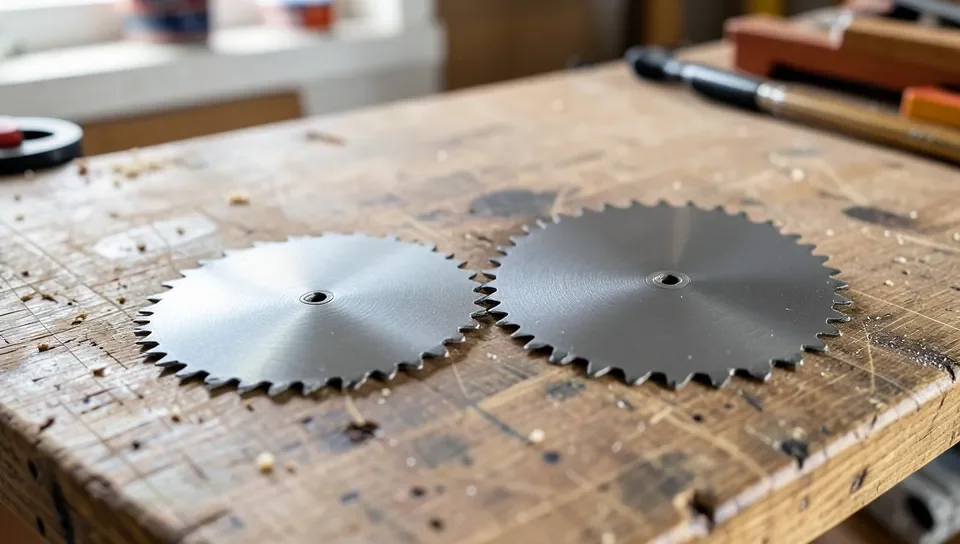
Blade size isn’t the only thing that determines crosscut width — whether the saw slides matters just as much, and most 10-vs-12 comparisons leave this out entirely. A 10-inch sliding compound miter saw can often crosscut wider boards than a 12-inch non-sliding saw, because the sliding rails let the blade travel forward through the material instead of just pivoting down into it. If wide crosscuts are your actual priority — say, cutting deck boards or wide trim — look at sliding vs. non-sliding before you look at 10″ vs. 12″.
| Saw Type | Typical Crosscut Width | Typical Cutting Depth |
|---|---|---|
| 10″ non-sliding | ~5.5″-6″ | ~3″-3.5″ |
| 10″ sliding | ~12″-14″ | ~3″-4″ |
| 12″ non-sliding | ~6″-8″ | ~4″-4.5″ |
| 12″ sliding | ~14″-16″ | ~4.5″-6″ |
(Exact numbers vary by model — always check the specific saw’s spec sheet, not just its blade size, before assuming its capacity.)
Which Projects Actually Need Which Size
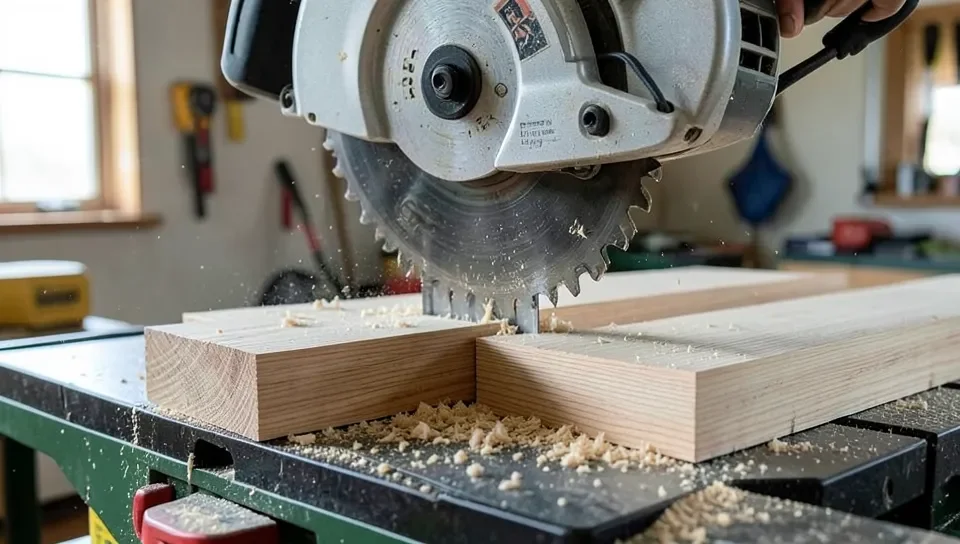
- 10-inch fits: picture frames, baseboards, door and window casing, small furniture, most 2x framing lumber, and general hobby projects. It’s the size most home woodworkers actually use most often.
- 12-inch fits: deck framing, thicker dimensional lumber, wide crown molding installed flat, and situations where you’re regularly cutting stock a 10″ blade can’t get through in a single pass.
- Sliding (either size) fits: wide boards, deck boards, and anything wider than the saw’s non-sliding crosscut spec, regardless of blade diameter.
Cost And Value Considerations
A 10-inch saw is typically cheaper to buy and to run — smaller blades cost less to replace, and the saw itself is usually priced lower than an equivalent 12-inch model from the same line. A 12-inch saw costs more up front and uses pricier blades, but if your projects regularly need the extra capacity, it saves you from fighting a saw that’s undersized for the job. Buy based on what you actually cut most often, not on the assumption that bigger automatically means better.
Frequently Asked Questions
Should I Get A 10 Inch Or 12 Inch Miter Saw?
Get a 10-inch saw for trim, molding, and most framing and hobby work — it’s lighter, cheaper, and handles the vast majority of home projects. Get a 12-inch saw if you regularly cut thicker stock or wider boards that a 10-inch non-sliding blade can’t get through in one pass.
Will A 10-Inch Miter Saw Cut A 4×4?
Yes, but usually not in one pass — a non-sliding 10-inch saw’s cutting depth (about 3-3.5″) is close to a 4×4’s actual 3.5″ dimension, so you may need to flip the board and cut from the other side to finish through. A 12-inch or sliding saw gets through it more reliably in a single pass.
How Thick Of Wood Can A 10 Inch Miter Saw Cut?
Roughly 3 to 3.5 inches deep on a non-sliding 10-inch saw, depending on the specific model — always check the saw’s own spec sheet, since this varies by design, not just blade size.
Does A 12-Inch Miter Saw Have A Stronger Motor Than A 10-Inch?
Not necessarily — many 10-inch and 12-inch miter saws share the same 15-amp motor. The bigger blade increases cutting capacity (crosscut width and depth), not motor power. Don’t assume a 12-inch saw is “stronger” just because the blade is bigger.
Conclusion
For most home woodworking, trim, and framing work, a 10-inch miter saw is lighter, cheaper, and plenty capable. Step up to 12 inches only if you regularly need the extra crosscut width or cutting depth — and if wide boards are your main concern, check sliding vs. non-sliding before you fixate on blade size at all.
Sponsored / affiliate links. As an Amazon Associate I earn from qualifying purchases. I may earn additional commission from eligible campaigns.