Do Walnut Trees Produce Nuts Every Year?
Understanding Walnut Tree Nut Production Cycles
It can be frustrating when your walnut tree doesn’t give you nuts as often as you’d hope. You might look forward to harvesting those tasty walnuts each fall, only to find a sparse yield or even no nuts at all some years. This is a common worry for many tree owners.
The good news is there are usually good reasons behind it. This guide will help you understand why your Black Walnut Trees: Unveiling Hidden Wealth” href=”https://woodworkingadvisor.com/value-of-black-walnut-tree/” target=”_blank” rel=”noopener” data-wpil-monitor-id=”19752″>walnut tree might skip a year. We’ll cover what makes them produce nuts and what can stop them.
Knowing this helps you enjoy more walnuts in the long run.
The frequency of walnut tree nut production can vary greatly. Factors like weather, the tree’s age and health, pollination success, and even the specific walnut variety play key roles in determining if and how many nuts a tree will yield in any given year. Consistent annual yields are not the norm for most walnut trees.
What Affects Walnut Tree Nut Production?
Walnut trees are amazing. They can live for many years. But they don’t always give us nuts every single year.
Many things influence their ability to make walnuts. We can look at these things to understand why some years are better than others. It’s like asking why a garden has a great harvest one year and a small one the next.
Many forces are at play.
Think about the weather. It’s a big one. Rain, sun, and cold all matter.
A tree needs just the right conditions to bloom and then set fruit. If it’s too hot or too cold at the wrong time, it can mess things up. Also, how old is the tree?
Young trees are still growing. They focus their energy on getting bigger. Older, mature trees are usually better at producing nuts.
But even very old trees can slow down. Their health is also important. A sick tree will not have the energy to make nuts.
It will save its strength just to survive. Proper care, like good soil and water, helps keep the tree strong.
Pollination is another key piece of the puzzle. Walnut trees need help to make nuts. They have both male and female parts, but they often need pollen from another tree to get the job done.
If the timing is off, or if there aren’t enough bees or wind to move the pollen, then fewer nuts will form. Some walnut types are better at pollinating themselves. But most do better with a neighbor.
The specific type of walnut tree also makes a difference. Some kinds are bred to produce more often. Others are more sensitive to environmental changes.
So, it’s a mix of nature and care. The tree’s own life stage and genetics, plus the world around it, all work together. Understanding these influences helps us set expectations.
It also helps us know what we can do to support our trees.
My Walnut Tree Surprise: A Year of No Nuts
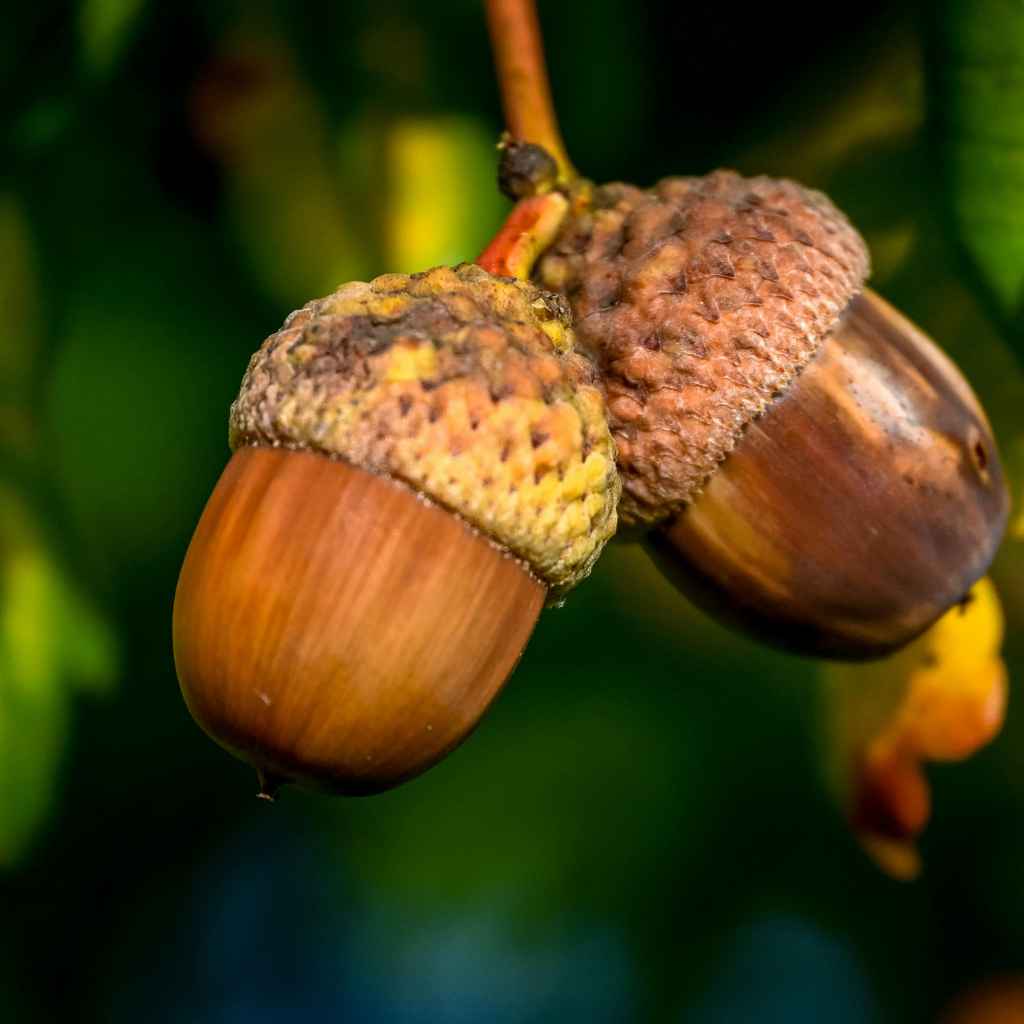
I remember one spring vividly. My backyard walnut tree, a grand old English walnut, had just burst into beautiful green leaf. The little flowers were starting to appear, and I was already dreaming of pies and pesto.
I’d had a pretty good harvest the year before, so I felt confident. My kids were even asking if we’d be having walnut cookies again soon. The anticipation was high.
Then, late April hit. We had a sudden, unseasonable cold snap. It wasn’t just a little chilly; it was a hard freeze.
I remember looking out the window early one morning and seeing frost clinging to the grass. I worried about my tomatoes, but my main concern, in the back of my mind, was the walnut tree. Its delicate new growth and the still-forming nuts were so vulnerable.
As summer progressed, the leaves looked fine, but something was wrong. There were no developing walnuts. Not one.
I’d walk by, scan the branches, and see only the green leaves. It was a stark, empty feeling. All that growth, all that promise, and nothing to show for it.
It was a real disappointment, especially when I’d been counting on that harvest. That year taught me a powerful lesson about how sensitive these trees can be to even brief, extreme weather changes.
Factors That Influence Annual Yields
Let’s dive deeper into the specific reasons why your walnut tree might not produce nuts every year. It’s a combination of factors that often work together.
Weather Plays a Huge Role
Temperature is critical. Walnuts need a certain amount of chilling hours in winter to break dormancy. Too little, and the tree might not wake up properly.
Too much, and it can be damaged. Spring is also a sensitive time. Frost during flowering can kill the blossoms.
This means no nuts can form. Extreme heat during the summer can stress the tree. This might cause it to drop developing nuts.
Rainfall matters too. Drought stress is bad for trees. It makes them conserve energy.
They might drop nuts to save water. Too much rain can also be a problem. It can lead to diseases.
It might also interfere with pollination if it happens during that key period.
Age and Tree Health are Key
Young trees need time to grow. They focus on building strong roots and branches. Commercial orchards often wait 7-10 years for a good harvest.
Hobby trees might take longer. Very old trees can also produce less. Their energy might be divided between growth and maintenance.
A healthy tree is a productive tree. Diseases and pests weaken the tree. They steal nutrients and energy.
A tree fighting off an illness won’t have much left to invest in nut production. Proper pruning, soil care, and watering help keep the tree strong and ready to bear.
Pollination Dynamics
Most walnut varieties are “monoecious.” This means they have both male and female flowers on the same tree. However, they often bloom at different times. This is called “dichogamy.” It prevents self-pollination.
Male catkins release pollen. Female flowers need to be receptive when that pollen arrives. Wind is the main pollinator.
Bees help too, but they aren’t as crucial for walnuts as they are for some other fruits. If wind patterns are poor during flowering, pollination fails. If there are few nearby trees of a compatible variety, pollination can also be an issue.
Variety Matters
Different walnut species and cultivars have different production habits. Some are known for heavy, consistent yields. Others are more sporadic.
Some are more resistant to diseases. Some are better suited to certain climates. If you know your tree’s variety, you can research its typical fruiting patterns.
For example, some Persian (English) walnuts might be more sensitive to cold than Black walnuts.
The Life Cycle of a Walnut Tree: From Bloom to Nut
Understanding the journey from a tiny flower to a mature walnut helps explain why some years are better than others. It’s a complex process. It requires everything to go just right.
Spring: The Awakening and Flowering
In early spring, as the weather warms, the walnut tree starts to wake up. It uses stored energy to push out new leaves. At the same time, it produces flowers.
There are two types of flowers: male and female. The male flowers are called catkins. They hang down in long clusters.
They are full of pollen. The female flowers are smaller. They are usually found at the tips of new shoots.
They have tiny stigmas that are sticky and ready to catch pollen.
This is a critical time. If a late frost hits, it can damage or kill these delicate flowers. If the temperature is too cold, pollen may not be released.
Or the female flowers might not be receptive. The tree needs a specific window of good weather to successfully start the nut-making process. This delicate balance is easily disrupted.
Summer: Fruit Set and Development
If pollination is successful, the tiny female flowers start to swell. They begin to form the green, fleshy husk that surrounds the walnut shell. Inside this husk, the nut begins to develop.
This is when the tree is putting a lot of energy into growth. It needs plenty of water and nutrients from the soil. Sunlight is also crucial for photosynthesis, which provides the energy needed for the nuts to grow larger and fill out.
During summer, the tree faces many challenges. Heat stress can cause it to drop young nuts. Drought can also lead to dropped nuts.
Pests and diseases can attack the developing fruit or the tree itself, diverting energy. If conditions are ideal, the nuts will grow steadily, maturing through the summer months.
Fall: Maturation and Harvest
As fall approaches, the nuts continue to mature. The outer green husk starts to dry and split. This exposes the hard shell of the walnut.
The kernels inside are forming and hardening. The tree sends its remaining energy to these developing nuts to ensure they are viable. The nuts will eventually fall from the tree naturally, or they can be harvested.
The success of this final stage depends on the earlier stages. If pollination was poor, or if the tree was stressed during summer, the nuts might be small, underdeveloped, or absent altogether. The entire process is a chain reaction.
Each step must be successful for a good harvest.
Quick Scan: Nut Production Factors
Tree Age: Young trees focus on growth. Mature trees are best producers. Very old trees may slow down.
Weather: Frost during spring bloom is a major killer of potential nuts. Drought or extreme heat can stress the tree. Consistent, mild weather is ideal.
Pollination: Most walnuts need pollen from another tree. Poor wind or lack of nearby compatible trees hurts yields.
Tree Health: Pests and diseases steal energy. A sick tree prioritizes survival over nut production.
Real-World Scenarios: When Walnuts Might Skip a Year
Let’s look at some common situations where you might notice your walnut tree not producing nuts.
The “Late Frost” Scenario
This is a classic. You see the tree leafing out, maybe even little nuts starting to form. Then, overnight, the temperature plummets.
A hard frost descends. This is devastating for the tiny, tender fruit. It’s like a punch to the tree’s plans for the year.
The flowers or very young nuts can turn black and fall off. Even if some survive, the yield will be severely reduced. You might look at the tree all summer and see healthy leaves, but no walnuts.
This is what happened to me one year.
The “Drought Year” Dilemma
Imagine a long, hot summer with hardly any rain. The ground gets dry and cracks. The walnut tree starts to suffer.
It needs water to support all its leaves and to fill out the developing nuts. When water is scarce, the tree makes a tough choice. It prioritizes survival.
It will drop the nuts it can’t support. This is a natural defense mechanism. It saves the tree’s energy and water for its own life.
You might see nuts on the ground prematurely, but they are often small and shriveled.
The “New Tree” Expectation
You just planted a beautiful young walnut tree. You’re excited for it to grow and produce nuts. But patience is key.
For the first few years, the tree is establishing itself. It’s sending roots deep into the soil. It’s building a strong trunk and branches.
It needs all its energy for this foundational growth. Asking it to produce a significant crop of nuts during this time is like asking a toddler to run a marathon. You might see a few scattered nuts eventually, but a good harvest is usually many years away.
The “Pollination Partner Problem”
You have a beautiful, healthy walnut tree. It flowers every year. But you rarely get many nuts.
You might not realize that your tree needs a friend. Many walnut varieties need pollen from a different tree of the same species, but a different cultivar, to produce well. If you live in an area with few other walnut trees, or if the neighbors’ trees bloom at a completely different time, your tree might not get pollinated effectively.
This can lead to a very poor or non-existent nut crop, even with perfect weather and a healthy tree.
Contrast: Normal vs. Concerning Yields
Normal: Sporadic, heavier yields every 2-3 years. Some years with fewer nuts. Smaller nuts during drought.
Concerning: No nuts for 3+ consecutive years. Nuts that are hollow or do not develop at all. Leaves showing significant signs of disease.
What This Means for You: Setting Realistic Expectations
So, when should you expect nuts, and when is it okay if there aren’t many? It’s all about understanding the natural rhythm of the tree.
When Low Yields are Normal
It’s perfectly normal for a walnut tree to have a light nut year every few years. Think of it as the tree taking a breather. This is especially true for younger trees, which are still growing their main structure.
If your tree is 5 years old or less, expecting a massive harvest every year is unrealistic. Even mature trees benefit from these “off” years. It allows them to conserve energy and prepare for bigger fruiting cycles.
Also, remember those weather extremes we talked about. A single late frost, a short but intense drought, or even a period of very strong winds during pollination can significantly reduce the nut crop. If the rest of the year looks good and the tree seems healthy, a low yield due to weather is usually not a sign of a problem.
It’s just nature at work.
When to Pay Closer Attention
You should start to worry if your tree consistently produces very few or no nuts for three or more years in a row. This suggests there might be an underlying issue. Is the tree healthy?
Look for signs of disease, like unusual spots on leaves or bark, or wilting. Are there signs of pests, like insect damage or boring holes?
Another sign to watch for is if the nuts that do form are consistently hollow, undersized, or fail to develop properly. This could indicate a pollination problem, a nutrient deficiency in the soil, or stress on the tree. If your tree is mature (over 10-15 years old) and in a good location with decent rainfall, a complete lack of nuts for multiple years is worth investigating.
Simple Checks You Can Do
First, check the tree’s health. Are the leaves green and full in the summer? Or are they yellowing or dropping early?
Look at the bark for any cracks or oozing sap. A simple visual inspection can tell you a lot.
Second, consider the pollination situation. How old is your tree? Is it a variety known for needing a pollinator?
Are there other walnut trees nearby? If it’s an older tree and you suspect pollination issues, planting another compatible walnut tree can sometimes help. You can also learn about your specific variety’s pollination needs.
Some varieties are self-fertile, but many are not.
Third, think about the soil. Is the area around the tree compacted? Does water drain well?
Walnut trees prefer well-drained soil. Adding a layer of mulch can help retain moisture and improve soil health. A soil test can reveal if there are any nutrient deficiencies that might be affecting the tree’s ability to produce nuts.
Quick Tips for Healthy Walnut Trees
- Water Wisely: Deep watering during dry spells, especially for young trees and during nut development.
- Mulch Matters: Apply a layer of organic mulch around the base to conserve moisture and suppress weeds.
- Prune Properly: Prune only when necessary, usually in late winter, to remove dead or crossing branches.
- Monitor for Pests: Inspect leaves and bark regularly for signs of common walnut pests and diseases.
Tips for Supporting Your Walnut Tree
While you can’t control the weather, there are things you can do to help your walnut tree be as productive as possible. These are more about good care than quick fixes.
Consistent Watering: During dry periods, especially in the summer when nuts are developing, make sure your tree gets enough water. Deep watering is better than frequent shallow watering. This encourages strong root growth.
Soil Health: Keep the soil around the tree healthy. Avoid compacting the soil by parking cars or driving over it. Adding compost or well-rotted manure can improve soil structure and provide nutrients.
Proper Fertilization (If Needed): A soil test can tell you if your tree needs any specific nutrients. Over-fertilizing can be as bad as under-fertilizing. If your tree is healthy and the soil is good, it might not need much, if any, extra fertilizer.
Pest and Disease Management: Keep an eye out for common walnut pests and diseases. Early detection and treatment can prevent serious damage and keep the tree strong enough to produce nuts.
Consider a Pollinator: If you suspect your tree isn’t getting enough pollen, consider planting another compatible walnut variety nearby. This is a long-term solution, but it can significantly improve yields.
Observational Flow: Tree’s Yearly “Decision”
Winter: Tree rests, gathers energy. Needs sufficient cold, but not extreme. Looks for signs of spring.
Early Spring: Wakes up. Sends energy to leaves and flowers. Very sensitive to frost.
Needs good weather for pollination.
Late Spring/Early Summer: Flowers develop into tiny nuts. Needs water and nutrients. Stresses can cause nut drop.
Mid-Summer: Nuts grow and fill out. Tree needs consistent water and sun. Extreme heat can cause stress and nut drop.
Late Summer/Fall: Nuts mature. Husks split. Tree prepares for dormancy.
Harvest time.
Frequently Asked Questions About Walnut Trees and Nuts
Why does my walnut tree have nuts one year and none the next?
Walnut trees often have a natural cycle of bearing more nuts every other year or so. This is influenced by weather, pollination success, and the tree’s own energy reserves. A year with few or no nuts is usually normal, especially if there were weather challenges like late frosts or drought.
How old does a walnut tree need to be before it produces nuts?
Young walnut trees focus on growing their roots and structure. Most commercial varieties start producing a noticeable crop around 7 to 10 years old. Homegrown trees might take a bit longer, often 5 to 10 years before you see any significant nuts.
Can frost damage the nuts on my walnut tree?
Yes, frost can be very damaging. If a late frost occurs after the tree has flowered and tiny nuts have started to form, it can kill them. This prevents any nuts from developing that year.
What if my walnut tree is not getting pollinated?
Many walnut varieties need pollen from another, different walnut tree to produce nuts. If there aren’t any other suitable walnut trees nearby, or if their bloom times don’t overlap, pollination can fail. Planting a compatible variety nearby can help improve pollination.
Should I fertilize my walnut tree to get more nuts?
Fertilizing can help if your tree is lacking nutrients. However, over-fertilizing can harm the tree or cause too much leafy growth instead of nuts. It’s best to get a soil test first to see if your tree actually needs fertilizer and what kind.
Are small or hollow walnuts a sign of a problem?
Small or hollow walnuts can be a sign of several things. It could be poor pollination, insufficient water during nut development, nutrient deficiencies, or disease. If this happens consistently, it’s a good idea to check the tree’s overall health and growing conditions.
Bringing It All Together: The Walnut Tree’s Story
It’s clear that a walnut tree not producing nuts every year is quite normal. It’s not a sign of failure, but rather a reflection of nature’s cycles. Many things must align perfectly for a bountiful harvest.
Understanding these factors—from the delicate dance of spring blossoms with the weather to the tree’s own age and health—helps us appreciate the process. So, next time you wonder where the walnuts are, remember the journey they take and be patient. The rewards are worth the wait.
Sponsored / affiliate links. As an Amazon Associate I earn from qualifying purchases. I may earn additional commission from eligible campaigns.