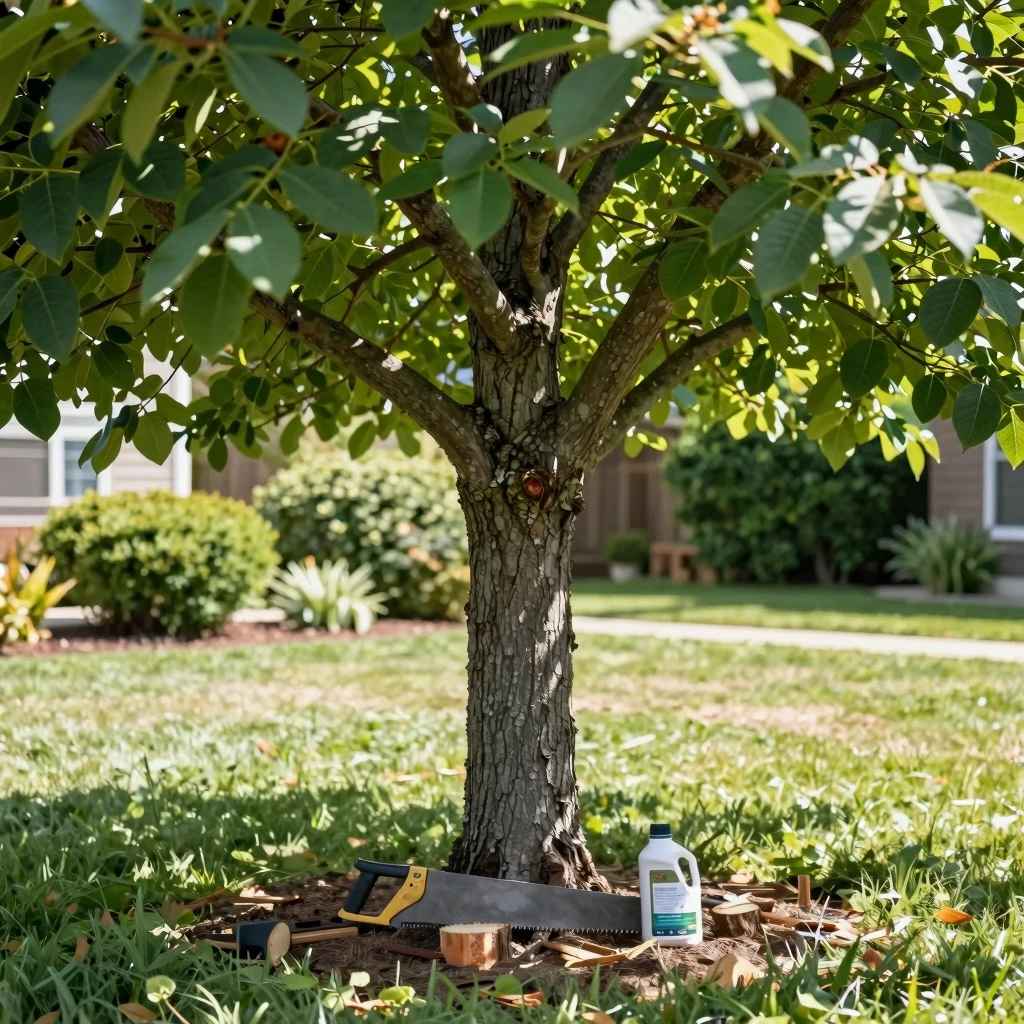
How To Kill A Black Walnut Tree Safely And Effectively
Killing a black walnut tree safely and effectively often involves a combination of methods. This might include cutting it down, applying herbicides, or using natural deterrents. The best approach depends on the tree’s size, its location, and your personal comfort level with different techniques. Always prioritize safety and environmental impact.
Understanding the Black Walnut Tree
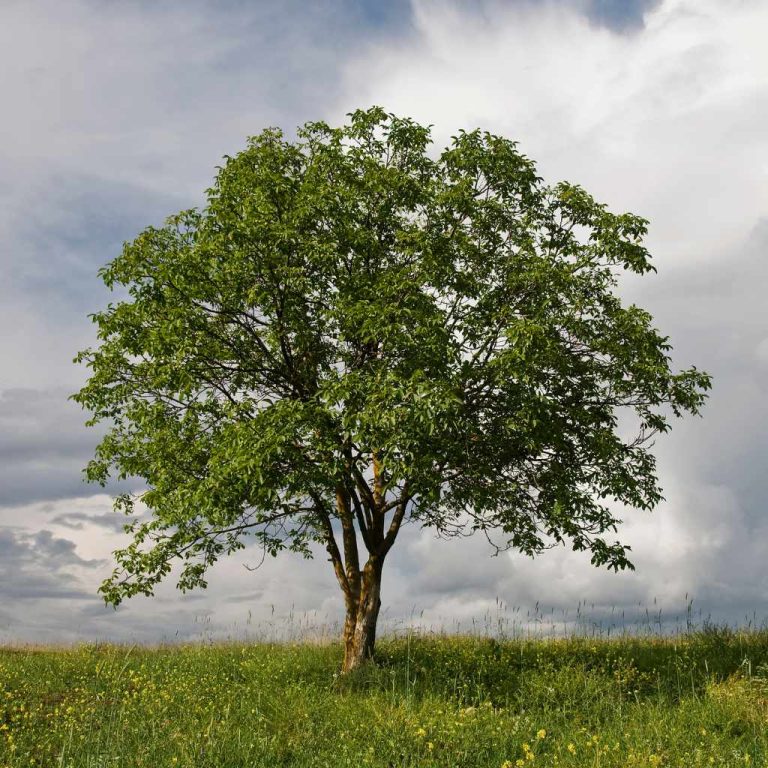
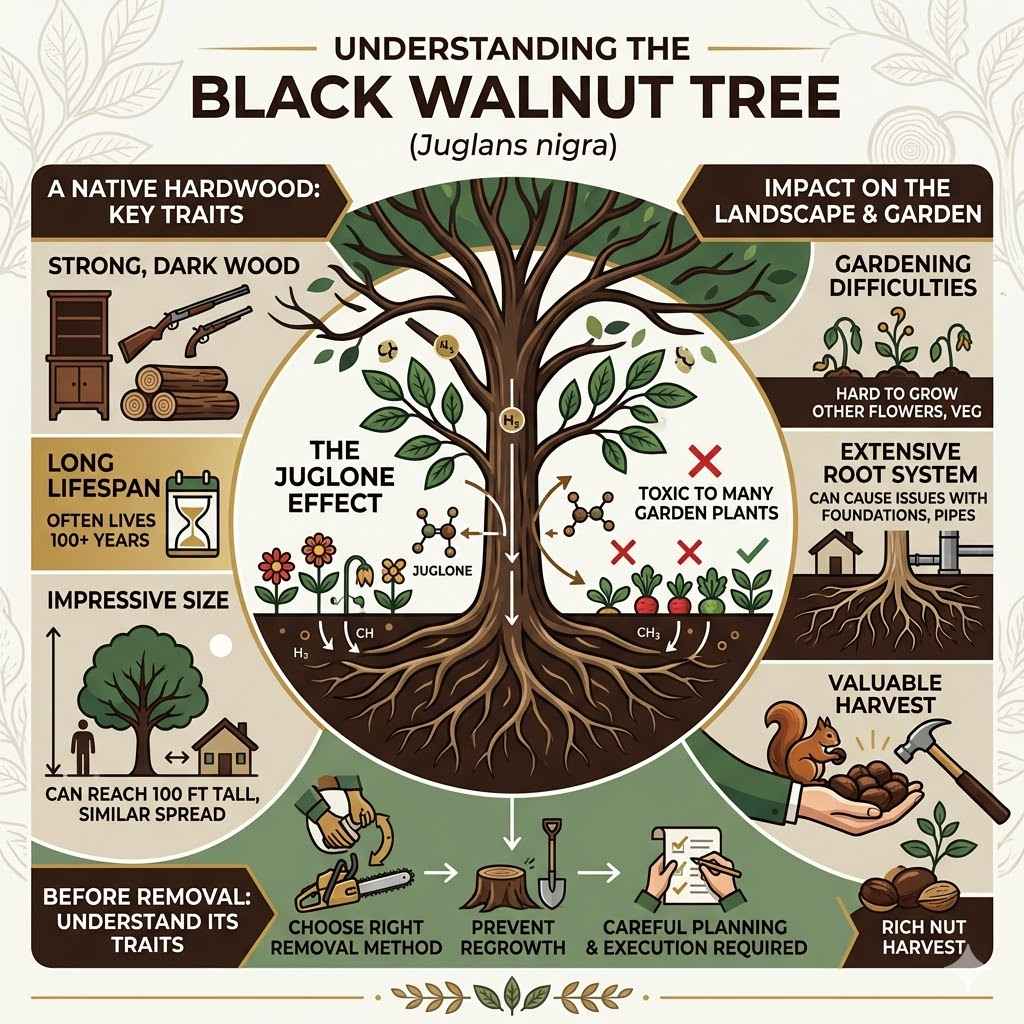
The black walnut tree, scientifically known as Juglans nigra, is a native hardwood found across the eastern United States. It’s famous for its strong, dark wood, which is highly valued for furniture and gunstocks. But it’s also known for something else: its ability to make life difficult for other plants around it.
This is due to a chemical called juglone. Juglone is released from the roots, stems, and leaves of the walnut tree. It acts as a natural defense for the tree, but it’s toxic to many garden plants.
This toxicity is a big reason why people want to remove them. It makes it hard to grow flowers, vegetables, or even other types of trees nearby. Once the tree is down, clearing the root suckers and surrounding brush is usually a job for a real brush cutter — see our land clearing machine picks for that cleanup step. The tree’s root system is also quite extensive, which can cause issues with foundations or underground pipes over time.
Before you decide to remove a black walnut, it’s good to understand its traits. Knowing its growth patterns and its chemical impact helps you choose the right removal method. It also helps you understand why other plants might be struggling near it.
These trees can live for a long time, often over 100 years. They can grow quite tall and wide, sometimes reaching 100 feet in height with a spread of similar width. This size means that removing one is not a small job.
It requires careful planning and execution to ensure it’s done right. The goal is to remove the tree and prevent regrowth. This often means targeting the root system as well as the main trunk.
Why Black Walnuts Can Be a Problem
Many people decide to remove black walnut trees because of the juglone they produce. This chemical can kill or stunt the growth of many common garden plants. Things like tomatoes, potatoes, blueberries, and even some ornamental shrubs are very sensitive to juglone.
This makes it hard to have a thriving garden in areas where walnut trees are present. If you’ve ever wondered why your prize roses or your vegetable patch just won’t grow well, and there’s a walnut tree nearby, juglone is likely the culprit. It’s a powerful natural herbicide that the tree uses to reduce competition for resources.
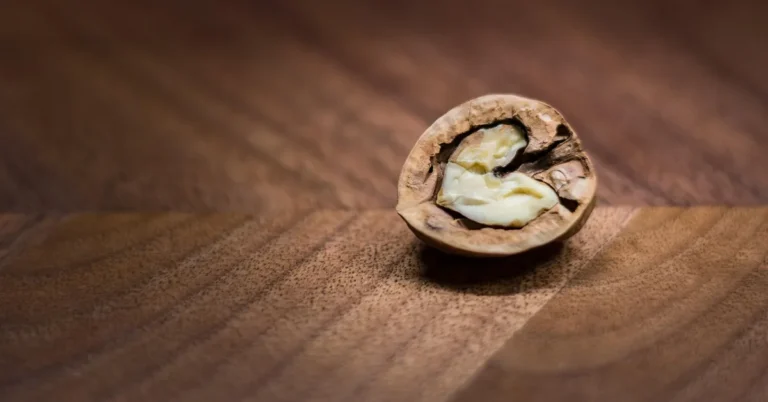
Beyond the juglone issue, the sheer size and the mess from black walnut trees can be overwhelming. The nuts, which are enclosed in a green husk, fall in late summer or fall. These husks contain the juglone and can stain patios, driveways, and clothing.
They also attract pests and can be a tripping hazard. The nuts themselves can be difficult to clean up. Many people also find that the extensive root system can interfere with lawns or landscaping projects.
In some cases, very large root systems can even impact the structural integrity of nearby patios or walkways. So, the decision to remove a black walnut is often driven by a mix of practical concerns and a desire for a more manageable yard space.
Personal Experience: The Stubborn Sentinel
I remember a few years back, we moved into a house that had this enormous black walnut tree right at the edge of our backyard. It was majestic, really, with a trunk as wide as a small car. But beneath its grand canopy, nothing else seemed to thrive.
My wife had dreams of a vibrant cutting garden, filled with zinnias and dahlias. I wanted a nice patch of tomatoes for summer salads. We dug in, planted, and watered.
Within weeks, everything started to look sad. Leaves yellowed, growth stunted. It was disheartening.
We tried different fertilizers, adjusted watering, even added more compost. Nothing worked. Then, a neighbor who’d lived here for decades casually mentioned, “Oh yeah, that’s the walnut.
Nothing much grows under it.” That’s when it clicked. The beauty of the tree was also its curse. The thought of removing such a large, old tree felt daunting.
It seemed like a huge task, and honestly, I was a bit intimidated by the idea of dealing with something so powerful and deeply rooted. The sheer presence of it felt like a challenge.
Methods for Killing a Black Walnut Tree
There are several ways to tackle a black walnut tree. Each has its pros and cons. The method you choose depends on the tree’s size, its location, and your goals.
Some methods are quick but can be harsh. Others are slower but might feel more natural. It’s important to research each one and pick what’s best for your situation.
Safety should always be your top priority, no matter which method you select. Think about yourself, your family, and any pets or wildlife that might be around the area.
1. Cutting Down the Tree
This is the most direct method. You cut down the main trunk. For smaller trees, this might be a DIY job.
For larger trees, you will absolutely need a professional arborist. They have the tools and expertise to do this safely. Even after cutting the trunk, the tree might try to regrow from the stump.
This is common with walnut trees. You’ll often need to treat the stump to prevent this. Simply cutting the tree down is usually not enough to kill it permanently.
2. Herbicide Application
Herbicides are chemicals designed to kill plants. For black walnut trees, you can apply them in a few ways. One is to cut the tree down and then immediately paint a concentrated herbicide onto the freshly cut stump.
This is called a basal bark treatment or stump treatment. The herbicide gets absorbed into the sapwood and roots, preventing regrowth. Another method is to inject the herbicide directly into the tree’s trunk.
This is often done by professionals. For very large trees, a systemic herbicide might be applied to the soil around the base, but this can be less effective and risks harming nearby plants. Always use herbicides with extreme caution.
Follow all label instructions carefully. Wear protective gear like gloves and eye protection.
3. Girdling the Tree
Girdling involves removing a strip of bark and cambium layer all the way around the trunk. This breaks the vascular system of the tree. It prevents water and nutrients from moving up or down.
Over time, the tree will die. This is a slower process. You might see the leaves start to change color and the tree decline over a few months to a year.
Like cutting, girdling doesn’t always kill the roots immediately. You may still get sprouts from the base or roots. This method is generally not recommended as a primary way to kill a black walnut because of its strong regrowth potential.
4. Natural Methods and Deterrents
Some people prefer to avoid chemical herbicides. There are some natural methods, though they are often less effective for a tough tree like a black walnut. One idea is to use boiling water or vinegar poured around the base of the tree or stump.
This can harm young sprouts but is unlikely to kill a mature tree or its deep root system. Another approach is to physically remove the entire root system, but this is extremely difficult for a large tree. Some people try to use salt, but this can damage the soil for years and is not recommended.
For black walnut, effective removal usually requires more direct action than these gentler methods can provide.
Quick-Scan: Removal Method Choice
Method: Cutting Down
Pros: Fast removal of trunk.
Cons: May require professionals. Regrowth is likely without stump treatment.
Best for: Situations needing quick space clearing, when combined with stump treatment.
Method: Herbicide Application (Stump Treatment)
Pros: Highly effective at preventing regrowth. Targets roots.
Cons: Involves chemicals. Requires careful handling.
Best for: Most effective way to kill the entire tree and root system.
Method: Girdling
Pros: No chemicals used.
Cons: Slow. Regrowth is still possible. Tree stands for a long time.
Best for: Less aggressive removal if time is not a factor and regrowth is managed.
Choosing the Right Method for You
When deciding how to kill a black walnut tree, think about a few key things. First, how large is the tree? A small sapling is very different from a mature, towering tree.
For small trees, cutting it down might be enough, perhaps with a quick stump treatment. For large trees, cutting is dangerous work. You’ll need to hire professionals.
Also, consider where the tree is. Is it close to your house, power lines, or a neighbor’s property? Safety becomes much more important in these situations.
A professional arborist can assess the risks and ensure the tree falls safely.
Your comfort level with chemicals also plays a role. If you want to avoid herbicides altogether, you’ll need to focus on physical removal and diligent stump management. However, it’s important to be realistic.
Black walnuts are notoriously hard to kill completely without some form of chemical aid to prevent resprouting. If you’re aiming for a permanent solution that prevents endless shoots from emerging from the stump and roots, a targeted herbicide application on the stump is often the most reliable and effective approach. It’s about finding a balance between your environmental concerns and the practical need to permanently remove the tree.
Finally, think about your goal. Do you just need the tree gone quickly? Or are you looking for a long-term solution that ensures it never grows back?
If you want to reclaim the space for a garden or other plants, killing the root system is vital. This is where stump treatments with herbicides shine. They prevent the tree from sending out new shoots.
If you’re simply trying to clear a view or make space for a new structure, cutting might be your first step, but you’ll still need to deal with the stump eventually.
The Most Effective Approach: Stump Treatment
For most homeowners, the most effective and reliable way to kill a black walnut tree and ensure it doesn’t come back is a combination of cutting it down and then treating the stump. This method addresses both the visible tree and its underground survival system. Here’s how it generally works and why it’s so successful.
First, you or a professional will cut the tree down as close to the ground as possible. The key is to do this at a time when the tree is actively growing. This is typically in the spring or early summer.
After the tree is cut, the stump is still alive and has energy stored in its roots. This is the critical window of opportunity.
Within minutes, or at most an hour, of cutting the tree, you need to apply a concentrated herbicide directly to the cambium layer of the stump. This is the green, moist layer just beneath the bark. This layer is where the sap flows.
The herbicide is absorbed through this layer and travels down into the root system. This stops the roots from being able to send up new shoots. A good, strong herbicide, often glyphosate or triclopyr based, works best.
You can find these at garden supply stores. Always follow the product’s instructions. Use a brush or a sponge to paint the herbicide just around the edge of the top of the stump.
Don’t saturate the whole stump. You’re targeting the living tissue.
This stump treatment is incredibly important for black walnut trees because they are very aggressive sprouters. If you just cut the tree, you’ll almost certainly see many new shoots emerge from the stump within weeks, especially in the spring. The herbicide stops this process before it can even start.
This method is highly effective because it directly attacks the tree’s ability to regenerate. It’s the best way to ensure the tree is permanently gone, making the space usable for other plants or projects without constant struggle against new walnut growth.
Split Insight: Why Stump Treatment Works
Label: Tree’s Survival Instinct
Note: When a tree is cut, it signals a threat. Its natural response is to try and regrow quickly from any available energy in the roots. For black walnuts, this response is very strong.
Label: Herbicide Absorption
Note: Applying herbicide to the fresh cut stump allows it to enter the tree’s vascular system. This system is designed to move water and nutrients. The herbicide piggybacks on this system to reach the roots, where it disrupts growth.
Label: Preventing Regrowth
Note: By killing the root system, the herbicide prevents new sprouts from appearing. This means you won’t have to constantly cut down new shoots or deal with the tree trying to live on.
Safety First: Precautions to Take
Working with trees, especially large ones, and using herbicides requires careful attention to safety. Black walnut trees are no exception. Your well-being and the health of your surroundings are paramount.
Let’s break down the essential safety steps you should always follow.
Personal Protective Equipment (PPE): This is non-negotiable. When cutting, always wear sturdy boots, long pants, long sleeves, safety glasses or goggles, and gloves. If you’re using a chainsaw, a helmet with a face shield and hearing protection is crucial.
When applying herbicides, wear chemical-resistant gloves, eye protection, and long sleeves and pants. Some products may require a respirator. Always read the herbicide label for specific PPE recommendations.
Professional Help for Large Trees: If the tree is large, tall, or close to structures or power lines, do not attempt to cut it down yourself. Hire a certified arborist. They have the training, equipment, and insurance to handle dangerous tree removals safely.
Trying to cut a large tree without experience can lead to serious injury or property damage. It’s a risk that’s rarely worth taking.
Herbicide Handling and Application: Read the entire product label before using any herbicide. Understand the active ingredients, the dilution rates, and the application methods. Apply herbicides only when there is no wind to prevent drift onto other plants or areas.
Never use herbicides near wells, water sources, or where they could run off into storm drains. Store herbicides in their original containers, away from children and pets, and in a cool, dry place. Dispose of empty containers according to local regulations.
Site Safety: Clear the work area of any obstacles, debris, or tripping hazards. Make sure you have stable footing. If you’re cutting, ensure there’s a clear escape path in case the tree or a limb falls unexpectedly.
Keep children and pets away from the work area while you are cutting or applying chemicals. Even after application, keep pets and children away from treated stumps until they are dry and safe, as indicated on the product label.
Environmental Considerations: Be mindful of how your chosen method might affect the surrounding environment. While herbicides are often necessary for effective black walnut removal, choose products wisely and apply them precisely. Avoid broad-spectrum applications.
Consider the impact on beneficial insects or nearby sensitive plants. If you’re concerned about chemicals, explore targeted injection methods or consult with an arborist about alternative strategies, though these may be less consistently effective for black walnuts.
Contrast Matrix: Safe vs. Unsafe Practices
| Safe Practice | Unsafe Practice |
|---|---|
| Wearing full PPE (gloves, goggles, long sleeves) when applying herbicide. | Applying herbicide with bare hands or short sleeves. |
| Hiring a professional arborist for large tree removal. | Attempting to cut down a large tree yourself without experience or proper equipment. |
| Applying herbicide directly to the fresh cut stump. | Spraying herbicide broadly around the base of the tree. |
| Keeping children and pets away from the work zone. | Allowing children or pets to play near a tree being cut or an area where herbicide is applied. |
Dealing with Regrowth
Even with the best efforts, black walnut trees have a remarkable ability to resprout. This is their survival mechanism. If you cut the tree down but didn’t treat the stump effectively, or if you chose a method that didn’t kill the roots, you will likely see new growth.
These sprouts emerge from the stump itself or from the surrounding root system.
What do you do if you see new growth? First, don’t panic. It’s a common challenge.
Your best bet is to act quickly. If you see small sprouts, you can try cutting them down. However, this can actually encourage more growth, as it signals the tree to send out more energy.
For persistent sprouts, you’ll need to treat them again. You can use a concentrated herbicide applied directly to the leaves of the sprout or cut the sprout and immediately treat the fresh cut with herbicide, similar to how you treated the main stump.
For very aggressive regrowth, some people have found success with soil injections of a systemic herbicide into the main root system, but this requires specialized equipment and knowledge. More commonly, if you see many small sprouts, you might need to apply a basal bark treatment to the sprouts themselves when they are young and their bark is still thin. This means painting a diluted herbicide solution onto the lower 6-12 inches of the sprout, covering the bark.
The key is persistence. Black walnut regrowth can be stubborn. If one treatment doesn’t work, you’ll need to try again.
Regularly inspecting the area around the stump and any visible roots will help you catch new growth early. The sooner you deal with it, the easier it will be to manage and eventually eliminate. It might take a season or two of diligent follow-up treatments to completely exhaust the tree’s ability to regenerate.
What This Means for Your Garden and Yard
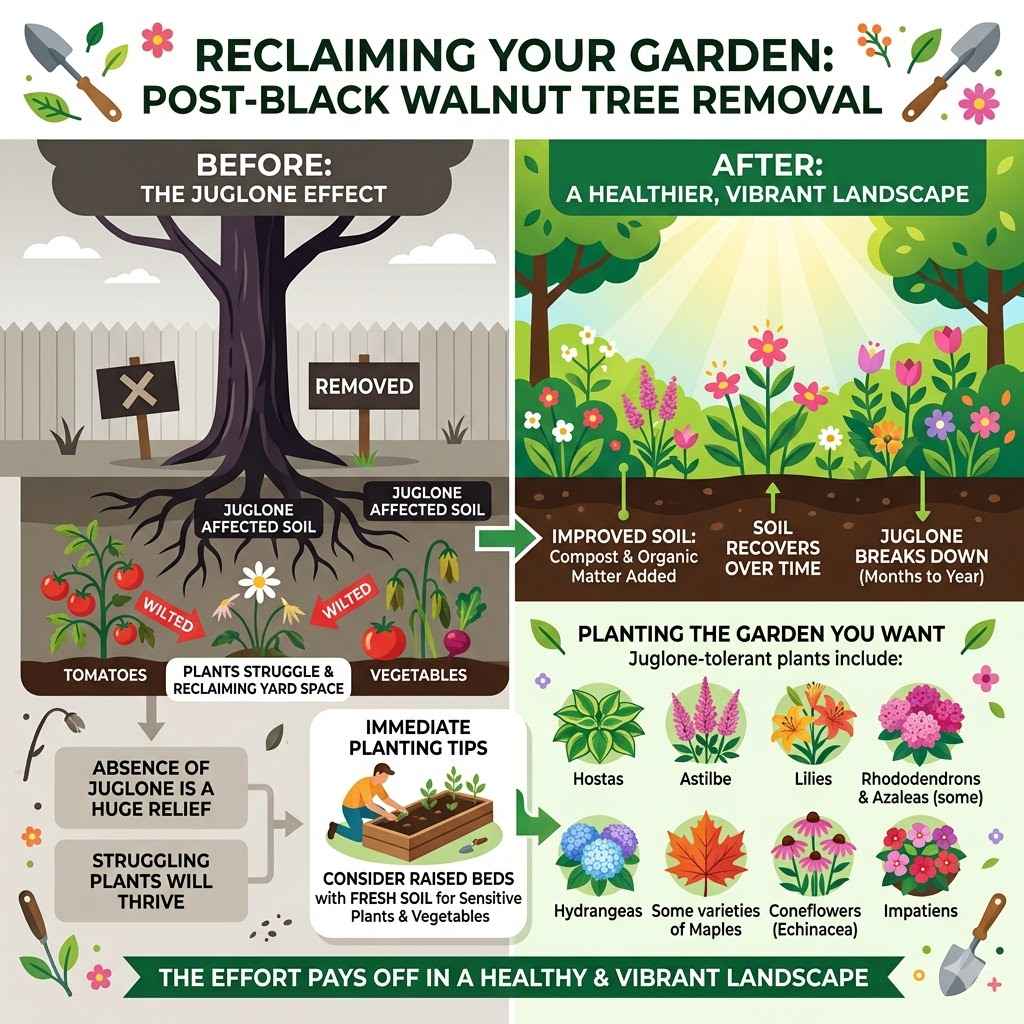
Removing a black walnut tree is often about reclaiming your yard space. Once the tree is gone, and especially once its roots are no longer active, you can finally start to grow the plants you want. The absence of juglone is a huge relief for gardeners.
Plants that previously struggled will now have a much better chance of thriving.
Before you replant, it’s a good idea to improve the soil. The area where the tree stood might be compacted. It might also have reduced nutrients from the tree’s long presence.
Adding compost and organic matter will help prepare the soil for new plants. You may also want to test the soil for juglone levels, although in most cases, the chemical breaks down over time once the tree is removed. If you are concerned, you can also choose plants that are known to be tolerant of juglone, even if the tree is gone, as a precautionary measure.
Some of these include:
- Hostas
- Astilbe
- Lilies
- Rhododendrons and Azaleas (some varieties)
- Hydrangeas
- Some varieties of Maples
- Coneflowers (Echinacea)
- Impatiens
It’s also important to note that the juglone effect can linger in the soil for some time. While it breaks down naturally, it might take a few months to a year. If you are planning a vegetable garden or planting sensitive flowers immediately after removal, consider planting in raised beds with fresh soil.
This gives your new plants the best possible start. Over time, the soil will recover, and the area will become a much more welcoming environment for a wide variety of plants. The effort of removing the tree will pay off in a healthier, more vibrant landscape.
Frequently Asked Questions
How long does it take for a black walnut tree to die after treatment?
If treated correctly with a stump application of herbicide immediately after cutting, the tree’s roots should die within a few weeks to a couple of months. You will see no new sprouts emerge. If you used a less direct method or if the initial treatment was not optimal, you may see sprouts, and the main tree might continue to decline over several months to a year.
Can I just use boiling water or salt to kill a black walnut tree?
Boiling water or vinegar can harm very young sprouts by scalding them, but they are generally not effective enough to kill a mature black walnut tree or its extensive root system. Salt can kill plants, but it also damages the soil for a long time, making it impossible to grow anything else there. These methods are not recommended for reliable, permanent removal of a black walnut.
How can I tell if my black walnut stump is dead?
The surest sign that a black walnut stump is dead is the absence of new sprouts. If you treated the stump with herbicide and no shoots appear from it or the surrounding roots over the course of a growing season, it is likely dead. You can also check the bark; if it begins to peel away easily and the wood underneath is dry and crumbly, the stump is dead.
Is it safe to plant a new tree or garden near where a black walnut used to be?
Yes, once the black walnut tree and its root system are confirmed dead, it is safe to plant new things. The juglone chemical does break down in the soil over time. If you are planting sensitive plants very soon after removal, consider using raised beds with fresh soil as a precaution.
Otherwise, the area should recover and be suitable for most garden plants within a year.
Do I need a permit to cut down a black walnut tree?
Permit requirements vary greatly by location. Some towns or cities have ordinances that protect certain types of trees or require permits for any tree removal over a certain size. It is always best to check with your local city or county government, usually the planning or public works department, to see if a permit is needed before you cut down any significant tree.
Can I remove the stump myself?
Removing a stump can be a very labor-intensive process. Small stumps might be dug out with shovels and a strong lever. For larger stumps, you might consider renting a stump grinder, which can be effective but requires caution.
Alternatively, you can let the stump decay naturally over several years, or you can have it professionally removed by an arborist or landscaping company.
Conclusion
Dealing with a black walnut tree can be a challenge, but with the right knowledge, you can tackle it effectively. By understanding the tree’s unique traits, like its juglone production and strong desire to resprout, you can choose the best removal method. For most situations, combining cutting the tree with prompt, targeted herbicide treatment of the stump offers the most reliable way to ensure it’s truly gone.
Always prioritize safety by using protective gear and hiring professionals when needed. Soon, you’ll be able to enjoy your yard without the frustration of a stubborn, unwelcome sentinel.
Sponsored / affiliate links. As an Amazon Associate I earn from qualifying purchases. I may earn additional commission from eligible campaigns.