YellaWood vs. Generic Pressure-Treated Lumber: What’s Really Different
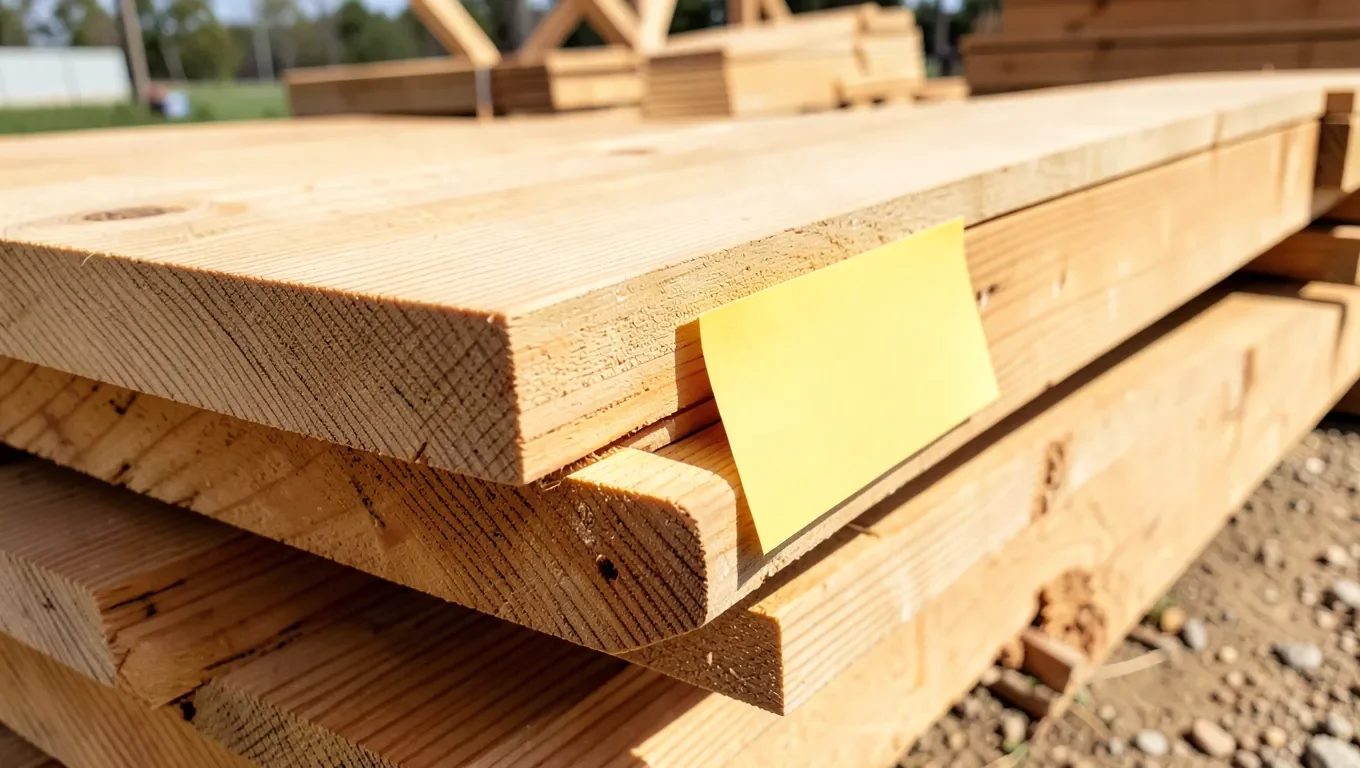
YellaWood isn’t a different material from pressure-treated wood — it is pressure-treated wood. It’s a specific brand of pressure-treated Southern Yellow Pine made by Great Southern Wood Preserving, recognizable at the lumber yard by its bright yellow end tag. The real question isn’t “YellaWood or pressure-treated?” — it’s “branded, quality-controlled pressure-treated lumber or the generic, unbranded stack at the end of the aisle?”
That distinction matters for your wallet and your deck. Below is what actually separates YellaWood from a no-name treated board, plus a detail almost no comparison page mentions: pressure-treated wood, whichever brand you buy, needs fasteners rated for its preservative chemicals — use the wrong screw and it can corrode through in a fraction of the wood’s lifespan.
Quick Pick: A Fastener Every Pressure-Treated Project Needs
Best PT-Compatible Deck Screw
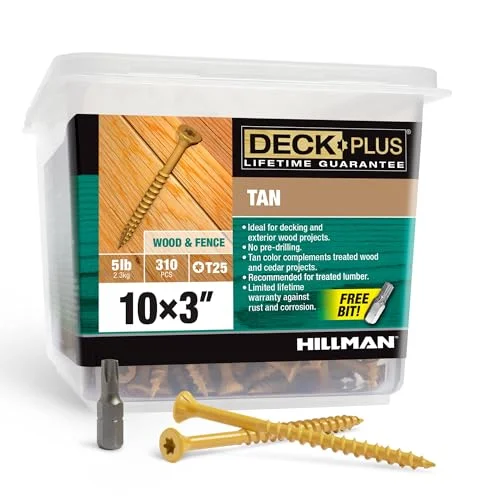 |
Deck Plus Wood Screws, #10 x 3in – $28.00 Whether you build with YellaWood or a generic treated board, the copper in the preservative reacts with bare steel — this epoxy coating is rated for treated-lumber contact.
|
Keep that fastener detail in mind as you read on — it applies no matter which brand of treated board ends up in your cart.
What Actually Makes YellaWood Different From Generic PT Lumber
Since both are pressure-treated Southern Yellow Pine, the difference isn’t the wood species or even the basic chemistry — most PT lumber sold today, branded or not, uses a copper-based preservative in the same family. What YellaWood adds is the manufacturing and quality-control layer behind the yellow tag:
- Quality checks: Great Southern Wood inspects boards when they arrive at the mill, again after treatment, and once more before shipping — a generic yard-stacked board typically only gets a single visual grading pass.
- Covered storage: YellaWood’s treatment plants store finished lumber in large enclosed warehouses instead of leaving it stacked outside, which limits the sun-and-rain cycling that causes cupping and checking before the wood ever reaches a store.
- Traceable warranty: the yellow end tag is what a retailer or homeowner points to when filing a warranty claim. A generic board with no brand tag usually has no manufacturer warranty to fall back on at all.
In practice, that means YellaWood and a comparable generic treated 2×6 will perform similarly if both are installed and finished correctly — the brand premium is really paying for consistency and a paper trail, not a fundamentally different product.
The Preservative: Why “Pressure-Treated” Means the Same Thing Either Way
YellaWood is treated with micronized copper azole (MCA), applied under Great Southern Wood’s MicroPro process. That’s the same general category of waterborne, copper-based preservative used across most of the pressure-treated lumber industry since chromated copper arsenate (CCA) was phased out of residential use in 2003. A generic treated board from another mill is very likely using an equivalent copper azole or alkaline copper quaternary (ACQ) preservative, forced into the wood’s cell structure the same way: vacuum the air out of a sealed cylinder, then push the chemical solution deep into the grain under pressure.
What differs between brands is the retention level (how much preservative stays in the wood per cubic foot) and the use-category rating stamped on the tag — UC3B for above-ground exposure, UC4A for ground contact, and so on. Always match the rating to the job: a deck’s ground-contact posts need a higher retention level than its above-ground rails, regardless of brand.
Warranty: Where the Brand Premium Actually Shows Up
This is the clearest real difference. YellaWood backs most of its decking products with a limited lifetime warranty against rot and termite damage when the lumber is installed per the manufacturer’s guidelines; some products, like its fence boards, carry a separate 15-year limited warranty instead. Generic, unbranded pressure-treated lumber at a lumber yard frequently ships with no consumer-facing warranty at all — you’re relying on the retailer’s general return policy, not a manufacturer standing behind the wood itself.
If a board fails early, that warranty is the practical reason to keep your receipt and the cut-off end tag until the project has been in the ground a few years.
The Fastener Problem Neither Brand’s Marketing Mentions
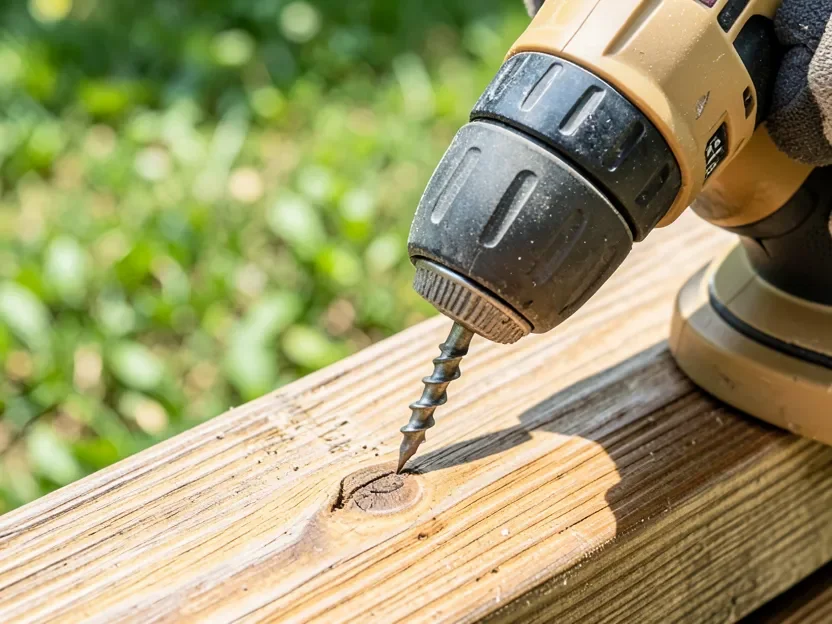
Here’s the detail that gets skipped in almost every YellaWood-vs-PT comparison: the copper in any pressure-treated board — YellaWood or generic — sets up galvanic corrosion against bare or standard electro-galvanized steel. Screws, nails, and joist hangers rated for untreated lumber can visibly corrode within a year or two once they’re in contact with copper azole or ACQ-treated wood, long before the board itself shows any wear.
Fastener and hardware makers publish compatibility ratings specifically for copper-treated lumber. Look for one of these instead of a plain zinc-plated screw:
- Hot-dip galvanized (HDG): a thick, mechanically bonded zinc coating; the traditional minimum for PT contact.
- Epoxy or polymer-coated screws: rated for treated-lumber contact, usually labeled “for use with ACQ/MCA lumber” on the packaging — the Deck Plus screws above are one example.
- Stainless steel (305 or 316): the most corrosion-resistant option, worth the extra cost near coastal or high-moisture sites.
Structural hardware — joist hangers, post bases, angle brackets — needs the same treated-wood-rated coating; check the manufacturer’s compatibility chart before fastening any load-bearing connection to either brand of PT lumber.
How to Tell You’re Actually Buying YellaWood
Because the brand premium only pays off if the board is genuine, check for these before you load lumber into the cart:
- The yellow end tag itself. It should be stapled or glued to the cut end of the board and printed with the use-category rating (UC3B, UC4A, etc.), the preservative type, and a plant/batch code — a faded, missing, or clearly re-taped tag is a sign the board may have been mixed in from a different, unbranded pallet at the store.
- Store placement. Big-box and independent lumber yards typically keep YellaWood on its own labeled pallet or rack, separate from house-brand treated lumber, precisely so the two don’t get mixed.
- Moisture and color. Freshly treated YellaWood often has a visibly wetter, greener cast right off the pallet before it dries out over the following weeks; if a board looks bone-dry and pale on delivery day, it’s worth confirming with staff which batch it actually came from.
None of this is unique to YellaWood — any branded treated lumber line is worth spot-checking the same way, since the entire value of paying a brand premium depends on the tag being accurate.
Cost: What You’re Actually Paying For
YellaWood typically carries a premium over an unbranded board of the same dimension and grade at the same store. That premium buys the quality-control steps and the warranty above, not a different wood species or a longer-lasting preservative chemical. For a highly visible structure — a deck surface, porch rails, anything you’ll be looking at daily — the consistency in color and fewer warped or split boards can be worth paying for. For hidden framing members like joists or blocking that will be covered up, a generic treated board doing the same structural job is often the more cost-effective call.
YellaWood vs. Generic PT: Which One for Your Project
Choose YellaWood (or any similarly branded, warrantied treated lumber) when the board will be visible, when you want a manufacturer warranty on file, or when you’re building somewhere the added consistency reduces callbacks — a client’s deck, a rental property, a highly trafficked structure. Choose a generic treated board when the lumber will be buried, covered, or otherwise out of sight, and the project budget matters more than brand consistency. Either way, match the use-category rating to ground contact vs. above-ground exposure, and fasten it with hardware rated for treated lumber.
Frequently Asked Questions
Is YellaWood better than regular pressure-treated wood?
YellaWood is regular pressure-treated Southern Yellow Pine — it’s a specific brand of it. It isn’t chemically superior to a generic treated board using an equivalent copper-based preservative, but it does add three real inspection passes during production, covered warehouse storage that limits warping before sale, and a manufacturer warranty (typically a limited lifetime warranty on decking, 15 years on fence boards) that most unbranded lumber doesn’t carry.
Is YellaWood pressure treated?
Yes. YellaWood is Southern Yellow Pine treated with micronized copper azole (MCA) under Great Southern Wood Preserving’s MicroPro process, the same pressure-treatment method — vacuum, then force preservative deep into the wood under pressure — used industry-wide.
Do I need special screws for pressure-treated wood?
Yes, for any brand. The copper in the preservative corrodes plain or standard zinc-plated steel fasteners. Use hot-dip galvanized, epoxy/polymer-coated screws rated for ACQ/MCA lumber, or stainless steel, and confirm any structural hardware carries the same treated-wood-compatible coating.
What’s better than pressure-treated wood?
Naturally rot-resistant species like cedar and redwood, or composite decking, are the usual alternatives — each trades off cost, maintenance, and appearance differently. For most budget-conscious outdoor framing, though, pressure-treated pine (YellaWood or generic) remains the standard because of its cost and availability.
For more on the brand itself, see our full YellaWood guide. If you’re pricing boards specifically, this pressure-treated lumber pricing breakdown covers current sizes and costs, and how long pressure-treated wood lasts on a deck covers realistic lifespan expectations for either brand.
Sponsored / affiliate links. As an Amazon Associate I earn from qualifying purchases. I may earn additional commission from eligible campaigns.