5 Wood Vs 5 Hybrid: Proven Best Choice
For beginners choosing golf clubs, the 5 wood vs 5 hybrid debate boils down to this: A 5 hybrid generally offers easier forgiveness and more consistency for slower swing speeds, while a 5 wood flies farther for those hitting the ball consistently well off the turf.
Welcome to the shop! If you’re starting your golf journey, you’ve likely noticed the confusing array of clubs in the bag. Two of the trickiest to pick are the 5 wood and the 5 hybrid. Which one belongs in your bag? It’s a common question that causes frustration. Don’t worry; we’ll break down exactly what these clubs are, how they play, and which one will help you hit the fairway more often. By the end of this guide, you’ll choose the perfect club with total confidence.
Understanding Your Long Game Challenge
When you stand on the tee or face a long fairway shot, you need distance and accuracy. Traditional long irons (like the 5 iron) are hard to hit well for most amateurs. That’s why manufacturers created specialized clubs to bridge the gap between the fairway woods and the irons. This is where the 5 wood and the 5 hybrid step in.
Choosing between them isn’t about which club is “better” overall—it’s about which one fits your swing. We need to look at two main factors: loft and design. A good comparison starts with a solid foundation in what these clubs actually offer.
What is a 5 Wood? The Fairway Companion
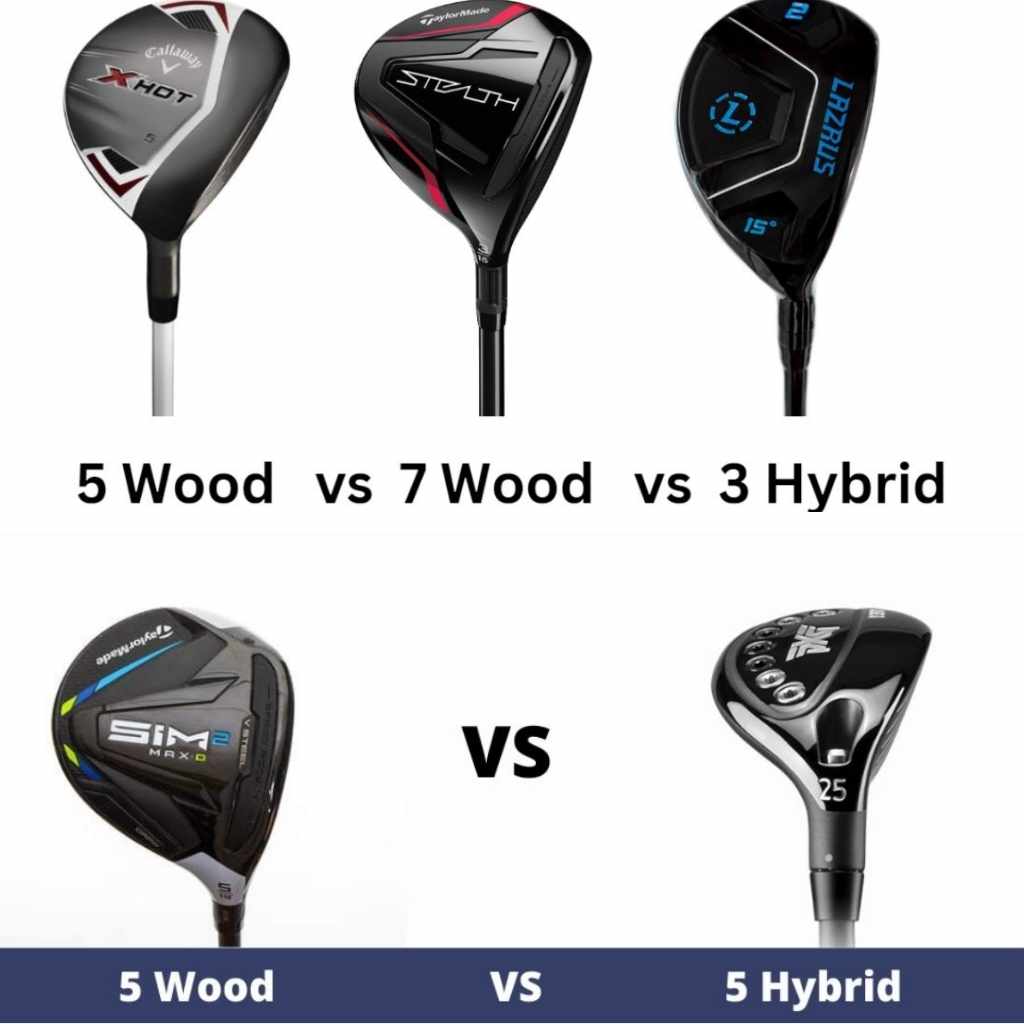
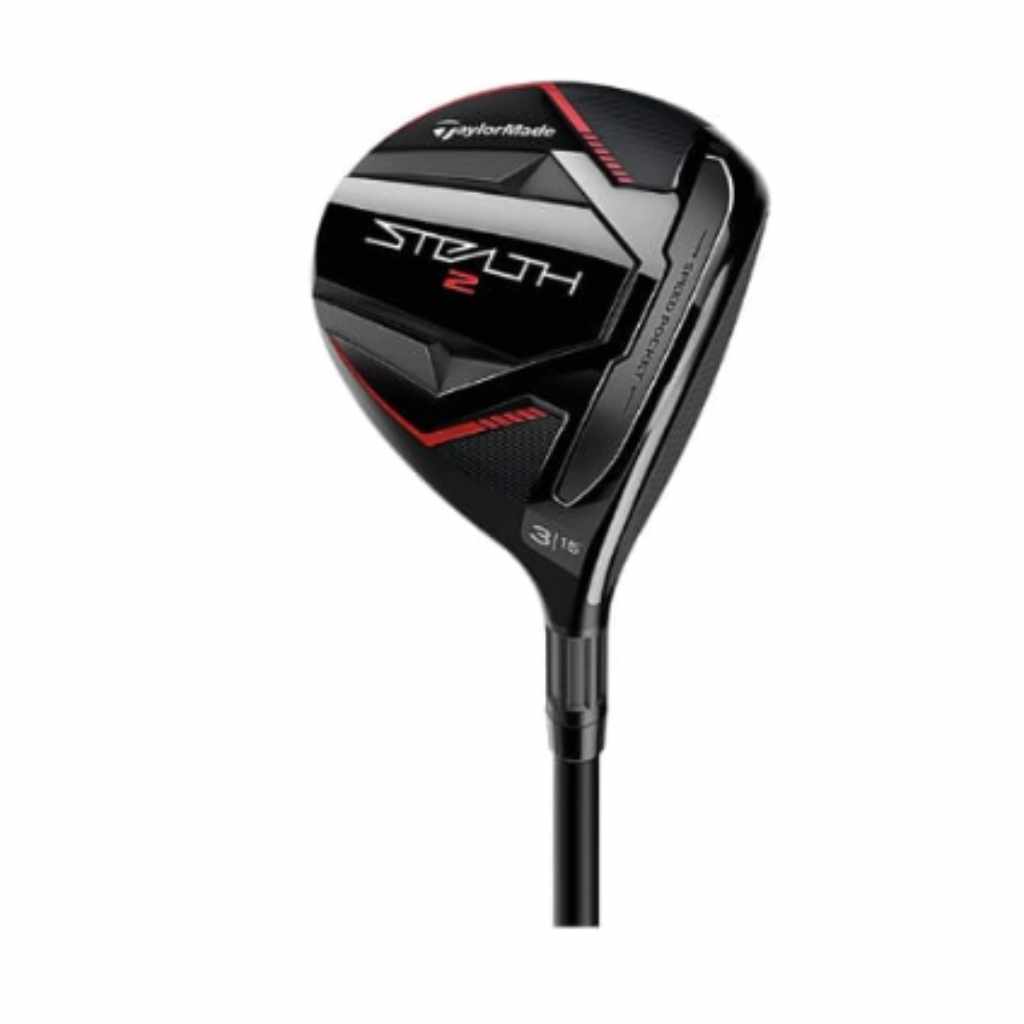
The 5 wood is essentially a smaller version of your traditional fairway wood (like the 3 or 5 wood). It features a larger, deeper metal head, often made from titanium or steel, and a longer shaft than an iron or hybrid.
- Loft: Typically ranges from 18 to 20 degrees, similar to a 4 or 5 iron, but the design makes it feel much easier to launch the ball.
- Sole Design: It has a wide, flat sole that is designed to glide smoothly across the fairway turf.
- Performance Goal: To provide maximum distance from the short-grass fairway shots while still being usable off a low tee.
The 5 wood is built for lower loft and maximum ball speed across the face. Its slightly longer shaft generates more clubhead speed, translating to greater distance—if you can strike the center of the face consistently.
What is a 5 Hybrid? The Iron/Wood Crossover
The hybrid club was invented specifically to replace the long, difficult-to-hit irons (like the 3, 4, and 5 iron). It takes the best features of a wood and an iron and combines them into one easy-to-hit package.
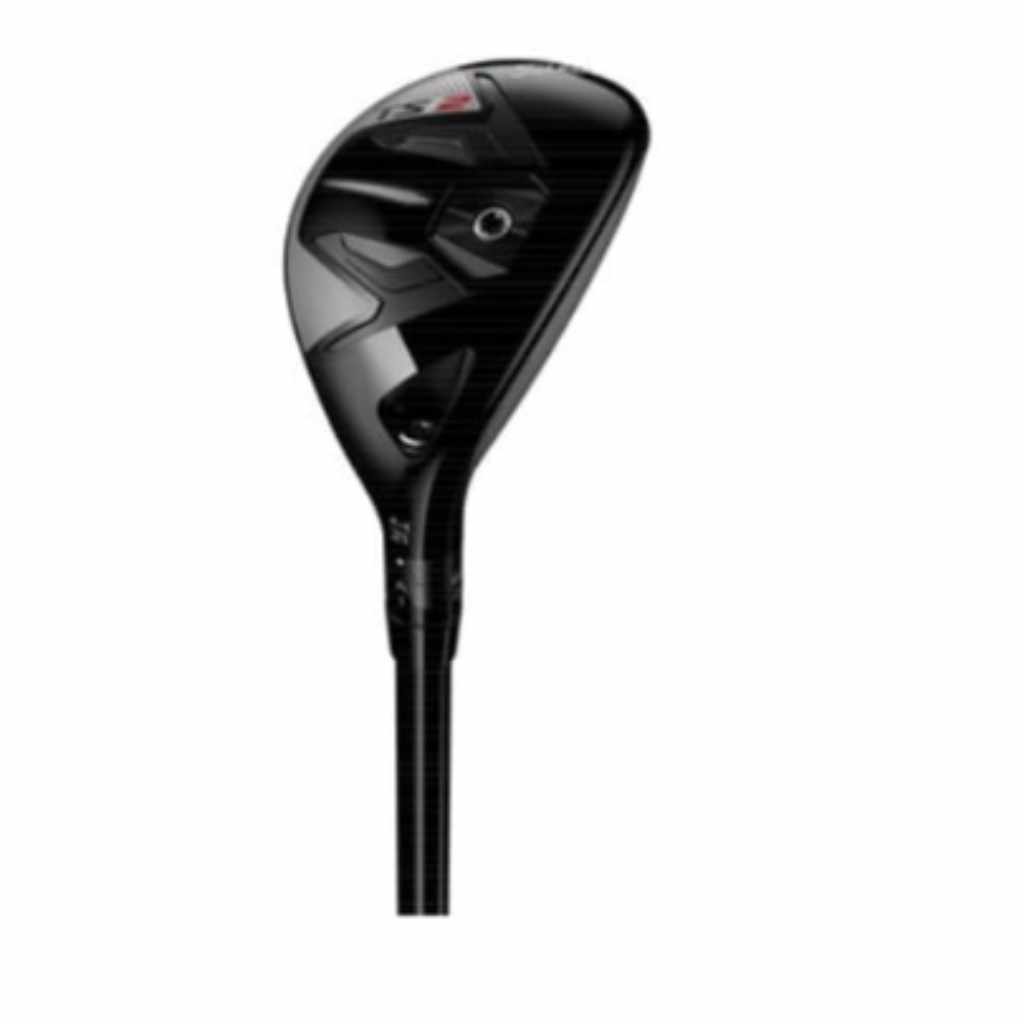
- Head Shape: The head is smaller and more compact than a fairway wood, similar to a thick iron head, often made of heavy stainless steel.
- Loft: A 5 hybrid usually sits around 23 to 25 degrees of loft. This is slightly higher than a 5 wood.
- Performance Goal: To deliver high launch, superior forgiveness on off-center hits, and excellent control, especially when hitting from less-than-perfect lies (like light rough).
Hybrids are designed for control over pure distance. They excel at getting the ball up quickly and landing softer on the green, which is crucial when approaching longer holes. For most beginners, the forgiveness built into the hybrid head is a massive advantage.
The Core Differences: 5 Wood vs 5 Hybrid
When examining the 5 wood vs 5 hybrid closely, the differences become clear in three key areas: head size, shaft length, and intended lie.
1. Head Size and Shape
This is the first thing you’ll notice when you look down at the ball. The 5 wood will look significantly larger and deeper from front to back. The hybrid looks narrower and more iron-like.
A larger face on the 5 wood means a larger sweet spot, but it also means more potential for mishits that launch high and short if you catch the top or bottom of the face too closely. The compact hybrid head makes visualizing a solid iron-like strike easier for players used to irons.
2. Shaft Length and Swing Dynamics
Shaft length heavily influences how you swing the club and how far the ball travels.
- 5 Wood Shaft: Generally longer (around 42 inches). A longer shaft means more potential clubhead speed and therefore more distance. However, a longer shaft makes controlling the face angle at impact much harder, leading to slices or hooks if your timing is off.
- 5 Hybrid Shaft: Generally shorter (around 40 to 41 inches). This shorter length promotes a more controlled, repeatable swing arc, which is fantastic for accuracy when you are still developing your full swing mechanics.
Think of it like swinging a driver versus swinging a fairway wood. More length gives you more power potential, but less control. For a beginner, reliability trumps raw distance most of the time.
3. Forgiveness and Turf Interaction
Forgiveness relates to how well the club retains distance and direction when you don’t hit the exact center of the face. Turf interaction is how the sole of the club moves through the grass.
The 5 hybrid usually wins on forgiveness. Its center of gravity is typically lower and deeper relative to its size compared to a 5 wood, which helps get the ball airborne even on thin or fat shots. Furthermore, the slightly scooped back or hollow design of most hybrids allows them to glide through light rough much better than a wide-soled 5 wood, which can dig in more easily.
For the 5 wood, its wide, flat sole is designed primarily for smooth contact on tightly mown fairway lies. It can struggle if you have fluffy rough or require your club to cut through thick grass.
Head-to-Head Comparison Table
To make the choice even clearer, let’s put the main characteristics side-by-side. This table shows the typical specs you’ll find for a modern set.
| Feature | 5 Wood | 5 Hybrid |
|---|---|---|
| Typical Loft Range | 18° – 20° | 23° – 25° |
| Head Size & Shape | Larger, deeper metal head | Smaller, iron-like head |
| Shaft Length (Approx.) | Longer (42″+) | Shorter (40″ – 41″) |
| Primary Design Focus | Maximum Distance & Runout | Playability & Forgiveness |
| Ideal Lie | Tight Fairway | Fairway, Light Rough, Tees |
| Launch Trajectory | Mid-Low | Mid-High |
When Should You Choose the 5 Wood?
The 5 wood is a distance tool. It is best suited for players who already have a decent, repeatable swing speed and excellent contact skills, even when using their irons.
Ideal Scenarios for the 5 Wood
If you find yourself often in these situations, grabbing a 5 wood might be your best bet for maximizing yardage:
- You Need Maximum Distance Off Tight Lies: When you have a perfect lie on the fairway and need to cover significant ground (perhaps 180–200 yards for certain handicaps), the 5 wood’s added shaft length and lower loft will give you those extra crucial yards.
- You Hit Irons Very Well: If your 5 iron flies high and you struggle to keep the ball down, the lower-lofted 5 wood helps maintain a lower flight trajectory if you catch it properly.
- Tee Box Usage is Primary: If you plan on using the club almost exclusively off the tee box on shorter par 4s or narrow par 5s, the 5 wood functions like a controllable driver replacement.
- You Possess a Smooth, Full Swing: Players who generate consistent clubhead speed through good rotation can leverage the longer shaft better.
Mentor Tip: Because the 5 wood has less loft, you need to hit it slightly on the upswing (or slightly ascending) to launch it correctly. Hitting down on a 5 wood often results in a low, weak shot that barrels along the ground.
When Should You Choose the 5 Hybrid?
The 5 hybrid is the workhorse, the confidence booster, and the general utility club for the amateur golfer. It is designed to minimize problems and maximize playable results.
Ideal Scenarios for the 5 Hybrid
For the majority of golfers establishing their game, the 5 hybrid is the safer and smarter choice:
- You Struggle to Hit Long Irons: If your 5 iron seems impossible to launch consistently, the hybrid will feel immediately easier to lift off the turf.
- Forgiveness is Your Friend: Off-center strikes happen to everyone. The hybrid’s design minimizes distance loss and keeps the ball straighter when you miss the center.
- You Play Inconsistent Turf Conditions: If you’re on bumpy fairways, uneven ground, or slightly thick rough, the hybrid’s shape and shorter shaft allow you to successfully maneuver the clubhead through the grass without snagging.
- You Need Consistent Launch Angle: The higher loft (23°-25°) ensures the ball gets airborne quickly, which is critical for stopping the ball on greener approach shots.
- You Want a Confident Swing: A shorter, more compact club generally feels easier to control. This confidence often translates directly into better swing mechanics at impact.
The hybrid’s design is heavily influenced by modern club fitting principles focused on improving launch angle for a broader base of players. You can find excellent supporting research on launch dynamics from organizations such as the National Golf Foundation (NGF resources).
Mastering Turf Interaction: The Key to Confidence
The biggest physical difference between hitting a 5 wood and a 5 hybrid comes down to how the sole interacts with what’s under the ball. This concept is vital, especially for beginners learning to hit shots off the grass.
The 5 Wood Swing Action (Sweeping)
With the 5 wood, you want to treat it almost like a driver off the turf. The goal is to hit the ball on the upswing or at the absolute bottom of your swing arc.
Imagine you are trying to sweep the ball away, slightly compressing it against the ground. If you hit down too steeply, the wide sole catches the turf too early, sending the ball sky-high but very short.
The 5 Hybrid Swing Action (Steep vs. Shallow)
Hybrids are versatile, but they are excellent at handling slightly steeper attack angles than woods.
While you still don’t want massive downward strikes, the design of the hybrid allows you to take a more controlled, slightly downward path (similar to a 5 iron) without the leading edge digging severely. This allows for better compression on the ball, ensuring the energy goes into forward motion rather than being lost fighting the grass.
To practice this, think about picking a small patch of grass just after the ball, rather than at the ball itself. This is often easier to achieve with a hybrid than with a wide-bottomed wood.
The Role of Loft in Distance and Stopping Power
In golf, loft is king. It dictates how high the ball climbs and how steeply it descends onto the green. Here is how the typical loft differences affect your results:
| Club Type | Loft Range (Approx.) | Distance Potential | Green Stopping Power |
|---|---|---|---|
| 5 Wood | 18° – 20° | Higher (Longer carry and roll) | Lower spin; ball rolls out significantly |
| 5 Hybrid | 23° – 25° | Medium (Shorter carry, more control) | Higher spin; stops quicker on the green |
If your goal is to hit the green and have the ball stop near where it lands (a high-spin shot), the higher loft of the 5 hybrid is superior. If you are playing a wide-open hole where the green is massive and you need maximum carry distance to reach it, the 5 wood provides a flatter trajectory that carries farther.
Putting Together Your Beginner Bag Strategy
As a beginner, you don’t need every single club. You need clubs that give you the best chance of hitting the fairway or green in regulation when you need it most. Here is a starting strategy for filling that gap between your shortest fairway wood (usually a 3 or 5 wood) and your mid-irons (6 or 7 iron).
The Step-by-Step Selection Process
Follow these steps to determine which club should replace your struggling long irons:
- Identify Your Distance Gap: Hit your 7 iron its best distance. Then, hit your shortest fairway wood (likely a 3 or 5 wood) its best distance. Where does the gap fall? If you need a club that goes 150 yards, you might need a 5 hybrid (around 23°). If you need 175 yards, the 5 wood might be tempting.
- Test Loft vs. Forgiveness: Go to a driving range or use a launch monitor (if available) and hit several shots with both a 5 wood and a 5 hybrid aimed at the same target. Note which one provided the least frustrating results, even on mishits.
- Check Your Swing Type: Do you tend to swing hard and fast, generating a low ball flight? Try the 5 wood. Do you struggle with consistency, often producing weak slices or topped shots? The 5 hybrid will offer immediate help.
- Consider the Rough: If you often lose your ball in the rough because your woods get stuck, the hybrid’s shape promotes easier escape.
- Final Commitment: For most golfers starting out, I strongly recommend starting with the 5 hybrid. It builds confidence faster because it is easier to launch consistently. You can always swap to a 5 wood later once your swing speed and consistency improve significantly.
The Mentality of Club Choice: Confidence Over Distance Metrics
I cannot stress this enough: Golf is as much mental as it is physical. If picking up a club makes you nervous, you will swing worse. If picking up a club makes you feel like you have a chance, you will swing better.
Many golfers chase the yardage number advertised by the 5 wood, only to find they are hitting that 5 wood only half as far as their hybrid because they cannot square the face at impact. That mental frustration destroys the round.
The 5 hybrid is the confidence builder. Its shorter shaft is easier to handle under pressure—think approach shots on tight holes or when you need to punch out from under trees. You get a high probability of a decent result, which is priceless in scoring.
Advanced Consideration: Adjustability and Range
Modern golf clubs, even hybrids and some woods, are increasingly coming with adjustable features. While traditional 5 woods often have fixed lofts, many premium 5 hybrids now feature adjustable hosels.
Adjustability allows you to change the loft (and thus the necessary flight characteristics) of the club by turning a simple screw in the neck. For example, if you find your 5 hybrid is too high at 24 degrees, you might be able to adjust it down to 22 degrees to mimic the flight characteristics of a lesser-lofted club. This is a significant advantage for dialing in your precise yardage gaps without buying a completely new club.
For beginners, purchasing a high-quality adjustable 5 hybrid may be the best long-term investment, as it can grow with your swing modifications. You can learn the basic mechanics first, and then tweak the loft settings as needed. For more information on how adjusting loft affects ball flight, check out resources from established equipment manufacturers like Titleist on their (Titleist research).
Frequently Asked Questions (FAQ)
Q1: Can a 5 hybrid really go as far as a 5 wood? A1: Generally, no. The 5 wood has a longer shaft and lower loft, designed to squeeze out more distance. A typical 5 hybrid will likely be 10 to 20 yards shorter than a well-struck 5 wood.