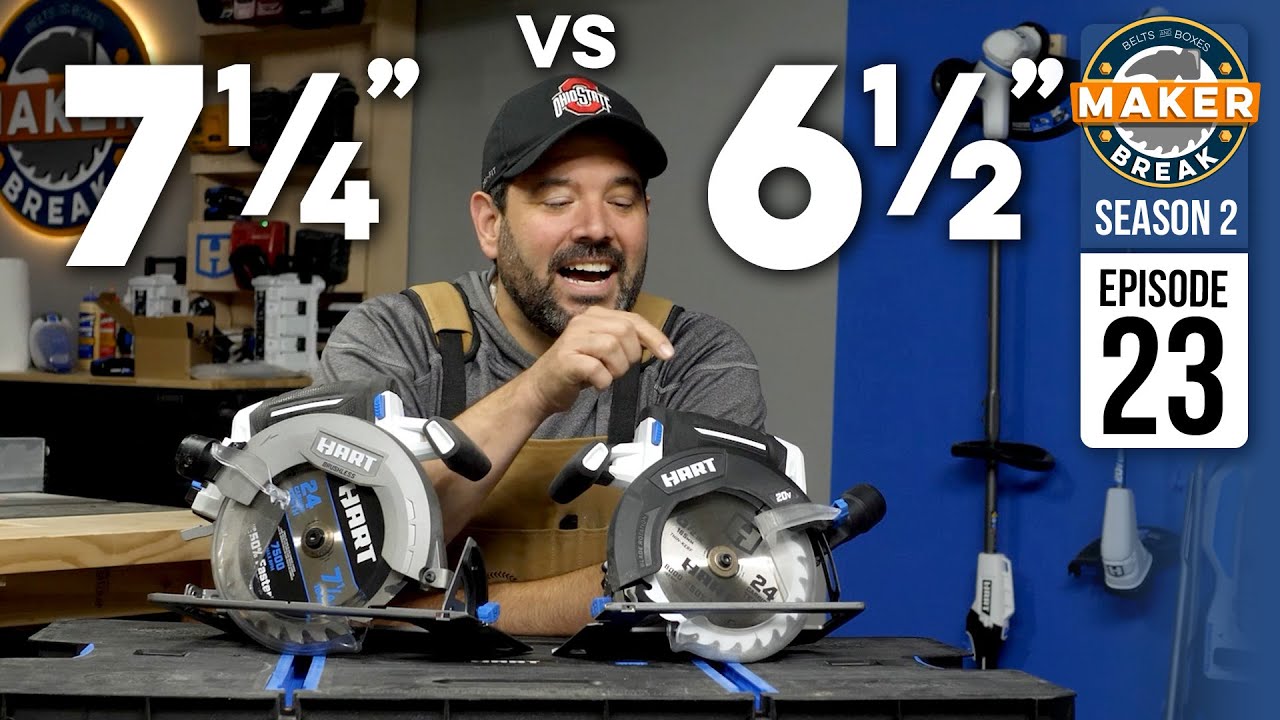
6 1/2 Circular Saw Vs 7 1/4: Which is Best for You?
Are you stuck choosing between a 6 1/2-inch circular saw and a 7 1/4-inch model? You’re not alone.
This decision can feel overwhelming, especially with so many options available. These tools are essential for any DIY enthusiast or professional woodworker, but the size difference can impact your projects significantly. Will the smaller, lighter 6 1/2-inch saw be enough for your needs, or does the robust 7 1/4-inch saw offer the versatility you crave?
By the end of this article, you’ll have a clear understanding of which saw fits your specific requirements. Let’s dive in and discover how these tools can change the way you work.
Blade Size Differences
Choosing the right circular saw blade size can impact your projects. Two popular options are the 6 1/2 inch and 7 1/4 inch blades. Each has distinct features and benefits. Understanding these differences helps make an informed decision.
Cutting Depth
The cutting depth varies between these blade sizes. A 6 1/2 inch blade offers less cutting depth. It’s suitable for thinner materials. It usually cuts up to 2 inches deep. The 7 1/4 inch blade cuts deeper. This blade can cut up to 2.5 inches. Perfect for thicker woods.
Weight And Portability
Weight matters when using a circular saw. The 6 1/2 inch saw is lighter. Easier to carry and handle. Ideal for overhead tasks. The 7 1/4 inch saw is heavier. Provides more stability during tough cuts. Portability might be a concern for some users.

Credit: www.reddit.com
Power And Performance
When choosing between 6 1/2 and 7 1/4 circular saws, power and performance are crucial. Both saws offer distinct advantages in terms of motor efficiency, speed, and torque. Understanding these differences can help you decide which saw best fits your needs.
Motor Efficiency
The motor efficiency of a saw determines how well it converts electrical energy into cutting power. A 6 1/2 circular saw typically has a lighter motor. This makes it easier to handle and control. It consumes less energy, resulting in longer battery life for cordless models.
In contrast, a 7 1/4 circular saw usually has a more powerful motor. This allows for efficient cutting through thicker materials. Although it may consume more energy, it delivers superior cutting capacity. Choosing the right motor efficiency depends on your project’s demands.
Speed And Torque
Speed and torque are key factors influencing a saw’s cutting ability. A 6 1/2 saw often offers higher speed. This makes it ideal for precise cuts on thinner materials. Its lightweight design allows for swift operation.
On the other hand, a 7 1/4 saw provides greater torque. This is essential for cutting through dense materials. It offers consistent power, ensuring clean and accurate cuts. Consider the material and cutting requirements to decide which saw’s speed and torque meet your needs.
Versatility And Applications
Circular saws come in different sizes, each with unique features. The 6 1/2-inch and 7 1/4-inch saws are popular choices. Their versatility makes them essential tools in many projects. Choosing the right size can affect the ease of your work. Understanding their applications helps in making the best choice.
Suitable Materials
The 6 1/2-inch saw is ideal for lighter materials. It cuts through plywood and thin boards with ease. Perfect for small home projects. The 7 1/4-inch saw handles tougher jobs. It cuts hardwood and thick lumber efficiently. More power for demanding tasks.
Common Uses
The smaller saw suits indoor carpentry well. It’s great for furniture making and small repairs. The larger saw is better for outdoor work. It excels in deck building and framing tasks. Professionals often prefer it for heavy-duty construction. Both saws have their place in a toolkit. They cater to varied cutting needs.
Ease Of Use
Choosing between a 6 1/2-inch and a 7 1/4-inch circular saw can be challenging. Ease of use is a crucial factor to consider. This aspect affects how comfortably you can work with the tool. It impacts precision and safety during your projects. Let’s explore how these saws compare in terms of handling, control, adjustments, and features.
Handling And Control
The 6 1/2-inch circular saw is lighter. Its compact size makes it easier to handle. This saw is great for overhead cuts or tight spaces. The 7 1/4-inch saw feels bulkier. It may be harder to control for beginners. Yet, it offers more stability for straight cuts. Experienced users might prefer its power and reach.
Adjustments And Features
Both saws offer adjustable settings. The 6 1/2-inch saw often has simpler adjustments. It is more straightforward for quick changes. The 7 1/4-inch saw offers more advanced features. These might include laser guides and depth settings. Its features can enhance accuracy. Yet, they may be complex for new users. Consider your comfort with these adjustments before choosing.
Cost And Value
Choosing between a 6 1/2 and a 7 1/4 circular saw involves cost and value. Both saws offer unique benefits. Yet, the decision often hinges on price and long-term advantages. Understanding these factors can help make a better choice.
Price Range
The 6 1/2 circular saw generally costs less. It caters to budget-conscious buyers. This size is often considered more affordable. On the other hand, the 7 1/4 saw tends to have a higher price tag. This is due to its larger size and enhanced capabilities. For those needing more power, the extra cost may be worth it. Comparing prices helps in deciding which saw fits the budget.
Long-term Investment
Investing in a circular saw also involves considering its lifespan. A 6 1/2 saw may suit beginners or light tasks. It provides good value for simple projects. A 7 1/4 saw, while pricier, offers durability and strength. It’s suitable for frequent or heavy-duty use. The larger saw may last longer, providing better long-term value. Weighing these factors can guide a smart purchase decision.

Credit: www.youtube.com
Safety Considerations
Choosing between a 6 1/2 and a 7 1/4 circular saw? Safety matters. Each saw size comes with its own safety features and user precautions. Understanding these can prevent accidents and enhance your woodworking experience. Let’s explore how each saw ensures safety and what precautions users should take.
Safety Features
The 6 1/2 circular saw is compact and lightweight. This makes it easier to handle. It often includes a blade guard. The guard covers the blade when not in use. This reduces accidental contact. Electric brakes are another feature. They stop the blade quickly after the trigger is released.
The 7 1/4 circular saw offers robust safety features too. It usually has a more powerful motor. This allows for smooth cutting. Anti-snag lower guards help prevent snags during cuts. Larger saws may also include laser guides. These guides help ensure straight cuts, reducing mishaps.
User Precautions
Always wear safety goggles when using any saw. Flying debris can harm your eyes. Gloves protect your hands from sharp edges. Ensure the work area is clean and well-lit. A cluttered workspace can lead to accidents.
Check the saw’s cord for any damage. A damaged cord can cause electrical shocks. Secure your workpiece firmly before cutting. This prevents it from moving unexpectedly. Always keep your hands away from the blade path.
Reading the user manual is crucial. It provides detailed safety instructions. Understanding these instructions can prevent many common accidents. Practice makes perfect. Get comfortable with your saw by practicing on scrap wood first.
User Preferences
Choosing between a 6 1/2 and a 7 1/4 circular saw depends on user preferences. Each size offers unique benefits. Understanding what each user needs can guide the decision.
Professional Needs
Professionals often need powerful tools. The 7 1/4 circular saw offers that power. It cuts through thick materials easily. This size is ideal for construction projects. Professionals appreciate the larger blade for deeper cuts. It handles tough jobs with ease. It’s reliable for frequent use.
DIY Enthusiast Choices
DIY enthusiasts prefer the 6 1/2 circular saw. It’s lighter and easier to handle. This size suits home projects well. Its compact design is perfect for small spaces. DIYers find it easy to control. It’s great for crafting and home repairs. This saw offers convenience and efficiency.
Credit: www.diablotools.com
Frequently Asked Questions
What Is The Difference Between 6 1 2 And 7 1 4 Inch Circular Saw?
The main difference is the blade size. A 6 1/2-inch saw is lighter and more portable. A 7 1/4-inch saw offers deeper cuts and is better for heavy-duty tasks. Choose based on your project’s cutting depth and portability needs.
How Thick Can A 6 1/2 Circular Saw Cut?
A 6 1/2-inch circular saw can cut to a depth of approximately 2 to 2. 5 inches. Ensure accurate measurements for specific materials. Always check the manufacturer’s specifications for precise cutting capabilities.
What Is The Most Useful Circular Saw Size?
The most useful circular saw size is 7 1/4 inches. It balances power and versatility, handling most cutting tasks efficiently. This size suits both professionals and DIY enthusiasts, providing depth and precision in various materials. Its widespread availability ensures easy access to blades and parts.
How Thick Can A 7 1/4 Circular Saw Cut?
A 7 1/4 circular saw can typically cut materials up to 2 1/2 inches thick. For deeper cuts, consider using a larger saw or making multiple passes. Ensure the blade is sharp for efficient cutting and safety. Always check the manufacturer’s specifications for exact cutting capacity.
Conclusion
Choosing the right circular saw size matters. Consider your project needs. 6 1/2-inch saws work well for lighter tasks. They offer easy handling and portability. 7 1/4-inch saws handle tougher jobs. They cut deeper and tackle thicker materials. Think about your cutting needs.
Balance power with control. Quality and features vary by brand. Check reviews before buying. Both sizes have pros and cons. Your choice depends on your specific project requirements. Make an informed decision. Find the saw that fits your needs best.
Your projects deserve the right tool.