Can You Eat Oak Nuts What’s Safe to Eat And How to Prepare
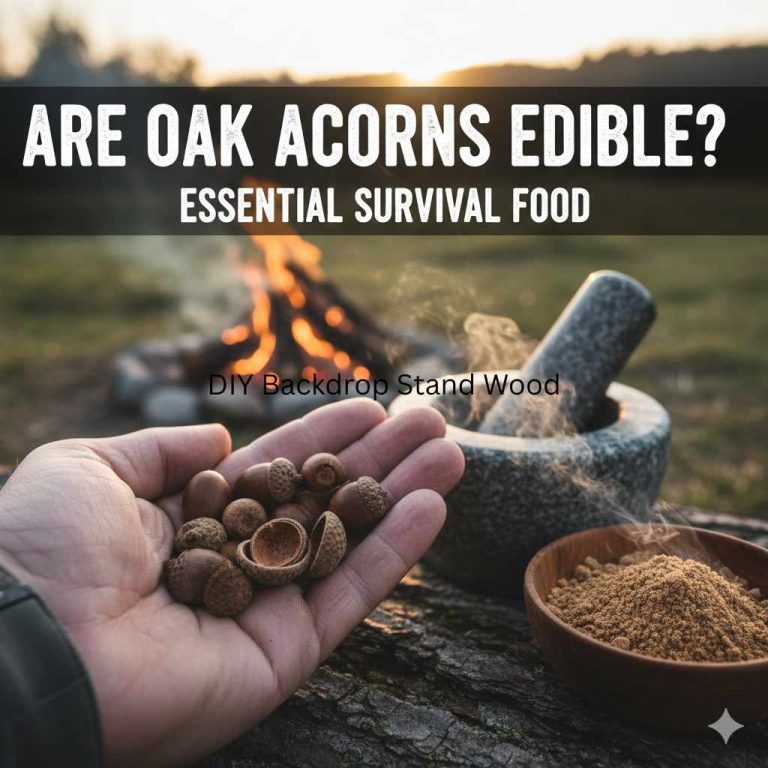
Figuring out Can You Eat Oak Nuts? What’s Safe to Eat can feel tricky, especially if you’re new to foraging. Many people are curious about wild foods, but they worry about safety. The good news is that oak nuts can be eaten, but preparing them correctly is super important. We’ll explore how to handle these nuts, making it easy to enjoy a tasty snack. Get ready to learn step-by-step how to make oak nuts a part of your diet!
Exploring the World of Oak Nuts
Oak nuts, also known as acorns, have a long history as a food source. They’ve been a part of human and animal diets for ages, particularly in regions where oak trees are abundant. However, eating acorns raw can be a problem. They contain tannins, which give them a bitter taste and can cause digestive issues. The key to enjoying oak nuts lies in preparing them properly to remove those tannins.
Discovering Different Oak Nut Varieties
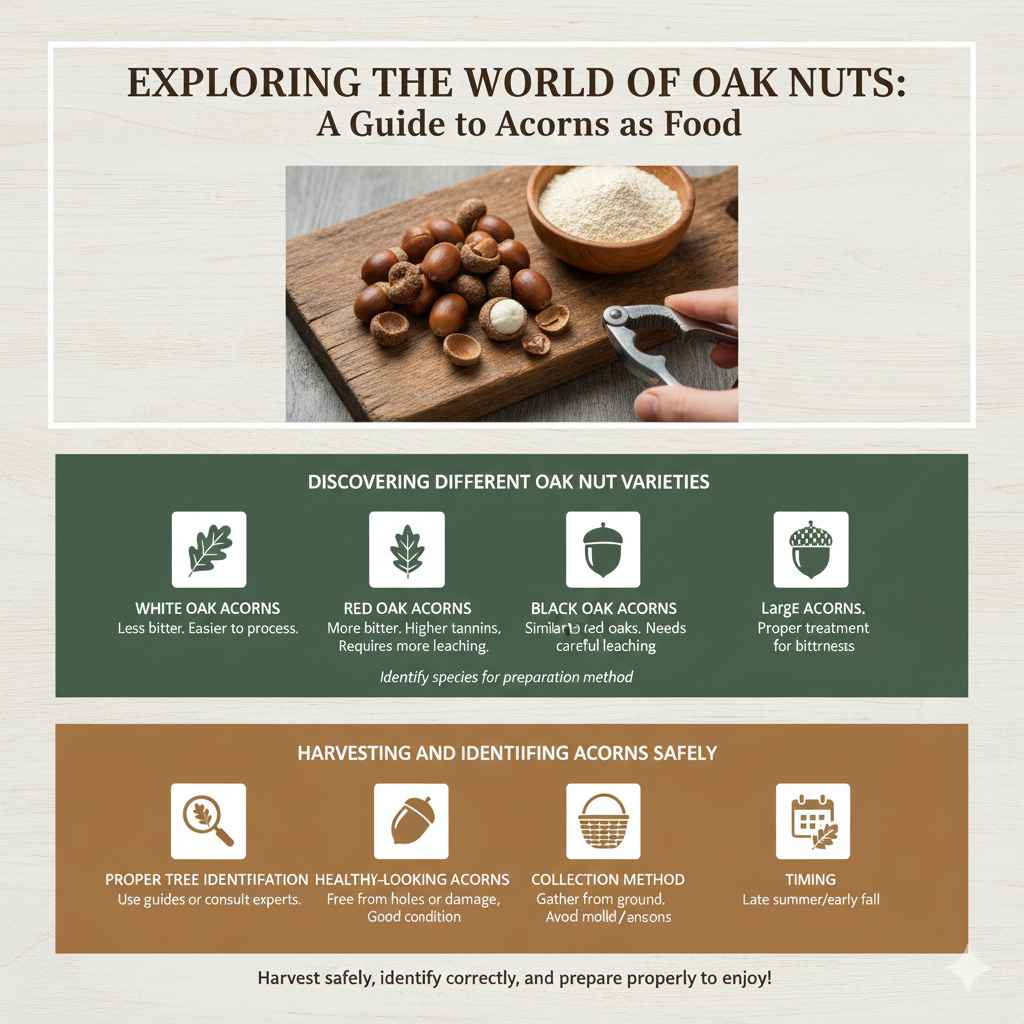
There are many types of oak trees, and each produces slightly different nuts. Some oak nut varieties have lower tannin levels than others, which affects how much preparation they need. Knowing the type of oak helps you understand the steps required. Different species, like white oak and red oak, have varying levels of bitterness. White oaks often have lower tannin levels, making the process easier. Red oaks usually have higher tannin content, requiring more leaching.
- White Oak Acorns: These acorns tend to be less bitter, making them easier to process.
- Red Oak Acorns: Red oak acorns are typically more bitter because they contain higher levels of tannins.
- Black Oak Acorns: Similar to red oaks, black oak acorns also require careful leaching.
- Bur Oak Acorns: Known for large acorns, these also need proper treatment to remove bitterness.
Identifying the oak species helps in anticipating the processing requirements. The size and shape of the acorn can also be indicators, though the best way is usually through experience or consulting a local expert. It’s important to research what oaks grow in your area.
Harvesting and Identifying Acorns Safely
Gathering acorns is an easy activity, but it’s crucial to be certain about identification. Misidentification can lead to consuming nuts from other trees that may be toxic. Acorns are usually ready to harvest in the fall. You can find them on the ground under oak trees. Look for acorns that are ripe, which typically means they are brown and have fallen from the tree.
- Proper Tree Identification: Make sure you know what type of oak tree you’re dealing with. Use guides, or consult experts if you’re unsure.
- Healthy-Looking Acorns: Only select acorns that are free from holes or damage, indicating they are in good condition.
- Collection Method: A basket or bag works well. Avoid picking up acorns with signs of mold or insects.
- Timing: Harvest acorns in late summer or early fall when they are ripe and have fallen from the tree.
Proper identification ensures you’re gathering edible acorns and avoiding harmful ones. Always double-check before proceeding with preparation. Gathering techniques can also impact the quality of your harvest. Collecting from the ground is usually best.
How to Prepare Oak Nuts for Eating
The main step in preparing oak nuts is removing the tannins. This is what makes them safe and pleasant to eat. There are a few ways to do this, but the primary method involves leaching, which means soaking the nuts in water to draw out the tannins. Proper preparation makes the difference between a bitter, inedible snack and a tasty, nutritious treat. It’s not difficult, but it takes time and patience.
Leaching Techniques for Oak Nuts
Leaching is the process that removes the bitter tannins. There are several methods for this, from cold water soaking to hot water techniques. Cold water leaching is usually more time-consuming but may preserve more of the nutrients. Hot water leaching is faster. The choice depends on the resources you have available and your time.
- Cold Water Leaching: Requires soaking the acorns in cold water, changing the water frequently (every day or two) until the water no longer turns brown.
- Hot Water Leaching: Involves boiling the acorns in water and changing the water several times until the water remains clear.
- Combination Methods: You can combine the two methods, perhaps starting with hot water to speed up the process, then finishing with cold water.
- Testing for Tannins: Taste an acorn during the leaching process to check for bitterness. When the bitterness is gone, the acorns are ready.
The time required for leaching varies depending on the type of oak and the method used. It can take from a few days to several weeks. You can also experiment to find what works best for you. Proper leaching is the most important step in making the acorns safe.
Roasting and Cooking Oak Nuts
Once the tannins are removed, the acorns are ready for cooking. Roasting is a simple way to bring out the nutty flavor. You can also grind them into flour. This makes them a great ingredient in baking and cooking. The versatility of acorns as an ingredient is quite remarkable. It makes them useful in several kinds of dishes.
- Roasting: Spread the leached acorns on a baking sheet and roast them in the oven at about 350°F (175°C) until they are golden brown and fragrant. This usually takes about 15-20 minutes.
- Grinding into Flour: After roasting, let the acorns cool, and then grind them into a flour using a food processor or a coffee grinder. This flour can be used in various recipes.
- Cooking Methods: Acorns can be added to soups, stews, or even used as a side dish. Experiment with different cooking styles to discover new flavors.
- Storage: Store roasted acorns in an airtight container in a cool, dry place. Acorn flour should also be kept in an airtight container.
Roasting is an easy way to enjoy the nutty flavor of acorns. You can also experiment with different cooking styles to explore the versatility of acorns. Properly roasted acorns store well, allowing you to use them in various recipes over time.
Nutritional Benefits and Safety Tips
Oak nuts, when prepared correctly, provide several nutritional benefits. They are a source of carbohydrates, fats, and some vitamins and minerals. However, eating them requires caution, as they contain substances that can cause issues if not removed. When properly prepared, oak nuts can be a healthy addition to your diet. Keep the tips below in mind.
Health Benefits of Oak Nuts
Acorns offer a decent source of nutrients, providing energy and essential components for health. They can be a part of a well-balanced diet. They also offer some unique health benefits compared to other nuts. With the proper preparation, acorns are a healthy choice.
- Carbohydrates: Acorns are a good source of carbohydrates, providing energy for the body.
- Fats: They contain healthy fats, which are important for overall health and function.
- Minerals: Acorns contain minerals like potassium and magnesium, which support various bodily functions.
- Fiber: They provide dietary fiber. This supports healthy digestion.
- Antioxidants: Acorns have antioxidants that help protect cells from damage.
While acorns are nutritious, they are not a complete food source. They should be part of a balanced diet that includes other foods. Their nutritional content varies depending on the oak species and how they are prepared. Enjoying acorns in moderation, as part of a varied diet, contributes to overall well-being.
Safety Guidelines for Consuming Oak Nuts
Eating oak nuts requires attention to safety to avoid digestive issues. The most important step is to make sure you remove the tannins completely. Eating acorns raw or improperly prepared can cause stomach upset. Following the safety guidelines ensures you can enjoy acorns safely.
- Thorough Leaching: Always remove the tannins through proper leaching methods.
- Start Small: Begin with a small serving to see how your body reacts.
- Monitor Reactions: Watch for any digestive upset. If you experience problems, reduce your intake or stop consuming them.
- Source Knowledge: Know the source of your acorns and make sure they are from a reliable, identified oak tree.
If you’re unsure about consuming acorns, consult a healthcare professional. Everyone’s tolerance is different. The key is careful preparation, moderate consumption, and listening to your body. Following these safety guidelines helps make oak nuts a safe and enjoyable part of your diet.
Real-Life Examples and Scenarios
To really appreciate the process, seeing real examples can be helpful. These case studies and scenarios show how people use acorns. They demonstrate the practical application of preparing oak nuts. They also demonstrate the rewards of safely harvesting and preparing oak nuts.
Case Study One: The Leaching Experiment
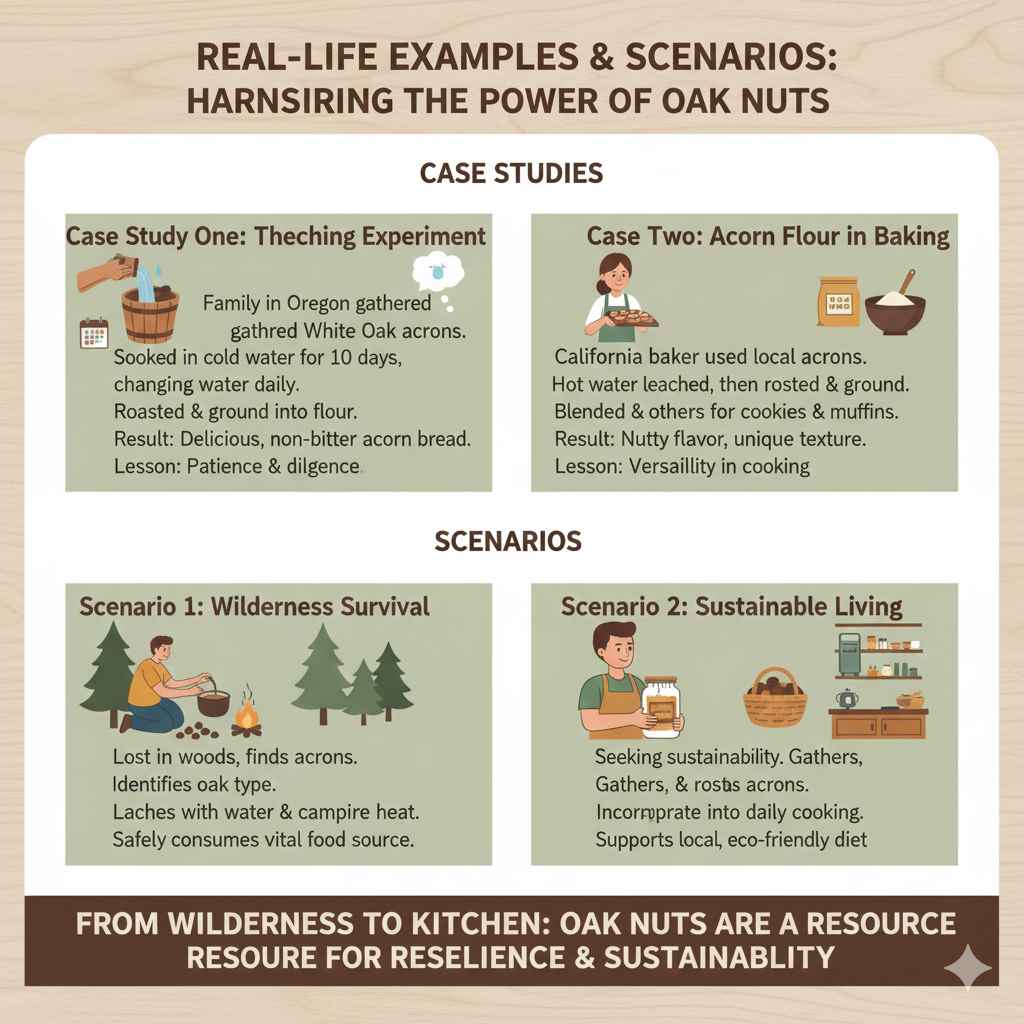
A family in rural Oregon decided to try using acorns. They gathered acorns from a local white oak. They started with the cold water leaching method. They soaked the acorns in a bucket, changing the water every day. They tested the water. After about a week and a half, the water ran clear. They roasted the acorns. The family enjoyed acorn flour in their bread, finding it delicious and free of bitterness. They learned the importance of patience and diligence in the preparation process.
Case Study Two: Acorn Flour in Baking
A baker in California was interested in using local ingredients. She decided to use acorns. She started by collecting acorns from a local park. She chose the hot water leaching method. The baker roasted the leached acorns. She then ground them into flour. She experimented with the flour in various recipes, like cookies and muffins. She discovered that a blend of acorn flour and other flours worked well, adding a nutty flavor and texture. This proved that acorns could successfully be incorporated into everyday cooking.
- Scenario 1: Wilderness Survival: Imagine you are lost in the woods. You find acorns. Using the information you learned, you’d identify the type of oak. You’d find a way to leach the acorns using available water and possibly a campfire. You would be able to safely consume a vital food source to survive.
- Scenario 2: Sustainable Living: You want to reduce your impact. You learn about gathering acorns. You gather them, leaching and roasting the acorns. You then use them in your cooking, supporting a sustainable lifestyle.
These examples reveal the practical ways that people work with acorns in different situations. Whether for survival or everyday use, acorns can become a part of your diet.
Frequently Asked Questions
Question: Are all types of acorns safe to eat?
Answer: Not all acorns are equally safe to eat directly. The level of tannins varies among different oak species. You must remove tannins before consuming acorns.
Question: How can I tell if the acorns are ready to eat after leaching?
Answer: Test the acorns by tasting them. They should no longer be bitter. The water should run clear during the final leaching stage.
Question: Can I store prepared acorns for later use?
Answer: Yes, roasted acorns and acorn flour can be stored in airtight containers. Store in a cool, dry place to maintain their quality.
Question: What if I eat an acorn without leaching it?
Answer: Eating raw or improperly leached acorns can cause stomach upset. This is due to the high tannin content, which can be irritating to the digestive system.
Question: Can I use acorns in recipes other than flour?
Answer: Absolutely! You can roast them as a snack. You can add them to soups and stews or use them as a side dish.
Final Thoughts
Figuring out Can You Eat Oak Nuts? What’s Safe to Eat involves more than just a simple yes or no. Oak nuts can be enjoyed, but preparing them correctly is essential. The key step is removing the tannins through careful leaching. This transforms bitter, inedible acorns into a nutritious, tasty food.
Understanding the different types of oak trees and their acorns is also important, as each species might require slightly different preparation methods. The leaching process itself, whether through cold or hot water, is time-consuming but rewarding. Once the tannins are removed, the acorns can be roasted, ground into flour, and used in a variety of dishes.
Enjoying oak nuts safely means identifying the trees, harvesting ripe acorns, and following proper leaching and cooking methods. Starting with small amounts, you can determine how acorns will fit into your meals. With a bit of patience and attention, you can harvest and prepare acorns. This gives you a new food source and a link to the natural world. Why not start your acorn adventure this season and explore new flavors?