AC vs BC Plywood: Picking the Right Wood for Your Project
Choosing the right plywood can be a little tricky, especially when you’re just starting out. You might be wondering, AC vs BC Plywood: Which Grade Is Better? It’s a common question! Don’t worry, though; it’s easier than it seems. This post will break down the differences in a simple, step-by-step way, so you’ll know exactly which plywood to pick for your next project. We’ll look at what makes each grade unique and how that affects how you use them. Let’s get started!
Unpacking the Differences Between AC and BC Plywood
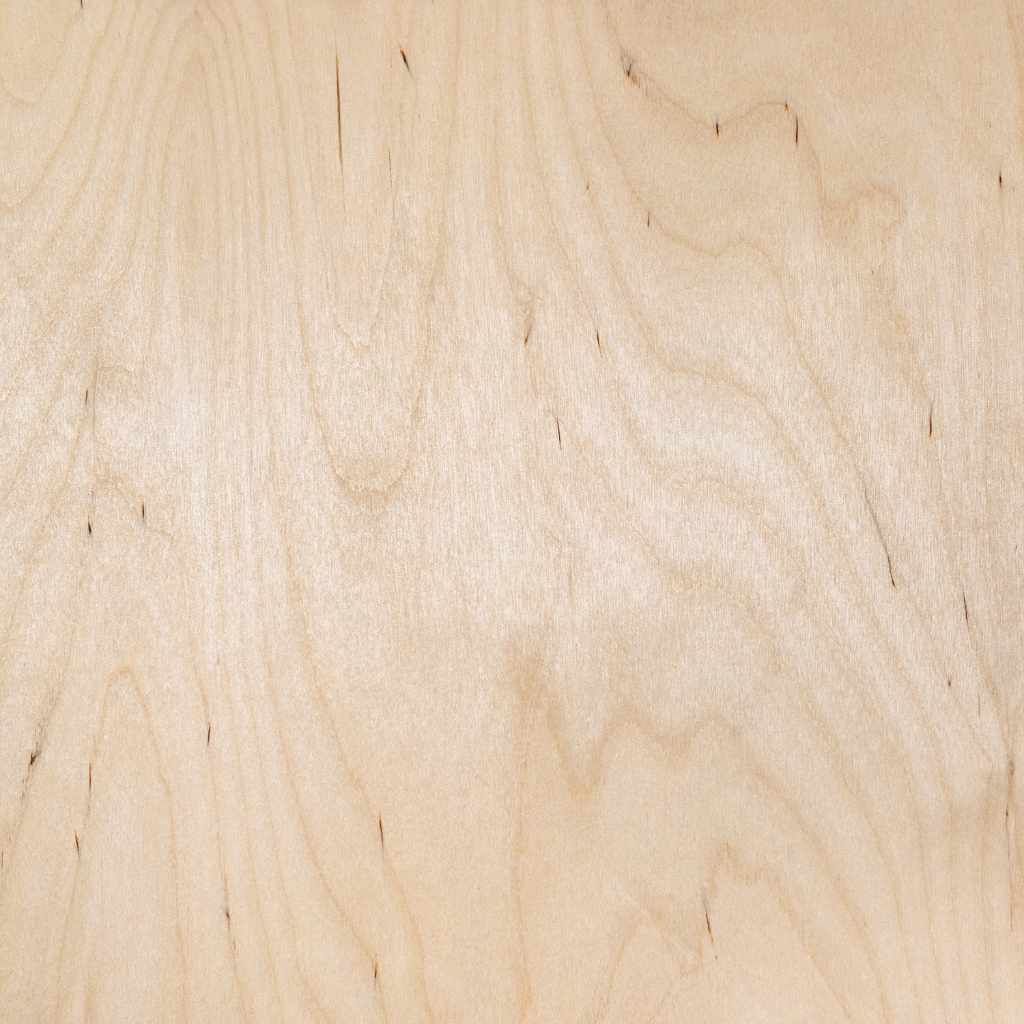
When you’re shopping for plywood, you’ll see grades like AC and BC. These letters refer to the quality of the wood’s face and back veneers. The letters aren’t random; they represent the grades of the veneers. The “A” in AC represents the highest quality, with a smooth surface perfect for painting. The “B” grade is a bit rougher, but still suitable for many projects. Understanding these differences is the first step in picking the right plywood for your needs. Knowing about these distinctions makes a big difference when considering AC vs BC Plywood: Which Grade Is Better? for your specific project.
Understanding Veneer Grades
The veneer grades dictate the appearance and usability of plywood. “A” grade veneers are known for their smooth surfaces, few imperfections, and are often used when appearance is critical. They are often used for projects where a flawless finish is important. “B” grade veneers, while not as perfect, are still very functional. They might have some knots or minor repairs, but these are generally filled and sanded. This makes them ideal for projects where aesthetics are less important than structural integrity. Selecting the right veneer grade helps ensure the project’s longevity and look. Thinking about the grade helps in the discussion about AC vs BC Plywood: Which Grade Is Better?.
-
- “A” Grade Veneer: This is the top grade, boasting a smooth surface that’s perfect for painting or staining. It’s free from knots or repairs, making it ideal for projects where appearance is key.
A-grade veneers are the most visually appealing. The smooth surface accepts paint and stains evenly, and the absence of imperfections makes for a professional finish. This veneer is often used in furniture and cabinet-making projects where aesthetics are very important. The high quality comes with a higher price tag. This grade has a great appearance, which is important when considering the project. A-grade is one of the grades that must be considered when looking at AC vs BC Plywood: Which Grade Is Better? for the desired result.
-
- “B” Grade Veneer: This grade might have some knots and minor repairs but is still a solid choice for many projects. While not as perfect as “A” grade, it’s still a good option when you need a good surface but don’t need a flawless look.
B-grade veneers are an excellent balance of quality and cost. They might have a few knots or patches, but they are generally sanded smooth and prepared for painting. This makes it a cost-effective option for projects where perfect aesthetics aren’t required. Using B-grade helps to reduce waste and keeps expenses down. B-grade is a common choice for construction, especially when covered with other materials. The quality of B-grade helps when determining AC vs BC Plywood: Which Grade Is Better?.
-
- “C” and “D” Grade Veneers: These lower grades are often found on the interior layers of plywood. They have more knots and defects, but they are still useful for structural support and less visible parts of the project.
C- and D-grade veneers are commonly found on the inside layers of plywood. They are not as visually appealing as A or B grades but serve an important structural function. These grades typically have multiple knots, splits, and other defects. However, they provide the necessary stability and strength. These grades are essential for the structural integrity of the plywood. They are often unseen and are mostly covered by other layers or materials. When thinking about the question of AC vs BC Plywood: Which Grade Is Better?, the interior veneer grades are an important structural consideration.
The AC and BC Plywood Combinations
The terms “AC” and “BC” refer to the combination of the different grades of veneer in plywood. The first letter represents the face veneer, and the second letter represents the back veneer. AC plywood has an “A” grade face and a “C” grade back, giving it a smooth, paintable surface on one side and a less refined surface on the other. BC plywood has a “B” grade face and a “C” grade back, offering a balance of quality and cost. The “C” grade back is similar for both. This grade system is one of the key factors to evaluate when determining AC vs BC Plywood: Which Grade Is Better?.
-
- AC Plywood: “A” face and “C” back. Ideal for projects where one side needs to look great, and the other side is less visible.
AC plywood is an excellent choice for projects where the appearance of one surface is paramount. The “A” face offers a smooth, nearly flawless surface that’s ready to be painted or stained. The “C” back is not as nice-looking, but it still provides a stable, strong base. This combination is a smart pick when building cabinets or furniture where only one side will be seen. This helps to choose the right plywood for the project. AC is one option that is used when figuring out AC vs BC Plywood: Which Grade Is Better?.
-
- BC Plywood: “B” face and “C” back. Offers a cost-effective balance of quality and function.
BC plywood gives a great balance of quality and cost. The “B” face is still smooth enough for most applications but might have minor imperfections. The “C” back provides the necessary structural support without the premium price of a higher grade. BC is great for projects where both cost and good looks matter. BC plywood is an affordable choice for construction. This choice allows you to consider the cost of the project in your evaluation of AC vs BC Plywood: Which Grade Is Better?.

Project Applications: When to Choose AC or BC Plywood
The best choice between AC and BC plywood depends on your project. Projects that require a high-quality finish, like furniture or cabinets, often call for AC plywood. The smooth “A” face provides an excellent surface for painting or staining. BC plywood is better suited for projects where appearance is less important, like subflooring or sheathing. The “B” face is still good, and the cost savings can be significant. Deciding on the best choice is often a balancing act between aesthetics, budget, and structural needs, which is central when discussing AC vs BC Plywood: Which Grade Is Better?.
AC Plywood: Best Uses
AC plywood shines when appearance is important. Because one side is smooth and free of major defects, it’s perfect for projects where you want a clean, professional look. It can be easily painted or stained. AC plywood will enhance the finish of the final product. The choice of AC is often used when deciding on AC vs BC Plywood: Which Grade Is Better?.
-
- Cabinets: AC plywood creates a smooth, paintable surface for cabinet doors and sides, ensuring a polished finish.
Cabinets, because they are often seen and touched, require a smooth, aesthetically pleasing surface. The “A” face of AC plywood is ideal for achieving a high-quality finish. It readily accepts paint or stain, creating a beautiful and durable cabinet surface. AC plywood gives a professional appearance. The smooth surface makes finishing easier and ensures a lasting impression. AC is one of the main choices when figuring out the problem of AC vs BC Plywood: Which Grade Is Better?.
-
- Furniture: Use AC plywood for tabletops, shelves, and other visible surfaces in your furniture builds.
AC plywood is great for furniture projects. It offers a smooth surface that enhances the final look. The “A” face of AC is perfect for areas like tabletops or shelves. The plywood’s smooth surface allows for easier painting or staining. It makes for a visually appealing and easy-to-clean product. The use of AC for furniture projects means a long-lasting, quality piece. Using AC is important when deciding on AC vs BC Plywood: Which Grade Is Better? for your project.
-
- Built-ins: Bookcases and other built-in features benefit from the smooth finish of AC plywood.
Built-ins like bookcases or entertainment centers require a smooth, finished look. AC plywood’s “A” face gives this. The smooth surface ensures a clean, professional finish that’s ready for painting or staining. It’s an excellent choice for built-in projects. These will be noticed and often used. The choice of AC means a great look and lasting quality. AC helps you figure out the question of AC vs BC Plywood: Which Grade Is Better?.
BC Plywood: Best Uses
BC plywood is ideal for projects where both quality and cost-effectiveness matter. While it may not have the perfect “A” grade face of AC plywood, the “B” face still provides a good surface. It’s often used for construction projects where aesthetics are secondary. This makes it a smart choice when figuring out AC vs BC Plywood: Which Grade Is Better?.
-
- Subflooring: Use BC plywood for under your flooring because it offers a solid base at a lower cost.
BC plywood is often the go-to for subflooring. Its “B” face provides a stable, reliable surface. The slightly rougher surface of the “B” face is perfectly suitable for subflooring. It creates a solid base for the finished flooring. This makes it a great choice for projects where both quality and cost matter. Using BC is good when you are considering AC vs BC Plywood: Which Grade Is Better?.
-
- Sheathing: BC plywood provides a cost-effective option for sheathing walls.
Sheathing walls requires a strong and dependable material. BC plywood is an affordable option that’s great for sheathing. The “B” face gives a suitable surface for exterior finishes. BC plywood offers a good balance of strength and cost. Using BC plywood is one of the important considerations when evaluating AC vs BC Plywood: Which Grade Is Better?.
-
- Temporary Structures: BC plywood can be used for temporary projects where the appearance is not critical, such as shop fixtures.
BC plywood works well for temporary structures like shop fixtures or storage units. Its strength and stability make it a good choice. Its slightly imperfect surface is acceptable for these applications. BC plywood is a great way to save money while still getting a quality material. Using BC plywood is one of the important steps when looking into AC vs BC Plywood: Which Grade Is Better?.
Making the Right Choice: Key Considerations
To pick between AC and BC plywood, think about your project’s needs. Does it require a smooth, flawless finish? If so, AC plywood is the better option. If you are focused on structural integrity and cost, BC plywood will be a great choice. Considering your project’s needs will point you to the correct answer to the question of AC vs BC Plywood: Which Grade Is Better?.
Assessing the Surface Quality
The quality of the plywood surface is very important for many projects. AC plywood has a smooth “A” grade face, which is perfect for painting or staining. BC plywood has a “B” grade face, which is still good but might have minor imperfections. When figuring out what look you want, you will consider the surface quality in the decision about AC vs BC Plywood: Which Grade Is Better?.
-
- Smoothness: AC plywood offers a smooth surface, ideal for a professional, finished look.
AC plywood’s defining feature is its smooth “A” face. This smoothness makes it great for projects where appearance is key. The smooth surface of AC plywood accepts paint and stain evenly. This helps with the finished look. Using AC is important for achieving a clean, polished finish. The smooth look is one of the key points when you consider AC vs BC Plywood: Which Grade Is Better?.
-
- Imperfections: BC plywood may have minor knots or repairs on its face, making it suitable for less visible areas or covered surfaces.
The “B” face of BC plywood may have some minor imperfections, such as knots or small repairs. This makes it an ideal option for subflooring or sheathing. The imperfections are usually filled or sanded. The overall structural integrity is not compromised. Using BC plywood allows for a good balance of quality and cost. BC makes the decision about AC vs BC Plywood: Which Grade Is Better? an easier choice.
-
- Paintability and Stainability: AC plywood’s smooth surface takes paint and stain better.
AC plywood offers a perfect surface for paint or stain. Its smooth “A” face ensures the finish is even. The smooth surface helps the finish go on without problems. The wood looks great, and the finish looks professional. AC makes it easier to achieve a high-quality finish. AC helps you decide about the question of AC vs BC Plywood: Which Grade Is Better?.
Evaluating the Budget
Plywood prices vary depending on the grade. AC plywood is usually more expensive because of its superior appearance. BC plywood is more budget-friendly. Matching your budget with your project needs will make the right pick when you evaluate AC vs BC Plywood: Which Grade Is Better?.
-
- Cost Differences: AC plywood is more expensive because of its higher-grade face.
The main reason for the higher cost is the better appearance of the “A” face. It costs more to manufacture and inspect. When choosing plywood, your budget will have a big effect on the project. AC plywood is a good choice if you have the budget. AC plywood helps when you are figuring out AC vs BC Plywood: Which Grade Is Better?.
-
- Value for Money: BC plywood provides great value, offering a good balance of quality and cost for many projects.
BC plywood offers good quality for the cost. BC is an excellent choice for those who are budget-conscious. BC offers good value and makes it possible to save money. BC makes it easy to stick to a budget without giving up quality. Choosing BC makes it easier to answer the question, AC vs BC Plywood: Which Grade Is Better?.
-
- Project Scope: Consider the overall cost of your project and how plywood affects it.
Always consider the overall cost of your project. If appearance matters most, the extra cost of AC plywood is worth it. For projects where appearance is less important, BC plywood can save you money. The project’s needs have a big effect. The budget often helps make the final decision. Assessing the overall scope will help when you determine AC vs BC Plywood: Which Grade Is Better?.
Considering Structural Needs
Consider the structural needs of the project. Both AC and BC plywood offer good strength, but the choice is based on the project’s requirements. For example, for subflooring, the structural aspects are more important than appearance. Knowing these factors is important when evaluating AC vs BC Plywood: Which Grade Is Better?.
-
- Load-Bearing Capacity: Both grades provide strong support, but consider the amount of weight the plywood needs to handle.
Both AC and BC plywood are strong enough to handle weight. Make sure the plywood can handle the weight it will bear. For projects where you need more strength, choose thicker plywood. You want to make sure the plywood will not flex or warp under pressure. Considering the load-bearing requirements will help you choose wisely. This decision affects the overall safety and the outcome of the project. The load-bearing is very important when determining AC vs BC Plywood: Which Grade Is Better?.
-
- Durability: Think about how long the project needs to last and how it will be used.
The lifespan of your project matters a lot. Consider how the project will be used. Will it be exposed to moisture or weather? The environment and how the project is used will affect how long it lasts. AC plywood can work well, and it lasts longer. For projects that will see a lot of use, you might want to spend more for better quality. Considering the durability requirements makes it easier to answer the question, AC vs BC Plywood: Which Grade Is Better?.
-
- Support Requirements: Choose plywood that meets the structural demands of your project, especially for framing or load-bearing applications.
Make sure the plywood can handle the job. Projects that need to support weight need strong plywood. When building, always follow safety guidelines. Make sure you use the right thickness and grade of plywood. The best grade depends on the project’s requirements. Selecting the correct plywood grade is a major step. It is a key consideration when figuring out AC vs BC Plywood: Which Grade Is Better?.
Real-World Examples of AC and BC Plywood
See how AC and BC plywood perform in real projects. In these examples, you can better see when to use each type of plywood. The examples will guide you on deciding between AC vs BC Plywood: Which Grade Is Better?.
-
- Cabinet Construction: A carpenter needs to build kitchen cabinets for a client. They choose AC plywood for the cabinet doors and sides. The smooth “A” face of the AC plywood allows for a perfect paint finish. The resulting cabinets have a professional, polished look. This helps the cabinet maker’s business and enhances their reputation.
The result is a set of beautiful cabinets. The clients are happy, and the carpenter has a strong reputation. AC plywood helps achieve the project’s appearance goals. The use of AC also helps with the carpenter’s success. It shows how the use of AC vs BC Plywood: Which Grade Is Better? can help a project.
-
- Subflooring Installation: A homeowner is renovating their bathroom. They need a strong, stable base for the new flooring. The homeowner selects BC plywood for the subfloor. The “B” face, although not perfect, is suitable for the floor. The cost savings of BC plywood allows the homeowner to allocate funds to other areas of the renovation.
The new floor is strong and level. The homeowner is happy with the results. BC plywood offered an affordable and reliable solution. It also helped the homeowner stay within their budget. The project’s success is a direct result of choosing AC vs BC Plywood: Which Grade Is Better?.
-
- Shed Construction: A person needs to build a small shed in their backyard. They choose BC plywood for the walls and roof. They will cover the plywood with siding and roofing materials. The BC plywood provides the structure they need. They save money, and the shed is sturdy and weather-resistant.
The shed is a success. The homeowner is satisfied with the results. BC plywood makes the project affordable without sacrificing quality. The shed provides useful storage. The successful completion of the shed is a positive result from the evaluation of AC vs BC Plywood: Which Grade Is Better?.
Frequently Asked Questions
Question: Is AC plywood better than BC plywood?
Answer: It depends on your project! AC plywood has a better finish but is more expensive. BC plywood is less costly and still great for many uses.
Question: Can I paint BC plywood?
Answer: Yes, you can paint BC plywood. The “B” face may have some imperfections, but it can be prepped and painted.
Question: Which plywood is best for outdoor use?
Answer: Neither AC nor BC plywood is usually intended for outdoor use. Exterior-grade plywood is better because it’s made to withstand the elements.
Question: Does the thickness of plywood matter?
Answer: Yes, thickness is a key factor. The thickness determines the plywood’s strength and how much weight it can carry.
Question: Where can I buy AC and BC plywood?
Answer: You can find AC and BC plywood at most home improvement stores and lumberyards. Compare prices to get the best deal.
Final Thoughts
When picking between AC and BC plywood, the right choice depends on your project’s needs. AC plywood is a great choice if you need a smooth, finished surface and are working with a bigger budget. BC plywood gives you a solid base. BC plywood is a better choice for cost-effective projects where the appearance is not so critical. Consider what you’re building and the budget. The goal is to choose the best grade for the job. Use this information to help guide your choice, and you’ll find the right plywood for your project. Remember, the best plywood is the one that meets your specific requirements and helps you achieve the desired outcome. Now, go forth and build with confidence!