Acacia Wood Vs Walnut: Proven Best Choice
For most DIY projects, Acacia wood is the proven best choice due to its affordability and surprising durability, though Walnut remains superior for high-end, deep-toned furniture where budget is secondary.
Picking the right wood for your next project can feel overwhelming, right? You see gorgeous Walnut slabs online, but then hear that super-tough Acacia is a bargain. Deciding between acacia wood vs walnut often trips up beginners because they look similar but act differently in the shop. Don’t let wood species stress you out! As your workshop mentor, I promise to break down these two popular hardwoods simply and clearly. By the end of this guide, you’ll know exactly which wood fits your budget, style, and project needs perfectly.
Both Acacia and Walnut are hardwoods that bring natural beauty to any home. But they are not created equal! Walnut is the classic, high-end choice—think rich, dark color and elegant grain that costs more. Acacia, however, is the rising star. It’s famously tough, resists water well, and usually costs much less. Understanding their core differences in hardness, color, cost, and workability makes the final choice simple.
Understanding the Contenders: What Makes Them Special?
Before we compare them side-by-side, let’s give each wood a quick introduction so you know what you are working with in the shop.
Acacia Wood: The Durable All-Rounder
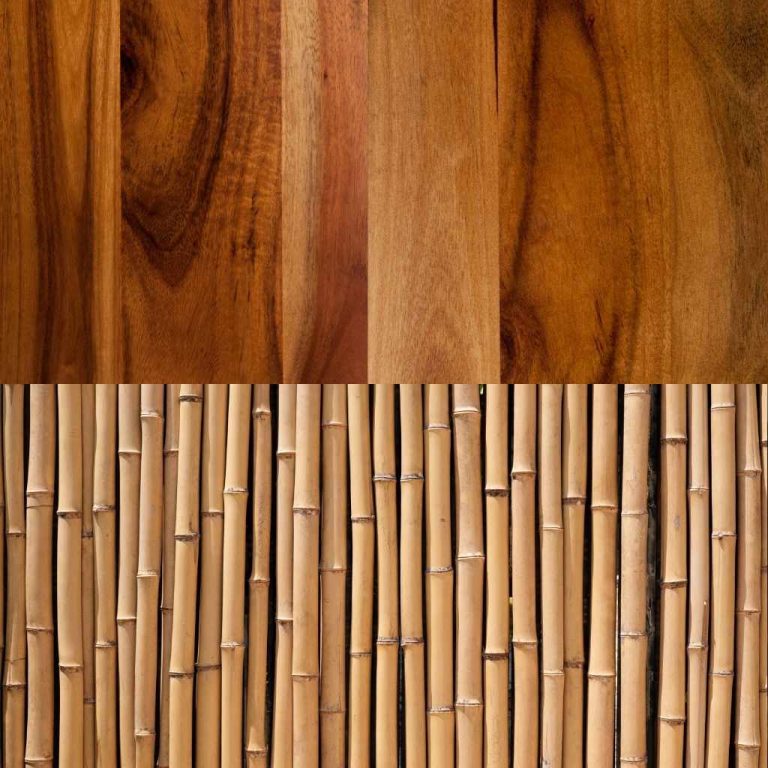
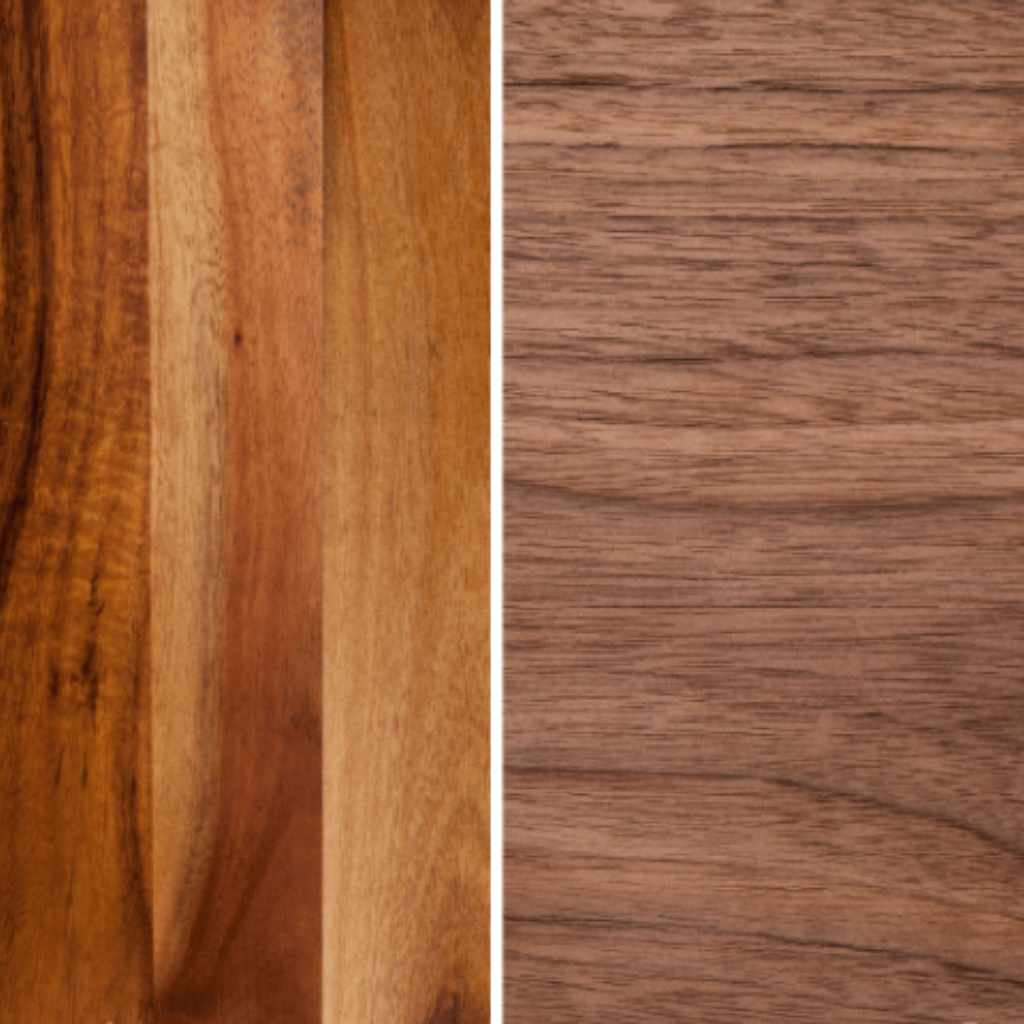
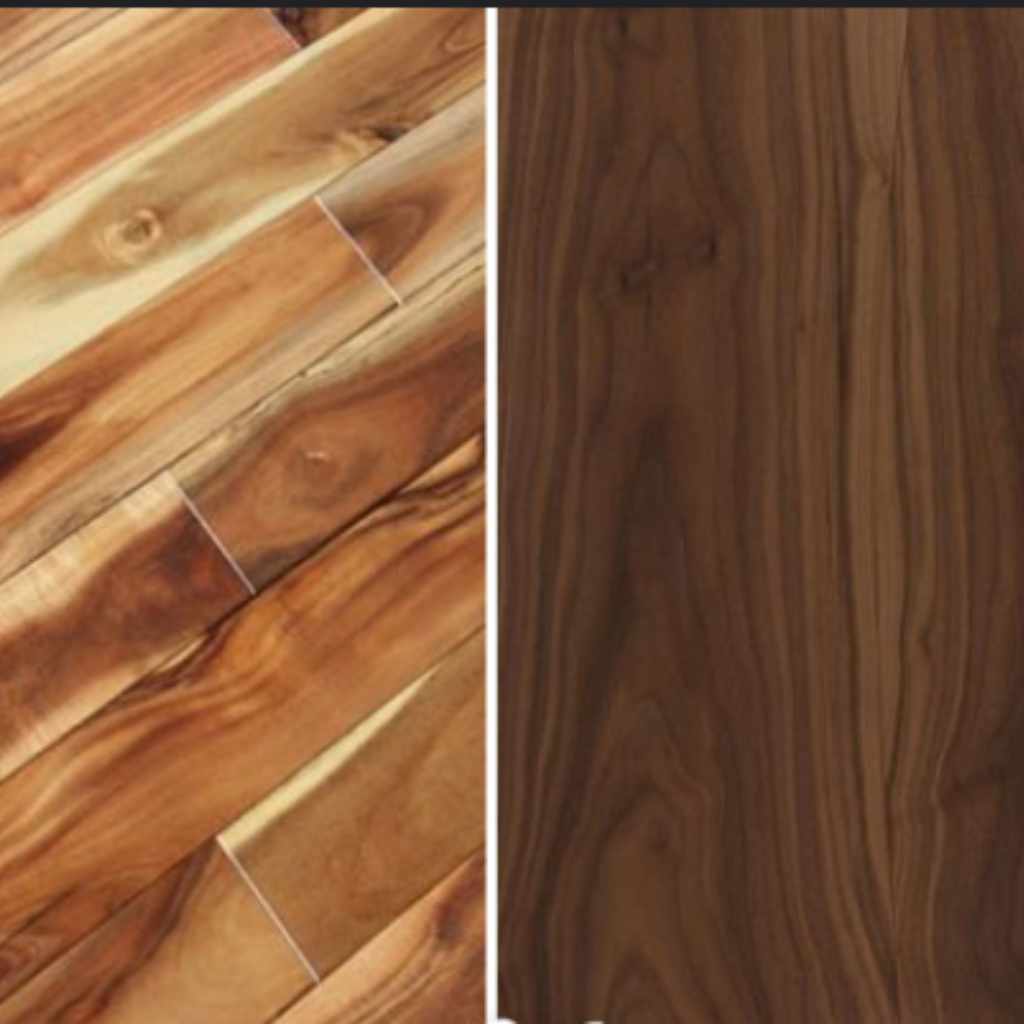
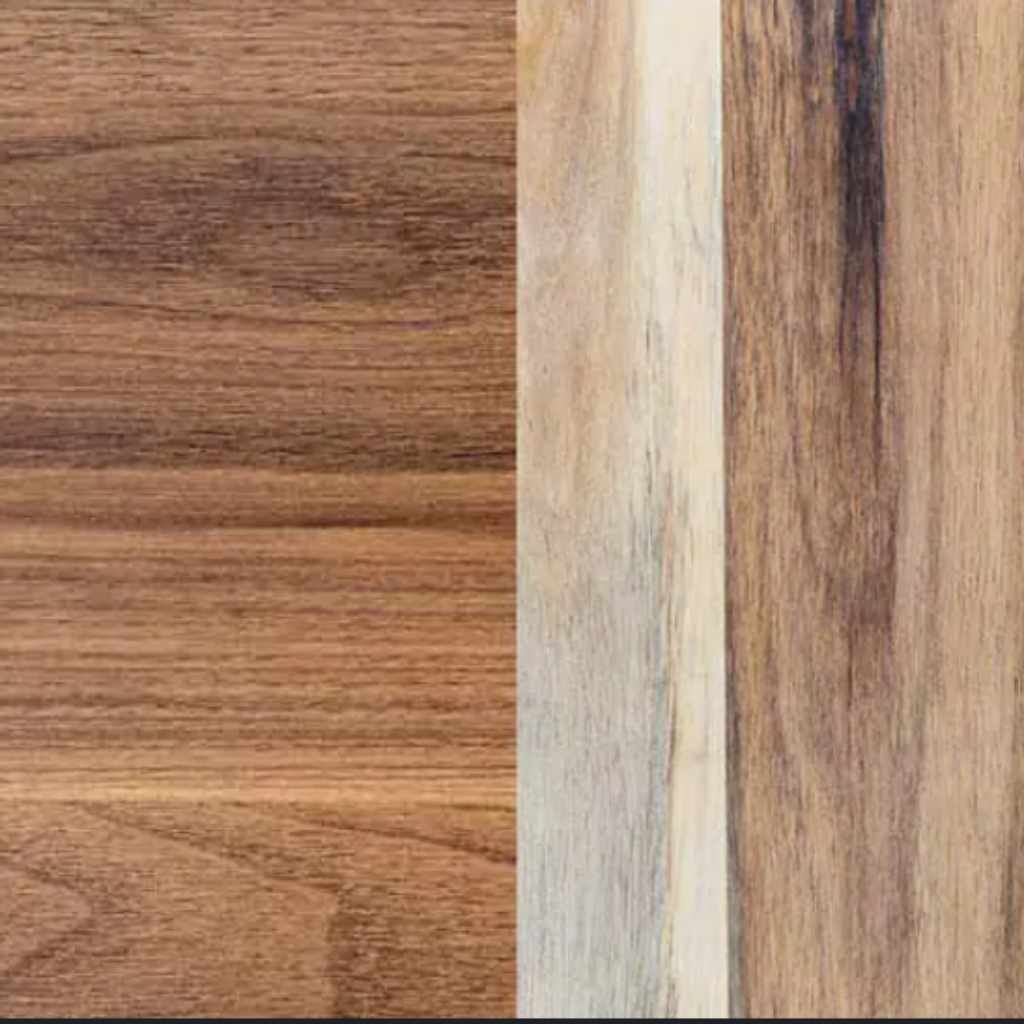
Acacia comes from the many species of the Acacia genus, often sourced globally, making it highly available. It’s famous for its incredible range of colors—often showing swirls of light honey tones mixed with deep browns and even reddish streaks in the same board. This variation is part of its charm!
Pros of Working with Acacia Wood:
- Toughness: It’s dense and surprisingly strong.
- Affordability: Generally much cheaper than premium domestic hardwoods.
- Water Resistance: Good natural resistance makes it great for things like cutting boards or outdoor accents.
- Sustainability: Often harvested from managed plantations.
Cons of Working with Acacia Wood:
- Color Variation: The dramatic color change can make achieving a perfectly uniform look tricky.
- Grain Interlocking: Can sometimes be tricky to plane smoothly due to wildly interlocking grain patterns.
Walnut Wood (Black Walnut): The Premium Classic
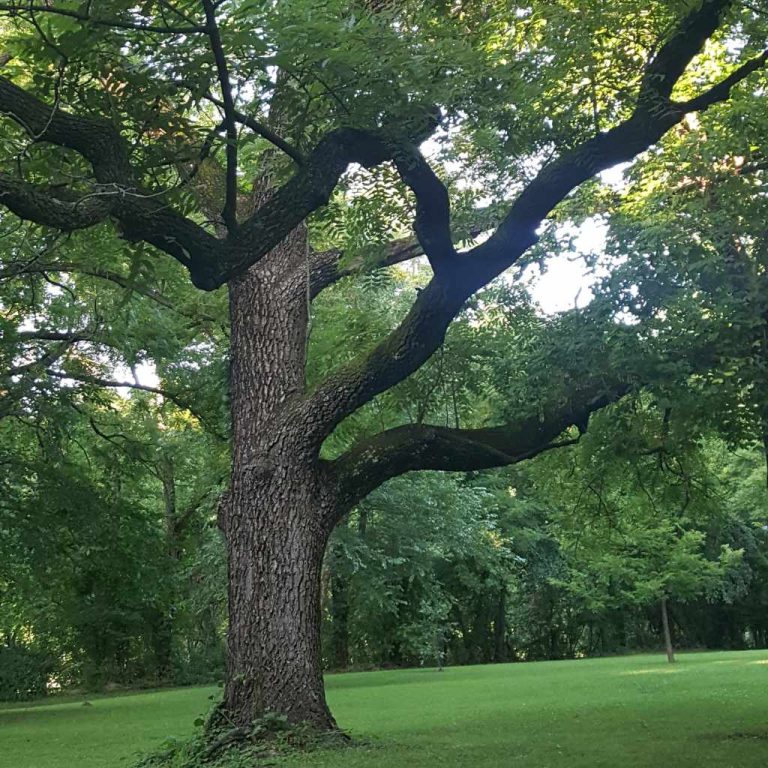
When woodworkers talk about Walnut, they usually mean American Black Walnut (Juglans nigra). This is the gold standard for fine furniture. It has a luxurious, chocolate-brown color that ages beautifully, often developing deeper, richer tones over time.
Pros of Working with Walnut Wood:
- Aesthetics: Unmatched deep color and beautiful, flowing grain patterns. Pure elegance.
- Stability: Very stable once dried, meaning your projects are less likely to warp or move.
- Finishing: It accepts stains and finishes beautifully, really letting the natural depth shine through.
- Workability: It’s famously easy to machine, carve, and sand perfectly smooth.
Cons of Working with Walnut Wood:
- Cost: This is the big one—Walnut is significantly more expensive than Acacia.
- Availability: Large, clear boards can be harder to source locally.
Head-to-Head Comparison: Acacia Wood Vs Walnut
To make the decision crystal clear, let’s put them side-by-side using the metrics that matter most to a DIY builder:</ Hardness, Color, Cost, and Workability.
1. Hardness and Durability (The Janka Scale)
Durability is often measured using the Janka Hardness Test, which tells us how much force it takes to embed a steel ball halfway into the wood. Harder wood means better resistance to dents and scratches—great for tabletops or flooring.
While both are hardwoods, Walnut is generally softer than many commercial Acacia species. For example, Black Walnut typically scores around 1010 on the Janka scale, whereas some common Acacia species can reach 1700 or higher. This means Acacia is physically tougher against dings.
| Attribute | Acacia Wood (Average) | Black Walnut Wood | Best For… |
|---|---|---|---|
| Janka Hardness Rating | High (1300 – 1800) | Medium-High (1010) | High-traffic surfaces (Acacia) |
| Rot/Water Resistance | Good to Very Good | Fair | Kitchen items or semi-exposed use (Acacia) |
| Stability | Moderate | Excellent | Fine cabinetry (Walnut) |
Mentor Tip: If you’re building a heavy-use kitchen island or a workbench top, Acacia’s extra hardness might offer better protection against tools and dropped items. If you are building a fine bedroom dresser that won’t move much, Walnut’s superior stability is a huge plus.
2. Color and Grain Pattern
This is where personal taste reigns supreme! If you want rustic charm, Acacia wins. If you crave deep, sophisticated luxury, Walnut is the clear champion.
- Walnut: Offers deep, rich chocolate brown, often with subtle violet or reddish highlights. The grain is usually flowing, dramatic, and relatively consistent across a board if you purchase FAS (First and Second) grades.
- Acacia: Wildly variable! You might see boards that look like zebra stripes, mixing very light straw colors with almost black streaks. This “tiger striping” effect is beautiful but challenging if you need uniformity across multiple pieces.
3. Price Point and Project Budget
For beginners, budget is often the deciding factor. Walnut commands a premium price because it is highly sought after, slower-growing, and primarily sourced domestically in the US.
Acacia, being widely farmed globally, offers fantastic value. You can often get twice as much Acacia for the same price as a comparable board of Walnut. This extra lumber means less stress if you make a cutting error!
Think about this: If your project is large—like a dining table for eight—the cost difference between Acacia plywood veneers or solid Acacia planks versus solid Walnut slabs could be thousands of dollars. For cost-conscious builds, Acacia is the clear winner.
4. Workability: How Easy Is It to Cut and Finish?
When you’re learning, ease of use is everything. A wood that fights back can seriously damage your confidence!
Working with Walnut
Walnut is generally considered one of the easiest exotic-looking hardwoods to work with. It cuts smoothly on the table saw, planes beautifully without tearout (if the grain direction is respected), and sands to a silky finish with minimal effort. Finishing? Walnut takes oil-based finishes and polyurethane like a dream, often only needing one or two coats to look rich and deep.
Working with Acacia
Acacia can be a bit more stubborn. Because of its varied grain density and direction, it loves to cause tearout, especially when planing or routing edges. You must take very light passes with your planer blades. Additionally, some species can be quite oily, which might slightly slow down final glue-up or finish adhesion if not wiped down properly first. Always use a sharp blade when cutting Acacia.
Choosing the Right Wood for Specific Projects
The “best” choice depends entirely on what you are building. Here is a simple guide to help you decide immediately.
When Acacia is the Proven Best Choice:
- Kitchen Projects: Butcher blocks, serving trays, cutting boards, or island tops. Its density and natural water resistance shine here.
- Beginner Furniture Projects: Small shelves, rustic coffee tables, or entryway benches where budget and toughness matter more than a formal look.
- Countertop Replacements: For homeowners remodeling on a budget who want a durable, attractive wood surface.
- Outdoor/Semi-Outdoor Use: Raised garden beds or covered porch furniture benefit from its inherent rot resistance.
When Walnut is the Proven Best Choice:
- Heirloom Furniture: Formal dining tables, dressers, or bed frames where you want a deep, enduring color that speaks of quality craftsmanship.
- Intricate Carvings and Detailing: Walnut’s consistency and softness allow for crisp, clean lines when routing decorative edges or carving details.
- High-Contrast Inlays: If you plan to use light woods (like Maple) for contrast, Walnut provides the darkest, most striking backdrop.
- Valuable Sellable Pieces: If you plan to sell your work, Walnut almost always commands a higher price point than Acacia.
Essential Tool & Material Prep for Both Woods
No matter which wood you choose, successful projects start with proper preparation. Here are the steps I always follow before making the first cut.
Step 1: Acclimate Your Lumber
Wood absorbs and releases moisture based on the environment. If you bring wood straight from a cold lumberyard into a warm shop, it will warp or cup. Let the boards sit acclimatizing in your workshop environment for at least one week.
Step 2: Inspect for Problems
Examine every board carefully for defects:
- Knots: Check if knots are tight or loose. Loose knots can fall out during machining.
- Warp/Bow/Twist: Always check boards on a flat surface (like your workbench) to see if they lie flat before bringing them to the planer.
- Pinholes: Some imported Acacia can sometimes have signs of insect activity (pinholes). Reject heavily affected boards.
Step 3: Surface Preparation and Jointing
This is critical for glue-ups!
- Face Jointing: Use a jointer or a hand plane to create one perfectly flat face on every board. This flat face becomes your reference surface.
- Edge Jointing: Use the jointer to create one perfectly straight edge adjacent to the new flat face.
- Planing to Thickness: Use the planer to bring all boards to the same thickness, referencing the flat face against the planer bed.
Safety Note: When jointing Acacia, be ready for more tearout than Walnut. Set your planer knives to remove only 1/32” of material per pass to keep surfaces cleaner. Always wear hearing and eye protection, especially when jointing tricky grain.
Achieving the Signature Look: Finishing Techniques
The finish you choose can either enhance the difference between Acacia wood vs Walnut or help unify them.
Finishing Walnut: Emphasizing Depth
Walnut loves finishes that deepen its natural color. Many pros start with a light coat of boiled linseed oil (BLO) or tung oil rubbed in thoroughly. This pulls out the rich brown tones before the final topcoat.
For maximum clarity and protection, a wiping varnish (like a thinned polyurethane) over the oil seal coat works wonders. You want a finish that doesn’t obscure the beautiful grain pattern underneath.
Finishing Acacia: Managing Variation
Because Acacia is so varied, you have two paths:
- Embrace the Chaos: Use a clear, water-based polyurethane. This will maintain the bright, natural highs and lows of the wood, creating a lively, rustic look.
- Toning Down the Variation: If you want your Acacia to look more uniform (perhaps closer to Walnut or Cherry), you can use a light stain. A lightly applied amber or early American stain can help blend the very pale areas with the darker streaks. Always test this on scrap first!
For any project that requires frequent cleaning or will see moisture, durability is key. For surface protection, consider commercial finishes tested by organizations like the Forest Products Laboratory (FPL) which research wood finishing durability.
Beyond the Basics: Sustainability and Sourcing
As responsible woodworkers, we think about where our materials come from. Both woods have different sourcing challenges.
Sourcing Walnut
Black Walnut is a native North American hardwood. While generally sustainable in the US, the extremely high demand for premium, large, defect-free slabs keeps prices high. Reputable suppliers are often certified, but always ask where their lumber originated.
Sourcing Acacia
Acacia is an invasive or fast-growing species in many parts of the world outside its native Australia, often harvested efficiently from tropical plantations. This rapid growth cycle contributes to its lower cost and high availability. However, for large projects, ensure your supplier is dealing responsibly managed sources, especially when buying exotic hardwoods.
Workshop Wisdom: When to Use Plywood Alternatives
If you are building very large items, like bookshelves spanning ten feet or large entertainment units, solid wood (either Acacia or Walnut) can be heavy, expensive, and prone to movement across such a long span. This is where using high-quality plywood comes in handy!
Acacia Veneer Plywood
This is an excellent middle ground. You get the look of Acacia on the surface, allowing you to only use expensive solid wood for edge banding or small accents. It is incredibly stable and much lighter than a solid Acacia carcass.
Walnut Veneer Plywood
This is the go-to for high-end cabinetry carcasses where you want the interior visibility (like open shelving) to match the luxurious exterior feel of Walnut, but without the massive cost of solid slabs.
Remember, a quality plywood core (like Baltic Birch) combined with a thin top layer of genuine hardwood veneer offers stability that novice builders often struggle to achieve with huge solid boards.
FAQ: Quick Answers for Woodworking Beginners
Q1: Which wood is better for outdoor furniture?
Acacia is generally better suited for outdoor or semi-outdoor use due to its natural density and higher inherent resistance to moisture and decay compared to Black Walnut.
Q2: Can I stain Acacia to look exactly like Walnut?
While you can use a dark brown stain on Acacia to mimic the color, you likely won’t match the deep, velvety texture and consistent grain pattern of true Black Walnut. Test stains carefully on scrap wood first.
Q3: Is Acacia harder to glue than Walnut?
Acacia can sometimes be slightly trickier because of its dense, occasionally oily surface. Always degrease the joints with acetone or denatured alcohol right before applying glue to ensure a strong bond.
Q4: If I am a complete beginner, which one should I buy first?
I recommend starting with Acacia for your first few serious furniture projects. It is more forgiving budget-wise when you make mistakes, and while it can be tricky to mill, learning on it prepares you well for handling the slightly softer Walnut later.
Q5: Does wood movement affect Walnut and Acacia differently?
Yes. Walnut is renowned for its exceptional stability once properly dried. Acacia, while durable, can sometimes show slightly more movement (cupping or bowing) across very wide boards if acclimatization wasn’t perfect.
Q6: Which wood is best for a dining table that gets used daily?
For maximum resistance to dents from dropped forks or moving chairs, the harder Janka rating of Acacia gives it a slight edge in pure surface durability against daily wear and tear.
Conclusion: Trust Your Gut (And Your Budget)
So, there you have it! When comparing acacia wood vs walnut, there is no single “best” choice—only the best choice for your current project and budget. If you treasure depth, elegance, and ease of machining above all else, and the cost feels right, bring home that beautiful Black Walnut. It truly is a premium material worth the investment.
However, if you need tough durability, excellent moisture resistance, and significantly more lumber for your dollar, Acacia is the smart, strong, and attractive workhorse your workshop needs. Don’t be afraid of its color variations; embrace them as character! Every piece of wood tells a story. Choose the story you want to tell with your next crafted item, and remember: practice makes perfect. Now grab your safety glasses, pick your wood, and let’s get building!