Acid Stain Vs Water Based Concrete Stain: Ultimate Comparison Guide
Are you thinking about adding color and style to your concrete surfaces but unsure which stain to choose? When it comes to transforming your floors, patios, or driveways, the choice between acid stain and water-based concrete stain can make a big difference.
Each option offers unique benefits and challenges that can affect how your space looks and lasts. You’ll discover exactly what sets acid stains apart from water-based stains, helping you pick the perfect finish for your project. Keep reading to find out which stain matches your needs and how to get the best results for your concrete surfaces.
Acid Stain Basics
Acid stain is a popular choice for concrete surfaces. It creates a natural, variegated look that enhances the concrete’s texture. The stain reacts chemically with the concrete, producing unique colors and patterns. Understanding its basics helps in choosing the right stain for your project.
Chemical Composition
Acid stains contain a mix of water, acid, and metallic salts. The acid opens the concrete pores for better absorption. Metallic salts react with the minerals in the concrete. This reaction creates the stain’s permanent color effect.
Application Process
Applying acid stain involves cleaning the surface thoroughly. The stain is then sprayed or brushed onto the concrete. It needs time to react, usually a few hours. Afterward, the surface is rinsed and sealed for protection.
Color Range
Acid stains offer earthy tones like browns, greens, and rusts. The colors vary depending on the concrete’s mineral content. This makes each stained surface unique. Bright or pastel colors are not typical with acid stains.
Durability
Acid-stained concrete is long-lasting and weather-resistant. The stain penetrates deeply, preventing peeling or fading. Sealing enhances durability and makes cleaning easier. It suits indoor and outdoor use well.
Water Based Stain Basics
Water based concrete stains are popular for many reasons. They offer a safe, easy way to add color to concrete surfaces. These stains penetrate the concrete and create a natural look. Unlike some other stains, water based options are low in odor and easy to clean up. They work well on both indoor and outdoor concrete. Understanding their basics helps to choose the right stain for your project.
Chemical Composition
Water based stains use pigments mixed in a water solution. These pigments are usually organic or inorganic colorants. The water helps the stain soak into the concrete. This makes the color more even and natural. The chemicals in water based stains are less harsh than acid stains. This makes them safer for indoor use and easier to handle.
Application Process
Applying water based stains is simple and fast. The concrete must be clean and dry before staining. You use a sprayer, brush, or roller to apply the stain. After application, the stain needs time to dry fully. Usually, two coats give the best color depth. Clean tools with water right after use. This process suits both beginners and professionals well.
Color Range
Water based stains come in many colors. You can find shades from light pastels to bright tones. This variety allows for creative designs and patterns. Some colors are translucent, showing the concrete texture. Others are more solid and bold. This wide range helps match any decor or style.
Durability
Water based stains are durable on concrete surfaces. They resist fading from sunlight and weather well. A proper sealant increases their lifespan. They do not chip or peel easily. However, they may not last as long as acid stains outdoors. Still, they provide good protection and color retention for years.
Color And Finish Differences
Choosing between acid stain and water based concrete stain affects your floor’s color and finish. Both stains change concrete’s look but in different ways. Understanding these differences helps you pick the right option for your space.
Natural Vs Vibrant Colors
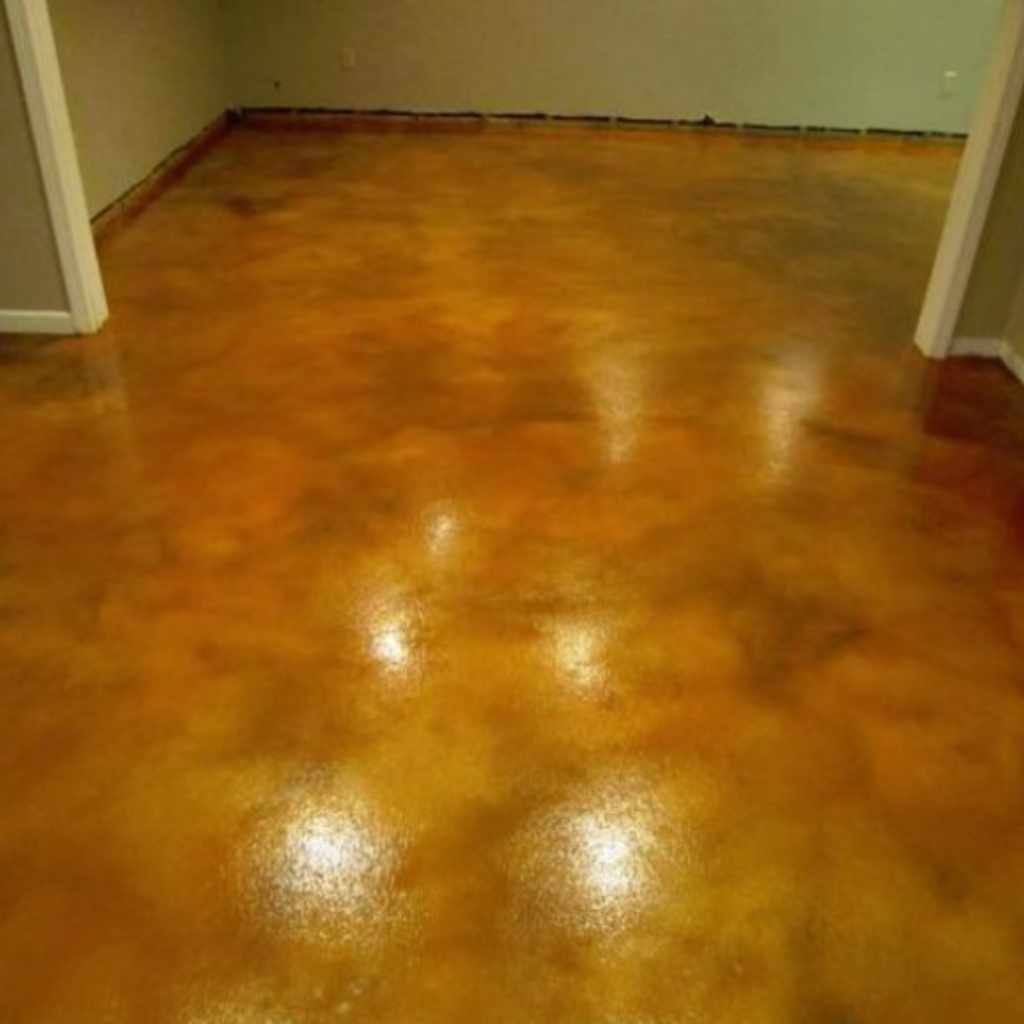
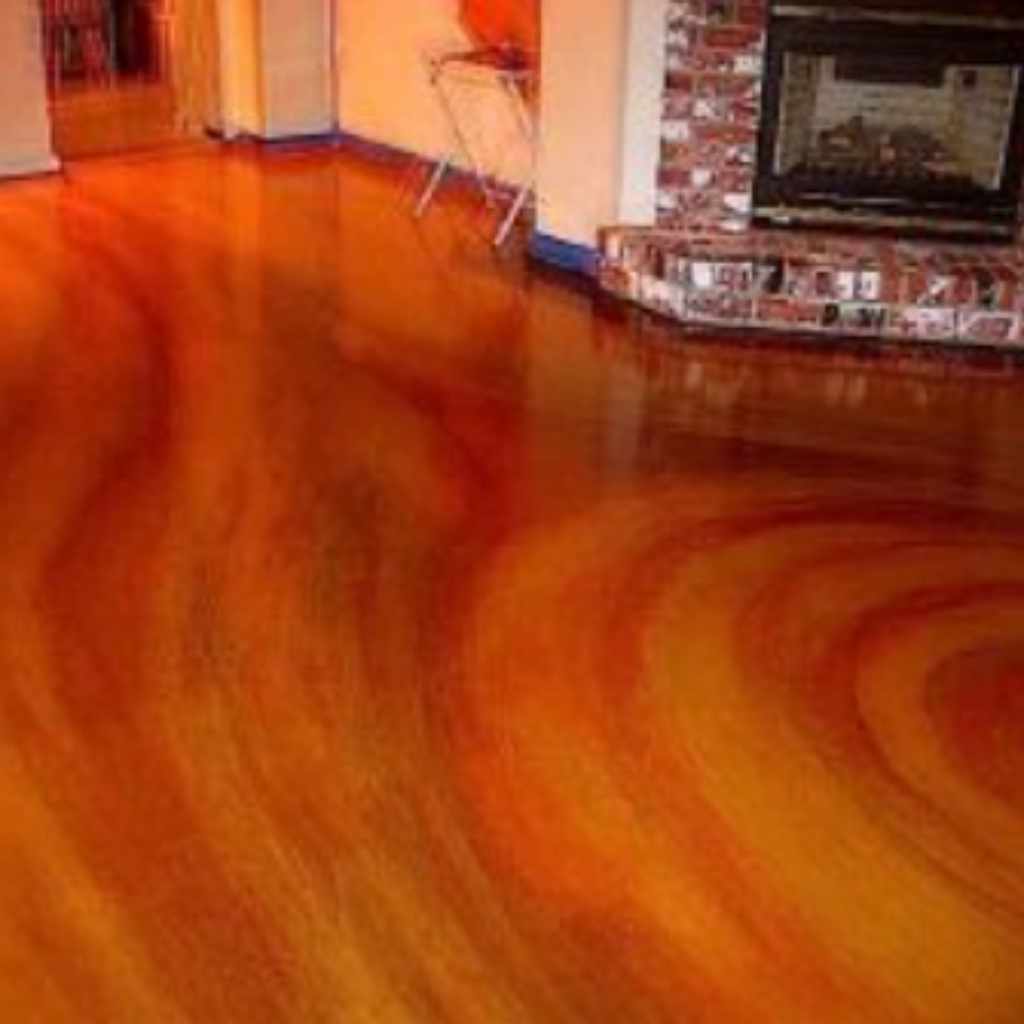
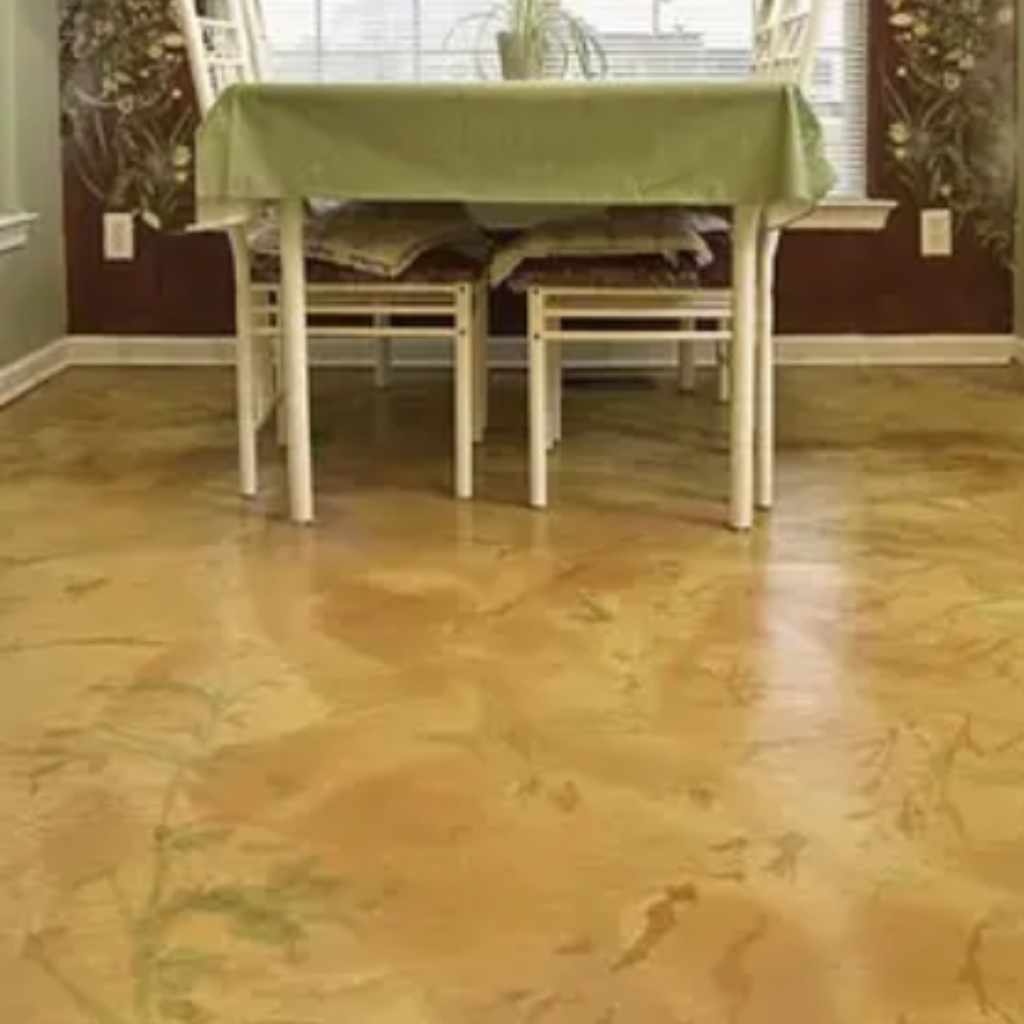
Acid stain creates natural, earthy colors. It reacts with the concrete, forming unique shades. Each application looks one of a kind. The colors blend softly with the floor.
Water based stains offer bright, vibrant colors. They sit on the surface, giving bold and even tones. You can find many color options. This stain suits creative and colorful designs.
Matte And Glossy Finishes
Acid stain results in a matte or low-sheen finish. It feels smooth but not shiny. This look fits rustic or natural styles well.
Water based stains can have matte or glossy finishes. You decide the shine level by choosing the sealer. Glossy finishes add a modern, polished look to floors. Matte finishes keep a soft, subtle appearance.
Application Techniques
Applying acid stain and water-based concrete stain requires different techniques. Each type reacts differently with the concrete surface. Knowing the right steps helps achieve better results and longer-lasting color. Proper application also prevents common issues like blotching or peeling.
Surface Preparation
Clean the concrete thoroughly. Remove dirt, grease, and old sealers. Acid stains need a clean, porous surface for better reaction. Water-based stains require a dry and smooth surface to absorb the color evenly. Repair any cracks or holes before staining. Proper preparation helps the stain stick well and look even.
Safety Measures
Wear protective gloves and goggles. Acid stains contain chemicals that can irritate skin and eyes. Work in a well-ventilated area to avoid inhaling fumes. Water-based stains are safer but still use gloves. Keep children and pets away during the application. Follow all safety instructions on product labels.
Tools And Equipment
Use a sprayer or brush for acid stains to apply evenly. A garden sprayer works well for large areas. For water-based stains, use a roller or brush for smooth application. Have a scrub brush ready to remove excess acid stain. Use plastic buckets and clean cloths to avoid contamination. Proper tools ensure a neat and even finish.
Environmental Impact
The environmental impact of concrete stains is a key factor for many homeowners and builders. It affects air quality, health, and the planet. Choosing the right stain can reduce harmful emissions and waste. Both acid stain and water-based stain have different effects on the environment. Understanding these differences helps make a better choice.
Voc Levels
Volatile Organic Compounds (VOCs) are harmful chemicals released into the air. Acid stains usually contain higher VOC levels. This can cause air pollution and health problems. Water-based stains have low or no VOCs. They are safer for indoor and outdoor use. Lower VOC levels mean less harm to the environment and people.
Eco-friendliness
Water-based stains are generally more eco-friendly. They use water as a solvent, which reduces toxic waste. Acid stains use harsh chemicals that can harm soil and water. Disposal of acid stains requires special care to avoid pollution. Water-based stains often come in recyclable packaging. They also clean up easily with soap and water. This makes them better for the environment overall.
Cost Comparison
Comparing the costs of acid stain and water-based concrete stain helps to decide which fits your budget. Both types change the concrete’s look but vary in price. Understanding material and labor costs clarifies the total expense.
Material Costs
Acid stains usually cost more per gallon than water-based stains. Acid stains need special handling and safety gear, raising the price. Water-based stains are cheaper and easier to buy. The price difference can affect the project budget, especially for large areas.
Labor Expenses
Applying acid stain takes longer and needs skilled workers. This raises labor costs because of extra time and care. Water-based stains dry faster and are simpler to apply. Labor costs tend to be lower with water-based stains due to quicker work.
Maintenance And Longevity
Maintenance and longevity are key factors when choosing between acid stain and water based concrete stain. Both stains offer unique benefits and challenges in care and durability. Understanding how to maintain each type helps extend the life and look of stained concrete surfaces.
Cleaning Tips
Acid stained concrete needs gentle cleaning. Use a mild soap and water mix. Avoid harsh chemicals that can damage the stain. Water based stains handle stronger cleaners better. Still, use non-abrasive tools to prevent scratches. Regular sweeping removes dirt and debris that wear down the surface.
Wear And Tear
Acid stain penetrates concrete, creating a natural look that resists fading. It holds up well to foot traffic and weather. Water based stain sits on the surface and may show wear faster. This stain can peel or chip if exposed to heavy use. Both stains benefit from protective sealers to reduce damage.
Reapplication Needs
Acid stains rarely need reapplication as they become part of the concrete. Over time, sealing may need refreshing to keep the shine. Water based stains require more frequent touch-ups. Reapply every few years to maintain color and protection. Proper surface prep is important before applying any new stain.
Best Uses And Applications
Choosing the right concrete stain depends on where and how it will be used. Acid stain and water-based stain have different strengths. Knowing their best uses helps pick the right one for each project. This guide covers indoor and outdoor uses plus commercial and residential settings.
Indoor Vs Outdoor
Acid stain works well outdoors. It creates deep, natural color and resists weather. Perfect for patios, walkways, and driveways. It also holds up against fading from sun and rain.
Water-based stain suits indoor projects better. It offers many bright colors and a uniform look. Ideal for floors inside homes, offices, and stores. It does not wear down easily but can fade in direct sunlight.
Commercial Vs Residential
For commercial spaces, durability matters most. Acid stain is strong and lasts long under heavy foot traffic. It gives a rustic, natural finish that hides dirt well. Good for warehouses, restaurants, and shops.
Residential projects benefit from water-based stains. They are easy to apply and clean up. Homeowners like the variety of colors and consistent appearance. Great for living rooms, basements, and garages.
Common Challenges
Choosing between acid stain and water-based concrete stain comes with certain challenges. Both types have unique issues that can affect the final look and durability. Understanding these challenges helps in making the right choice.
Color Variability
Acid stain colors vary due to the concrete’s chemical makeup. This creates natural, uneven tones that some find attractive. However, the results can be unpredictable and differ across the surface.
Water-based stains offer more consistent color. The pigments sit on the surface, so the color appears even and solid. Still, colors may fade faster under sunlight.
Surface Compatibility
Acid stains work best on new, clean concrete. Old or sealed surfaces resist the chemical reaction needed for staining. This limits its use on some floors.
Water-based stains apply well on many surfaces, including sealed concrete. They do not rely on a chemical reaction, making them more versatile. But they need a dry, clean surface for good adhesion.
Frequently Asked Questions
What Is The Main Difference Between Acid And Water-based Stains?
Acid stains chemically react with concrete, creating natural hues. Water-based stains use pigments to add color without reaction. Acid stains offer earthy, variegated tones. Water-based stains provide vibrant, uniform colors. Both enhance concrete but suit different aesthetic needs.
Which Stain Is More Durable For Concrete Surfaces?
Acid stains penetrate and bond chemically, offering long-lasting durability. Water-based stains form a surface layer and may fade faster. For heavy traffic, acid stains perform better. Water-based stains are easier to reapply and maintain over time.
Are Acid Stains Safer Than Water-based Stains?
Water-based stains are generally safer and environmentally friendly. Acid stains contain acids requiring careful handling and ventilation. Proper protective gear is necessary for acid stains. For DIY projects, water-based stains are often recommended due to safety.
Can Acid Stains Be Applied On All Concrete Types?
Acid stains work best on unsealed, cured concrete. They may not react well on sealed or painted surfaces. Water-based stains are more versatile and can be used on various concrete types. Surface preparation is key for both stains.
Conclusion
Choosing between acid stain and water-based stain depends on your needs. Acid stains create rich, natural colors that last long. Water-based stains offer more color choices and easier cleanup. Both stains work well on concrete surfaces. Consider durability, color, and safety before deciding.
Think about your project’s location and use. This helps pick the best stain for your concrete. Either way, staining improves your concrete’s look and value. Simple steps lead to beautiful, lasting results. Choose wisely and enjoy a fresh new surface.