Can You Put Darker Stain Over Lighter Stain? (Yes – Here’s Why Reverse Doesn’t Work)
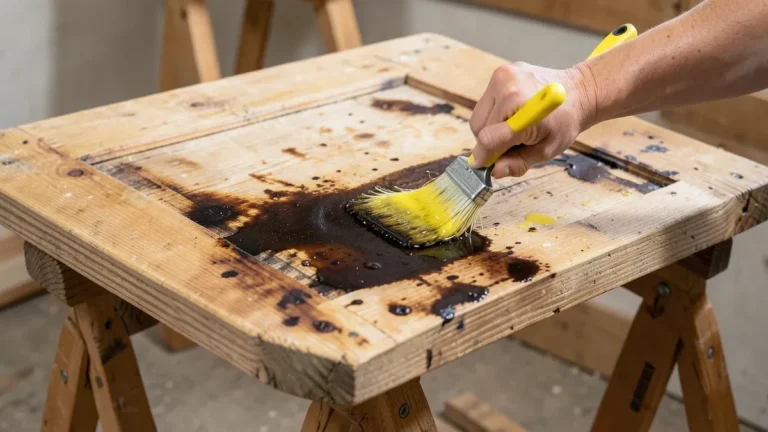
Yes, you can put a darker stain over a lighter stain – this direction is easy since darker color simply layers on top. Going the other way (lighter over darker) is much harder and usually requires stripping or bleaching back to bare wood, not just applying a lighter stain.
Choosing the right wood stain can transform a project. Many people wonder if they can apply a darker stain over a lighter one – this works well and lets you deepen the color without stripping the existing finish. Proper prep still matters: the lighter stain needs to be fully cured, and the surface clean and smooth, for the new color to go on evenly.
Why Darker-Over-Lighter Works (And Lighter-Over-Darker Doesn’t)
Best Dark Stain Layering Pick
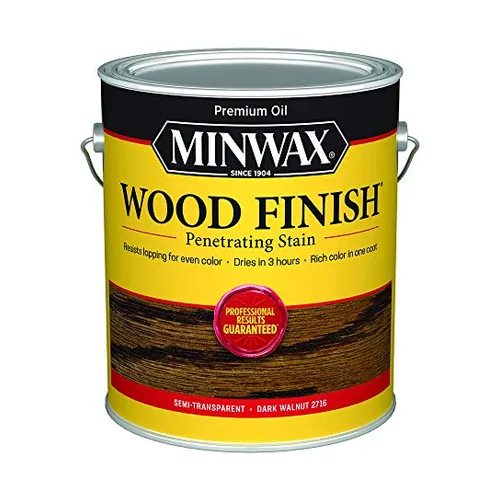
Minwax Dark Walnut Wood Finish
A popular oil-based dark stain for layering over an existing lighter stain.
- Best for: layering a rich dark tone over furniture or floors already stained lighter
- Why we picked it: it is one of the most widely available and predictable oil-based dark stains for this exact layering job
- Main drawback: oil-based means a longer 12-24 hour dry time and stronger odor than a water-based option
Compare more stain layering/correction options
 Option 1 Minwax Pre-Stain Wood Conditioner
|
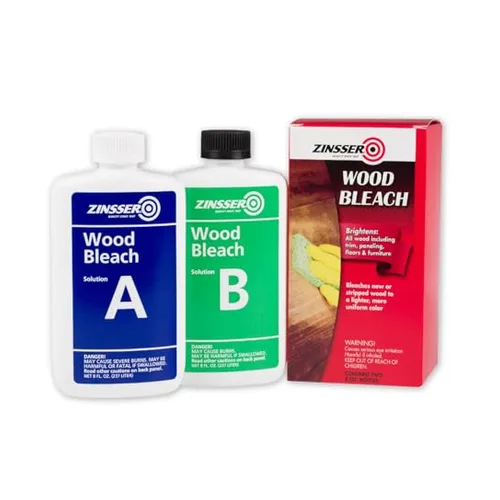 Option 2 Zinsser Two-Part Wood Bleach Kit
|
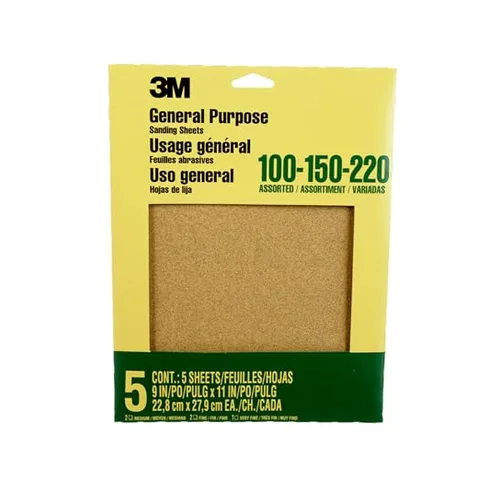 Option 3 3M Assorted Grit Sandpaper
|
As an Amazon Associate we earn from qualifying purchases.
Wood stain doesn’t remove color, it adds pigment on top of what’s already there. A darker stain simply layers over a lighter one and deepens the tone. Going the opposite direction – lighter over darker – can’t work the same way, because a lighter stain has less pigment and cannot cover or lift the darker color already in the wood. That’s the reason this is a one-way street – the same principle covered in our broader wood finishing guide.
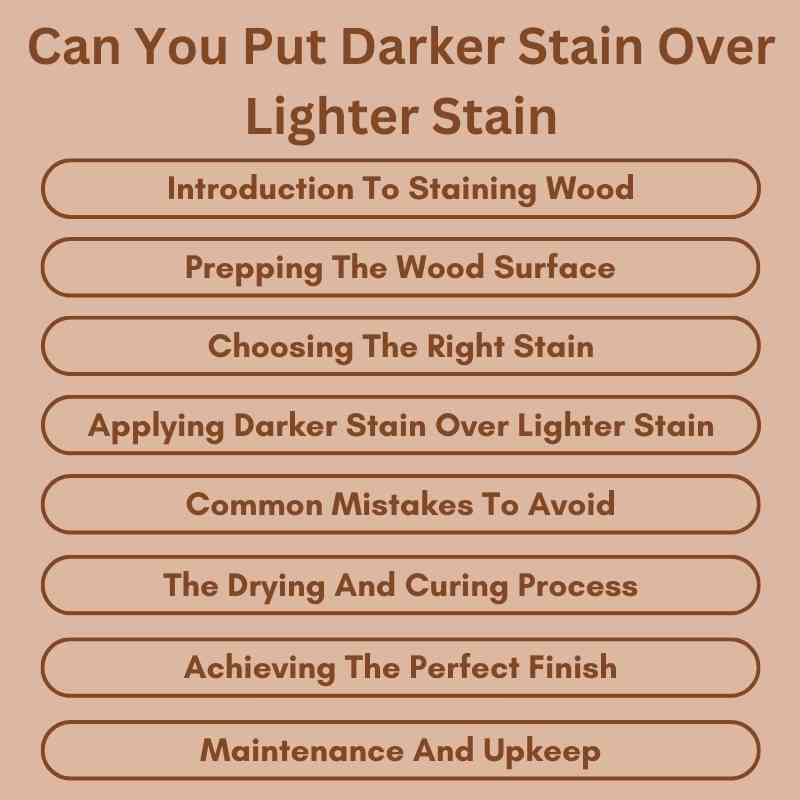
Prepping the Wood Surface
- Clean the surface with a soft, slightly damp cloth to remove dust and grime, then let it dry completely.
- Sand lightly with fine-grit sandpaper (220-320 grit) to open the wood’s pores for better absorption – avoid heavy sanding, which can strip through the existing stain unevenly.
- Wipe away sanding dust with a tack cloth before applying anything.
- Apply a pre-stain wood conditioner on blotch-prone woods (pine, birch, cherry) so the darker stain absorbs evenly instead of splotching.
Applying the Darker Stain
- Stir the stain thoroughly – pigment settles at the bottom of the can.
- Test on a hidden or scrap area first to confirm the final combined color, since it will read differently than the can’s swatch once layered over the existing stain.
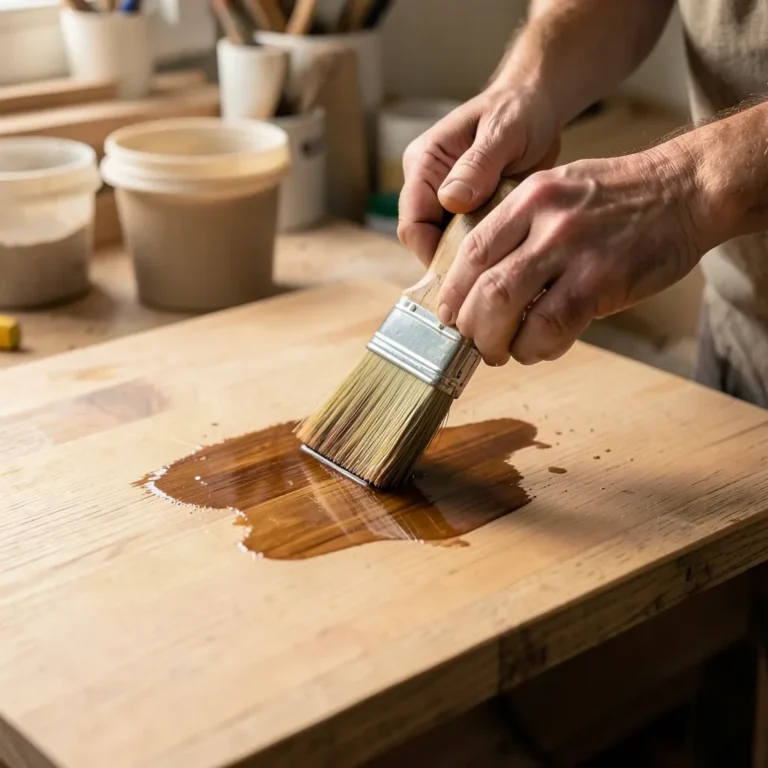
- Apply with a brush or lint-free cloth using even strokes, working in small sections to avoid overlap streaks.
- Wipe off excess stain after a few minutes with the grain for an even finish – the longer it sits before wiping, the darker and more uneven the result.
- Let it dry fully (see timing below) before a second coat or topcoat.
🎯 Common Mistake
Skipping the small-area test is the most common mistake in this project. Because the new stain layers over color that’s already there, the final shade is always darker and different than what the can’s color chip shows – test first, every time.
“Water-based wood stains… typically dry in just three to four hours… Oil-based wood stains take longer to dry… [with an] average oil-based stain [drying] in about 12 to 24 hours, depending on application, temperature, and ventilation.”
Real Drying Times (Stain Type Matters More Than Color)
A common misconception is that darker stains simply take longer to dry than lighter ones. In practice, drying time is driven mostly by the stain’s formulation, not how dark the pigment is:
- Water-based stains: typically dry to the touch in 2-4 hours, regardless of shade.
- Oil-based stains: typically need 8-24 hours before recoating or top-coating, again regardless of shade.
- Temperature, humidity, and coat thickness affect drying time far more than color darkness does – cool, humid conditions and thick coats both slow drying considerably.
📊 Why this matters: oil-based and water-based stains can even look different as they dry – oil-based stains often appear darker while wet and lighten slightly as solvents evaporate, while water-based stains shift less dramatically in tone. Judge your final color only after the stain has fully cured, not while it’s still wet.
What If You Want to Go Lighter Instead?
This is the reverse question people also search for, and it’s a fundamentally different (and harder) project. Since a lighter stain can’t cover a darker one, going lighter requires removing the existing color first:
- Strip and sand: starting with 60-80 grit sandpaper removes the existing finish and stain down toward bare wood – always sand with the grain, never in circles.
- Wood bleach (two-part): the only method that can lighten wood beyond its natural color. Apply part A, let it sit about 10 minutes, apply part B, then let it dry roughly 4 hours before neutralizing with a diluted water/vinegar wipe. Wood bleach only works on bare wood – it cannot penetrate an existing topcoat, wax, or oil finish.
- Expect to re-sand lightly afterward – bleaching raises the wood grain slightly, so a final light sanding smooths the surface before refinishing.
Choosing the Right Stain by Wood Type
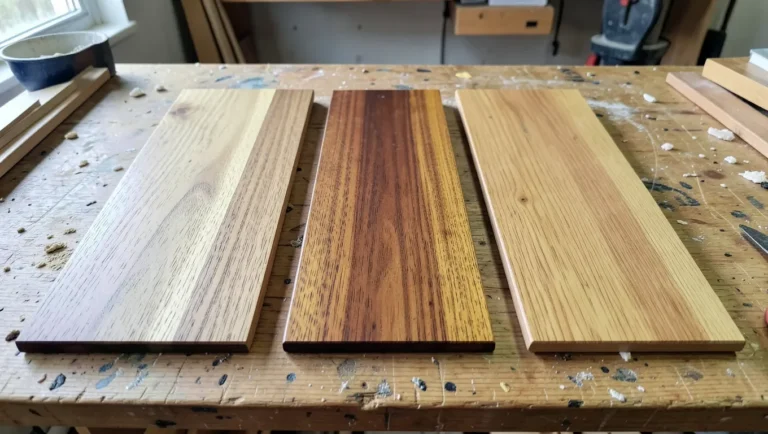
Oil-based stains provide rich color and durability with a longer working time; water-based stains dry faster and clean up easily; gel stains sit on the surface rather than soaking in, which works well on vertical surfaces or blotch-prone wood. Pine and birch tend to blotch without a pre-stain conditioner. Oak’s open grain takes darker stains especially well, showing off the grain pattern rather than hiding it. If you’re deciding between a stain and a dye rather than layering two stains, see our dye vs. stain comparison.
Recommended Products
Maintenance and Upkeep
Clean stained surfaces with a soft cloth and mild soap and water rather than harsh cleaners, which can dull the finish over time. Wipe up spills promptly and reapply a protective topcoat every few years in high-wear areas, since the topcoat wears before the stain color itself typically fades. For choosing that topcoat, see what makes the best wood sealer for your project.
Frequently Asked Questions
Can You Stain Over a Lighter Wood Stain?
Yes. A darker stain layers cleanly over a lighter, fully-cured stain since it’s adding pigment rather than removing it. Clean and lightly sand the surface first, and always test on a hidden area since the combined color will read darker than the can’s swatch alone.
Can You Stain Dark Wood a Lighter Color?
Not by simply applying a lighter stain on top – a lighter stain has less pigment and can’t cover darker color already in the wood. You’ll need to strip and sand the surface back toward bare wood, or use a two-part wood bleach, before a lighter stain can take.
How Do You Prepare Wood for a Darker Stain?
Clean the surface thoroughly, sand lightly with fine-grit paper to open the pores, wipe away dust with a tack cloth, and apply a pre-stain wood conditioner on blotch-prone species like pine or birch before staining.
Does a Darker Stain Take Longer to Dry Than a Lighter One?
Not meaningfully – drying time depends mainly on whether the stain is water-based (2-4 hours) or oil-based (8-24 hours), plus temperature, humidity, and coat thickness. Color darkness itself has little effect on how long a stain takes to dry.
Conclusion
Darker over lighter is a straightforward, forgiving project as long as the existing stain is fully cured and the surface is prepped and tested first. Going lighter is the harder direction and needs stripping or bleaching back to bare wood – know which project you’re actually doing before you pick up a brush.
Sponsored / affiliate links. As an Amazon Associate I earn from qualifying purchases. I may earn additional commission from eligible campaigns.