Advanced Scroll Saw Patterns: Fretwork, Stacking, and Portraits
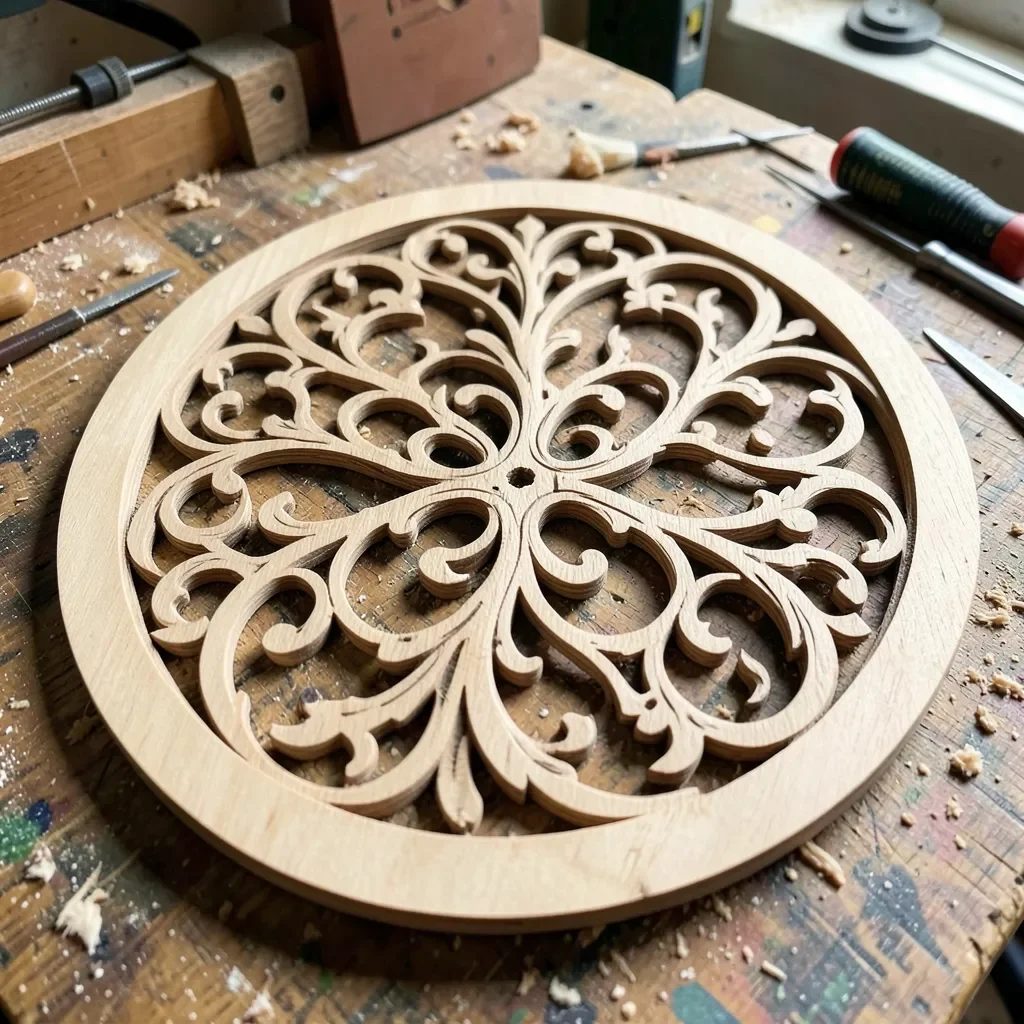
Advanced scroll saw patterns push past simple silhouettes into multi-layer stack cutting, fretwork with dozens of tightly-spaced interior cuts, and portrait-style patterns built from continuous shaded lines – all of which demand a finer blade, slower feed rate, and more deliberate blade-changing technique than beginner patterns require.
Fretwork Patterns Need the Right Blade
Best Blade Variety Pack for Fretwork
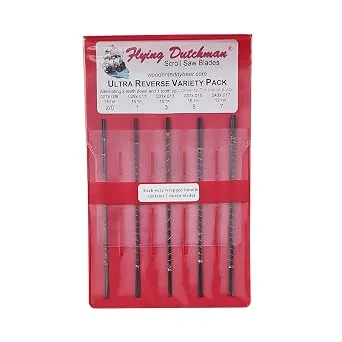 |
Flying Dutchman Ultra Reverse Scroll Saw Blades 60-pc Variety Pack – $30.79 A 60-piece variety pack covers the range of tooth counts this guide recommends switching between for fretwork, stacking, and portrait patterns without buying blades one size at a time.
|
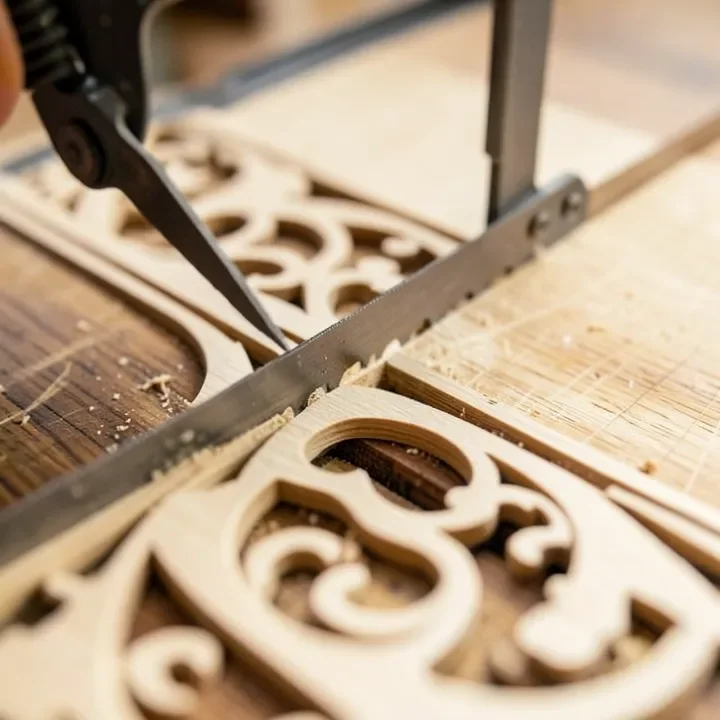
Dense fretwork (patterns with many small, tightly-packed interior cutouts) requires a higher-TPI (teeth per inch) blade than simple shapes – a #2 reverse-tooth blade or finer gives a cleaner cut on the small, sharp turns fretwork demands, where a coarser blade tears the thin connecting sections between cutouts. Interior cuts also require drilling a small entry hole for the blade at each enclosed section, then threading the blade through before re-tensioning – a step beginner patterns without interior cutouts don’t need at all.
Stack Cutting Multiple Layers at Once
Advanced patterns are often cut through 2-4 layers of thin material stacked and taped together, producing multiple identical pieces from a single pass – useful for repeated elements like puzzle pieces or matching ornaments. The stack needs to be taped or pinned securely enough that layers don’t shift mid-cut, since even slight movement between layers throws off alignment across the whole stack, a mistake that isn’t visible until the stack is separated.
Portrait and Shaded Patterns
Portrait-style scroll saw patterns render an image using continuous connected lines rather than distinct shapes, relying on the wood’s own color and grain to fill in visual detail once the piece is mounted over a contrasting background. These patterns demand exceptional blade control on tight curves and require the piece to stay perfectly intact – a single broken connecting line can compromise the entire image, which is why practicing on scrap material with a similar pattern density is worth doing before committing to the final workpiece.
Choosing Wood for Advanced Patterns
Baltic birch plywood is the standard choice for advanced fretwork and stack cutting because its void-free, consistent layers hold up to fine detail work better than solid wood, which can have grain-direction weaknesses that cause fine connecting sections to snap. For portrait patterns where wood color and grain matter visually, solid hardwoods like walnut or cherry are chosen specifically for their color contrast against a lighter background material.
Speed and Feed Rate for Fine Detail
Slower blade speed and a lighter, more patient feed rate reduce the friction heat that causes fine blade breakage on tight interior curves – a common frustration on advanced patterns is repeated blade snapping, which is more often a feed-rate and speed problem than a blade-quality problem. Let the blade do the cutting rather than pushing the material into it.
Frequently Asked Questions
What blade is best for advanced scroll saw fretwork?
A #2 reverse-tooth blade or finer handles the tight turns and small cutouts common in dense fretwork patterns better than coarser blades used for simple shapes.
Why does my scroll saw blade keep breaking on detailed patterns?
Usually feed rate, not blade quality – pushing material into the blade too fast on tight curves generates friction heat that snaps fine blades. Slow down and let the blade cut at its own pace.
What wood is best for stack cutting?
Baltic birch plywood, since its void-free, consistent layers hold up to fine detail work and repeated cuts better than solid wood, which can weaken along the grain.
Sponsored / affiliate links. As an Amazon Associate I earn from qualifying purchases. I may earn additional commission from eligible campaigns.