Handheld Scroll Saw: What It Actually Is (Plus Our Pick)
Most “handheld scroll saw” round-ups actually show you a benchtop machine bolted to its own stand. A genuinely portable, hold-in-your-hand scroll saw is a much smaller, stranger category than the search term suggests.
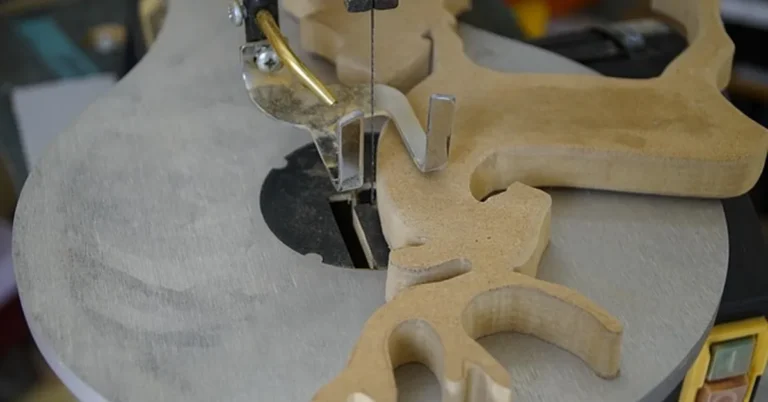
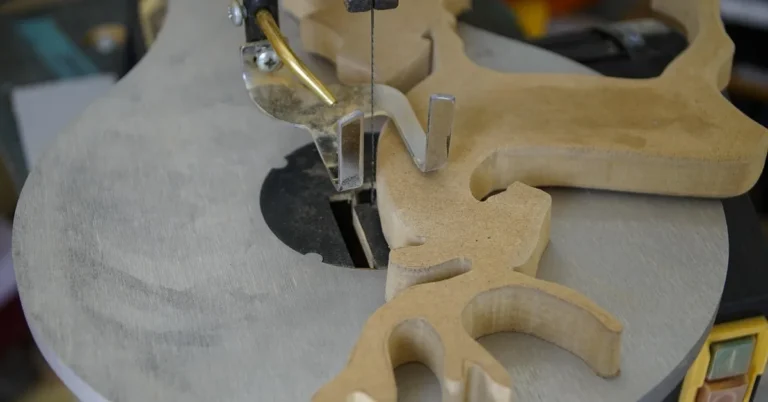
Here is the honest answer: a true handheld scroll saw — one you pick up and guide freehand, the way you would a jigsaw — is a niche product. The thin, fast reciprocating blade that makes a scroll saw so good at tight curves and inside cuts usually needs a stationary frame and table to stay accurate. Only one mainstream tool, the Dremel Moto-Saw, actually converts between a stationary scroll saw and a real handheld cutting tool. Nearly everything else marketed under this name is either a compact benchtop model, a corded detail jigsaw, or a manual coping saw doing a similar job with a different mechanism.
This guide sorts out which is which: what a handheld scroll saw can realistically do, how it differs from a jigsaw and a coping saw, and the one tool worth buying if you actually need to hold your scroll saw in your hand instead of clamping it to a bench.
The Craft Of Precision Cutting
Only Real Handheld/Stationary Hybrid
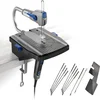 |
Dremel MS20-01 Moto-Saw – $114 The only mainstream tool that actually converts between a stationary scroll saw and a genuinely handheld cutting tool at the touch of a button.
|
Precision cutting is an art that transforms materials into beautiful creations. Handheld scroll saws empower crafters to achieve intricate designs. These tools allow for delicate cuts in wood, plastic, and more. With the right technique, stunning results are possible.
Essential Features Of Handheld Scroll Saws
Handheld scroll saws come with several essential features. Understanding these can enhance your crafting experience.
- Blade Types: Different blades suit various materials.
- Adjustable Speed: Control speed for fine or rough cuts.
- Ergonomic Design: Comfort during extended use is key.
- Dust Blower: Keeps the workspace clear for visibility.
- Easy Blade Change: Quick swaps save time.
Comparing Stationary And Handheld Models
Choosing between stationary and handheld models affects your projects. Each has its unique advantages.
| Feature | Stationary Models | Handheld Models |
|---|---|---|
| Portability | Heavy and fixed in one place | Lightweight and easy to carry |
| Precision | Very precise for large cuts | Great for intricate designs |
| Space Requirement | Needs a dedicated workspace | Minimal space needed |
| Cost | Generally more expensive | More budget-friendly options |
Evaluate your needs before making a choice. Each model offers distinct benefits. Selecting the right one can elevate your crafting skills.
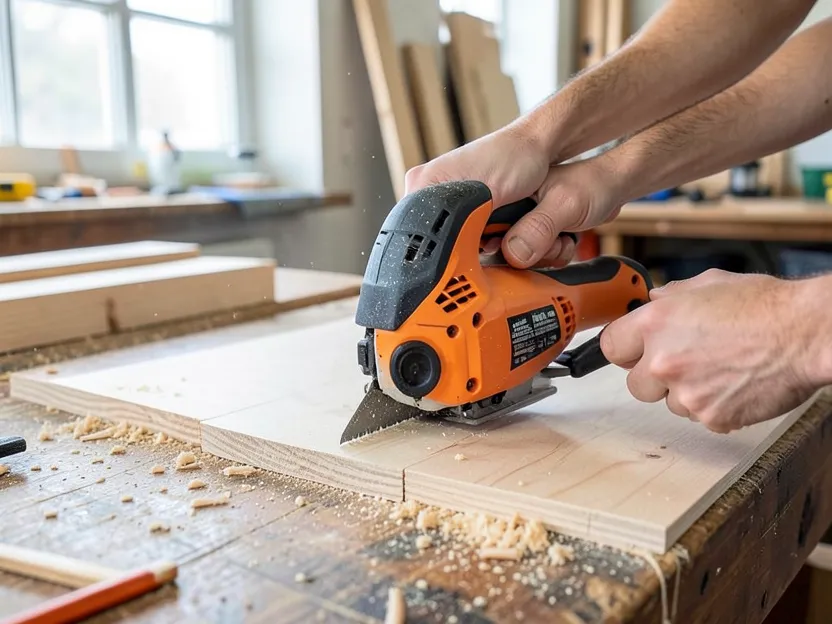
Choosing Your Scroll Saw
Choosing the right scroll saw is essential for your projects. Many factors influence your decision. Understanding these factors helps you make an informed choice. Let’s explore the key elements to consider.
Key Factors To Consider
- Blade Type: Different blades suit various materials. Choose fine blades for intricate cuts.
- Power: A strong motor allows for smoother cuts. Look for at least 1.5 amps.
- Speed Control: Variable speed settings give you more control. This feature is vital for different materials.
- Table Size: A larger table offers more workspace. It helps with bigger projects.
- Weight: A heavier saw is more stable. Stability reduces vibrations during cutting.
- Ease of Use: User-friendly features save time. Look for quick blade changes and easy adjustments.
The Real Options If You Want Something Handheld
Skip the marketing and here is what actually exists in this category. If a “handheld scroll saw” round-up lists something like a DeWalt DWM120K, Shop Fox W1713, Excalibur EX-21, or Craftsman CMA1030, know that every one of those is a stationary benchtop scroll saw with its own stand and table — none of them leave the bench. They are excellent machines, but they are not handheld. For a full comparison of that stationary category, see our guide to the best scroll saws for woodworking.
| Tool | How It Works | Best For |
|---|---|---|
| Dremel Moto-Saw (MS20-01) | Converts between a stationary scroll saw and a handheld cutting tool | Anyone who genuinely needs both modes |
| Corded detail jigsaw | Reciprocating blade guided entirely by hand, no table | Freehand curved cuts in thicker stock |
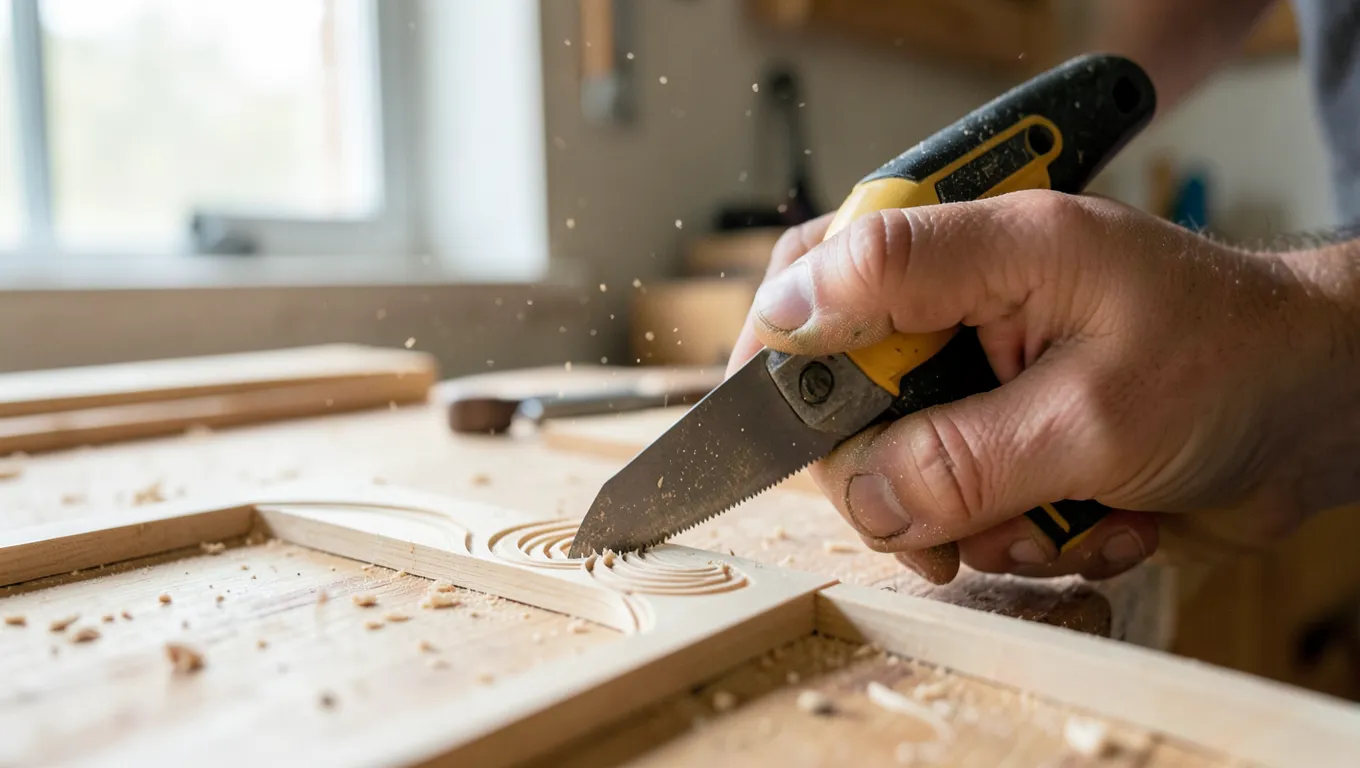
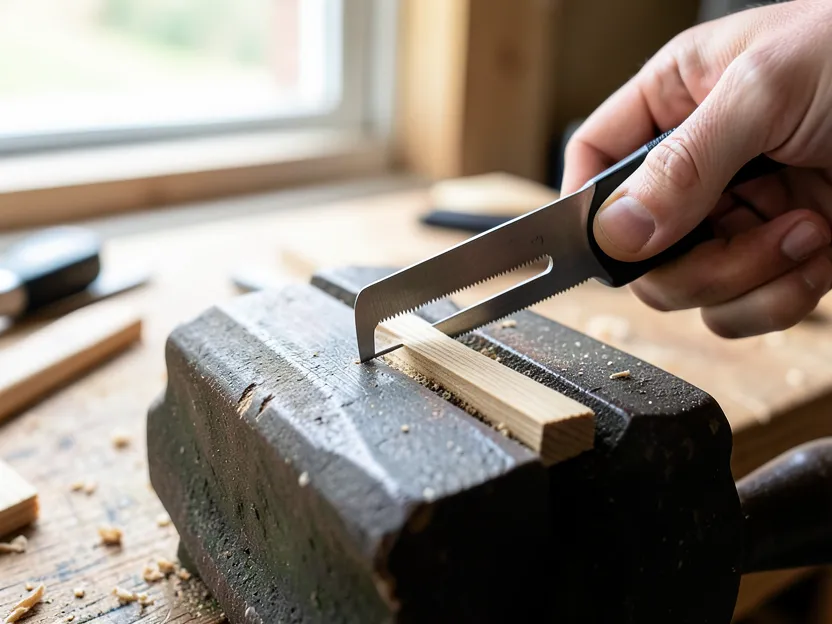
| Manual coping saw | Hand-powered thin blade in a U-shaped frame, no motor | Small, slow, precise scrollwork with zero noise or vibration |
None of these three replace a true stationary scroll saw for long, fast, highly detailed work — but each is a genuine answer to “I want to hold this saw in my hand,” which the benchtop models above are not.
Mastering Scroll Saw Basics
Scroll saws are excellent tools for creating intricate designs. Learning the basics is essential for beginners. This guide helps you set up your scroll saw and stay safe.
Setting Up For First Use
Setting up your scroll saw correctly is crucial. Follow these steps for a smooth start:
- Choose a Stable Surface: Place the saw on a sturdy table.
- Check Power Supply: Ensure the outlet is functional.
- Install the Blade: Follow the manufacturer’s instructions.
- Adjust Tension: Ensure the blade is tight and secure.
- Test the Speed: Start at a low speed for control.
Double-check each setting. A well-set saw improves accuracy.
Safety Tips For Beginners
Safety is vital when using a scroll saw. Follow these tips to protect yourself:
- Wear Safety Glasses: Protect your eyes from debris.
- Keep Hands Clear: Use push sticks for small pieces.
- Secure Workpieces: Clamp them down to avoid movement.
- Stay Focused: Avoid distractions while cutting.
- Turn Off Saw: Always switch off when changing blades.
Remember, safety ensures enjoyable woodworking. Stay alert and work carefully.
Techniques For Intricate Designs
Creating intricate designs with a scroll saw requires skill and precision. Mastering various techniques can enhance your woodworking projects. This section will cover two important methods: piercing cuts and tight corners, and stack cutting and pattern transfers.
Piercing Cuts And Tight Corners
Piercing cuts allow for detailed designs. These cuts create holes or intricate shapes in the wood. Follow these steps to achieve clean piercing cuts:
- Choose the Right Blade: Use a fine-toothed blade for tight turns.
- Drill Entry Holes: Drill small holes for the blade to enter.
- Control Speed: Use a slower speed for better accuracy.
Practice makes perfect. Start with simple patterns. Gradually move to more complex designs.
Stack Cutting And Pattern Transfers
Stack cutting involves cutting multiple layers at once. This method saves time and ensures uniformity. Here’s how to stack cut effectively:
- Choose Materials: Select similar thickness for all layers.
- Secure Layers: Use clamps to hold the stack firmly.
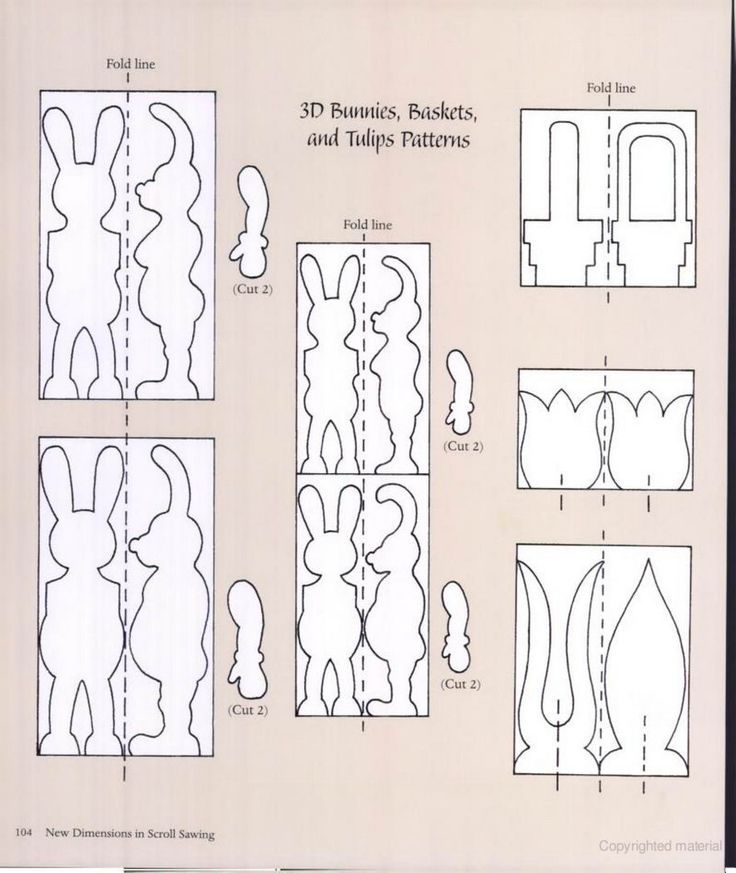
- Transfer Patterns: Use carbon paper for accurate designs.
Use a sharp blade for clean edges. Stack cutting works well for creating multiple pieces quickly. It is perfect for projects like ornaments or jigsaw puzzles.
Materials And Blades
Choosing the right materials and blades is crucial for scroll saw projects. The type of wood and blade affects the quality of your cuts. Understanding these elements can enhance your crafting experience.
Selecting The Right Wood
Different woods offer unique characteristics. Here are some popular options:
- Pine: Soft and easy to cut.
- Oak: Durable with a fine grain.
- Maple: Harder, great for detailed work.
- Birch: Smooth finish, ideal for intricate designs.
Consider the following factors:
- Thickness: Thicker wood needs stronger blades.
- Grain: Straight grain is easier to cut.
- Moisture: Dry wood cuts better than wet wood.
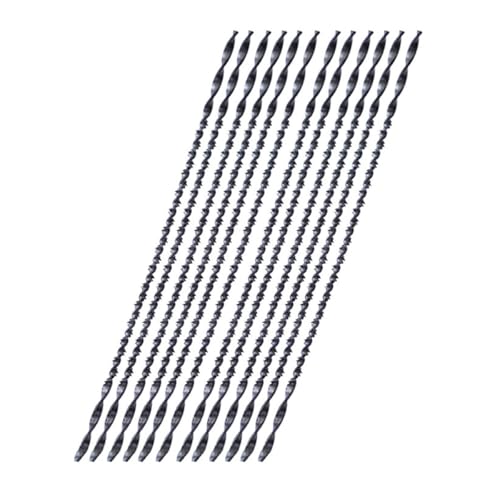
Understanding Blade Varieties
Choosing the right blade is essential for your project. Here are the main types of blades:
| Blade Type | Best For | Features |
|---|---|---|
| Skip Tooth | General cutting | Fast cuts, good for softwoods. |
| Reverse Tooth | Clean edges | Reduces splintering, great for hardwoods. |
| Precision Ground | Intricate designs | Sharp cuts, ideal for detailed work. |
Remember these tips:
- Match blade type to your wood choice.
- Use finer blades for intricate cuts.
- Regularly check and replace worn blades.
Creative Projects And Ideas
Scroll saws are excellent tools for crafting unique projects. They allow for intricate designs and detailed artwork. Explore the following categories for inspiration and fun ideas.
Decorative Artwork And Signage
Using a scroll saw, you can create stunning decorative pieces. These projects add charm to any space.
- Wall Art: Cut out shapes of trees, animals, or abstract designs.
- Home Signs: Personalize your entryway with family names or quotes.
- Seasonal Decor: Make holiday-themed decorations, like snowflakes or pumpkins.
- Framed Pieces: Create layered art for a unique look.
Each piece can reflect your style. Use various woods for different textures.
Functional Items And Gifts
Scroll saws can create practical items too. Craft functional gifts that impress.
- Coasters: Design unique coasters to protect surfaces.
- Key Holders: Make personalized key racks for organization.
- Jewelry Boxes: Create beautiful boxes for storing treasures.
- Bookmarks: Cut out fun shapes for personalized reading accessories.
These projects serve a purpose and showcase your creativity. Gift them to friends or family.
| Project Type | Materials Needed | Skill Level |
|---|---|---|
| Wall Art | Wood, paint, hooks | Intermediate |
| Coasters | Wood, finish | Beginner |
| Jewelry Boxes | Wood, hinges | Advanced |
| Bookmarks | Wood, sandpaper | Beginner |
Explore these creative projects. Let your imagination soar with your scroll saw.
Maintenance And Troubleshooting
Proper care keeps your scroll saw running smoothly. Regular maintenance helps prevent issues. Troubleshooting common problems can save time and effort.
Routine Care For Longevity
Routine maintenance extends the life of your handheld scroll saw. Follow these steps for optimal performance:
- Clean the Blade: Remove dust and debris after each use.
- Check Blade Tension: Ensure the blade is tight but not overstressed.
- Lubricate Moving Parts: Use machine oil on joints and pivots.
- Inspect Power Cord: Look for frays or damage before each use.
- Store Properly: Keep your saw in a dry, safe place.
Common Issues And Fixes
Understanding common issues helps you troubleshoot effectively. Here are frequent problems and their solutions:
| Issue | Possible Cause | Fix |
|---|---|---|
| Blade Won’t Cut | Blade is dull or damaged | Replace the blade |
| Excessive Vibration | Loose parts | Tighten all screws |
| Power Loss | Faulty power cord | Inspect and replace cord |
| Uneven Cuts | Improper blade tension | Adjust blade tension |
Regular maintenance and prompt troubleshooting keep your scroll saw in top shape. Follow these tips for a smooth woodworking experience.
Expanding Your Skillset
Using a scroll saw handheld opens doors to new skills. You can create intricate designs and improve your woodworking abilities. Exploring advanced techniques and joining a crafting community boosts your creativity. Let’s dive into how you can enhance your skills.
Advanced Techniques
Mastering advanced techniques can elevate your projects. Here are some popular methods:
- Intarsia: Create stunning images using different wood types.
- Segmentation: Cut pieces into shapes for a 3D effect.
- Fretwork: Make intricate patterns and designs.
- Inlay: Insert pieces into a base for added detail.
Practice these techniques for better results. Always use proper safety gear. Here’s a quick table of tools needed:
| Tool | Purpose |
|---|---|
| Scroll Saw | Cut intricate shapes and patterns. |
| Fretsaw Blade | Achieve finer cuts and details. |
| Sandpaper | Smooth edges after cutting. |
| Clamps | Hold your work securely. |
Joining A Community Of Crafters
Connecting with other crafters can inspire you. Join local clubs or online groups. Here are some benefits of being part of a community:
- Share Ideas: Discuss projects and techniques.
- Receive Feedback: Get tips to improve your work.
- Participate in Challenges: Test your skills in friendly competitions.
- Access Resources: Find tutorials and guides easily.
Engagement with others enhances learning. Share your experiences and gain insights. Building relationships can lead to collaboration on projects.
Frequently Asked Questions
What Is A Handheld Scroll Saw?
A handheld scroll saw is a scroll saw you hold and guide freehand instead of clamping to a bench. True examples are rare — the Dremel Moto-Saw is the main mainstream tool built to convert between stationary and handheld use. Many products marketed under this name are actually compact benchtop scroll saws, corded jigsaws, or manual coping saws.
How To Use A Handheld Scroll Saw?
To use a handheld scroll saw, start by securing your material. Choose the appropriate blade for your project. Turn on the saw and guide it smoothly along your marked lines. Maintain steady pressure and let the blade do the work.
Always wear safety gear for protection.
What Materials Can A Handheld Scroll Saw Cut?
A handheld scroll saw can cut wood, plastic, and thin metal. It’s perfect for softwoods, hardwoods, and plywood. Additionally, it can handle materials like acrylic and foam. Always select the right blade for the material to ensure clean cuts and prevent damage.
Is A Handheld Scroll Saw Worth It?
It depends what you are comparing it to. A true handheld/stationary hybrid like the Dremel Moto-Saw is worth it if you genuinely need both modes in a small shop. If you mainly need a stationary scroll saw, a dedicated benchtop model will out-perform any handheld option on longer, more detailed work. And if you only need occasional freehand curved cuts, a corded jigsaw or manual coping saw may cost far less and do the job just as well.
Conclusion
Choosing a handheld scroll saw can elevate your crafting experience. These tools offer precision and versatility for various projects. Whether you’re a beginner or a seasoned pro, the right scroll saw enhances creativity. Embrace the possibilities that come with this innovative tool and let your imagination run wild.
Happy crafting!
Sponsored / affiliate links. As an Amazon Associate I earn from qualifying purchases. I may earn additional commission from eligible campaigns.