Agatized Wood Vs Petrified Wood: Essential Guide
Agatized wood versus petrified wood comes down to the dominant mineral that replaces the wood structure: agate, a microcrystalline quartz, defines agatized wood, while petrified wood often contains chalcedony or opal. Understanding this difference helps collectors and woodworkers appreciate the stone’s unique beauty and how it forms.
Hello there! I’m Md Meraj, and I know that when you start looking closely at beautiful, stone-like wood, the names can get confusing fast. You see terms like “agatized wood” and “petrified wood,” and they sound so similar, it’s easy to mix them up. This confusion often happens when people try to buy, polish, or identify these amazing natural pieces. Do not worry! Understanding the slight, but important, differences between these two is simpler than you think. We will walk through exactly what creates each type and how you can tell them apart, making you feel confident in your knowledge. Ready to demystify these ancient treasures? Let’s jump into the workshop!
What Exactly Is Fossilized Wood? The Big Picture
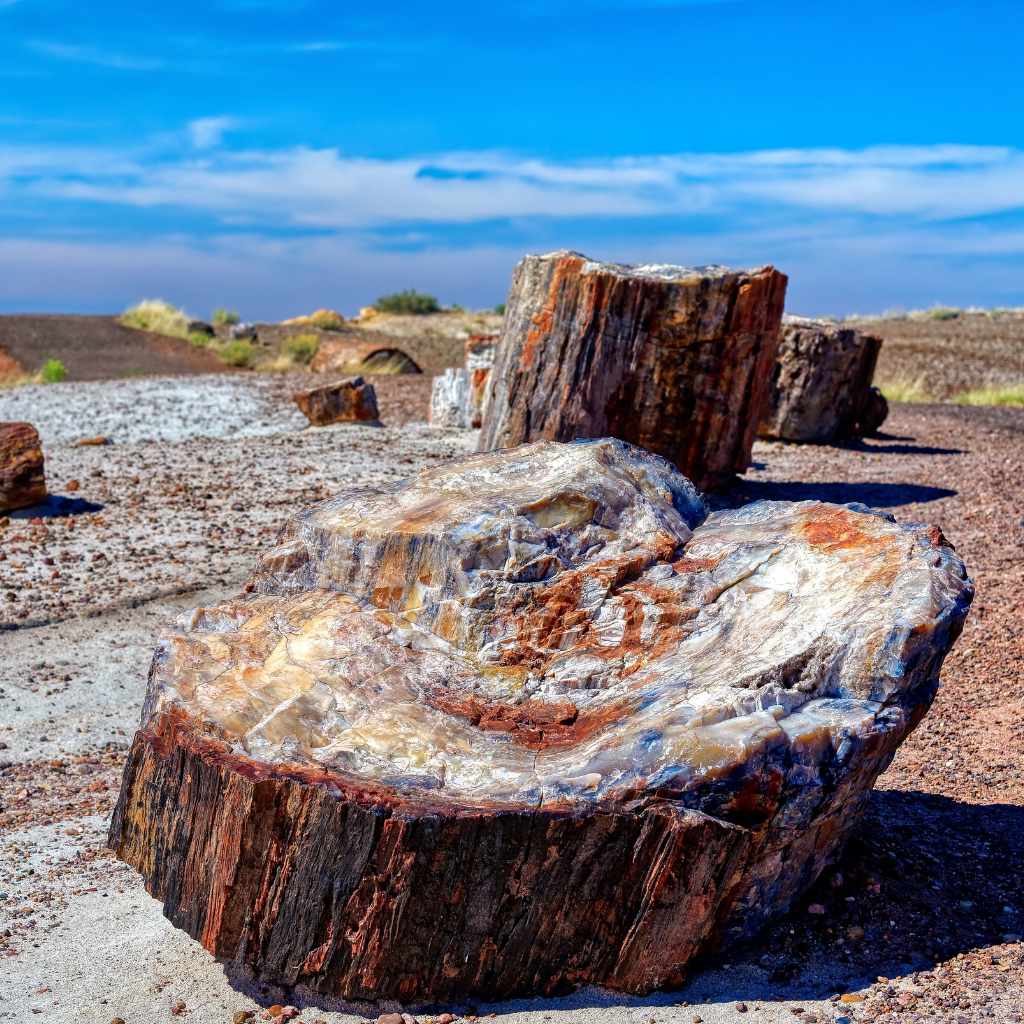
Before we dive into the specifics of agate versus petrified wood, it’s helpful to understand the umbrella term: fossilized wood. This is wood that has turned into rock over millions of years. This incredible process happens when trees fall in oxygen-poor environments, like riverbeds or volcanic ash, preventing them from simply rotting away.
Instead, mineral-rich groundwater seeps into the wood cells. Over vast stretches of time, these minerals slowly replace the original organic material cell by cell. The result is an exact replica of the tree’s structure, now turned to stone.
The actual rock that forms depends entirely on the minerals present in that water during the replacement process. This is where our key difference arises.
Agatized Wood Vs Petrified Wood: Defining the Difference
The main reason these terms get confused is that agatized wood is a form of petrified wood. Think of it like squares and rectangles; every square is a rectangle, but not every rectangle is a square.
Here is the simplest way to look at it:
Petrified Wood: This is the broad category for any wood that has fully mineralized into stone. It can be quartz, opal, jasper, or a mix of minerals.
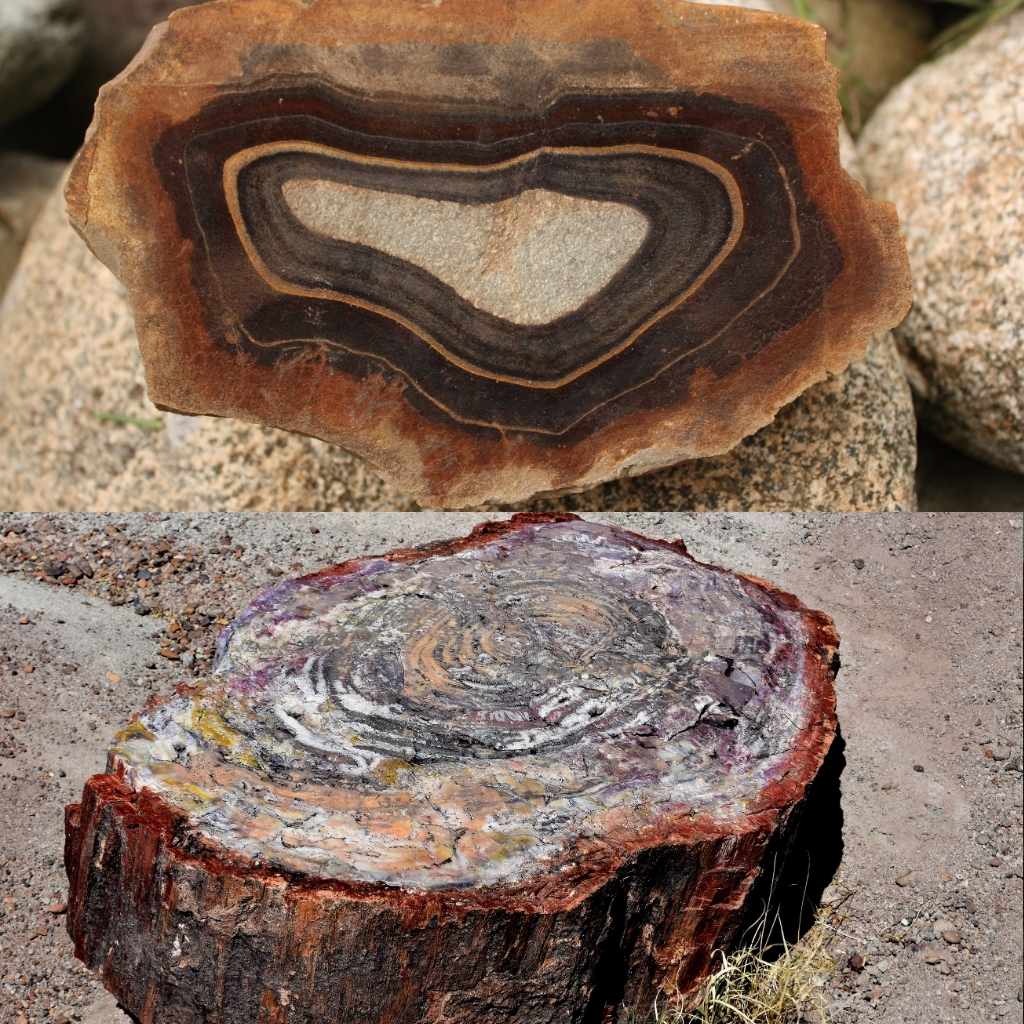
Agatized Wood: This is a specific type of petrified wood where the primary mineral replacing the wood structure is agate.
The Role of Agate
Agate is a microcrystalline variety of quartz. This means its crystals are so tiny you cannot see them individually without powerful magnification. Agate is famous for its banding, or layering, which often shines through in agatized wood, revealing spectacular rings and patterns where the original growth rings once were.
The Role of Chalcedony and Opal
When people talk about generic “petrified wood,” they are often referring to specimens where the mineralizing agent was chalcedony (a microcrystalline quartz, often less colorful or banded than agate) or even opal (hydrated amorphous silica).
If the replacement material includes significant amounts of amorphous silica (like opal), the specimen might be classified as opalized wood or simply petrified wood, but not specifically agatized wood, unless clear agate structures are dominant.
How the Fossilization Process Creates Variety
Understanding the geology behind these materials helps clarify why one piece looks banded (agate) and another might look uniform or milky (chalcedony).
The process is all about groundwater saturation and mineral concentration over geological time.
- Burial and Exclusion of Oxygen: A tree falls and is quickly buried under sediment, ash, or mud, protecting it from decay organisms.
- Infiltration: Groundwater saturated with dissolved silica (silicon dioxide, the basis for quartz) begins to flow through the buried wood structure.
- Replacement: Silica precipitates out, slowly replacing the organic matter (cellulose and lignin). The speed and consistency of this replacement determine the final mineral.
- Crystal Formation: If the silica precipitates slowly and deposits in rhythmic layers under specific pressure and temperature conditions, it forms the layered structure we call agate. If it forms rapidly and uniformly, it might look like chalcedony or jasper.
Key Identifiers: Agatized Wood vs Petrified Wood Comparison
For the beginner or hobbyist, knowing how to quickly spot the difference makes collecting much easier. While microscopic analysis is the only way to be 100% certain, visual clues are very helpful.
Visual Characteristics Comparison Table
| Feature | Agatized Wood | General Petrified Wood (Chalcedony/Opal Dominant) |
| :— | :— | :— |
| Primary Mineral | Agate (banded microcrystalline quartz) | Chalcedony, Quartz, or Opal |
| Color & Pattern | Often displays distinct banding, concentric rings, and translucent areas. | Tends to be more uniform in color (white, gray, brown) or mottled. |
| Luster (Polish) | Can achieve a very high, glassy shine when polished. | Varies. Opalized areas can be waxy; chalcedony is often vitreous (glassy). |
| Translucency | Higher potential for translucent edges, showing internal layering. | Usually opaque, though high-quality chalcedony can be slightly translucent. |
| Hardness (Mohs Scale) | 6.5–7 (Typical quartz range) | 6–7 (Depends on exact composition) |
Working with Agatized Wood: Tips for Woodworkers and Crafters
If you are looking to use this material in your projects—perhaps making beautiful countertops, coasters, or unique inlays—how you treat it matters. Since agatized wood is essentially quartz, it behaves very differently than actual wood.
Hardness and Cutting Concerns
Remember that you are not cutting wood; you are essentially cutting stone. This requires different tools and safety precautions than your standard lumber projects. High-speed steel (HSS) blades used for wood will dull instantly and dangerously.
For safe and effective cutting, always use diamond-tipped cutting tools. This principle applies whether you are using a tile saw, an angle grinder, or a specialized lapidary wheel.
Safety First Tip: When cutting or grinding any silica-based material (which includes almost all petrified and agatized wood), respiratory protection is non-negotiable. Inhaling silica dust can cause silicosis. Always use wet cutting methods when possible, and wear a high-quality respirator rated for fine dusts.
Polishing Agatized Wood
The stunning beauty of agatized wood—its deep colors and clear banding—only truly emerges after a good polish, which highlights the agate structure.
Here are the basic steps for achieving a professional shine, similar to polishing gemstones:
- Grinding (Shaping): Use a coarse diamond wheel (e.g., 80 or 100 grit) to establish the basic shape and remove major pits or chips. This often requires a wet saw or grinder setup to keep the dust down.
- Sanding Progression: Move through increasingly fine diamond sanding pads, typically from 200 grit up to 1500 or 3000 grit. Each step must fully remove the scratches left by the previous, coarser grit.
- Pre-Polish: Use a finer grit slurry or cerium oxide powder on a felt pad. This step smooths out the microscopic scratches left by the final wet sanding.
- Final Polish: For the highest luster, use a fine polishing compound like aluminum oxide or diamond paste on a soft cloth or leather pad. Continue polishing until the surface achieves a mirror finish that reveals the agate’s depth.
If you want to learn more about the science behind stable mineral replacement in fossils, the geological survey data often provides excellent, detailed information on quartz formation rates. For instance, geological studies from centers like the U.S. Geological Survey offer robust data on how silica precipitates in natural settings.
Identifying Less Common Minerals in Petrified Wood
While agate (a form of quartz/chalcedony) is very common, the term “petrified wood” also covers pieces where other minerals took over. For the hobbyist, recognizing these can add to the collection’s value and story.
- Jasperized Wood: If iron oxides are present during fossilization, the silica is replaced by opaque, often red, yellow, or brown jasper. This wood is typically opaque all the way through.
- Opalized Wood: If the wood is replaced by amorphous (non-crystalline) silica, it forms opal. This wood often has a waxy or vitreous luster and can exhibit play-of-color, though it is usually softer and more brittle than quartz-based varieties.
- Silicified Wood (Generic): Sometimes, the replacement is simply massive quartz crystals rather than the microcrystalline structure required for agate or chalcedony. This often looks milky or cloudy.
The Value Perspective: Does Agatized Matter?
For collectors, the distinction between agatized wood and generic petrified wood often translates directly into perceived value and desirability.
Why? Because agate brings color, pattern, and translucency that highly pure chalcedony or opalized pieces might lack. A piece of petrified wood showing vibrant, clear growth rings patterned by beautiful agate bands is generally more sought after than a dull, opaque piece of silicified wood.
When looking at specimens, consider these value factors:
- Completeness: Is the log section complete, or just a fragment?
- Cellular Detail: Can you still see the fine structure of the original tree? High detail equals higher value, regardless of mineral type.
- Color Saturation: Rich, uniform colors (especially in jasperized or agatized specimens) increase appeal.
- Mineral Purity: High concentrations of durable agate quartz tend to hold up better over time than softer opalized wood.
Simple Tests You Can Do at Home (With Caution!)
If you have a piece of fossilized wood and want to check if it leans toward an agate replacement, you can perform a couple of very gentle tests. Always do these tests on a flat, inconspicuous spot, and remember that scratch tests can damage the specimen if done too vigorously.
1. The Light Test (Translucency)
Hold the specimen up to a very bright light source, like a strong LED flashlight.
If you see light visibly passing through the edges, or if you can see distinct lines or bands glowing as the light catches the internal structure, it strongly suggests agate or high-quality chalcedony.
If the material is completely dark and blocks all light, it is likely heavily mineralized with opaque materials like jasper or dense chalcedony.
2. The Hardness Estimate (Caution Required!)
You know that steel (like a knife blade) is generally around 5.5 on the Mohs scale.
If you try to scratch the specimen gently with the tip of a steel knife, and the knife cannot leave a scratch, the material is likely harder than 5.5—consistent with quartz (6.5+), which includes agate.
If the knife easily scrapes the surface, it might be a softer material like opal or a less dense volcanic glass replacement.
Achieving a Great Finish in Your DIY Projects
Whether you have agatized wood or general petrified wood, the goal for most hobbyists is to create something functional and beautiful. Because these materials carry a story millions of years old, craftsmanship demands respect for the material’s inherent strength and fragility.
When mounting agatized wood for a tabletop or perhaps setting it into a picture frame (a great beginner project!), consider epoxy encapsulation.
Working with Epoxy and Fossilized Wood
Epoxy resin is fantastic for sealing porous fossilized wood and permanently magnifying the beautiful details, especially agate banding.
1. Preparation is Key: Ensure the agatized wood is perfectly clean and completely dry. Any moisture trapped inside will cause issues later on.
2. Seal the Surface: Before pouring the main batch, apply a very thin “seal coat” of epoxy over the entire surface. This penetrates tiny pores and prevents air bubbles from escaping during the main pour. Let this cure fully.
3. The Pour: If you are embedding smaller pieces, use a deep-pour epoxy. If you are using a thin layer over a flat piece, use a standard casting epoxy, ensuring you work in a dust-free, level environment.
4. Curing: Allow the epoxy to cure fully according to the manufacturer’s instructions. This usually takes 24 to 72 hours depending on the product and temperature.
This resulting piece combines the ancient strength of stone with modern sealing techniques, making it durable enough for everyday use in your home, a testament to incredible geology and thoughtful crafting.
FAQ: Beginner Questions on Agatized and Petrified Wood
Q1: Can I use my regular wood router on agatized wood?
A: Absolutely not. Regular router bits are made of hardened steel, which cannot cut quartz (agate). You must use specialized diamond-coated router bits or grinding stones. Using HSS bits will ruin your tool and create dangerous dust.
Q2: Is agatized wood heavier than regular wood?
A: Yes, significantly. Wood becomes rock when the organic material is replaced by silica, which has a much higher density. A piece of agatized wood will feel surprisingly heavy for its size compared to the original tree species.
Q3: Where do I find agatized wood for my projects?
A: Good sources include specialized rock and mineral shows, online lapidary supply stores, or specific quarries known for producing fossilized specimens (like areas in Arizona or Oregon, USA). Always buy from reputable sellers to ensure quality and proper identification.
Q4: Does agatized wood scratch easily?
A: Agate is quite hard (about 7 on the Mohs scale). It is harder than glass and most common household dust particles. It generally resists scratching well, but it can be scratched by harder materials like corundum (sapphire/ruby) or industrial diamonds.
Q5: If a piece is called “petrified wood,” does that mean it has no agate?
A: Not necessarily. Petrified wood is the general term. It might contain agate, chalcedony, opal, or jasper. If a seller specifically markets it as “agatized wood,” it usually means the banded agate structure is the dominant, defining feature.
Q6: Can I stabilize agatized wood using wood finish oils?
A: Standard oil finishes used for wood (like linseed or tung oil) will not penetrate or stabilize the stone structure. For sealing and enhancing the shine of agatized wood, use a clear epoxy resin or a final polish with high-grade jeweler’s rouge or cerium oxide.
Conclusion: Appreciating the Stone Story
Learning the difference between agatized wood and general petrified wood boils down to recognizing the dominant replacement mineral—agate brings those beautiful, hard silica bands. As a woodworker and DIY enthusiast, understanding this means knowing how to handle it safely, cut it effectively, and polish it beautifully to reveal those millions of years of geological history.
Whether you are setting a small, dazzling piece of agatized wood into a jewelry box lid or working with a large slab of dense silicified wood for a coffee table, approaching the material with the respect it deserves—treating it like stone, not lumber—is the key to success. Keep learning, always prioritize safety around silica dust, and enjoy crafting with these incredible, ancient pieces of nature. You’ve got the knowledge now to spot the difference and make amazing things!